Understanding The Jeep Grand Cherokee Overland Lease
Leasing a Jeep Grand Cherokee Overland offers a compelling way to drive a premium, capable SUV without the long-term commitment of buying. The Overland trim represents a sweet spot in the Grand Cherokee lineup, balancing luxury features with the ruggedness Jeep is known for.
Opting for a lease means you get to enjoy a new vehicle every few years, often with lower monthly payments than financing, and without the worry of depreciation or selling a used car.
This guide will explore what a Jeep Grand Cherokee Overland lease entails, from understanding the key terms to evaluating if it's the right choice for your needs.
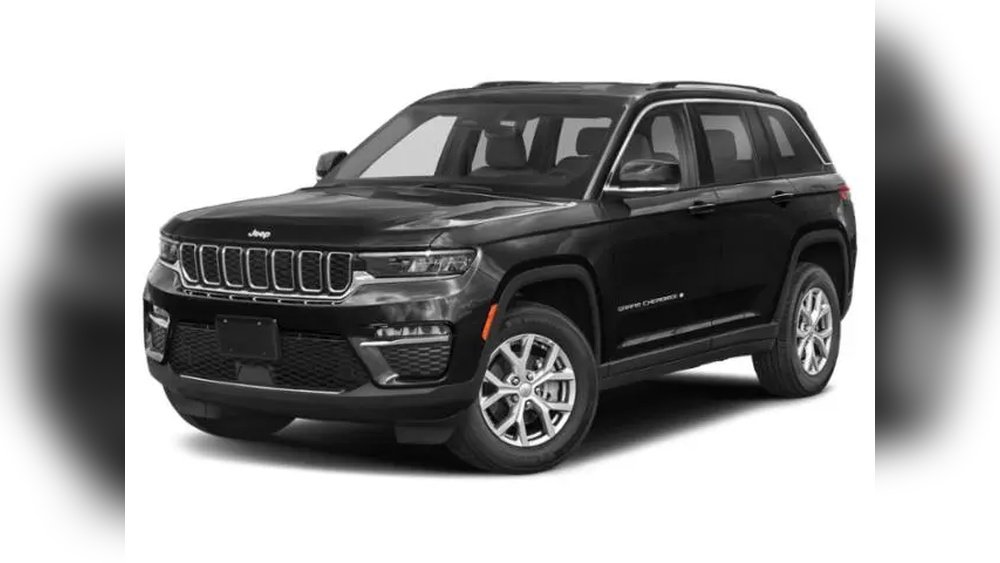
The Jeep Grand Cherokee has long been a benchmark in the mid-size SUV segment, praised for its off-road prowess, comfortable interior, and advanced technology. The Overland trim, specifically, elevates the experience with features like Nappa leather-trimmed seats, advanced safety systems, a premium audio system, and more sophisticated exterior styling cues. When you lease, you’re essentially renting the vehicle for a set period, typically 24 to 48 months, paying for the depreciation expected during that time, plus interest and fees. This makes it an attractive option for those who like to drive a new car every few years or prefer predictable monthly expenses.
Key Aspects Of A Jeep Grand Cherokee Overland Lease
Leasing involves several crucial components that determine your monthly payment and overall cost. Understanding these elements is vital before signing any agreement.
What Is Vehicle Depreciation?
Depreciation is the loss in a vehicle’s value over time. When you lease, you pay for the difference between the car’s value when it’s new (MSRP) and its estimated value at the end of the lease term (residual value). The higher the residual value, the lower your monthly payments will be. Jeep Grand Cherokees, especially in higher trims like the Overland, tend to hold their value reasonably well, which can translate into more favorable lease terms. Factors like mileage limits and the vehicle’s condition at lease end significantly impact depreciation.
Understanding The Residual Value
The residual value is a percentage of the original MSRP that the leasing company predicts the vehicle will be worth at the end of the lease. This percentage is set by leasing companies and is influenced by market trends, historical depreciation data for that specific model, and the lease term. A higher residual value means the car is expected to be worth more, thus reducing the amount you’re financing and lowering your monthly payments. For example, a Grand Cherokee Overland with a strong residual value might have a residual set at 55% of its MSRP after a 36-month lease, meaning you’re paying for the other 45% of its value, plus interest.
Money Factor (lease Interest Rate)
The money factor is essentially the interest rate on your lease. It’s expressed as a very small decimal number (e.g., 0.00150). To convert it to an approximate annual percentage rate (APR), you multiply it by 2400. So, a money factor of 0.00150 is roughly equivalent to a 3.6% APR (0.00150 * 2400 = 3.6%). A lower money factor means lower interest charges over the lease term. This rate is influenced by your credit score, the current economic climate, and the leasing company’s policies.
Acquisition Fee And Disposition Fee
Two common fees associated with leasing are the acquisition fee and the disposition fee. The acquisition fee is charged by the leasing company to set up the lease. It can sometimes be rolled into your monthly payments or paid upfront. The disposition fee is charged at the end of the lease if you don’t choose to buy the car or lease another vehicle from the same manufacturer. This fee covers the cost of inspecting, cleaning, and preparing the vehicle for resale. Always ask about these fees upfront.
Mileage Limitations
Lease agreements come with annual mileage limits, typically ranging from 10,000 to 15,000 miles per year. Exceeding these limits will result in per-mile charges at lease end, which can be quite expensive. For instance, a common charge might be $0.20 to $0.30 per mile over the limit. It’s crucial to accurately estimate your annual driving needs to choose a mileage limit that suits you and avoids costly penalties. If you drive significantly more, a lease might not be the most cost-effective option, or you might need to opt for a higher mileage package, which increases your monthly payment.
Wear And Tear Policy
Lease agreements include a policy on normal wear and tear. Minor dings, scratches, or worn tires might be considered acceptable, but significant damage, such as large dents, cracked windshields, or torn upholstery, will likely incur charges at lease end. It’s wise to review the leasing company’s wear and tear guidelines to understand what is considered excessive and how to avoid potential fees. Keeping the vehicle in good condition can save you money when you return it.
Benefits Of Leasing A Jeep Grand Cherokee Overland
Leasing offers several advantages, particularly for those who value flexibility and the experience of driving a new car regularly.
Lower Monthly Payments
One of the most significant draws of leasing is the potential for lower monthly payments compared to financing the same vehicle. Because you’re only paying for the depreciation during the lease term, rather than the entire purchase price, your payments are spread over a shorter period and cover a smaller portion of the vehicle’s value. This can make a premium vehicle like the Grand Cherokee Overland more accessible on a monthly budget.
Driving A New Vehicle More Often
Leasing allows you to drive a brand-new Grand Cherokee Overland every few years. This means you benefit from the latest automotive technology, safety features, and design updates.
If you enjoy experiencing new car models and technologies, leasing provides a structured way to do so without the hassle of selling or trading in your current vehicle every time.
Warranty Coverage
Most lease terms are for 24 to 48 months, which usually falls within or overlaps significantly with the manufacturer’s comprehensive warranty coverage. This means you’re likely to have fewer unexpected repair costs during your lease period. Routine maintenance, like oil changes and tire rotations, will still be your responsibility, but major mechanical issues are typically covered.
No Resale Hassle
At the end of the lease term, you simply return the vehicle to the dealership (assuming it meets the mileage and condition requirements) and drive away in a new one. You avoid the stress and potential loss of value associated with selling or trading in a used car. This simplifies the process of upgrading your vehicle.
Downsides Of Leasing
While attractive, leasing isn’t for everyone. There are potential drawbacks to consider.
No Ownership Equity
When you lease, you never own the vehicle. Your monthly payments do not build any equity. At the end of the lease term, you have no asset to show for the money you’ve paid. If you prefer to own your vehicles outright or build equity over time, financing or buying might be a better fit.
Mileage Restrictions
As mentioned earlier, strict mileage limits can be a significant disadvantage for those who drive a lot. If your daily commute is long, or you frequently take road trips, the cost of exceeding mileage limits can quickly outweigh the benefits of lower monthly payments.
Wear And Tear Charges
While normal wear and tear is expected, excessive damage can lead to substantial charges when you return the vehicle. This means you need to be particularly careful with your leased car, avoiding situations that could lead to dents, scratches, or interior damage.
Early Termination Penalties
Ending a lease agreement early can be very expensive. Lease contracts are designed to be fulfilled for the entire term. If you need to get out of your lease early, you might face significant fees, potentially equivalent to several months’ payments, or you might have to pay off a substantial portion of the remaining lease balance.
What To Expect In A Jeep Grand Cherokee Overland Lease Deal
When looking for a lease deal on a Grand Cherokee Overland, several factors will influence the specific terms you are offered.
Msrp And Trim Level
The MSRP (Manufacturer’s Suggested Retail Price) of the specific Grand Cherokee Overland configuration you choose is the starting point for all calculations. Higher MSRP vehicles will naturally have higher lease payments. The Overland trim comes with a suite of standard features, but adding optional packages or accessories will increase the MSRP and, consequently, the lease cost.
Lease Term Length
The duration of the lease, typically 24, 36, or 48 months, affects the monthly payment. Shorter terms generally mean higher monthly payments because you are paying for the depreciation over a shorter period.
Longer terms can result in lower monthly payments but mean you are driving the vehicle for a longer duration and potentially outside of its original warranty.
Down Payment (cap Reduction)
While not always required, some leases allow for a down payment, often referred to as a “capital cost reduction.” This payment reduces the amount you finance, thereby lowering your monthly payments. However, if you put a large down payment on a leased vehicle and it’s declared a total loss in an accident, you might not recoup that entire amount, as insurance typically pays out the vehicle’s current market value, not the capitalized cost. Many leasing experts recommend minimizing or avoiding down payments on leases for this reason.
Dealership Incentives And Manufacturer Rebates
Jeep, like other manufacturers, often offers special lease incentives and rebates to encourage sales. These can significantly reduce the effective price of the lease, leading to lower monthly payments. It’s crucial to research current national incentives and ask your dealer about any regional offers that might apply to the Grand Cherokee Overland. These incentives are often tied to specific models, trim levels, and lease terms.
Comparing Lease Vs. Buy For The Grand Cherokee Overland
Deciding between leasing and buying hinges on your priorities and driving habits.
Lease Vs. Buy: Monthly Payments And Total Cost
| Feature | Leasing | Buying (Financing) |
|---|---|---|
| **Monthly Payment** | Generally lower | Generally higher |
| **Total Outlay** | Payments over lease term + fees | Payments over loan term + interest |
| **Equity** | None | Builds ownership equity |
| **End of Term** | Return vehicle, pay fees, or buy out | Own vehicle outright, sell, or trade-in |
| **Flexibility** | High (new car every few years) | Lower (longer commitment) |
| **Depreciation** | You pay for it | You bear the full risk of depreciation |
| **Maintenance** | Often covered by warranty | May incur costs after warranty expires |
Pro Tip: If you prefer driving a new car every few years and keeping your monthly expenses predictable, leasing is often a great choice. If you plan to keep your vehicle for a long time (5+ years) and want to build equity, buying makes more sense.
When Leasing Makes Sense For The Grand Cherokee Overland
- You like driving new cars: Leasing allows you to upgrade every 2-4 years.
- Lower monthly payments are a priority: Lease payments are often less than loan payments for the same vehicle.
- You drive a predictable, lower mileage: Staying within the mileage limits is key to avoiding extra fees.
- Warranty coverage is important: Most leases are covered by the manufacturer’s warranty.
- You don’t want to deal with selling a used car: At lease end, you simply return the vehicle.
When Buying Makes Sense For The Grand Cherokee Overland
- You plan to keep the car for a long time: Owning the vehicle outright after the loan is paid off.
- You drive a lot of miles: Unlimited mileage is a significant advantage.
- You want to customize your vehicle: Modifications can be made freely to a purchased vehicle.
- You want to build equity: Your payments contribute to owning an asset.
- You want to avoid end-of-lease fees: No penalties for excess wear and tear or mileage.
Finding The Best Jeep Grand Cherokee Overland Lease Deals
Securing a favorable lease deal requires research and negotiation.
Research Current Market Offers
Before visiting a dealership, check Jeep’s official website and reputable automotive research sites for current national lease specials on the Grand Cherokee. These often highlight specific mileage allowances, lease terms, and advertised monthly payments. Remember that advertised prices are often based on a specific trim, MSRP, and require excellent credit.
Negotiate The Capitalized Cost
The capitalized cost (or “cap cost”) is the agreed-upon price of the vehicle for the lease. This is the most crucial number to negotiate, as it directly impacts your monthly payment. Don’t just focus on the monthly payment; work to get the lowest possible capitalized cost. This is similar to negotiating the purchase price of a car.
Understand Dealer Fees And Add-ons
Dealerships may try to add various fees or optional add-ons like extended warranties (for the lease buyout option), GAP insurance (often included in leases, but worth checking), or cosmetic protection packages. Be critical of these extras. GAP insurance is particularly important, as it covers the difference between what you owe on the lease and what insurance pays if the car is totaled. Most leases include this, but verify.
Compare Offers From Multiple Dealerships
Don’t settle for the first offer you receive. Contact multiple Jeep dealerships in your area and request lease quotes for the Grand Cherokee Overland with identical terms (mileage, lease length, MSRP). Comparing offers will give you leverage and help you identify the most competitive pricing.
Check Your Credit Score
Your credit score plays a significant role in the money factor (interest rate) you’ll be offered. A higher credit score typically qualifies you for the best rates. If your credit isn’t ideal, you might face a higher money factor, increasing your monthly payments, or you might not qualify for certain special lease offers.
Important Considerations For The Grand Cherokee Overland Lease
Beyond the core lease terms, specific aspects of the Grand Cherokee Overland and its leasing process warrant attention.
Lease Buyout Option
Most lease agreements include a lease buyout option, allowing you to purchase the vehicle at the end of the term for a predetermined price (the residual value, plus any applicable fees). This can be a good option if you’ve grown attached to the vehicle and its residual value is competitive with the used car market. However, remember that you’ll be buying a used car at that point, and it will likely be out of its original warranty.
Insurance Requirements
Leasing companies will have specific insurance requirements. You’ll typically need to carry comprehensive and collision coverage with higher liability limits than you might choose for a purchased vehicle. The leasing company will be listed as a lienholder on your policy. Be sure to get insurance quotes as part of your budgeting process, as insurance costs can vary significantly.