The Jeep Grand Cherokee Overland has built a reputation for blending comfort, luxury, and off-road capability. One standout feature in recent models is the air suspension system.
This advanced technology sets the Overland apart by letting drivers adjust ride height, improve handling, and enjoy a smoother drive. If you’re considering this SUV or already own one, understanding how its air suspension works—and what it means for your daily life—can help you get the most out of your investment.
What Is Jeep Grand Cherokee Overland Air Suspension?
The Jeep Grand Cherokee Overland comes standard with Quadra-Lift Air Suspension. This system uses air springs at each wheel to automatically raise or lower the vehicle. Unlike traditional coil springs, air suspension allows for quick adjustments based on road conditions, speed, and driver preferences.
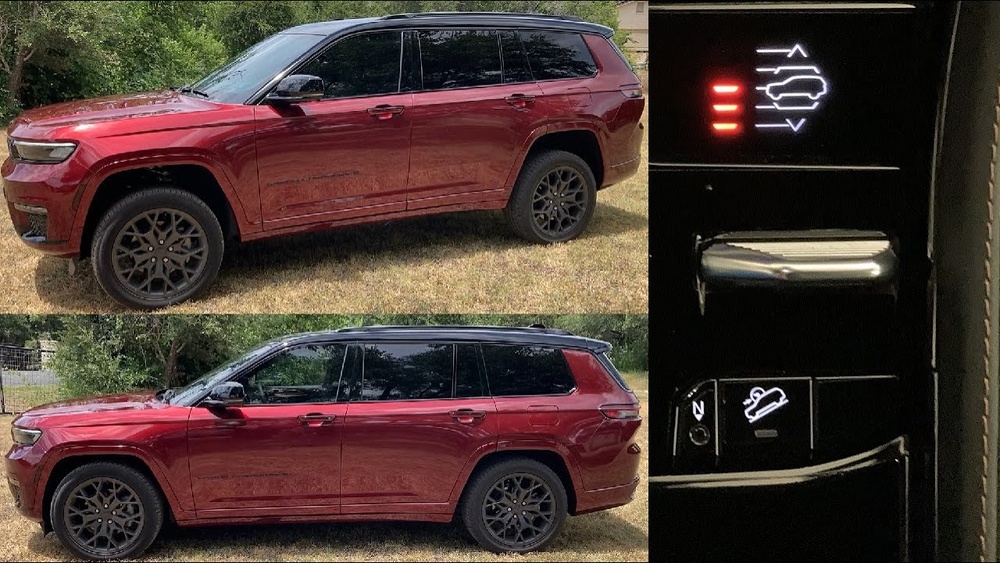
You can choose from several ride heights, including:
- Normal Ride Height (NRH): Everyday driving, balanced comfort and handling.
- Off-Road 1 and 2: Raises the vehicle for extra ground clearance on rough terrain.
- Park Mode: Lowers the SUV for easy entry, exit, or loading.
- Aero Mode: Lowers the vehicle at highway speeds to improve aerodynamics and fuel efficiency.
This flexibility makes the Overland an ideal choice for both city driving and weekend adventures.
How Air Suspension Improves Driving Experience
The Quadra-Lift system transforms how the Grand Cherokee Overland handles different roads. For example, on highways, the Aero Mode improves stability and reduces wind resistance, which can boost fuel economy. In the city, the system absorbs bumps and potholes, making each ride smoother.
Off-road, the air suspension shines. By lifting the SUV up to 10. 8 inches (about 274 mm) of ground clearance, it easily clears rocks, mud, and snow. This feature is especially helpful if you live in areas with rough weather or love exploring off the beaten path.
Here’s a quick comparison of the main ride heights and their uses:
| Mode | Ground Clearance | Main Use |
|---|---|---|
| Park Mode | 6.5 in (165 mm) | Easy entry/exit |
| Normal Ride Height | 8.3 in (211 mm) | Daily driving |
| Off-Road 1 | 9.9 in (251 mm) | Mild off-roading |
| Off-Road 2 | 10.8 in (274 mm) | Serious off-roading |
| Aero Mode | 7.9 in (201 mm) | Highway driving |
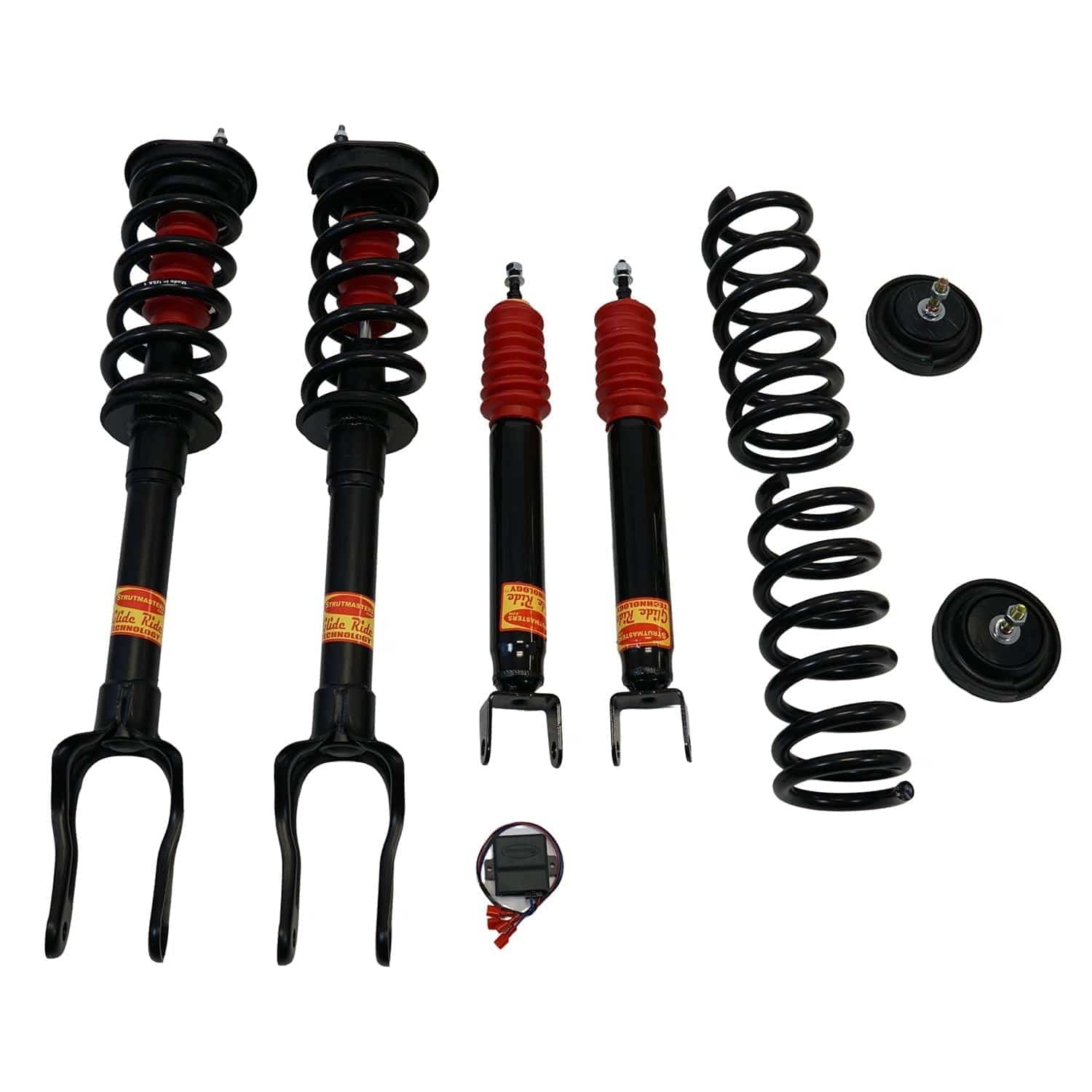
Pros And Cons Of Air Suspension
While air suspension delivers comfort and versatility, it’s important to understand both strengths and weaknesses.
Advantages
- Adjustable ride height: Tackle any road or terrain by raising or lowering the SUV.
- Smooth ride: Absorbs shocks and vibrations, reducing driver fatigue.
- Better handling: Lowering the vehicle at speed improves stability.
- Easy loading: Park Mode makes it simple to load cargo or help passengers in and out.
Disadvantages
- Higher repair costs: Air suspension components can be more expensive to fix than traditional springs.
- Potential air leaks: Over time, air lines or bags may develop leaks, especially in harsh climates.
- Complexity: More parts mean more things that can go wrong, requiring skilled service.
Here’s a side-by-side look at air suspension versus traditional coil springs:
| Feature | Air Suspension | Coil Springs |
|---|---|---|
| Adjustable Height | Yes | No |
| Ride Comfort | Excellent | Good |
| Repair Cost | High | Lower |
| Off-Road Ability | Superior | Standard |
Common Issues And Maintenance Tips
The air suspension in the Grand Cherokee Overland is reliable, but like any advanced system, it requires proper care. Here are a few issues and tips:
- Air leaks: Hoses and bags may dry out or crack, especially in cold climates. Look for warning lights or uneven ride height.
- Compressor failure: The air compressor can wear out, leading to slow or no height adjustments.
- Sensor problems: Height sensors sometimes fail, causing incorrect adjustments.
To extend the life of your system:
- Avoid driving in extreme off-road conditions for long periods.
- Keep the underbody clean, especially after winter or muddy drives.
- If you see a suspension warning light, have your SUV checked by a qualified technician right away.
One overlooked insight: many drivers ignore the suspension filter. This small part traps dirt and moisture but can clog over time. Replacing it every few years prevents bigger problems.

Real-world Experience: What Owners Say
Many Overland owners praise the quiet, plush ride and the confidence the air suspension gives in bad weather or off-road situations. Parents often mention how easy it is for kids or elderly family members to get in and out. However, some report higher maintenance costs after 60,000 miles (about 96,500 km), especially in snowy states where road salt speeds up wear.
A unique benefit: If you tow a trailer, air suspension keeps the SUV level. The system automatically compensates for the extra weight, so handling stays safe and stable.
Is The Overland Air Suspension Worth It?
If you value comfort, flexibility, and plan to use your Grand Cherokee for a mix of city and adventure driving, the air suspension is a smart choice. It’s especially useful if you:
- Drive in areas with rough roads or snow
- Need an SUV that’s easy for all ages to enter
- Want to keep your vehicle level while towing
For buyers focused on low long-term costs, consider the possible need for repairs after several years. Still, most owners agree the benefits far outweigh the drawbacks, especially compared to traditional spring setups.
For more technical details, see the official Jeep Overland page: Jeep Grand Cherokee Official Site.
Frequently Asked Questions
<!– wp:rank-math/faq-block {"questions":[{"id":"faq-question-70dab18e8f86","title":"How Does Quadra-lift Air Suspension Work?","content":"The system uses air springs and electronic controls to automatically change the vehicle’s height. You can also adjust it manually using buttons inside the SUV.
“,”visible”:true},{“id”:”faq-question-fc5e196f85fb”,”title”:”Can You Drive With A Broken Air Suspension?”,”content”:”It’s not recommended. A failed air suspension can cause unsafe handling and damage other parts. If you see a warning light, get it checked as soon as possible.
“,”visible”:true},{“id”:”faq-question-7c6477282b77″,”title”:”How Often Does Air Suspension Need Service?”,”content”:”Most systems last several years with normal use. Check hoses and the compressor every 12 months, especially in harsh climates.
“,”visible”:true},{“id”:”faq-question-8b41904f5bc9″,”title”:”Is Air Suspension Good For Towing?”,”content”:”Yes. The system levels the vehicle automatically when you attach a trailer, improving safety and stability.
“,”visible”:true},{“id”:”faq-question-9bdb221a1e02″,”title”:”What Is The Cost To Repair Jeep Grand Cherokee Air Suspension?”,”content”:”Repairs can range from $500 for a minor leak to over $2,000 for a full replacement of air springs or the compressor.
The Jeep Grand Cherokee Overland’s air suspension takes comfort and capability to another level. With smart use and regular care, it’s a feature that can give you a smoother, safer ride for years to come.
“,”visible”:true}]} –>How Does Quadra-lift Air Suspension Work?
The system uses air springs and electronic controls to automatically change the vehicle’s height. You can also adjust it manually using buttons inside the SUV.
Can You Drive With A Broken Air Suspension?
It’s not recommended. A failed air suspension can cause unsafe handling and damage other parts. If you see a warning light, get it checked as soon as possible.
How Often Does Air Suspension Need Service?
Most systems last several years with normal use. Check hoses and the compressor every 12 months, especially in harsh climates.
Is Air Suspension Good For Towing?
Yes. The system levels the vehicle automatically when you attach a trailer, improving safety and stability.
What Is The Cost To Repair Jeep Grand Cherokee Air Suspension?
Repairs can range from $500 for a minor leak to over $2,000 for a full replacement of air springs or the compressor.
The Jeep Grand Cherokee Overland’s air suspension takes comfort and capability to another level. With smart use and regular care, it’s a feature that can give you a smoother, safer ride for years to come.