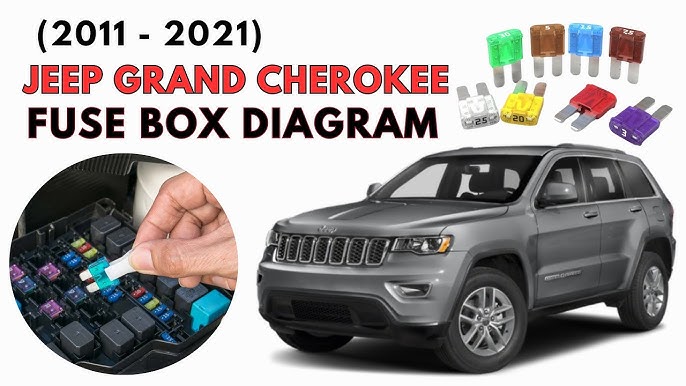
The Jeep Grand Cherokee is known for its rugged performance and advanced features, but even the toughest vehicles rely on small components like fuses to keep everything running smoothly. Understanding the fuse layout can save you time, money, and stress when dealing with electrical issues.
This guide breaks down the fuse box layout, explains how to identify and replace fuses, and shares tips that even experienced owners sometimes overlook.
Why The Fuse Layout Matters
Fuses act as guardians for your vehicle’s electrical system. When something goes wrong—like a short circuit or power surge—the fuse blows to protect sensitive electronics. Knowing your Jeep Grand Cherokee’s fuse layout helps you:
- Quickly locate and fix electrical problems
- Avoid unnecessary trips to the mechanic
- Replace only what’s needed, saving money
Missing or choosing the wrong fuse can lead to more serious problems. For example, a failed radio fuse might also affect your backup camera or navigation system.
Main Fuse Boxes In The Jeep Grand Cherokee
Most modern Grand Cherokees have two main fuse boxes:
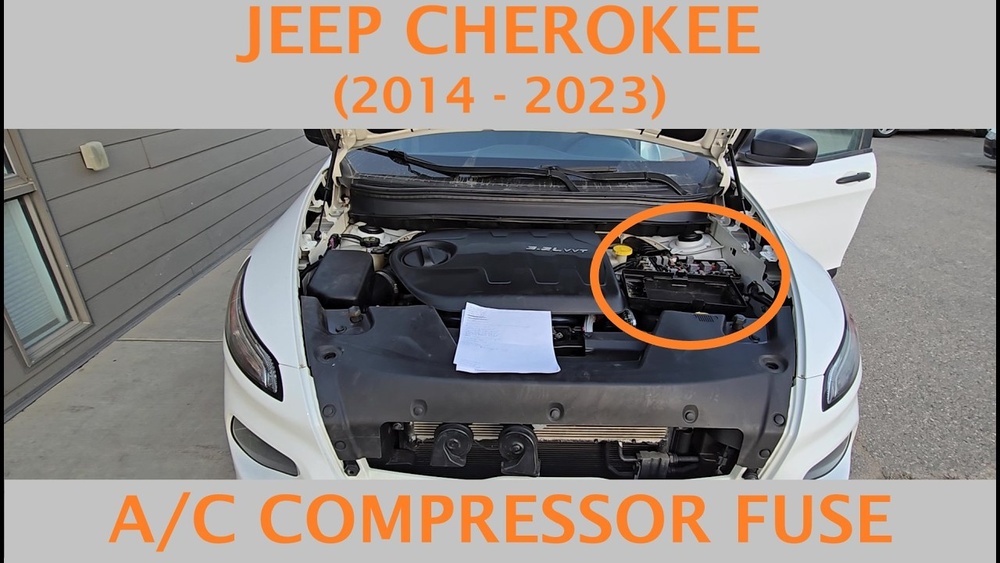
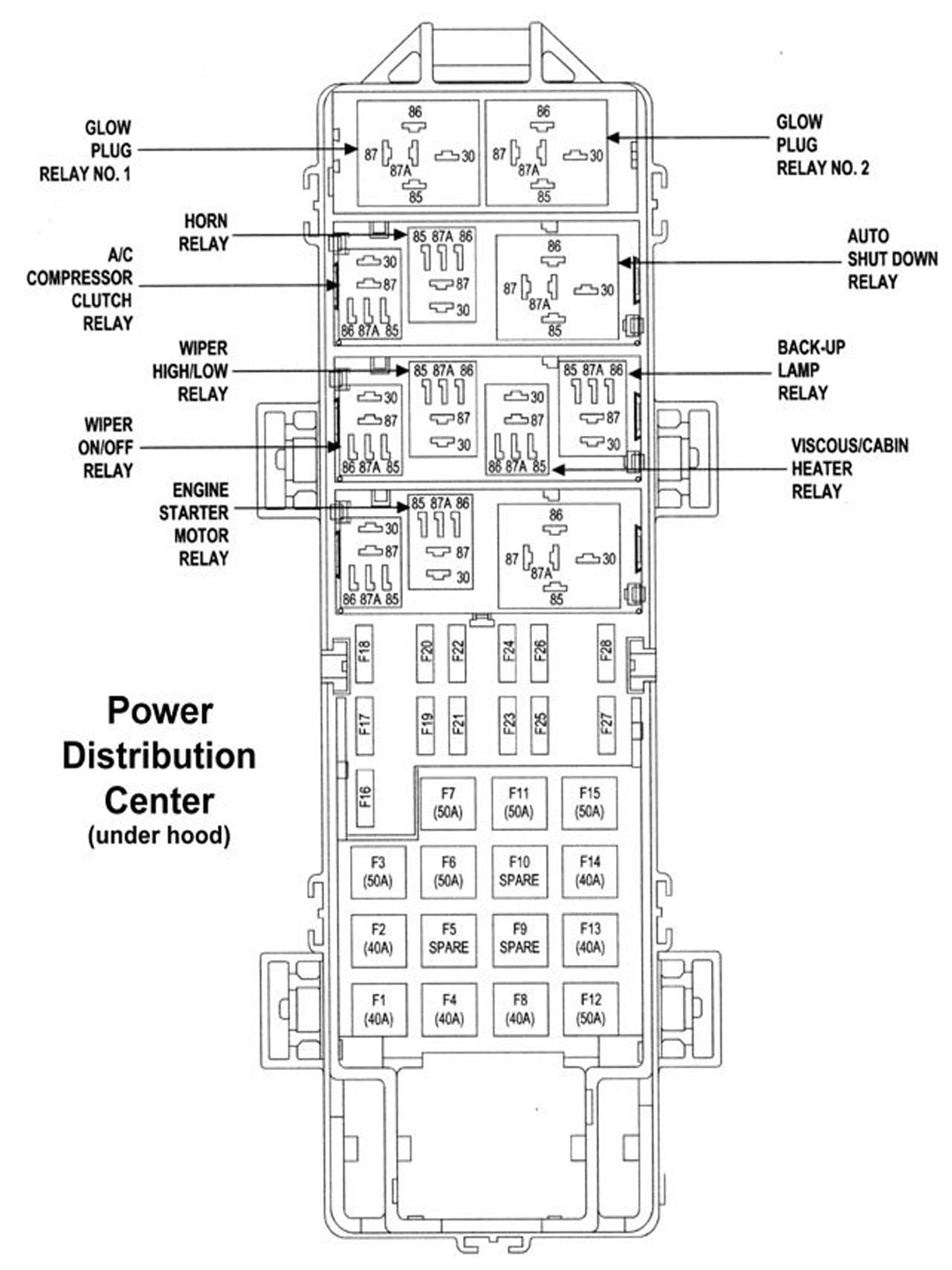
- Power Distribution Center (PDC): Located under the hood, this box handles high-power components like the engine, cooling fans, and ABS.
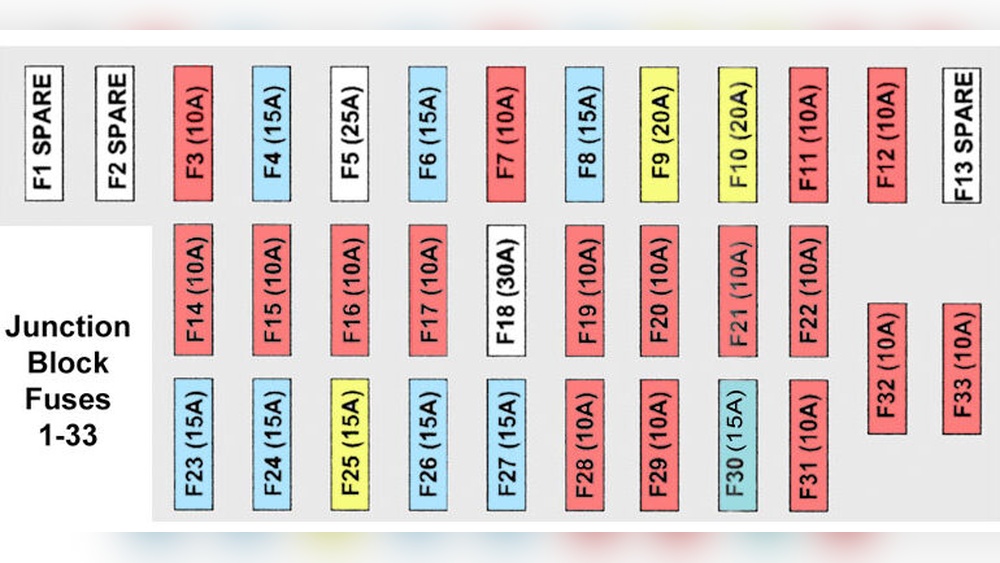
- Interior Fuse Box: Found under the dashboard on the passenger side, it manages lower-voltage systems like lights, windows, and infotainment.
Some older models may have additional small fuse blocks, but these two are the most important for most owners.
| Fuse Box Location | Main Functions | Typical Fuse Ratings |
|---|---|---|
| Under Hood (PDC) | Engine, ABS, Headlights | 20A–60A |
| Passenger Cabin | Windows, Radio, Interior Lights | 5A–20A |
Typical Fuse Layout By Model Year
The exact layout can change based on model year and trim. However, some fuses are almost always in the same spot. Here’s a simplified example for 2014–2026 Grand Cherokees:
| Fuse Number | Protected System | Fuse Rating |
|---|---|---|
| F11 | Power Windows | 25A |
| F13 | Audio System | 20A |
| F16 | Sunroof | 20A |
| F19 | Heated Seats | 15A |
| F21 | Horn | 15A |
Always check your specific owner’s manual or the diagram inside the fuse box cover for the most accurate information.
How To Identify And Replace A Blown Fuse
Replacing a fuse is usually a quick job:
- Turn off the ignition and all electronics.
- Open the correct fuse box (usually labeled).
- Use the diagram to find the fuse for the malfunctioning system.
- Pull the fuse out using the provided tool or needle-nose pliers.
- Check if the metal strip inside is broken. If yes, it’s blown.
- Replace with a fuse of the exact same rating.
Pro tip: Always keep a few spare fuses in your glove box—common ratings are 10A, 15A, and 20A.
Common Mistakes To Avoid
- Never use a higher-rated fuse “just to get by.” This can damage wiring or start a fire.
- Check why the fuse blew before replacing it. Sometimes, a faulty component keeps blowing new fuses.
Special Fuses And Relays
Not all fuses are equal. Some slots hold relays instead of fuses. Relays control larger electrical loads with a small switch. For example, the starter and fuel pump often use relays. These are usually square or rectangular and can be swapped if a specific system stops working.
| Component | Fuse or Relay? | Location Example |
|---|---|---|
| Starter Motor | Relay | PDC (Under Hood) |
| Radio | Fuse | Interior Box |
| Power Seats | Fuse & Relay | Both Boxes |
Non-obvious Insights For Owners
Many owners forget that some fuses power multiple systems. If your radio and backup camera both stop, they likely share a fuse. Also, some features like cigarette lighters or USB ports may have their own tiny fuses, separate from other interior power outlets.
Another detail: the “ignition off draw” (IOD) fuse protects circuits that need to stay active when the car is off, like the alarm and memory settings. If you remove it while troubleshooting, you might reset the clock or lose radio presets.
When To Seek Professional Help
If you replace a fuse and it blows again immediately, this signals a deeper problem—maybe a short circuit or failed component. Don’t keep swapping fuses, as this can cause more damage. Also, if you see melted plastic or smell burning, call a mechanic right away.
For more details, you can check the official Jeep Owners Manual for your model year.
Frequently Asked Questions
<!– wp:rank-math/faq-block {"questions":[{"id":"faq-question-06d0ce42f47b","title":"What Tools Do I Need To Change A Fuse In The Jeep Grand Cherokee?","content":"You usually need only a fuse puller or needle-nose pliers. Most fuse boxes include a simple puller. No advanced tools are required.
“,”visible”:true},{“id”:”faq-question-ea78f24bd334″,”title”:”Can I Use A Fuse With A Higher Amp Rating If I’m Stuck?”,”content”:”No, always use the exact amp rating specified. Using a higher rating risks damaging your vehicle’s wiring or starting a fire.
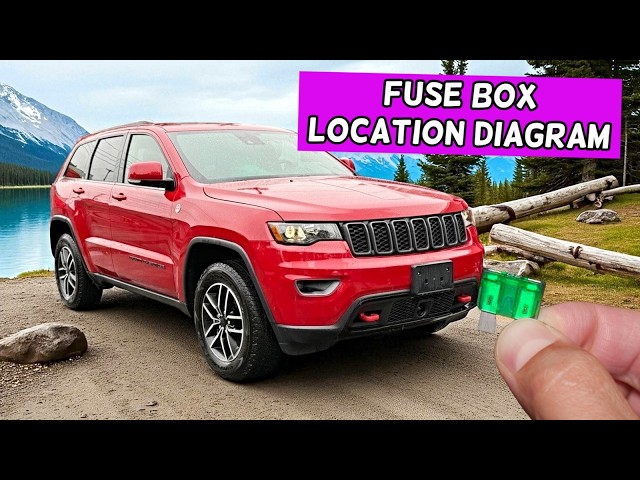
“,”visible”:true},{“id”:”faq-question-e18b74e96bb5″,”title”:”Where Can I Find The Fuse Diagram For My Grand Cherokee?”,”content”:”The fuse diagram is typically printed on the inside of the fuse box cover. It’s also shown in your owner’s manual or on Jeep’s official website.
“,”visible”:true},{“id”:”faq-question-9c3bd35d86b3″,”title”:”What Should I Do If A New Fuse Blows Immediately?”,”content”:”Stop replacing fuses and have the circuit checked by a professional. There’s likely a short circuit or faulty device causing the problem.
“,”visible”:true},{“id”:”faq-question-9d2466564b05″,”title”:”Are Relays And Fuses Interchangeable?”,”content”:”No, relays are not the same as fuses. Relays are switches, while fuses are safety devices. They fit differently and serve separate functions.
The right knowledge about your Jeep Grand Cherokee fuse layout makes electrical problems less intimidating. With the right approach, you’ll fix small issues quickly and keep your vehicle in top shape. Always double-check the diagram for your specific model and never guess on fuse ratings. This attention to detail can prevent bigger problems down the road.
“,”visible”:true}]} –>What Tools Do I Need To Change A Fuse In The Jeep Grand Cherokee?
You usually need only a fuse puller or needle-nose pliers. Most fuse boxes include a simple puller. No advanced tools are required.
Can I Use A Fuse With A Higher Amp Rating If I’m Stuck?
No, always use the exact amp rating specified. Using a higher rating risks damaging your vehicle’s wiring or starting a fire.
Where Can I Find The Fuse Diagram For My Grand Cherokee?
The fuse diagram is typically printed on the inside of the fuse box cover. It’s also shown in your owner’s manual or on Jeep’s official website.
What Should I Do If A New Fuse Blows Immediately?
Stop replacing fuses and have the circuit checked by a professional. There’s likely a short circuit or faulty device causing the problem.
Are Relays And Fuses Interchangeable?
No, relays are not the same as fuses. Relays are switches, while fuses are safety devices. They fit differently and serve separate functions.
The right knowledge about your Jeep Grand Cherokee fuse layout makes electrical problems less intimidating. With the right approach, you’ll fix small issues quickly and keep your vehicle in top shape. Always double-check the diagram for your specific model and never guess on fuse ratings. This attention to detail can prevent bigger problems down the road.