If your Jeep Grand Cherokee 4. 7 is running hot or losing coolant, a failing radiator could be the cause.
Replacing the radiator might sound complex, but with careful steps, you can handle it yourself or understand what your mechanic is doing. This guide walks you through the process, highlights key parts, and gives practical tips for a smooth replacement.
Signs Your Radiator Needs Replacement
The radiator is vital for engine cooling. When it fails, your Grand Cherokee may show clear warning signs:
- Engine temperature rising above normal
- Coolant leaks under the vehicle
- Sludge or rust in the coolant
- Sweet smell from the engine bay
- Low coolant levels without visible leaks
Ignoring these signs risks engine overheating and expensive repairs. Always inspect your radiator if these symptoms appear.
Tools And Materials Needed
To replace the radiator, prepare these items:
- New radiator (compatible with 4.7L engine)
- Coolant (about 2-3 gallons, check owner’s manual)
- Screwdrivers (flat and Phillips)
- Pliers
- Socket set and ratchet
- Drain pan
- Safety gloves and eyewear
Optional but helpful: a funnel for refilling coolant, hose clamp pliers, and new radiator hoses if the old ones are worn.
Step-by-step Radiator Replacement
1. Draining The Coolant
Let the engine cool completely. Open the hood and locate the radiator drain plug at the bottom. Place a drain pan under it, then carefully open the plug. Allow all coolant to flow out. Dispose of old coolant safely; it’s hazardous to pets and the environment.
2. Removing The Old Radiator
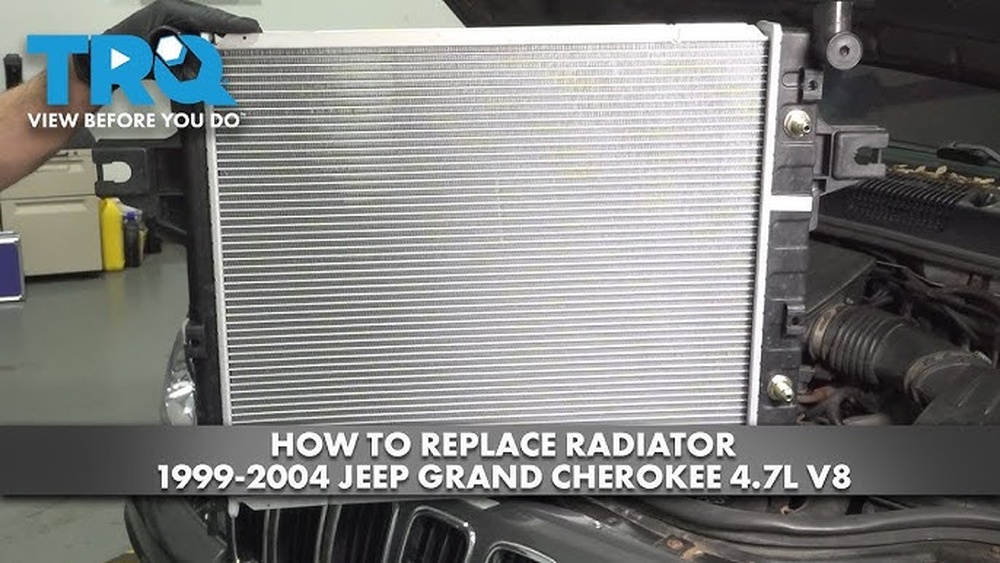
Disconnect the negative battery cable first for safety. Remove the plastic radiator cover (if present) by taking out the push pins. Detach the upper and lower radiator hoses using pliers. If you see transmission cooler lines connected, use a line wrench to avoid damage.
Unplug the fan electrical connector and remove the fan assembly. Next, unscrew the radiator mounting bolts and gently lift out the old radiator. Be careful not to damage the A/C condenser behind the radiator.
3. Installing The New Radiator
Compare the new radiator with the old one to ensure a match. Lower the new radiator into place, aligning it with the mounting points. Secure it with bolts. Reconnect the fan assembly and plug in the electrical connector. Attach the upper and lower hoses, plus any transmission cooler lines.
Check hose clamps for tightness. Loose clamps can cause leaks under pressure.
4. Refilling And Bleeding The System
Close the drain plug. Slowly pour new coolant into the radiator using a funnel. Fill the overflow reservoir to the recommended level. Start the engine and let it idle with the radiator cap off. Watch for air bubbles—this is air escaping the system.
When bubbles stop, top off with more coolant if needed. Replace the radiator cap. Let the engine reach normal temperature and check for leaks or overheating.
Key Components To Inspect
Replacing the radiator is a good time to check these parts:
1. Radiator Hoses
Old hoses can crack or bulge. Replace them if they are soft, brittle, or swollen.
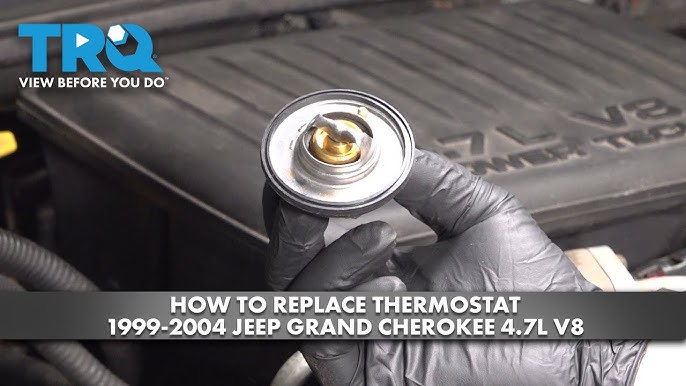
2. Thermostat
A stuck thermostat can cause overheating even with a new radiator. Test or replace it if you notice temperature problems.
3. Cooling Fans
Electric fans must spin freely and kick on at the right temperature. Clean or replace faulty fans for best cooling.
4. Water Pump
If you see leaks under the water pump or hear grinding noises, it may need service. A healthy pump ensures coolant flows efficiently.
Comparison: Oem Vs. Aftermarket Radiators
Choosing the right radiator matters for long-term performance. Here’s a comparison:
| Feature | OEM Radiator | Aftermarket Radiator |
|---|---|---|
| Fitment | Perfect match | May need adjustments |
| Warranty | Often 1-2 years | Varies, sometimes lifetime |
| Cost | Higher | Lower |
| Material Quality | OEM standards | Varies by brand |
Most drivers choose OEM for worry-free fit, but quality aftermarket radiators are also reliable if you pick a trusted brand.
Time, Cost, And Difficulty
Radiator replacement takes about 2-4 hours for first-timers. Mechanics may charge $500-$900 including parts and labor. Doing it yourself can save $300-$500, but requires patience and care.
| Factor | DIY | Professional |
|---|---|---|
| Cost | $150-$400 | $500-$900 |
| Time | 2-4 hours | 1.5-2 hours |
| Skill Level | Moderate | Expert |
Common Mistakes To Avoid
- Forgetting to disconnect the battery before starting
- Mixing old and new coolant types
- Not tightening hose clamps fully
- Leaving air in the cooling system (leads to overheating)
- Damaging the A/C condenser during removal
Take your time and double-check each connection.
Practical Tips For Success
- Always let your engine cool before starting.
- Take clear photos before disconnecting parts to help with reassembly.
- Label bolts and small parts in bags to avoid confusion.
- Use only the coolant type recommended for your Jeep Grand Cherokee 4.7.
- Inspect belts and pulleys while the fan assembly is off.
When To Seek Professional Help
If you lack tools or experience, or if your radiator is tightly packed with other components, a professional can ensure the job is done right. Complicated leaks, such as those involving the heater core or head gasket, also require expert diagnosis.
For more technical details and diagrams, visit the official Jeep Support page.
Frequently Asked Questions
<!– wp:rank-math/faq-block {"questions":[{"id":"faq-question-86eed9889097","title":"How Often Should I Replace The Radiator In My Grand Cherokee 4.7?","content":"Radiators typically last 8-10 years or about 100,000 miles. Replace sooner if you see leaks, corrosion, or overheating.
“,”visible”:true},{“id”:”faq-question-87557bb1b27f”,”title”:”Can I Drive With A Leaking Radiator?”,”content”:”Driving with a leaking radiator is risky. Low coolant can cause rapid engine overheating and permanent damage.
“,”visible”:true},{“id”:”faq-question-0acb159ddb1c”,”title”:”Do I Need To Replace The Thermostat With The Radiator?”,”content”:”It’s wise to replace the thermostat during a radiator swap, especially if your Jeep has over 100,000 miles or previous overheating issues.
“,”visible”:true},{“id”:”faq-question-6013e3b41926″,”title”:”What Coolant Is Best For The 4.7 Grand Cherokee?”,”content”:”Use the coolant type specified in your owner’s manual. Most models require HOAT (Hybrid Organic Acid Technology) coolant for optimal protection.
“,”visible”:true},{“id”:”faq-question-d5a7f4037221″,”title”:”What If My Engine Still Overheats After Replacement?”,”content”:”Check for trapped air, a faulty thermostat, bad water pump, or clogged heater core. Persistent overheating needs further diagnosis.
By following these steps and tips, you can confidently tackle radiator replacement on your Jeep Grand Cherokee 4.7, keeping your engine cool and your vehicle reliable.
“,”visible”:true}]} –>How Often Should I Replace The Radiator In My Grand Cherokee 4.7?
Radiators typically last 8-10 years or about 100,000 miles. Replace sooner if you see leaks, corrosion, or overheating.
Can I Drive With A Leaking Radiator?
Driving with a leaking radiator is risky. Low coolant can cause rapid engine overheating and permanent damage.
Do I Need To Replace The Thermostat With The Radiator?
It’s wise to replace the thermostat during a radiator swap, especially if your Jeep has over 100,000 miles or previous overheating issues.
What Coolant Is Best For The 4.7 Grand Cherokee?
Use the coolant type specified in your owner’s manual. Most models require HOAT (Hybrid Organic Acid Technology) coolant for optimal protection.
What If My Engine Still Overheats After Replacement?
Check for trapped air, a faulty thermostat, bad water pump, or clogged heater core. Persistent overheating needs further diagnosis.
By following these steps and tips, you can confidently tackle radiator replacement on your Jeep Grand Cherokee 4.7, keeping your engine cool and your vehicle reliable.