The Jeep Cherokee Trailhawk is known for its off-road abilities and rugged style. For many owners, the exhaust system is more than just a way to release engine gases—it's a key part of the vehicle's performance and sound.
Whether you want more power, a deeper growl, or better fuel efficiency, understanding the Trailhawk’s exhaust system is essential.
Upgrading or maintaining your exhaust can be confusing, especially with so many options and technical terms. This guide breaks down what matters, from how the exhaust works to tips for choosing the best setup. If you want to get the most from your Trailhawk, keep reading.
What Makes The Trailhawk Exhaust System Unique?
The Trailhawk trim stands out from regular Cherokee models. Its exhaust system is designed to handle tough terrain and water crossings, thanks to the higher ground clearance and unique routing.
The system is typically made from stainless steel for durability. It features a single or dual outlet, depending on the engine. The tips are often tucked up and angled for maximum clearance, reducing the risk of damage off-road.
One detail beginners often miss: the Trailhawk’s exhaust is tuned for a balance between quiet operation on the road and a sporty tone under load. This means it won’t sound as aggressive as some aftermarket systems but delivers a refined growl.
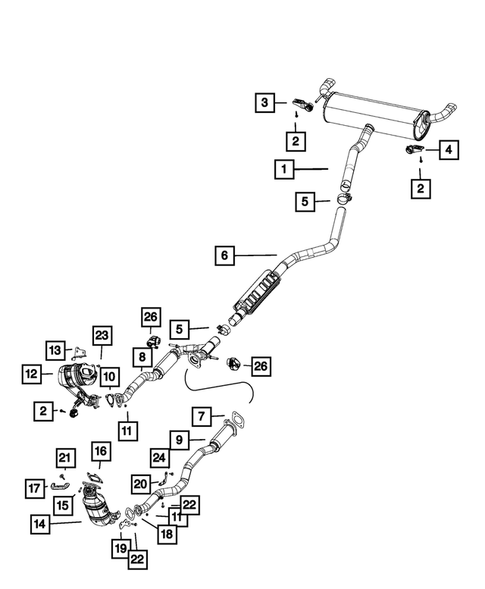
Key Parts Of The Trailhawk Exhaust
Understanding the main parts will help you make better decisions when upgrading:
- Exhaust Manifold: Collects exhaust gases from the engine.
- Catalytic Converter: Reduces harmful emissions.
- Resonator: Helps tune the sound, often smoothing out harsh notes.
- Muffler: Controls the final sound and reduces noise.
- Exhaust Tip: The visible part; in the Trailhawk, it’s usually hidden for protection.
Small changes to any of these can affect noise, performance, and emissions.
Benefits Of Upgrading The Exhaust
Upgrading your Trailhawk’s exhaust isn’t just about sound. Here’s what you might gain:
- More horsepower: Freer-flowing exhausts reduce back pressure, helping the engine breathe.
- Better fuel economy: Some owners report 2-3% improvements, though results vary.
- Improved sound: Options range from mild to aggressive, based on personal taste.
- Longer life: High-quality aftermarket systems often use better materials than factory parts.
But, not every upgrade is a win. Some can make the cabin drone, or even lower ground clearance if installed poorly.
Comparing Stock Vs. Aftermarket Exhausts
Here’s a quick comparison to see what’s different between the Trailhawk’s stock exhaust and common aftermarket systems:
| Feature | Stock Exhaust | Aftermarket Exhaust |
|---|---|---|
| Material | Stainless/aluminized steel | Stainless steel, titanium |
| Sound Level | Moderate/quiet | Louder, deeper |
| Performance | Balanced | Optimized for power |
| Warranty Impact | None | Possible (check brand/dealer) |
| Price Range | Included | $350 – $1,200+ |
Most Trailhawk owners choose aftermarket exhausts for a stronger sound and better performance, but you should always consider the downsides, like increased noise or potential warranty issues.
How To Choose The Right Exhaust For Your Trailhawk
Picking the best exhaust is not just about the loudest option. Here’s what matters:
- Fit and Clearance: Make sure the system doesn’t hang too low. Off-roaders need high-clearance exhausts to avoid damage.
- Material Quality: Look for 304 stainless steel for the best rust resistance, especially if you drive in wet or salty areas.
- Sound Preference: Some brands are famous for deep rumble; others for a sporty tone. Listen to real-life sound clips before buying.
- Legal Compliance: Check local laws. Some states limit noise levels or require CARB compliance.
- Budget: Expensive doesn’t always mean better. Focus on brands with good reviews from Jeep owners.
A common mistake: choosing a “universal fit” system. These often require cutting or welding, which can weaken the setup. Always pick a model designed for the Jeep Cherokee Trailhawk.
Popular Exhaust Brands For The Trailhawk
If you’re searching for trusted brands, consider these:
- MagnaFlow: Known for deep, smooth sound and quality materials.
- Borla: Offers aggressive tone and performance gains, with a lifetime warranty.
- Flowmaster: Popular for classic muscle sound, with options for moderate or aggressive volume.
- MBRP: Focuses on off-road durability and value pricing.
Each brand has its own sound profile and installation process. Reading reviews from other Trailhawk owners on forums or sites like Jeep’s official site can help you decide.
Installation: Diy Or Professional?
Installing an exhaust on the Trailhawk is easier than some vehicles but can still be tricky. Most systems are bolt-on, but rusted bolts or tight spaces under the Jeep can cause problems.
- DIY installation: Save money, but you need ramps, tools, and time.
- Professional installation: Quicker and ensures proper fit. Expect to pay $100–$250 for labor.
If you drive off-road, double-check that the new exhaust is secured tightly. Loose parts can rattle or get ripped off on rocks.
Exhaust System And Off-roading
The Trailhawk’s exhaust is built for tough trails. Aftermarket systems can improve power and sound, but they can also hang lower or get damaged if not designed for off-road use.
Look for these features:
- High tuck design: Keeps pipes close to the body.
- Skid plate compatibility: So pipes aren’t exposed.
- No rear exit: Some off-roaders prefer turn-down exhausts to avoid catching on obstacles.
A key insight: water crossings are safer with a well-sealed exhaust. Avoid systems with poor welds or loose clamps, as leaks can let water back into the engine.
Cost Breakdown: What To Expect
Exhaust prices depend on brand, material, and features. Here’s a rough guide:
| Type | Average Cost (Parts) | Average Install Cost |
|---|---|---|
| Axle-back | $350 – $650 | $100 – $200 |
| Cat-back | $500 – $1,200 | $120 – $250 |
| Full system | $900 – $2,000+ | $200 – $400 |
Most Trailhawk owners choose cat-back systems for a good balance of sound and performance.
Common Mistakes To Avoid
- Ignoring ground clearance: Low-hanging pipes are a risk off-road.
- Overlooking local laws: Noise tickets can be expensive.
- Skipping research: Not all systems fit every Trailhawk model year.
- Cheap materials: Mild steel rusts quickly in wet climates.
Always check fitment guides and owner reviews before buying.
Upgrading your Jeep Cherokee Trailhawk exhaust system is one of the best ways to customize your driving experience. With the right setup, you’ll enjoy a better sound, possible power gains, and a look that matches your Jeep’s rugged style. Take your time, do your homework, and remember—every Trailhawk is a little different. The best exhaust is the one that fits your needs and your adventures.
Frequently Asked Questions
<!– wp:rank-math/faq-block {"questions":[{"id":"faq-question-d7141a48c324","title":"What’s The Difference Between Axle-back And Cat-back Exhausts?","content":"Axle-back replaces just the muffler and tips, changing sound but not much performance. Cat-back replaces everything from the catalytic converter back, boosting sound and power.
“,”visible”:true},{“id”:”faq-question-0143ecef7289″,”title”:”Will An Aftermarket Exhaust Void My Jeep Warranty?”,”content”:”In most cases, only parts directly affected by the exhaust would lose coverage. Always check with your dealer first, as some brands are “warranty-friendly. ”
“,”visible”:true},{“id”:”faq-question-15074b7d51d2″,”title”:”How Much Louder Will My Trailhawk Get With A New Exhaust?”,”content”:”It depends on the brand and type. Most cat-back systems are 10–25% louder than stock. Some offer removable silencers for flexibility.
“,”visible”:true},{“id”:”faq-question-4fda64cca748″,”title”:”Can I Install An Exhaust System Myself At Home?”,”content”:”Yes, with the right tools and safety gear. However, rusted bolts or limited access can make it tough for beginners.
“,”visible”:true},{“id”:”faq-question-9b38de1e2c98″,”title”:”Do I Need A Tune After Installing A New Exhaust?”,”content”:”Usually, no tune is needed for axle-back or cat-back systems. Full systems or headers may benefit from tuning for best performance.
“,”visible”:true}]} –>What’s The Difference Between Axle-back And Cat-back Exhausts?
Axle-back replaces just the muffler and tips, changing sound but not much performance. Cat-back replaces everything from the catalytic converter back, boosting sound and power.
Will An Aftermarket Exhaust Void My Jeep Warranty?
In most cases, only parts directly affected by the exhaust would lose coverage. Always check with your dealer first, as some brands are “warranty-friendly. ”
How Much Louder Will My Trailhawk Get With A New Exhaust?
It depends on the brand and type. Most cat-back systems are 10–25% louder than stock. Some offer removable silencers for flexibility.
Can I Install An Exhaust System Myself At Home?
Yes, with the right tools and safety gear. However, rusted bolts or limited access can make it tough for beginners.
Do I Need A Tune After Installing A New Exhaust?
Usually, no tune is needed for axle-back or cat-back systems. Full systems or headers may benefit from tuning for best performance.