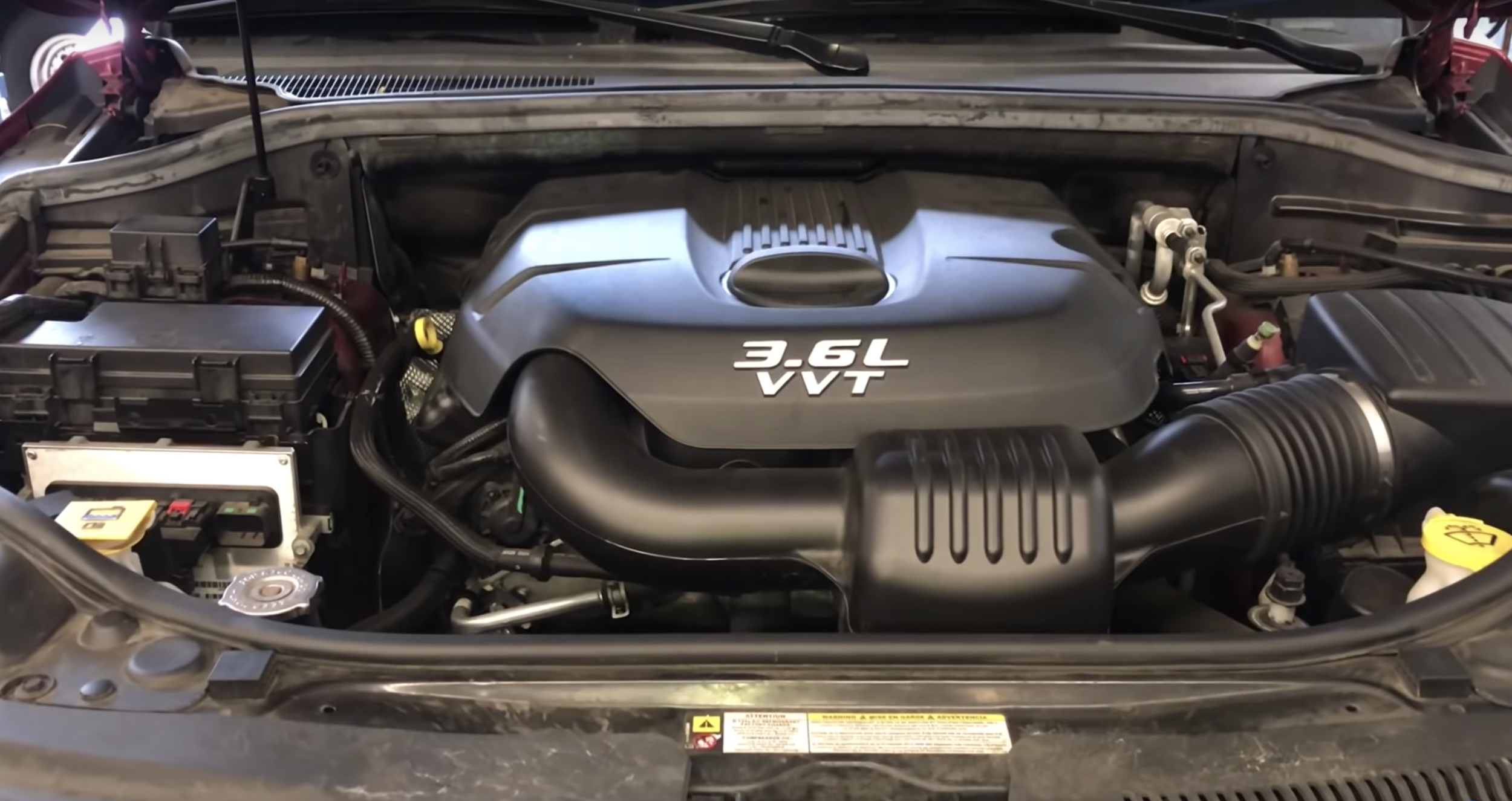
Owning a Jeep Grand Cherokee means enjoying rugged power, but it also means regular maintenance. One part that often needs attention is the oil pressure sensor.
When this sensor fails, it can cause misleading dashboard warnings, poor engine performance, and even risk engine damage. If you want to save money and fix this yourself, learning how to replace the oil pressure sensor is a smart move.
This guide explains the process clearly, with tips and examples to help even beginners feel confident.
Why The Oil Pressure Sensor Matters
The oil pressure sensor keeps track of your engine’s oil pressure and sends readings to your dashboard. If the sensor is faulty, you might see the “Check Engine” light or a wrong oil pressure reading. Driving with a bad sensor can make you miss real oil issues, risking costly engine repairs.
Signs Your Sensor Needs Replacement
- Oil pressure warning light stays on or flickers
- Erratic oil pressure readings
- Engine noise or rough running
- Oil leaks near the sensor
Many drivers ignore these signs, thinking it’s just a loose wire. But a failed sensor can mask real oil problems.
Always check and replace a bad sensor quickly.
Preparing For Replacement
Before starting, gather these tools and parts:
- New oil pressure sensor (compatible with your Grand Cherokee’s year/model)
- Socket wrench set
- Oil catch pan
- Shop towels
- Safety gloves
- Torque wrench
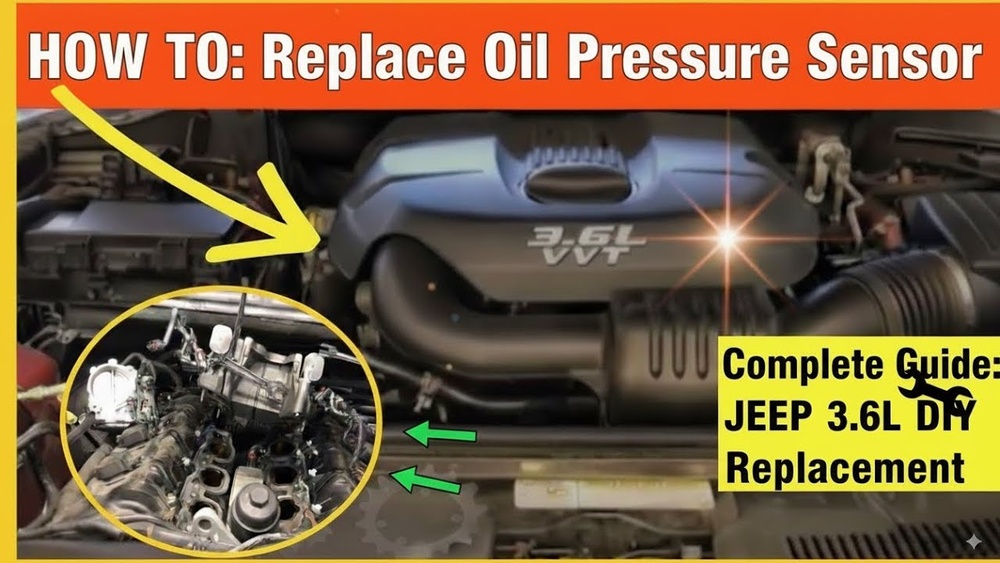
For most Jeep Grand Cherokee models (1999–2026), the sensor is located near the oil filter or at the engine block’s rear.
Safety Tips
- Let the engine cool for at least 30 minutes.
- Disconnect the battery to prevent electrical shorts.
- Have enough light to see under the hood.
Step-by-step Replacement Process
Follow these steps to replace the oil pressure sensor on your Jeep Grand Cherokee:
- Locate the Sensor
- Usually found close to the oil filter or behind the engine block.
- Disconnect the Battery
- Remove the negative terminal for safety.
- Remove Electrical Connector
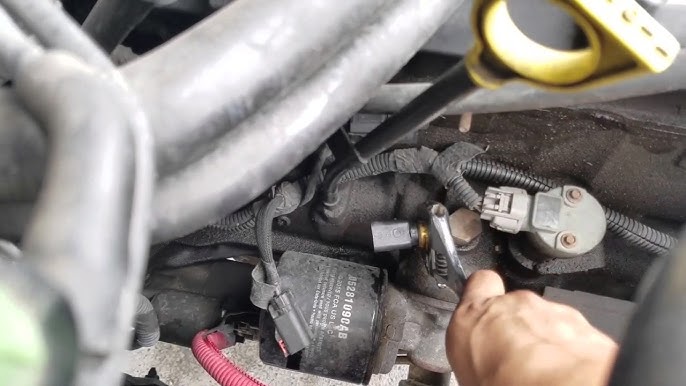
- Press the clip and gently pull the connector off the sensor.
- Unscrew the Old Sensor
- Use the correct socket; turn counterclockwise. Some oil may leak out.
- Clean the Area
- Wipe off oil and dirt to avoid contamination.
- Install the New Sensor
- Screw it in by hand, then tighten with a torque wrench (usually 15–20 ft-lbs).
- Reconnect the Connector
- Push until you hear a click.
- Reconnect the Battery
- Attach the negative terminal again.
- Start the Engine
- Check for leaks and ensure the oil pressure warning is gone.
Common Mistakes To Avoid
- Over-tightening the sensor can crack it or damage threads.
- Ignoring leaks after installation may lead to bigger engine problems.
- Using the wrong sensor (not matching your model/year) can cause false readings.
Comparing Sensor Quality And Price
Choosing the right sensor is important. Here’s a quick comparison of popular brands for Jeep Grand Cherokee oil pressure sensors:
| Brand | Average Price (USD) | Warranty | Compatibility |
|---|---|---|---|
| OEM Mopar | $40 | 12 Months | All Years |
| Dorman | $25 | Limited Lifetime | 1999–2026 |
| BWD | $30 | 12 Months | 2005–2026 |
OEM parts cost more but offer better fit and reliability. Aftermarket sensors are cheaper, but quality can vary.

Oil Pressure Sensor Location By Year
Different Grand Cherokee generations place the sensor in slightly different spots. Here’s a quick reference:
| Model Year | Sensor Location | Difficulty |
|---|---|---|
| 1999–2004 | Rear of engine block | Moderate |
| 2005–2010 | Above oil filter | Easy |
| 2011–2026 | Near oil cooler | Easy |
Knowing your model year helps you find the sensor faster and plan your approach.
Practical Tips For A Smooth Replacement
- Check for oil leaks after installation. A small leak can quickly become a big problem.
- Use OEM parts for best compatibility.
- Keep your vehicle maintenance log updated with the sensor replacement date.
- If unsure, watch a video guide or ask a mechanic for help.
- Don’t skip battery disconnect—electrical shorts can damage sensors.
Many beginners forget to clean the area before installing the new sensor. Dirt can cause false readings or leaks.
Also, some sensors need a special socket; check before you start.
Costs And Time Estimates
Replacing the oil pressure sensor yourself can save money. Here’s what to expect:
| Replacement Method | Estimated Cost | Time Required |
|---|---|---|
| DIY | $25–$60 | 30–60 minutes |
| Mechanic | $120–$200 | 1–2 hours |
Doing it yourself is much cheaper, but always double-check your work. A mechanic offers peace of mind, but at a higher price.
For more detailed technical information, you can visit Wikipedia.
Frequently Asked Questions
How Do I Know If My Jeep Grand Cherokee Oil Pressure Sensor Is Bad?
If you see the oil pressure warning light, notice strange oil pressure readings, or hear unusual engine noises, your sensor may be faulty. Also, check for oil leaks near the sensor.
Can I Drive With A Faulty Oil Pressure Sensor?
It’s not recommended. A bad sensor can hide real oil problems, leading to engine damage.
Replace it as soon as possible to keep your engine safe.
What Happens If I Install The Wrong Sensor?
A mismatched sensor can send false readings or cause dashboard errors. Always use a sensor that matches your model and year.
Is It Difficult To Replace The Oil Pressure Sensor Myself?
For most Grand Cherokee models, it’s a moderate task. With basic tools and careful steps, most owners can do it in under an hour.
Do I Need To Drain The Oil Before Replacing The Sensor?
Usually, you don’t need to drain all the oil. Place an oil catch pan under the sensor area to collect any small leaks during removal.
Replacing the oil pressure sensor on your Jeep Grand Cherokee is a simple job with a big impact. With the right tools, clear steps, and a little care, you can keep your engine running safely and avoid expensive repairs.
Taking charge of your vehicle’s maintenance can save time and money—and keep your Jeep ready for adventure.