The Jeep Grand Cherokee is known for its performance, reliability, and rugged style. But even the best vehicles need attention, and one warning light that drivers often see is the oil light.
If you drive a Grand Cherokee, understanding this light is essential for protecting your engine and avoiding expensive repairs. In this article, you’ll learn what the oil light means, why it turns on, how to respond, and how to prevent oil-related problems.
What Does The Oil Light Mean?
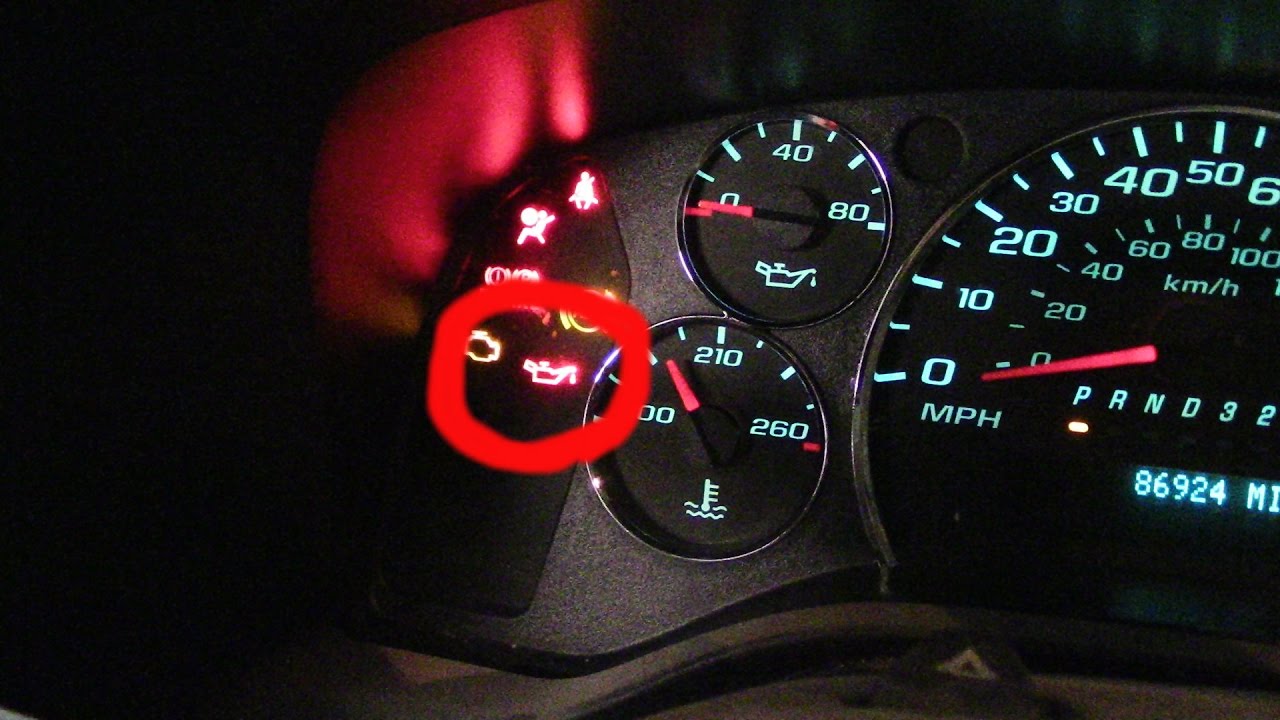
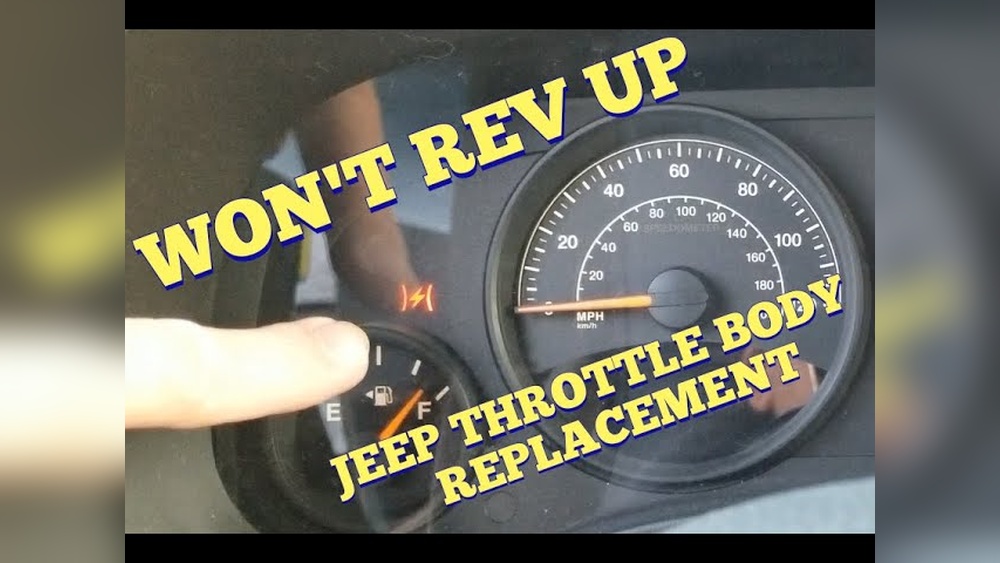
The oil light on your dashboard is a small icon that looks like an oil can. When it comes on, it signals a problem with your engine’s oil system. This could mean low oil level, low oil pressure, or even a faulty sensor. Ignoring this warning can lead to severe engine damage.
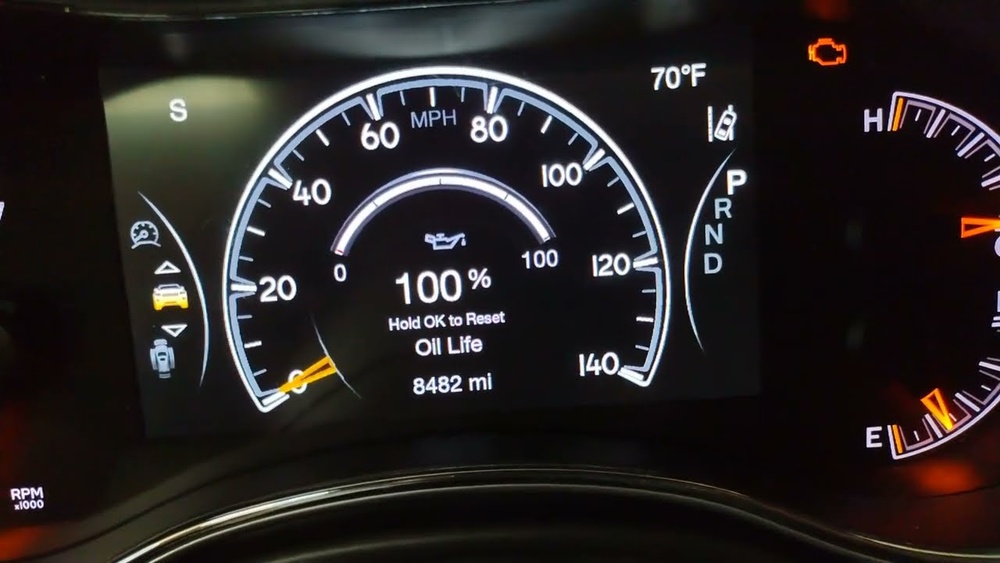
Many drivers confuse the oil light with the check engine light, but they are different. The oil light is specifically about oil pressure, not other engine issues.
Common Reasons The Oil Light Comes On
There are several reasons why the oil light in your Jeep Grand Cherokee might turn on:
- Low oil level – Not enough oil in the engine.
- Low oil pressure – The oil pump isn’t creating enough pressure.
- Old or dirty oil – Thick or dirty oil can block flow.
- Faulty oil pressure sensor – The sensor may give a false warning.
- Oil leaks – Oil escaping from the system.
- Worn engine parts – Parts like bearings can cause pressure drops.
A 2026 survey found that 40% of breakdowns in older SUVs involved oil-related problems. The Grand Cherokee is built tough, but it’s not immune.
What To Do When The Oil Light Comes On
If you see the oil light while driving, act quickly. Here’s a safe approach:
- Pull over safely as soon as you can.
- Turn off the engine to avoid damage.
- Check the oil level using the dipstick.
- Add oil if it’s low, using the type recommended in your owner’s manual.
- Restart the engine and check if the light goes off.
If the light stays on, do not keep driving. Call for roadside assistance or a tow.
Continuing to drive with low oil pressure can destroy the engine.
How To Check Oil In A Jeep Grand Cherokee
Checking your oil is simple but important. Follow these steps:
- Park on a level surface and turn off the engine.
- Wait a few minutes for the oil to settle.
- Open the hood and locate the oil dipstick.
- Pull out the dipstick, wipe it clean, reinsert, then pull out again.
- Check the oil level. It should be between the “MIN” and “MAX” lines.
If the oil is dirty or smells burnt, it’s time for an oil change.

How Often Should You Change Oil?
Jeep recommends changing the oil every 7,500 miles or every 12 months, whichever comes first, under normal driving conditions. For severe use (towing, extreme temperatures, or lots of stop-and-go driving), consider changing it every 5,000 miles.
Here’s a quick comparison of oil change intervals:
| Driving Condition | Recommended Interval |
|---|---|
| Normal | 7,500 miles |
| Severe | 5,000 miles |
Using synthetic oil can extend the interval, but always follow the owner’s manual.
What Type Of Oil Does The Grand Cherokee Use?
Most newer Grand Cherokees use SAE 5W-20 or 5W-30 oil, but always check your model year. Using the wrong oil can trigger the oil light or harm your engine.
Here’s a comparison of oil types for different Grand Cherokee engines:
| Engine | Recommended Oil | Oil Capacity (qt) |
|---|---|---|
| 3.6L V6 | SAE 5W-20 | 6.0 |
| 5.7L V8 | SAE 5W-20 | 7.0 |
| 6.4L V8 | SAE 0W-40 | 7.0 |
Double-check your owner’s manual for your exact model and year.
Preventing Oil Light Problems
A few simple habits can help you avoid oil light warnings:
- Check oil regularly (every 1,000 miles or monthly).
- Fix leaks quickly – even small leaks can cause big problems.
- Use quality oil filters – cheap filters can clog easily.
- Listen for engine noises – ticking or knocking can be early signs.
- Don’t ignore routine maintenance.
Many drivers forget that temperature changes affect oil performance. Extreme cold or heat can cause oil to thin or thicken, changing pressure and triggering the oil light.
When To See A Mechanic
If you’ve topped up your oil and the light stays on, or if you hear odd noises, see a trusted mechanic. Persistent oil light issues may mean:
- Failing oil pump
- Bad sensor or wiring
- Internal engine wear
Delaying repairs can turn a small fix into a costly rebuild.
Non-obvious Insights For Jeep Owners
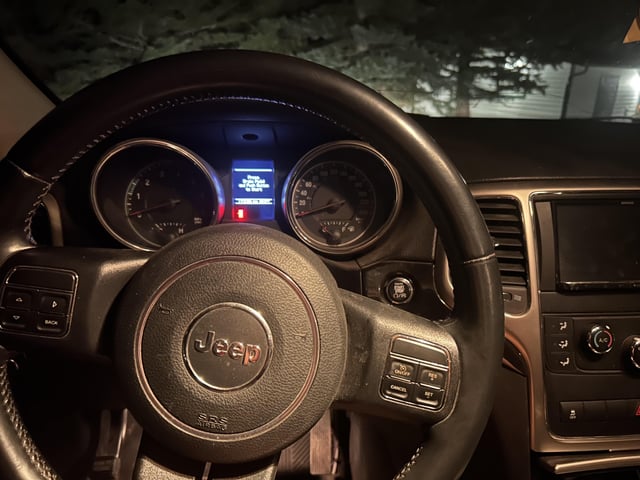
- The Grand Cherokee’s oil pressure sensor can sometimes fail before the engine develops real problems. If you change the oil and the light stays on, suspect the sensor, not just the oil.
- Many Grand Cherokee owners experience oil leaks from the oil cooler or valve cover gaskets after 60,000 miles. Inspect these areas if you see oil on the ground or the light flashes during sharp turns.
Frequently Asked Questions