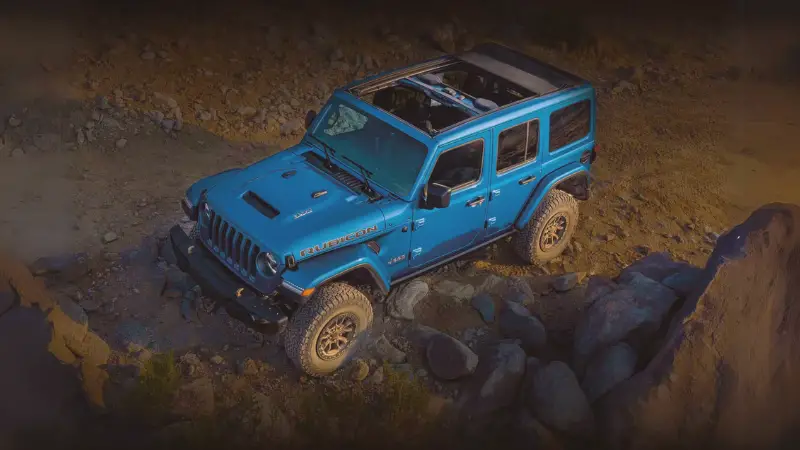
The Jeep Grand Cherokee Laredo with the 4.0 L 6-cylinder engine holds a special place in the world of SUVs. Known for its balance of power, reliability, and comfort, this engine powered many Grand Cherokees from the early 1990s into the 2000s. For drivers who value a mix of off-road capability and everyday usability, understanding each element of the 4.0 L 6-cylinder engine is key. This guide will walk you through 40 important features and aspects of this engine, offering insights for owners, buyers, and enthusiasts alike.
1. Engine Displacement
The 4.0-liter displacement means the engine’s cylinders can hold a total of 4 liters of air-fuel mixture. This size supports a strong balance between fuel economy and power, making it well-suited for a midsize SUV like the Grand Cherokee Laredo.
2. Inline-6 Configuration
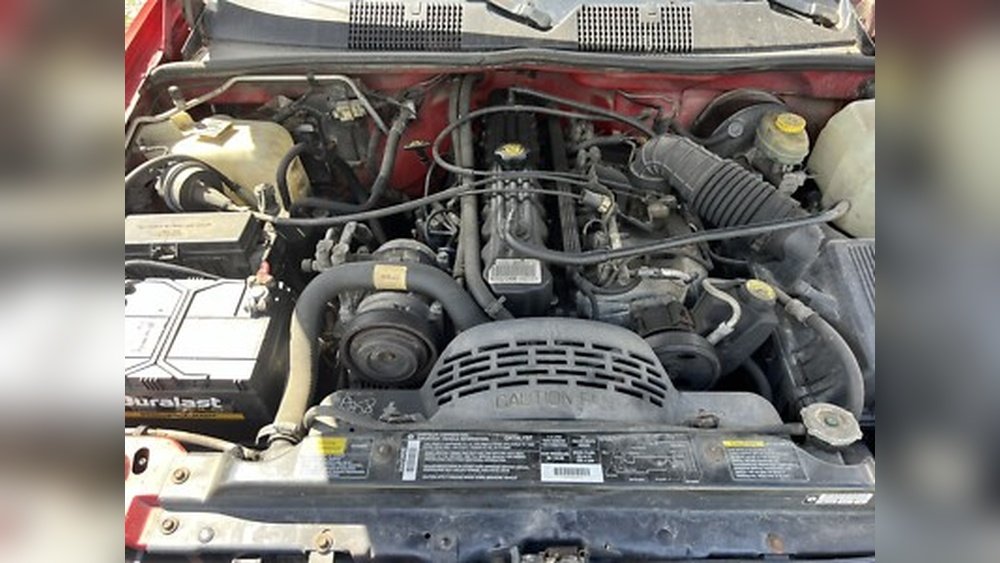
The engine uses an inline-6 layout. All six cylinders are arranged in a single straight line. This configuration is known for smooth operation and good torque, especially at low RPMs.
3. Horsepower Output
Most 4.0 L 6-cylinder Jeep engines in the Laredo trim produce around 190 horsepower. While not the highest in its class, this was plenty for daily driving and moderate off-road use.
4. Torque Production
One of the highlights is the 225 lb-ft of torque. This strong low-end torque helps with towing and climbing hills, and makes the SUV feel powerful at lower speeds.

5. Fuel Injection System
The engine uses multi-point fuel injection for precise fuel delivery. This improves efficiency, power, and emissions compared to older carbureted engines.
6. Iron Block Construction
A key to its durability is the cast iron engine block. Iron resists wear and handles heat well, making the engine last longer with proper care.
7. Aluminum Cylinder Head
The aluminum cylinder head helps reduce weight and improve cooling, which is important for both reliability and efficiency.
8. Overhead Valve (ohv) Design
This engine uses an overhead valve (OHV) setup, sometimes called a “pushrod” design. It’s simpler than modern overhead cam designs, but very rugged and easy to maintain.
9. Compression Ratio
The typical compression ratio is about 8.8:1. This allows the engine to run on regular unleaded gas while still producing good power.
10. Cooling System
It uses a liquid cooling system with a radiator and thermostat to keep temperatures stable, even during hard use or hot weather.
11. Oil Capacity
The oil capacity is around 6 quarts (with filter). This relatively high volume helps with cooling and lubrication.
12. Timing Chain
Unlike many engines that use a belt, the 4.0 L uses a timing chain. Chains last much longer and require less frequent replacement.
13. Electronic Ignition
This engine features electronic ignition for more reliable starting and better performance compared to older distributor systems.
14. Emissions Controls
A catalytic converter and oxygen sensors are standard, helping the engine meet emissions requirements and run cleanly.
15. Engine Management System
The engine control module (ECM) monitors and adjusts fuel, air, and spark to keep the engine running efficiently.
16. Intake Manifold
A tuned intake manifold is used to improve airflow into the cylinders, boosting power and fuel efficiency.
17. Exhaust Manifold
The cast iron exhaust manifold is strong and resists cracking, helping the engine stay quiet and reliable.
18. Accessory Drive Belt
A serpentine belt drives the alternator, water pump, and other accessories. It’s easier to replace than multiple belts and is widely available.
19. Throttle Body
The electronic throttle body controls how much air enters the engine. This gives smoother acceleration and better control.
20. Fuel Economy
Real-world fuel economy for the 4.0 L engine in the Grand Cherokee Laredo is usually 15–19 mpg combined, depending on driving habits and conditions.
21. Towing Capacity
With proper equipment, the 4.0 L Laredo can tow up to 5,000 pounds. This makes it useful for trailers, boats, and light campers.
22. Maintenance Intervals
Routine oil changes are recommended every 3,000–5,000 miles. Spark plugs and other items typically last 30,000–60,000 miles.
23. Engine Mounts
The engine is held in place by hydraulic engine mounts, which help absorb vibration and keep the cabin quiet.
24. Alternator Output
The alternator typically produces 90–117 amps, enough for headlights, air conditioning, and common accessories.
25. Battery Location
The battery is located at the front of the engine bay for easy access when jump-starting or replacement.
26. Oil Filter Placement
The oil filter is mounted near the bottom of the engine, angled for easier access during oil changes.
27. Pcv System
A positive crankcase ventilation (PCV) valve helps reduce emissions and keeps oil cleaner by removing blow-by gases.
28. Air Filter
The air filter is in a large, easily opened box. Replacing it every 12,000–15,000 miles keeps the engine breathing easily.
29. Spark Plugs
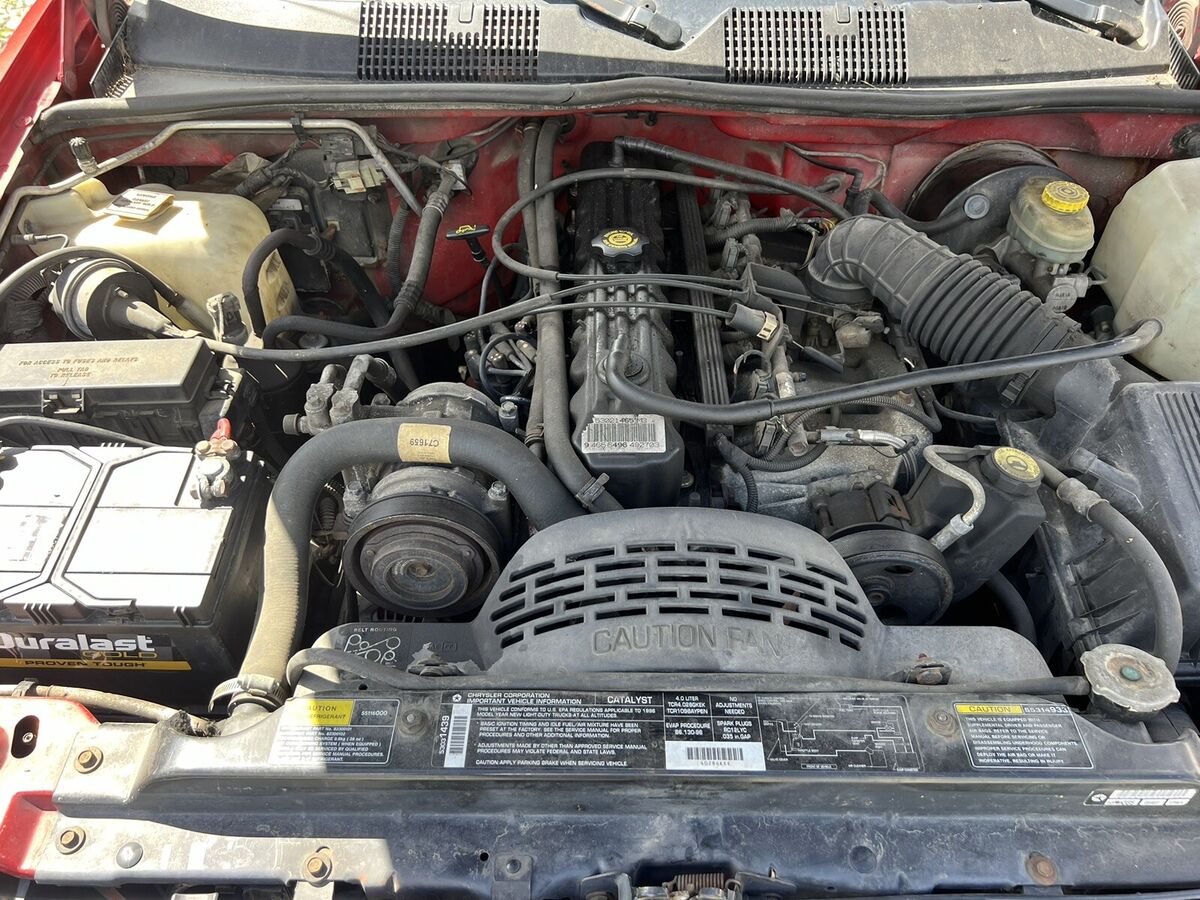
The 6 spark plugs are simple to reach, making tune-ups straightforward for most do-it-yourselfers.
30. Cooling Fan
A mechanical cooling fan (sometimes with electric assist) draws air through the radiator to prevent overheating, especially at low speeds.
31. Thermostat
The thermostat regulates coolant flow, opening at about 195°F to keep the engine at its ideal temperature.
32. Water Pump
The water pump circulates coolant through the engine and radiator. With proper maintenance, these often last over 100,000 miles.
33. Engine Sensors
Key sensors include the coolant temperature sensor, oxygen sensor, and throttle position sensor. These help the ECM run the engine efficiently.
34. Serpentine Belt Routing
The serpentine belt system is simple, often with a diagram under the hood to help with replacement.
35. Engine Noise
The inline-6 is known for smooth, low vibration operation and a distinctive, throaty sound under acceleration.
36. Cold Weather Performance
This engine starts reliably in cold weather, thanks to its robust starter and electronic fuel injection.
37. Off-road Capability
The torque curve of the 4.0 L engine means power is available at low speeds—ideal for climbing hills or crawling over rocks.
38. Transmission Compatibility
The engine pairs well with both automatic and manual transmissions. Most Laredos came with a 4-speed automatic, but some had a 5-speed manual.
39. Common Weak Points
While reliable, common issues include rear main seal leaks, cracked exhaust manifolds, and sensor failures. These are usually easy to repair.
40. Longevity
With regular maintenance, many 4.0 L 6-cylinder engines last beyond 200,000 miles. Their reputation for durability is one reason they remain popular with Jeep fans.
Key Specifications Comparison
Below is a comparison of the 4.0 L 6-cylinder engine with two other popular Jeep Grand Cherokee engines:
| Engine | Displacement | Horsepower | Torque (lb-ft) | Fuel Economy (mpg) |
|---|---|---|---|---|
| 4.0 L Inline-6 | 4.0 L | 190 | 225 | 15–19 |
| 4.7 L V8 | 4.7 L | 235 | 295 | 13–17 |
| 5.2 L V8 | 5.2 L | 220 | 285 | 12–16 |
Maintenance Cost Overview
To help you budget, here’s a look at estimated annual maintenance costs:
| Maintenance Item | Frequency | Estimated Cost (USD) |
|---|---|---|
| Oil Change | 3-4 times/year | $120–$200 |
| Spark Plugs | Every 30,000 miles | $80–$120 |
| Serpentine Belt | Every 60,000 miles | $60–$100 |
| Coolant Flush | Every 50,000 miles | $100–$150 |
Real-world Driving Experience
Many Jeep owners praise the 4.0 L engine for its reliable performance in both city and off-road driving. One insight that surprises new owners is that the engine’s low-end torque makes it easier to drive in snow or mud compared to high-revving V6s. Another detail: the engine’s iron block means it takes a bit longer to warm up in winter, so letting it idle for a minute before driving can help.
Expert Tips For Owners
- Always use quality oil and filters, as this engine is sensitive to oil quality.
- Replace the coolant at recommended intervals to prevent overheating and head gasket leaks.
- Pay attention to small oil leaks—fixing them early can prevent bigger problems.
Why Choose The 4.0 L 6-cylinder?
The 4.0 L engine is trusted because of its simplicity, strength, and long-term value. It’s an engine that can be fixed almost anywhere, parts are affordable, and even high-mileage examples can be reliable with good care. For buyers looking for a used Jeep Grand Cherokee Laredo, this engine is often the safest bet.
Frequently Asked Questions
Is The 4.0 L 6-cylinder Engine Reliable?
Yes, the 4.0 L engine is known for its reliability and can last well over 200,000 miles with regular maintenance.
What Kind Of Fuel Does The 4.0 L Engine Use?
It runs best on regular unleaded gasoline. Using premium fuel is not required and offers little benefit.
How Often Should The Timing Chain Be Replaced?
The timing chain on this engine rarely needs replacement. It usually lasts the life of the engine unless there are signs of noise or wear.
Can This Engine Handle Off-road Use?
Absolutely. The torque curve and strong build make it excellent for off-road trails, mud, and snow.
Where Can I Find More Technical Information?
You can find additional technical details on the Wikipedia page for this engine.
The Jeep Grand Cherokee Laredo with the 4. 0 L 6-cylinder engine remains a favorite for its blend of power, ruggedness, and lasting value. Whether you’re buying, maintaining, or simply curious, understanding these 40 key features will help you get the most out of this legendary SUV powerplant.