The Jeep Grand Cherokee has always been a symbol of rugged luxury, but the introduction of the Hurricane engine marks a new era for this iconic SUV. With automakers racing to build cleaner and more powerful engines, Jeep’s Hurricane aims to deliver both performance and efficiency. If you’re curious about what makes this engine stand out, how it compares to past options, and whether it’s the right choice for you, this article will break everything down in clear, simple terms.
What Is The Hurricane Engine?
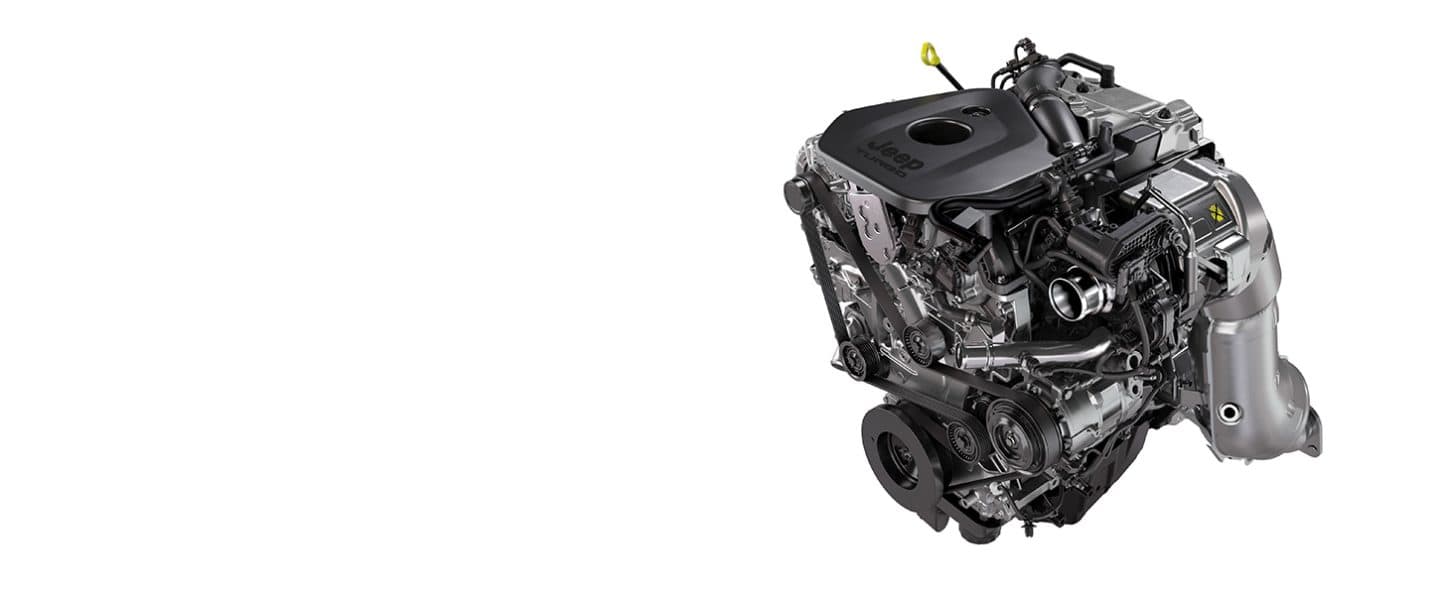
The Hurricane engine is a new family of 3.0-liter twin-turbo inline-six engines developed by Stellantis, Jeep’s parent company. Its main goal is to offer more power while lowering emissions and improving fuel economy. Unlike the older V8 engines, the Hurricane uses advanced turbocharging, direct injection, and lightweight materials to achieve these results.
You’ll find the Hurricane in newer Jeep Grand Cherokee models, especially in the higher trims. Jeep designed this engine to replace the aging V8 Hemi, which was powerful but less efficient and heavier on fuel.
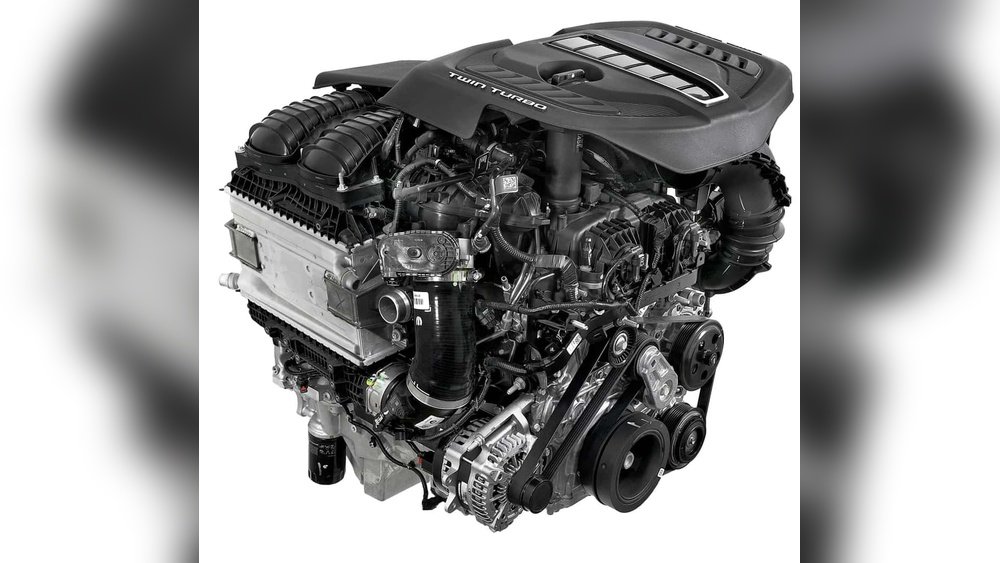
Key Features Of The Hurricane Engine
Several features set the Hurricane apart from Jeep’s older engines:
- 3.0-liter displacement: Smaller than the classic 5.7L or 6.4L V8 engines, but with twin turbos for more power.
- Inline-six configuration: Known for smoothness and balance, often found in premium European cars.
- Twin-turbocharging: Each turbo works to boost power and reduce turbo lag, giving fast response when you press the gas.
- Direct fuel injection: Delivers fuel precisely, improving both power and efficiency.
- All-aluminum design: Lowers weight, which helps handling and fuel economy.
Two main versions exist: the standard Hurricane and the high-output (HO) Hurricane. The HO model is tuned for even more horsepower and torque.

Performance: Power And Efficiency
How does the Hurricane engine perform compared to older engines? Here’s a quick look:
| Engine | Horsepower (hp) | Torque (lb-ft) | 0-60 mph (sec) | Combined MPG |
|---|---|---|---|---|
| 3.0L Hurricane I6 (standard) | 420 | 468 | ~5.5 | 21 |
| 3.0L Hurricane I6 (HO) | 510 | 500+ | ~4.7 | 20 |
| 5.7L Hemi V8 | 357 | 390 | ~6.5 | 17 |
With up to 510 horsepower and over 500 lb-ft of torque in the high-output version, the Hurricane easily beats the old Hemi V8 on paper. It also offers better acceleration and improved fuel economy, making it a smart choice for those who want both speed and savings at the pump.
Why The Switch From V8 To Hurricane?
Many Jeep fans loved the Hemi V8 for its sound and power. So why change? There are several reasons:
- Fuel economy standards: New government rules push for lower emissions and better mileage.
- Weight reduction: The lighter Hurricane engine helps the Grand Cherokee handle better.
- Global market needs: Inline-six engines are popular worldwide, not just in the US.
- Modern technology: Twin turbos and direct injection bring power without waste.
A non-obvious advantage: the inline-six design allows for more space under the hood, making room for future hybrid systems or advanced cooling.

How Does The Hurricane Compare To Competitors?
Jeep isn’t alone in bringing advanced six-cylinder engines to SUVs. Here’s a comparison with similar engines from other brands:
| Model | Engine | Horsepower | Torque | Combined MPG |
|---|---|---|---|---|
| Jeep Grand Cherokee | 3.0L Hurricane I6 (HO) | 510 | 500+ | 20 |
| BMW X5 xDrive40i | 3.0L Turbo I6 | 375 | 398 | 23 |
| Land Rover Range Rover | 3.0L Turbo I6 | 395 | 406 | 21 |
The Hurricane outperforms most rivals in raw power and torque, but some European SUVs still have an edge in fuel economy. Jeep’s strength is the balance between muscle and efficiency, plus its legendary off-road capability.
Real-world Benefits: What Owners Will Notice
Switching to the Hurricane engine brings several real-world advantages:
- Quicker acceleration: Passing and merging on highways is much easier.
- Lower fuel costs: You’ll notice fewer stops at the gas station.
- Smoother operation: The inline-six is naturally balanced, resulting in less vibration.
- Potential for future upgrades: More space and a modern design make hybrid or electric add-ons possible.
One insight most buyers miss: the Hurricane’s advanced cooling system keeps the engine performing even when towing or off-roading in hot weather—something older V8s sometimes struggled with.
Maintenance And Reliability
Many buyers worry about new turbo engines and their long-term reliability. Jeep designed the Hurricane to be tough, but as with any modern engine, regular maintenance is key:
- Use the recommended synthetic oil.
- Change the air filter and spark plugs on schedule.
- Allow the turbos to cool down after hard driving.
A practical tip: twin-turbo engines can require more expensive repairs if neglected, but with proper care, the Hurricane should last as long as other Jeep engines. Always check for software updates at your dealer—these can improve performance and fix minor issues.
Is The Hurricane Engine Right For You?
The Hurricane is best for drivers who want:
- Strong acceleration
- Towing power without the heavy fuel use of a V8
- Modern technology
- A balance of city and highway driving
If you prefer a simple, old-school engine, the Hurricane may feel too high-tech. But for most, it’s a leap forward in what a Jeep can offer.
Frequently Asked Questions
How Much Can The Grand Cherokee Hurricane Tow?
With the Hurricane engine, the Grand Cherokee can tow up to 6,500 pounds, depending on the trim and equipment. This matches or beats most midsize luxury SUVs.
Yes, for best performance and efficiency, Jeep recommends premium gasoline. The engine can run on regular, but you may notice lower power and mileage.
How Reliable Is The Hurricane Engine?
Early reviews show the Hurricane engine is built with strong materials and modern engineering. Like any new design, time will tell, but Jeep has focused on durability.
Will The Hurricane Engine Be Available In Other Jeep Models?
Yes, Stellantis plans to offer the Hurricane in other vehicles, including the Wagoneer and some Ram trucks. This engine is key to Jeep’s future lineup.
Where Can I Learn More About The Hurricane Engine?
For more technical details, visit the official Stellantis press release.
The Hurricane engine puts the Jeep Grand Cherokee at the front of the pack for those wanting both power and progress. If you want a modern SUV that doesn’t sacrifice performance or efficiency, the Hurricane is worth a serious look.