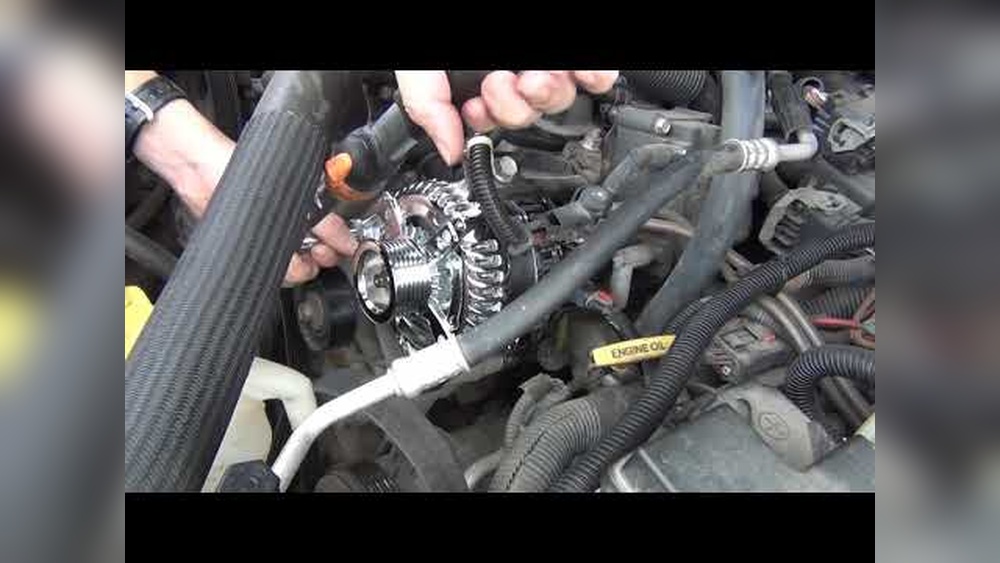
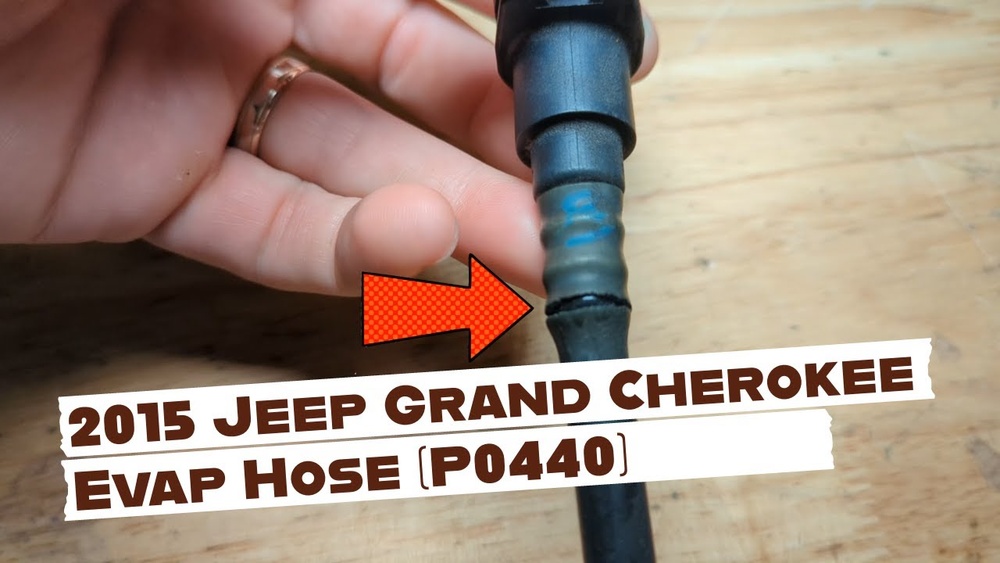
If your Jeep Grand Cherokee is blowing cold air when you want heat, or you spot coolant leaking near the firewall, your heater hose could be the problem. The heater hose is a small part but plays a big role.
It carries hot coolant from the engine to the heater core, giving you warm air inside the cabin. If it fails, you risk engine overheating and a chilly ride.
Replacing this hose is a task many Jeep owners can handle themselves with a bit of guidance and the right tools. Let's walk through what you need to know about Jeep Grand Cherokee heater hose replacement—from symptoms to step-by-step instructions and key tips.
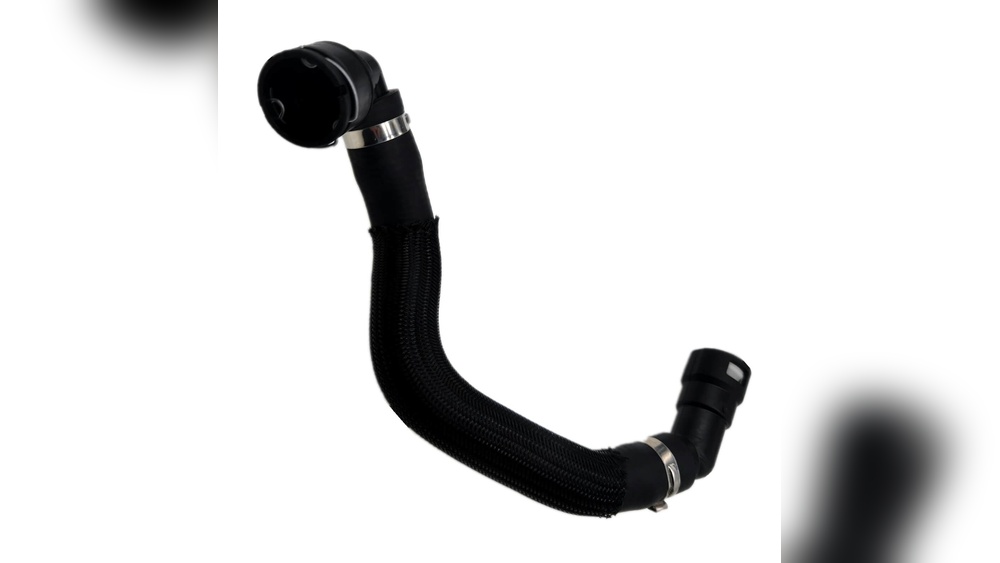
Signs Your Heater Hose Needs Replacing
A faulty heater hose shows clear warning signs. Watch for these:
- Coolant puddles under your vehicle
- Low coolant levels in the reservoir
- Overheating engine
- Steam or a sweet smell from under the hood
- Soft, swollen, or cracked hoses
Ignoring these signs can lead to bigger problems, like engine damage. Addressing a worn heater hose early can save you money and time.
Tools And Parts Needed
Before starting, make sure you have:
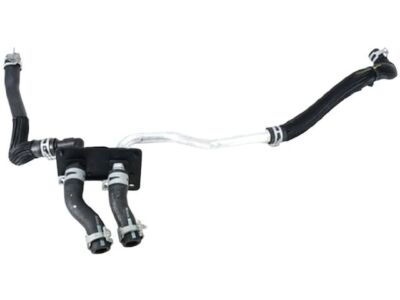
- Replacement heater hose (specific for your Grand Cherokee model and year)
- Screwdrivers (flathead and Phillips)
- Pliers (for hose clamps)
- Socket set
- Coolant (check your owner’s manual for the correct type)
- Drain pan
- Rags and gloves
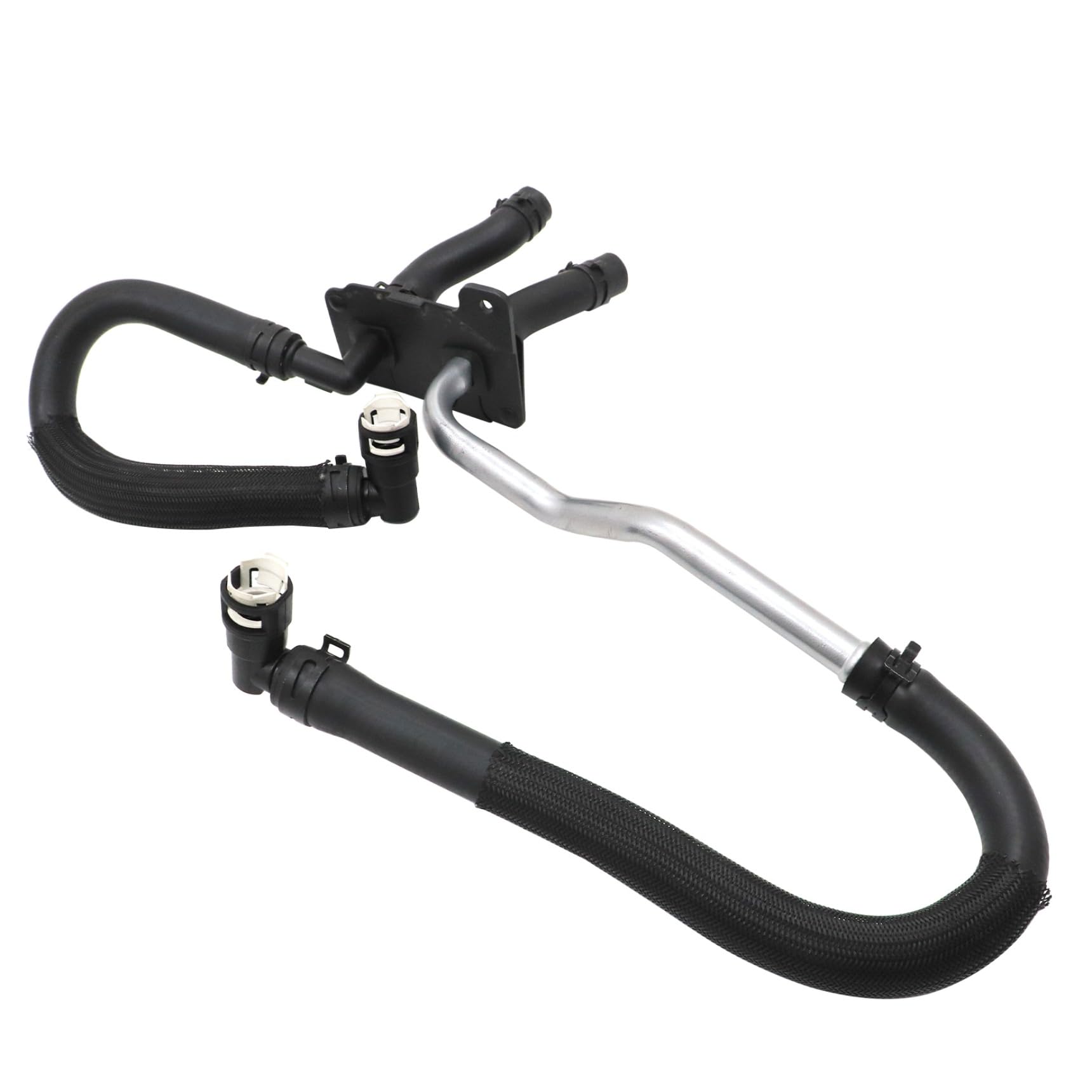
Pro tip: Some Grand Cherokee models use quick-connect fittings, while others use standard clamps. Check your hose type before buying parts.
Step-by-step Heater Hose Replacement
Replacing the heater hose is a straightforward job if you follow these steps carefully.
1. Let The Engine Cool Down
Never work on a hot engine. Wait until the engine is cool to avoid burns from hot coolant.
2. Drain The Coolant
Put the drain pan under the radiator. Open the radiator drain plug or loosen the lower hose to drain about a gallon of coolant.
3. Locate The Heater Hose
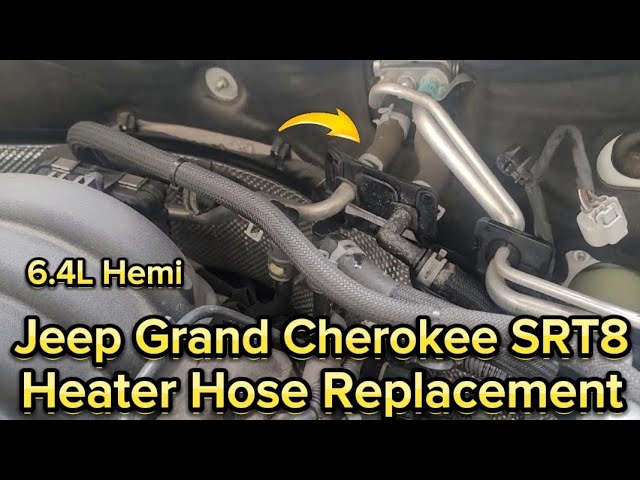
The heater hose usually runs from the engine or water pump to the firewall. It is often next to other hoses—trace it carefully to avoid confusion.
4. Remove Hose Clamps
Use pliers or a screwdriver to loosen the clamps. If your Jeep uses quick-connect fittings, press the tabs to release the hose.
5. Remove The Old Hose
Gently twist and pull the hose off its fittings. If it’s stuck, use a hose removal tool or carefully cut it off.
6. Install The New Hose
Fit the new hose onto the correct fittings. Make sure it sits snugly. Tighten clamps or lock quick-connect fittings.
7. Refill Coolant
Pour fresh coolant into the radiator or reservoir. Top off as needed.
8. Check For Leaks
Start the engine and let it warm up. Watch for leaks and check coolant levels again after a short drive.
Extra tip: When refilling coolant, air can get trapped inside. Squeeze the hoses gently to help push air out, or use the radiator bleeder if your Jeep has one.
Heater Hose Replacement Cost Comparison
The cost to replace a Jeep Grand Cherokee heater hose can vary. Here’s a quick look at typical price ranges:
| Replacement Method | Parts Cost | Labor Cost | Total Estimated Cost |
|---|---|---|---|
| DIY | $20 – $60 | $0 | $20 – $60 |
| Mechanic | $20 – $60 | $80 – $150 | $100 – $210 |
Doing the job yourself saves money, but be sure you are comfortable working with the cooling system.
Common Mistakes To Avoid
Many beginners make simple errors that can lead to leaks or engine trouble. Watch out for these:
- Forgetting to let the engine cool before starting
- Mixing different types of coolant
- Not tightening hose clamps enough
- Skipping leak checks after installation
If you’re unsure which coolant to use, check your manual or the official Jeep resources.
Oem Vs Aftermarket Heater Hoses
Choosing the right replacement hose matters. Here’s how OEM and aftermarket parts compare:
| Type | Quality | Price | Fit |
|---|---|---|---|
| OEM (Original Equipment) | High | Higher | Exact |
| Aftermarket | Varies | Lower | May Need Trimming |
OEM hoses are more reliable, but aftermarket hoses can save money. Always check for good reviews before buying aftermarket parts.
When To Replace Other Cooling System Parts
If your heater hose is bad, other hoses or parts may also be worn. Consider checking:
- Upper and lower radiator hoses
- Heater core
- Thermostat
- Water pump
Replacing these together can prevent future breakdowns and save on labor if you’re already working on the system.
How Long Does A Heater Hose Last?
Most heater hoses last 5 to 8 years or about 60,000 to 100,000 miles. However, extreme heat or poor maintenance can shorten lifespan. If you see early signs of wear, don’t wait—replace it before it fails.
Insider tip: Many owners overlook the importance of using distilled water with coolant. Tap water can cause mineral buildup, which shortens hose and radiator life.
Frequently Asked Questions
What Are The Symptoms Of A Bad Heater Hose?
Common symptoms are coolant leaks, engine overheating, and a loss of cabin heat. You may also smell a sweet odor from coolant or see steam from under the hood.
Can I Drive My Jeep Grand Cherokee With A Leaking Heater Hose?
It’s not safe. A leaking hose can cause rapid coolant loss, leading to engine overheating and potential engine damage.
Do I Need Special Tools For Heater Hose Replacement?
Most jobs need only basic hand tools. Some models with quick-connect fittings may need a special removal tool, but many can be released by hand.
How Do I Know Which Heater Hose To Buy?
Check your Jeep’s year, engine size, and VIN. OEM hoses guarantee a perfect fit, but quality aftermarket hoses can work if you match the part number.
Should I Replace Coolant When Changing The Heater Hose?
It’s a good idea. Old coolant can lose effectiveness and harm your cooling system.
If the coolant looks dirty or rusty, replace it with fresh fluid.
Replacing your Jeep Grand Cherokee heater hose can be a simple weekend project with big rewards. It keeps your engine safe and your ride comfortable—plus, you’ll learn more about your vehicle. For most owners, this is a smart DIY task that pays off in the long run.