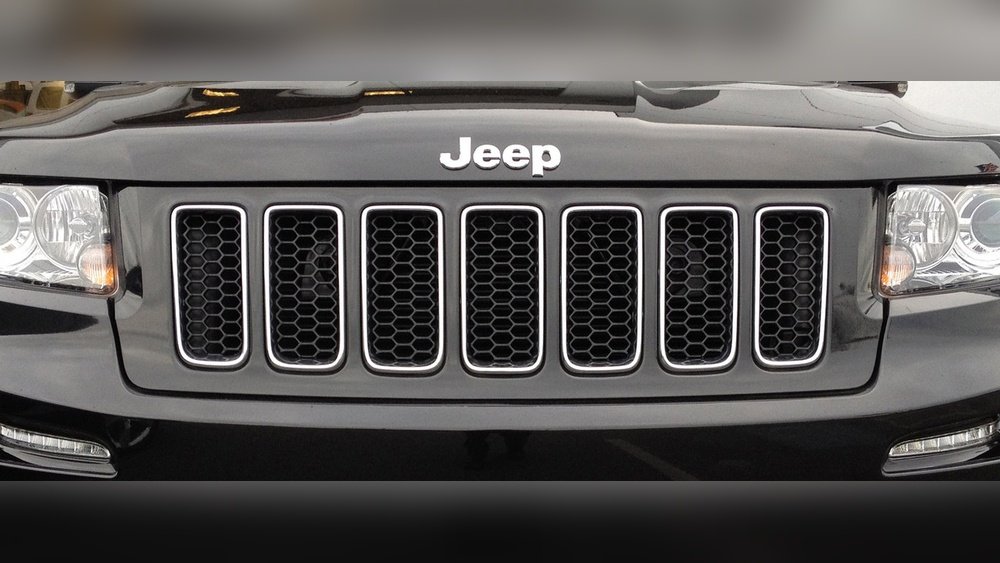
The Jeep Grand Cherokee grill is more than just a front-end design element; it's a signature piece that defines the vehicle's iconic look and signals its off-road capabilities. For decades, Jeep has maintained a distinct seven-slot grille design across its lineup, and the Grand Cherokee is no exception.
This grille has evolved over the years, adapting to new generations and design trends while staying true to its heritage. Understanding the different styles, materials, and customizations available can help owners personalize their Grand Cherokee and appreciate the engineering behind this distinctive feature.
This article explores the multifaceted world of the Jeep Grand Cherokee grill. We’ll look at its historical significance, how it has changed through different model years, the various types of grills available, and how you can enhance or replace your own.
Whether you’re a long-time Jeep enthusiast or a new owner, this guide will provide a comprehensive overview of this essential part of your Grand Cherokee’s identity.
The Evolution Of The Jeep Grand Cherokee Grill
The Jeep Grand Cherokee grill’s story is deeply intertwined with the brand’s history. The seven-slot grille is a trademark of the Jeep brand, dating back to its military origins in World War II. While early Jeeps, like the Willys MB, had a more utilitarian, flat grille, the concept of the distinct seven slots was established early on. As Jeep transitioned into civilian vehicles and eventually introduced the Grand Cherokee in 1993, the grille became a key element of its identity.
First Generation (1993-1998)
The original Grand Cherokee ZJ featured a relatively simple, upright seven-slot grille. It was integrated smoothly into the front fascia, giving the SUV a robust yet refined appearance. The slots were deep and prominent, clearly referencing its off-road heritage. This generation set the tone for what the Grand Cherokee would become: a capable SUV with a touch of luxury. The grill’s design here was functional, allowing for adequate airflow to the engine while maintaining the Jeep brand’s visual cues.
Second Generation (1999-2004)
The WJ generation brought a more rounded and aerodynamic design to the Grand Cherokee. The grille became more sculpted, with a slightly more aggressive rake.
While still featuring the iconic seven slots, they were integrated into a wider, more prominent header panel.
This era saw Jeep experimenting with the grille’s integration into the overall front-end design, moving away from the boxier look of the ZJ. The grille’s shape started to complement the vehicle’s new, curvier body lines.
Third Generation (2005-2010)
The WK generation marked a significant shift. The Grand Cherokee adopted a bolder, more squared-off stance, and the grille followed suit.
It became more substantial, with deeper-set slots and a more commanding presence. This generation aimed to re-emphasize Jeep’s rugged heritage, and the grille design played a crucial role.
The separation between the headlights and the grille became more pronounced, giving the front end a more distinct character. This was a period where the grill started to feel more like a standalone design feature, rather than just a part of the bumper.
Fourth Generation (2011-2026)
The WK2 generation introduced a sleeker, more modern design. The Grand Cherokee’s grille became narrower and more horizontal, aligning with a more sophisticated and upscale image.
The seven slots were still present but were more subtly integrated, often framed by sleek headlights.
This generation aimed to compete with luxury SUVs, and the grille design reflected that ambition, offering a more refined and less overtly rugged appearance. The emphasis shifted towards a more premium feel, with chrome accents and a smoother finish becoming more common.
Fifth Generation (2026-present)
The latest WL generation continues the trend of refinement, with the grille often appearing shorter and wider, depending on the trim level. While the seven-slot core remains, its execution varies, sometimes featuring a more integrated design with the headlights or a bolder, more upright stance on certain trims.
Jeep continues to balance its heritage with modern aesthetics, ensuring the Grand Cherokee’s front end is instantly recognizable yet contemporary. The focus here is on a harmonious blend of aggression and elegance, with the grille contributing significantly to this duality.
Types Of Jeep Grand Cherokee Grills
The standard grille on a Jeep Grand Cherokee is designed to meet specific performance and aesthetic requirements for the factory vehicle. However, the aftermarket offers a vast array of options for owners looking to customize their ride.
These aftermarket grills can dramatically change the vehicle's appearance, from subtle enhancements to complete transformations.
Factory/oem Grills
These are the grills that come standard on your Jeep Grand Cherokee from the factory. They are designed to perfectly fit the vehicle and meet all of Jeep’s specifications for airflow, durability, and aesthetics.
OEM grills are typically made from high-quality plastics or metals and are painted or finished to match the vehicle’s trim.
If you need to replace a damaged factory grill, an OEM part is the most direct way to restore the original look. They ensure perfect fitment and maintain the vehicle’s factory warranty.
Aftermarket Grills
The aftermarket offers a wide range of grills that deviate from the factory design. These can include:
- Grille Inserts: These are panels that fit *inside* the factory grille opening. They are often made of mesh or have different slot patterns and can be a cost-effective way to change the look. They are usually made of stainless steel or aluminum.
- Full Replacement Grills: These grills replace the entire factory grille assembly. They come in various designs, such as:
- Mesh Grills: These feature a fine or coarse mesh pattern, offering a sportier or more aggressive look. They can be made from materials like aluminum, stainless steel, or even carbon fiber for a high-performance aesthetic.
- T-Rex Grills: Known for their bold, intricate designs, T-Rex grills often feature aggressive styling with multiple layers and unique patterns. They are typically made from polished or brushed stainless steel.
- Stubby Grills: These are designed to be shorter, exposing more of the vehicle’s undercarriage and potentially offering better approach angles for off-roading.
- Custom Grills: Some manufacturers offer grills with unique patterns, integrated lighting, or specific finishes that allow for a highly personalized look.
Material Variations
Aftermarket grills are available in various materials, each offering different benefits:
- ABS Plastic: Often used for grille inserts and some full replacements, ABS plastic is durable, lightweight, and can be painted to match your vehicle’s color. It’s a cost-effective option.
- Stainless Steel: This is a popular choice for premium aftermarket grills. It’s highly durable, resistant to rust and corrosion, and can be found in polished, brushed, or black finishes. Stainless steel grills offer a robust and high-quality appearance.
- Aluminum: Lighter than stainless steel, aluminum is also corrosion-resistant and can be finished in various ways. It’s often used for mesh grills where weight is a consideration.
- Carbon Fiber: For the ultimate in lightweight performance and a high-tech look, carbon fiber grills are available. These are typically the most expensive option.
Customizing Your Jeep Grand Cherokee Grill
Customizing your Grand Cherokee’s grill is a popular way to express your personal style and set your vehicle apart. Whether you’re aiming for a more aggressive off-road look, a sleek, modern aesthetic, or a touch of luxury, there are several ways to achieve it.
Painting And Finishing
One of the simplest ways to alter your grill’s appearance is through paint or specialized finishes.
- Color Matching: You can have your factory grill painted to match your vehicle’s body color. This creates a seamless, integrated look.
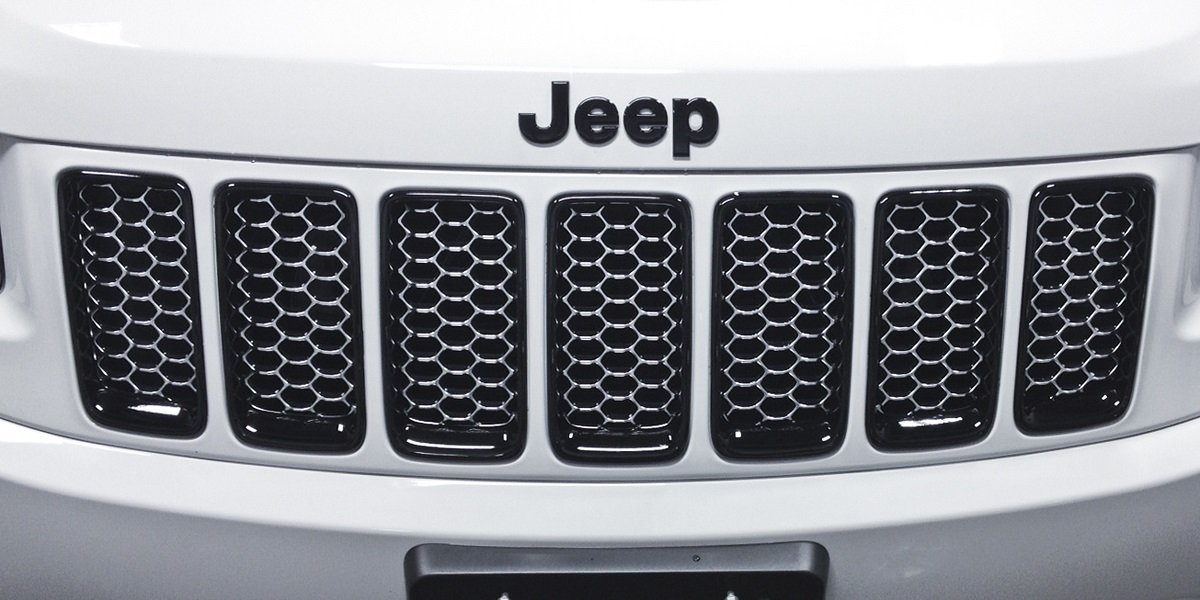
- Gloss Black or Matte Black: Painting the grill black is a very popular choice, offering a sportier and more aggressive appearance that contrasts nicely with lighter colored vehicles.
- Chrome or PVD Coating: For a luxurious or classic look, some owners opt to have their grills chrome-plated or treated with a Physical Vapor Deposition (PVD) coating, which mimics the look of chrome but is often more durable.
- Plasti Dip: For a temporary and reversible change, Plasti Dip offers a rubberized coating that can be applied to the grill in various colors, including black, chrome, or even custom shades.
Grille Guards And Bull Bars
While not strictly part of the grill itself, grille guards and bull bars are accessories that mount to the front of the vehicle and often surround or integrate with the grill area.
- Grille Guards: These offer protection to the grill and headlights, particularly useful for off-roading or in areas with potential hazards. They come in various designs, from full coverage to more minimalist styles.
- Bull Bars: Similar to grille guards but typically mounted lower, bull bars provide protection and a rugged aesthetic. Many modern bull bars are designed to complement the lines of SUVs like the Grand Cherokee.
Led Light Integration
Some aftermarket grill designs incorporate slots or mounting points for auxiliary LED light bars or pods. This not only enhances the vehicle's lighting capabilities for nighttime off-roading but also adds a distinctive visual element.
When choosing such a grill, ensure it’s designed for a clean installation and proper integration with the vehicle’s electrical system.
Diy Vs. Professional Installation
Many aftermarket grille inserts are designed for DIY installation, often clipping or bolting into place with basic tools. Full replacement grills can be more complex.
While some are straightforward bolt-on replacements, others might require removing the front bumper fascia, which can be a time-consuming and delicate process.
If you’re not comfortable with automotive work, professional installation is recommended to ensure the grill is fitted correctly and securely.
Factors To Consider When Choosing An Aftermarket Grill
When you decide to upgrade your Jeep Grand Cherokee’s grill, several factors are crucial to consider. The goal is to find a product that not only looks good but also performs well and is built to last.
Fitment And Compatibility
This is the most critical factor. Ensure the aftermarket grill is specifically designed for your exact year and model of Jeep Grand Cherokee. Different generations (ZJ, WJ, WK, WK2, WL) have distinct front-end dimensions. Even within a generation, different trims might have slight variations. Always check the product description for compatibility. A poorly fitting grill can lead to gaps, rattling, or even damage.
Material Quality And Durability
The material of the grill will determine its longevity and resistance to the elements.
- ABS Plastic: Good for aesthetics and light protection, but can become brittle over time with UV exposure or extreme cold.
- Stainless Steel: Excellent durability and corrosion resistance. Polished finishes look great but can show swirl marks. Brushed finishes are more forgiving.
- Aluminum: Lightweight and corrosion-resistant, often used in mesh designs.
- Consider the Finish: A poor paint or coating job can quickly lead to peeling, fading, or rust, especially on steel components. Look for grills with high-quality powder coating or PVD finishes for maximum durability.
Design And Aesthetics
This is subjective, but consider what look you’re going for:
- Aggressive Off-Road: Mesh grills, tubular designs, or grills with integrated light mounts.
- Sleek and Modern: Smooth finishes, body-colored options, or grills with intricate, layered designs.
- Luxury: Chrome accents, polished finishes, or designs that mimic premium European SUVs.
Think about how the new grill will complement the rest of your vehicle’s styling, including headlights, wheels, and overall body shape.
Airflow And Engine Cooling
The primary function of a grill is to allow air to reach the engine for cooling. Aftermarket grills, especially those with very fine mesh or solid designs, can sometimes restrict airflow.
While most reputable manufacturers design their grills with adequate ventilation, it’s wise to research reviews or product specifications concerning airflow.
For performance-oriented vehicles or those in very hot climates, this is a crucial consideration. A severely restricted airflow can lead to engine overheating.
Installation Complexity
As mentioned earlier, installation can range from simple clip-on to complex bumper removal.
- DIY Friendly: Grille inserts or grills with straightforward bolt-on designs.
- Professional Recommended: Grills requiring bumper removal, wiring for lights, or modifications to the vehicle’s structure.
Check installation guides or watch videos if available before purchasing to gauge the difficulty.
Brand Reputation And Reviews
Look for established aftermarket parts manufacturers known for quality and customer support. Reading reviews from other Jeep Grand Cherokee owners can provide valuable insights into the actual fit, finish, durability, and installation experience of a particular grill.
Pay attention to comments about customer service if issues arise.
Maintenance And Care For Your Grand Cherokee Grill
Proper maintenance will ensure your Jeep Grand Cherokee grill, whether factory or aftermarket, looks great and lasts for years. The specific care depends on the material and finish.
Cleaning
Regular cleaning is essential to prevent dirt, grime, and road salt from damaging the grill’s surface.
- Initial Rinse: Start by rinsing the grill with a hose to remove loose dirt and debris.
- Gentle Wash: Use a car-specific soap or a mild detergent mixed with water. Apply with a soft wash mitt or sponge. Avoid abrasive brushes or scouring pads, which can scratch the surface, especially on painted or chrome finishes.
- Stubborn Grime: For bugs or tar, use a dedicated bug and tar remover or a clay bar. Apply according to product instructions.
- Rinse Thoroughly: Ensure all soap residue is washed away.
- Drying: Dry the grill with a clean, soft microfiber towel to prevent water spots.
Protecting The Finish
Applying protectants can help maintain the grill’s appearance and add a layer of defense against the elements.
- Painted Grills: Use a quality automotive wax or sealant designed for painted surfaces. This will add shine and protect the paint from UV rays and minor scratches.
- Chrome Grills: Use a chrome polish specifically designed for automotive use. Apply sparingly and buff to a high shine. Avoid abrasive cleaners that can dull the chrome finish. Some ceramic spray coatings can also offer protection and enhance shine.
- Brushed Stainless Steel: A stainless steel cleaner and polish can remove fingerprints and restore the brushed look. Some protectants can create a barrier against smudges.
- Plastic Grills: Use a plastic protectant or trim restorer to prevent fading and cracking from sun exposure.
Inspecting For Damage
Periodically inspect your grill for any signs of damage, such as cracks, dents, or loose mounting points. Early detection can prevent minor issues from becoming major repairs.
If you notice any damage, address it promptly. A small crack can spread, and loose mounting can lead to the grill becoming detached.
Winter Care
In areas with harsh winters, road salt and de-icing chemicals can be very corrosive.
- Frequent Washing: Wash your vehicle, including the grill, more frequently during winter to remove salt buildup.
- Protective Coatings