If your Jeep Grand Cherokee has trouble fueling or leaks when you fill up, the fuel filler neck might be the reason. This part is often overlooked but plays a key role in safe and efficient refueling.
A damaged or rusted filler neck can cause gas smells, failed emissions tests, or even a check engine light. Replacing it might sound technical, but with the right guidance, it’s a job a careful DIYer can tackle in a day.
What Is The Fuel Filler Neck?
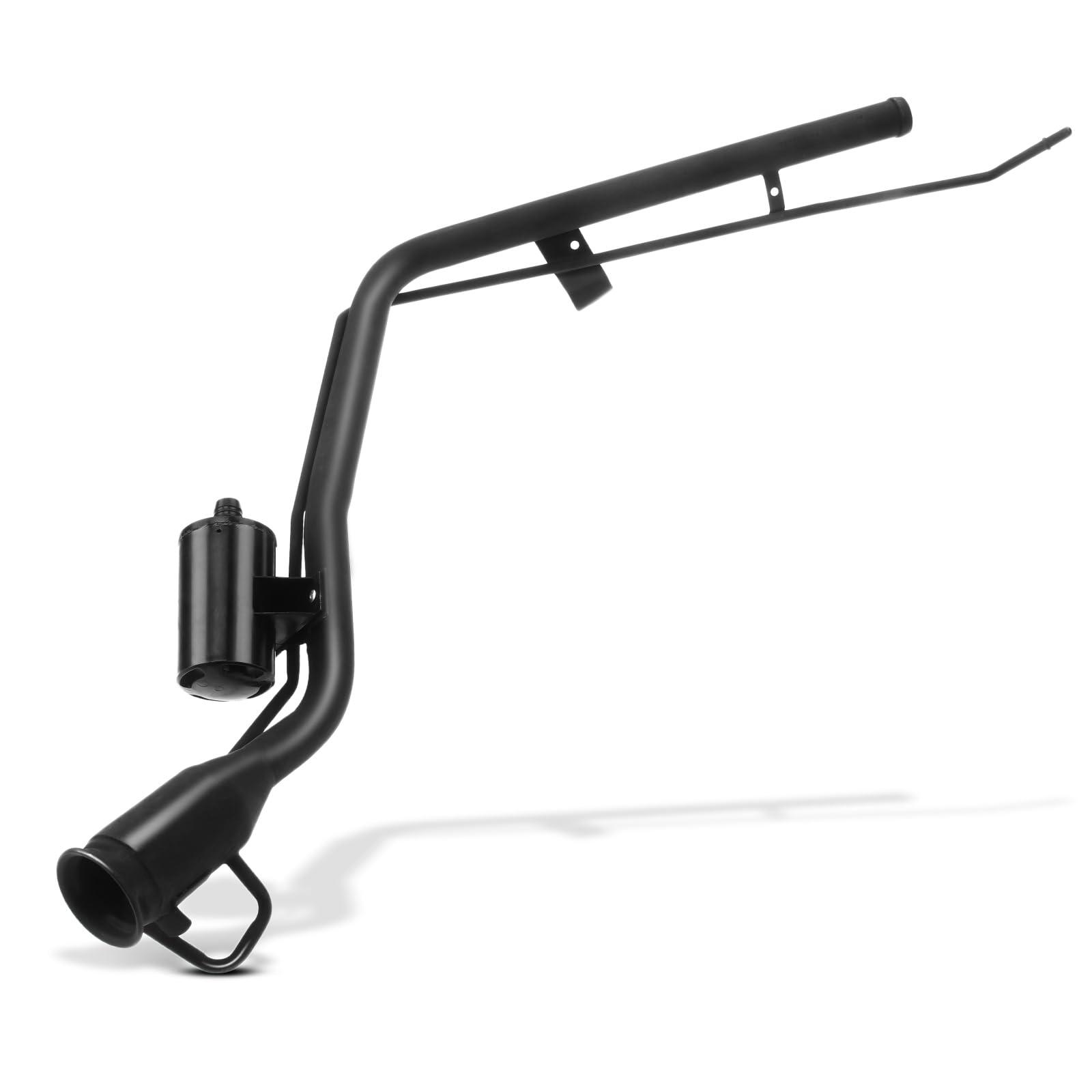
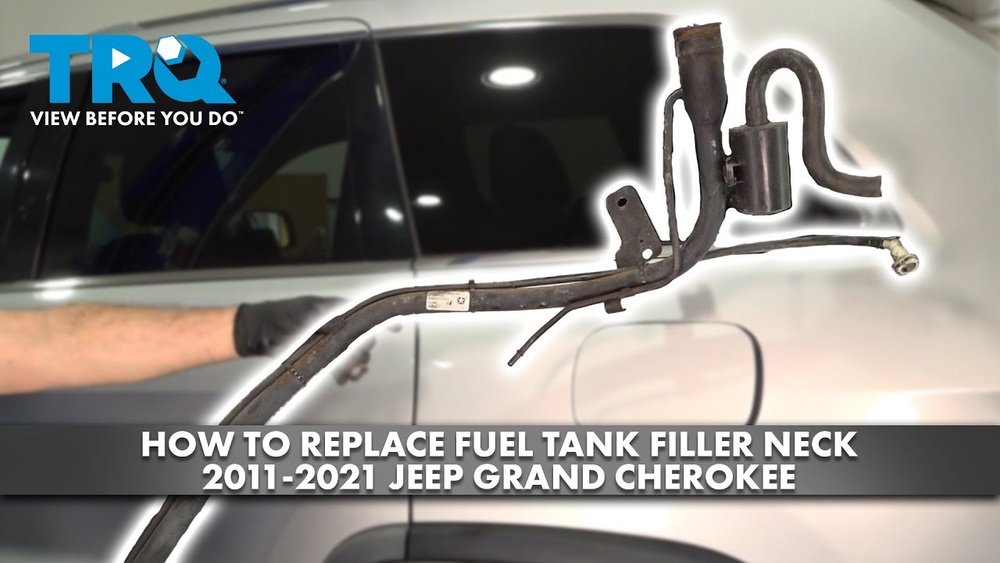
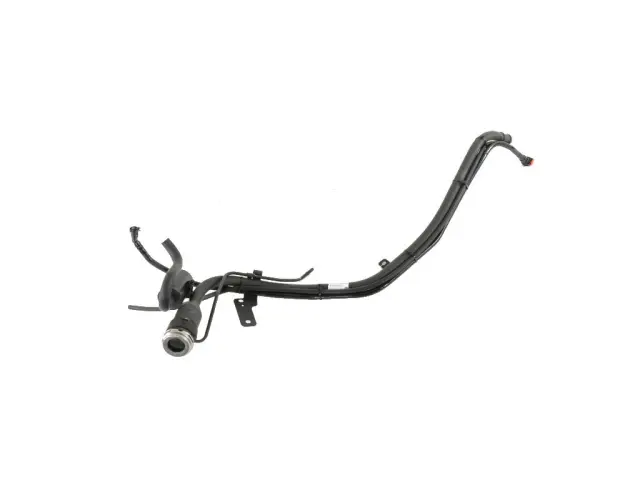
The fuel filler neck is the metal tube that connects the gas cap to your gas tank. When you insert the fuel nozzle at the pump, gas travels down this tube and into your tank. Over time, exposure to road salt, moisture, and age can cause corrosion, especially in older Grand Cherokee models. If you notice fuel leaks or the smell of gasoline near your rear wheel well, check this part first.
Signs Your Fuel Filler Neck Needs Replacement
- Gas Smell: Persistent fuel odors around the back of the vehicle.
- Leaking Fuel: Drips or puddles under the rear, especially after filling up.
- Check Engine Light: Emissions issues caused by vapor leaks.
- Difficulty Fueling: Pump shuts off repeatedly or slow filling.
- Rust and Visible Damage: Inspection shows corrosion or cracks.
Ignoring these signs can lead to bigger problems like failed emissions tests or even fire hazards. Address issues quickly for safety and to avoid fines.
Tools And Parts Needed
Before starting, gather the following:
- Replacement fuel filler neck (make sure it fits your Grand Cherokee year and engine)
- Socket wrench set
- Flathead screwdriver
- Pliers
- Jack and jack stands (if needed for access)
- New hose clamps (recommended)
- Safety glasses and gloves
Having everything ready saves time and reduces frustration.
Step-by-step Replacement Guide
Replacing the fuel filler neck is straightforward but requires attention to detail. Here’s a breakdown:
1. Ensure Safety
Work in a well-ventilated area. Wear safety glasses and gloves.
Never smoke or use open flames near fuel.
2. Relieve Fuel System Pressure
Open the gas cap to release any pressure. This step prevents spray or vapor when disconnecting the filler neck.
3. Raise The Vehicle (if Needed)
For better access, you may need to lift the rear of your Grand Cherokee. Use a jack and secure jack stands under the frame.
4. Locate And Remove The Old Filler Neck
- The filler neck runs from the gas cap down to the top of the fuel tank.
- Remove the screws or bolts holding the neck to the body.
- Loosen hose clamps connecting the neck to the tank and any vent hoses.
- Carefully twist and pull the neck free. Some fuel may drip—have a rag ready.
5. Compare Old And New Parts
Check your new part against the old one. Length, bends, and connection points must match.
6. Install The New Filler Neck
- Slide the new neck into position.
- Reattach vent hoses and secure with new clamps.
- Bolt the filler neck to the body.
- Make sure all connections are tight to prevent leaks.
7. Lower The Vehicle And Test
Remove jack stands and lower the Jeep. Reinstall the gas cap.
Start the engine and check for leaks. Fill a small amount of fuel to test for smooth operation.
Estimated Costs And Time
Costs can vary based on parts and labor. Here’s a comparison for DIY versus shop replacement:
| Replacement Method | Parts Cost | Labor Cost | Total Estimated |
|---|---|---|---|
| DIY | $60–$150 | $0 | $60–$150 |
| Professional Shop | $60–$150 | $120–$250 | $180–$400 |
Most owners finish the job in about 2–3 hours.
Common Mistakes And How To Avoid Them
Many DIYers miss these details:
- Not using new hose clamps: Old clamps may not seal well, causing leaks.
- Forgetting to check vent hoses: Cracked or loose vents can trigger the check engine light.
- Skipping a leak test: Always check for leaks before driving.
- Mixing up screws or bolts: Keep hardware organized to avoid confusion during reassembly.
Take your time with each connection—rushing leads to problems.
How Long Does A Fuel Filler Neck Last?
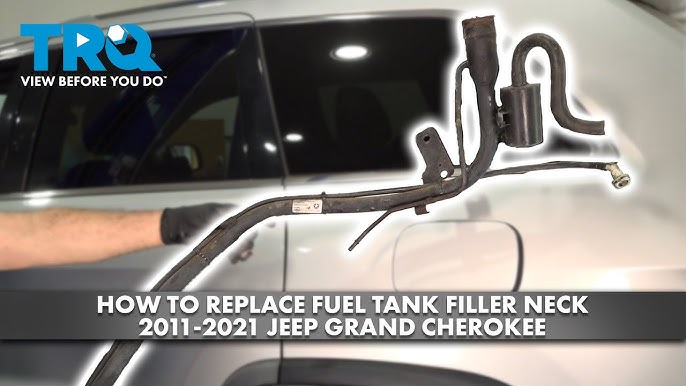
Most fuel filler necks last 8–12 years in normal conditions. In areas with heavy road salt or moisture, rust can develop sooner. Regular inspection, especially during oil changes or tire rotations, helps catch problems early.
New Vs. Aftermarket Filler Necks
When shopping for parts, you’ll find both OEM (Original Equipment Manufacturer) and aftermarket options. Here’s a quick comparison to help you decide:
| Type | Pros | Cons |
|---|---|---|
| OEM | Perfect fit, reliable quality | More expensive |
| Aftermarket | Lower cost, wider selection | Fit can vary, quality inconsistent |
If you’re unsure, consult a trusted mechanic or Jeep forum for advice.
Environmental Impact And Legal Considerations
A leaking filler neck isn’t just a safety risk—it also releases harmful gas vapors. These vapors contribute to air pollution and can cause your vehicle to fail emissions tests. Some states and countries issue fines for vehicles with fuel leaks, so replacing a damaged neck is both smart and responsible.
For more information about vehicle emissions and environmental laws, visit the U.S. Environmental Protection Agency.
Frequently Asked Questions
How Do I Know If My Jeep Grand Cherokee’s Fuel Filler Neck Is Leaking?
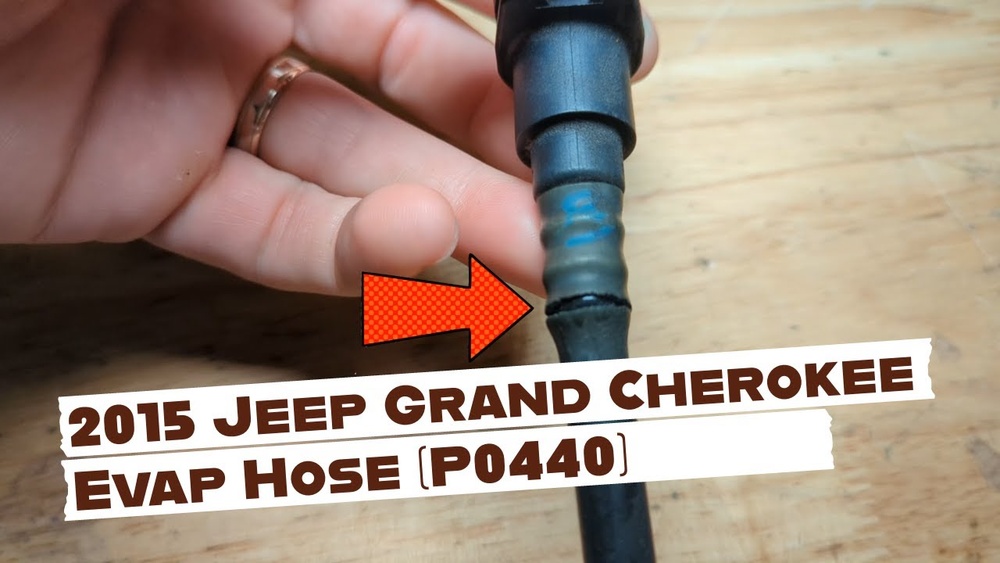
Look for a strong gasoline smell, visible fuel stains near the filler area, or a check engine light related to the evaporative emissions system.
Can I Drive With A Damaged Fuel Filler Neck?
It’s unsafe. Leaking fuel can cause fire hazards and may lead to fines or failed emissions tests. Fix leaks as soon as possible.
What Causes Fuel Filler Necks To Rust Or Crack?
Road salt, moisture, and age are the most common reasons. Physical impact from road debris can also cause damage.
Is This A Job For Beginners, Or Should I Go To A Shop?
If you’re comfortable with basic tools and safety procedures, it’s a reasonable DIY project. Otherwise, a mechanic can complete the replacement quickly.
Will Replacing The Filler Neck Fix My Check Engine Light?
If the light is due to a vapor leak or emissions issue related to the filler neck, then yes. If not, further diagnosis may be needed.
Replacing your Jeep Grand Cherokee fuel filler neck can prevent bigger issues and keep your SUV safe and reliable. With the right part, tools, and care, most owners can handle this job over a weekend. Regular inspection and timely maintenance make a big difference for your vehicle’s long-term health.