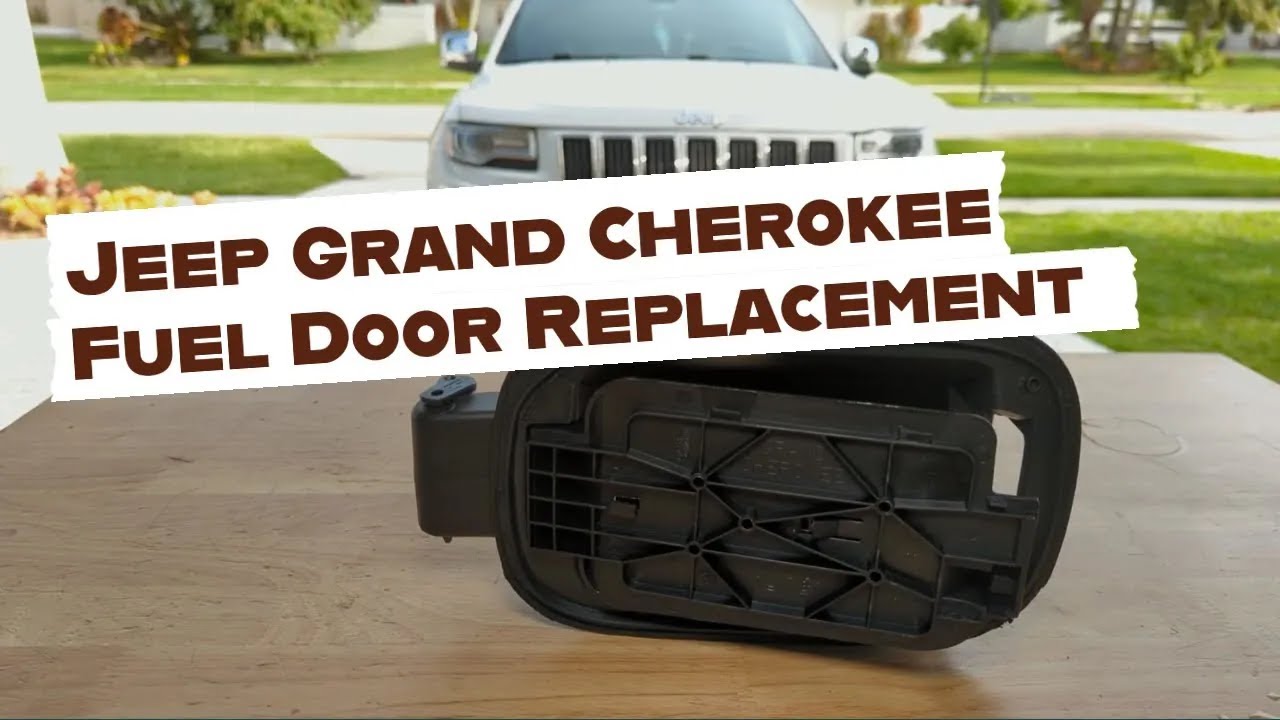
Replacing the fuel door on a Jeep Grand Cherokee may seem like a small job, but it can make a big difference in how your vehicle looks and functions. Over time, fuel doors can become damaged, rusty, or stuck.
Sometimes, the hinge breaks, or the latch fails, making it hard to open or close. Luckily, you can replace the fuel door yourself with some simple tools and a bit of patience.
In this guide, you’ll learn how to replace the fuel door, what you need, and tips to get it right the first time.
Why Replace Your Jeep Grand Cherokee Fuel Door?
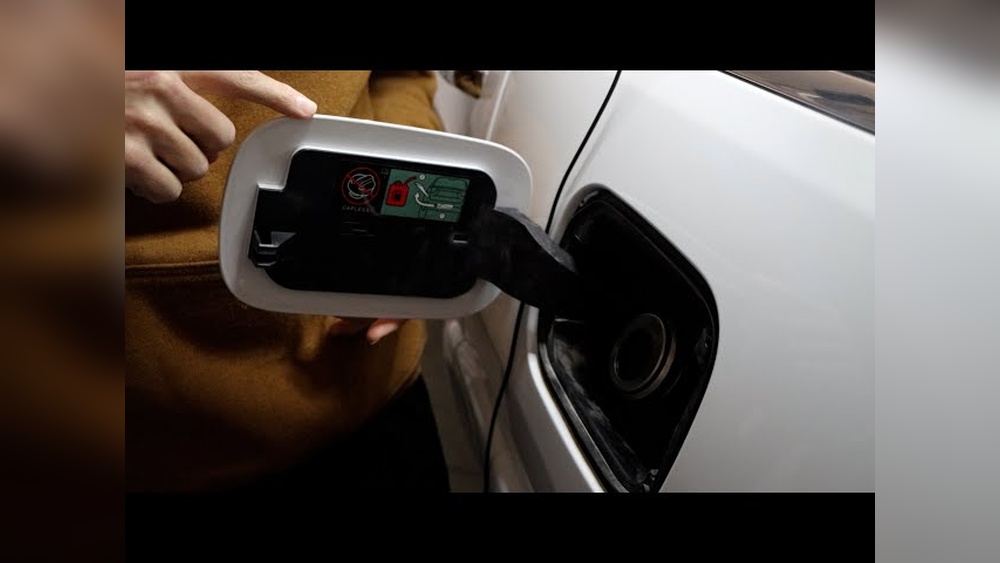
A damaged fuel door is more than just a cosmetic issue. If the door doesn’t close properly, dirt and water can enter the fuel compartment, possibly causing problems with your gas cap or even contaminating your fuel. A broken hinge or latch can also make refueling frustrating. Finally, a new fuel door restores the clean look of your Grand Cherokee.
Tools And Materials Needed
Before you start, gather these tools and materials:
- New fuel door assembly (make sure it fits your model year)
- Phillips and flathead screwdrivers
- Socket wrench (usually 8mm or 10mm)
- Torx driver (if needed, check your model)
- Clean rag
- WD-40 or similar lubricant
Some Grand Cherokee models use different fasteners, so double-check your owner’s manual or inspect your current fuel door before buying tools.
Step-by-step Fuel Door Replacement
Follow these steps to replace the fuel door on your Jeep Grand Cherokee. Allow about 30–45 minutes, depending on your experience.
1. Open The Fuel Door
Unlock and open the fuel door. If it’s stuck, gently pry it open with a plastic trim tool or a flathead screwdriver wrapped in a rag to avoid scratching the paint.
2. Remove Screws Or Bolts
Locate the screws or bolts securing the door hinge to the body. Most Grand Cherokees have 2–3 screws or bolts on the inside edge of the fuel compartment.
Use the right screwdriver or socket to remove them. Keep the screws in a safe place.
3. Detach The Fuel Door
Carefully pull the door and hinge assembly away from the body. If it feels stuck, spray a little lubricant around the hinge.
Some models may have a small spring or clip—remove it gently.
4. Clean The Area
Wipe the mounting area with a clean rag. Remove any dirt, old grease, or rust. This will help the new fuel door fit smoothly and last longer.
5. Install The New Fuel Door
Align the new fuel door and hinge with the mounting holes. Hold the door in place and insert the screws or bolts.
Tighten them evenly, but don’t overtighten—this could crack the plastic or strip the threads.
6. Test The Door
Open and close the door several times. Make sure it swings freely and latches securely.
If there’s resistance, check the alignment and adjust if necessary.
7. Reinstall Spring Or Clip (if Needed)
If your model uses a spring or clip, reattach it now. This helps the door pop open when you release the latch.
Quick Reference: Common Jeep Grand Cherokee Fuel Door Fastener Types
Here’s a comparison of fastener types by year:
| Model Year | Fastener Type | Tool Required |
|---|---|---|
| 2011–2013 | Phillips screws | Phillips screwdriver |
| 2014–2018 | Torx screws | T25 Torx driver |
| 2019–2026 | Hex bolts | 8mm socket wrench |
Choosing The Right Replacement Fuel Door
Not all fuel doors are the same, even if they look similar. When shopping for a replacement, check:
- Model year compatibility: Fuel door shape and hinge design can change between years.
- Color match: Some doors come painted; others are black plastic or primer gray.
- OEM vs Aftermarket: OEM (Original Equipment Manufacturer) doors guarantee a perfect fit but cost more. Aftermarket options are cheaper but may need slight adjustments.
Comparison Of Oem Vs Aftermarket Fuel Doors
| Feature | OEM | Aftermarket |
|---|---|---|
| Fit Quality | Excellent | Good to Fair |
| Color Options | Matches factory paint | Limited, often unpainted |
| Price | Higher | Lower |
| Warranty | Usually included | Varies |

Common Mistakes And How To Avoid Them
Replacing a fuel door is simple, but some mistakes can cause problems:
- Using the wrong part: Always check part numbers and compare the new door to your old one before installing.
- Overtightening screws: Tightening too much can crack plastic parts.
- Forgetting to clean the area: Dirt or rust under the new hinge can cause early wear.
- Ignoring alignment: If the door doesn’t sit flush, loosen the screws and adjust before tightening fully.
- Not testing before finishing: Always check the door’s operation before closing up.
Many first-timers forget to transfer small parts like springs or rubber bumpers from the old door to the new one. Missing these can affect how well the door works.
When To Seek Professional Help
If your fuel door is severely bent, the hinge mount is rusted, or you notice body damage, it’s best to consult a professional body shop. Professional installation is also recommended if you’re not comfortable with basic tools or if your Grand Cherokee has electronic fuel door releases.
Estimated Cost And Time
A replacement fuel door for a Jeep Grand Cherokee usually costs between $30 and $100, depending on whether it’s OEM or aftermarket. Labor at a shop can add another $50–$100. Doing it yourself saves money and usually takes less than an hour.
Fuel Door Maintenance Tips
To keep your new fuel door working well:
- Clean the hinge area every time you wash your Jeep.
- Apply a small amount of WD-40 or silicone spray to the hinge twice a year.
- Check for paint chips or rust and touch up as needed.
- Open and close the door regularly, especially after driving in rain or snow.
These steps help your fuel door last longer and prevent annoying problems later on.