The Jeep Grand Cherokee is a popular midsize SUV known for its rugged capability and comfort. For many drivers, understanding the fuel capacity of this vehicle is important—whether for road trips, daily commuting, or off-road adventures.
If you’re considering a Grand Cherokee or already own one, knowing how much fuel it holds, how far it can take you, and how it compares to other SUVs can help you plan smarter and avoid surprises on the road.
What Is The Fuel Capacity Of The Jeep Grand Cherokee?
The fuel tank size of the Jeep Grand Cherokee has changed over the years, depending on the model year, engine, and trim. Most recent Grand Cherokee models have a fuel tank capacity between 23 and 24.6 gallons.
Here’s a quick look at fuel tank sizes for some popular model years:
| Model Year | Fuel Capacity (gallons) |
|---|---|
| 2026 | 23.0–24.6 |
| 2026 | 23.0–24.6 |
| 2026 | 24.6 |
| 2018–2020 | 24.6 |
| 2011–2017 | 24.6 |
Most gasoline-powered Grand Cherokees have a 24.6-gallon tank. However, some newer trims and hybrid models (like the 4xe) use a slightly smaller 23.0-gallon tank due to battery placement.
How Far Can A Grand Cherokee Go On A Full Tank?
Knowing the fuel tank size is helpful, but the real question is: How far can you drive before refueling? This depends on fuel economy and driving conditions.
Here’s a comparison of estimated driving ranges for some recent models:
| Engine Type | MPG (Combined) | Tank Size (gallons) | Estimated Range (miles) |
|---|---|---|---|
| 3.6L V6 (gas) | 21 | 24.6 | ~515 |
| 5.7L V8 (gas) | 17 | 24.6 | ~418 |
| 2.0L Turbo Hybrid (4xe) | 23 (gas only) | 23.0 | ~529 |
| 3.0L EcoDiesel | 25 | 24.6 | ~615 |
Key insight: Even with a smaller tank, the hybrid 4xe can match or beat the V6’s range thanks to better efficiency. The diesel engine offers the best range but is less common in newer models.
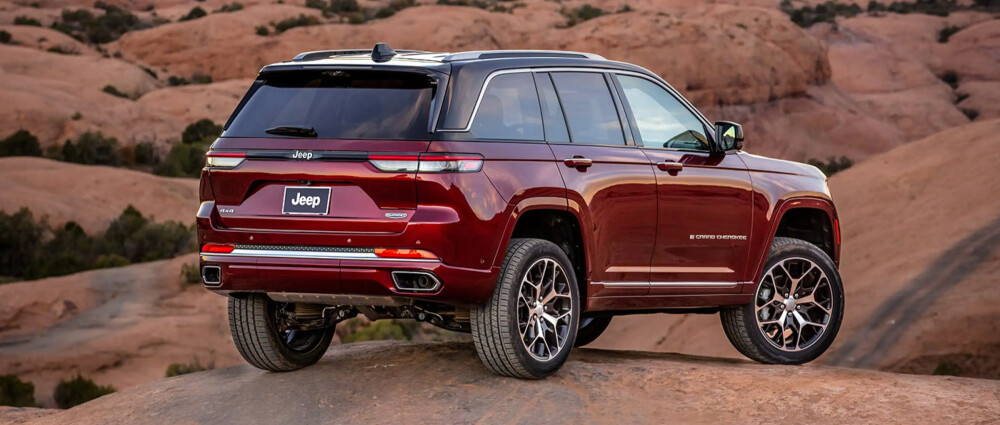
Grand Cherokee Fuel Capacity Vs. Other Suvs
How does the Grand Cherokee compare to other popular SUVs in its class? Let’s look at a few rivals:
| Model | Fuel Capacity (gallons) |
|---|---|
| Jeep Grand Cherokee | 23.0–24.6 |
| Toyota 4Runner | 23.0 |
| Ford Explorer | 18.6–20.2 |
| Honda Passport | 19.5 |
| Chevrolet Blazer | 19.4 |
Non-obvious insight: The Grand Cherokee’s large tank is a real advantage for long drives or remote travel. You’ll stop less often for fuel compared to most midsize competitors.
Why Fuel Capacity Matters
A bigger fuel tank means you can travel farther between stops. This is helpful if you:
- Drive long distances regularly
- Live in rural areas with few gas stations
- Enjoy off-roading or camping in remote places
However, a larger tank also means more weight when full, which can slightly reduce fuel economy. If you mostly drive in the city, you might not need the full capacity often.

Tips For Maximizing Your Driving Range
You can make the most of your Grand Cherokee’s fuel tank by following some simple habits:
- Drive smoothly. Avoid rapid acceleration and hard braking.
- Keep tires inflated. Low tire pressure lowers fuel efficiency.
- Remove extra weight. Don’t carry unnecessary cargo.
- Limit idling. Turn off the engine if you’ll be stopped for more than a minute.
- Plan refueling. In remote areas, fill up before the tank is low.
A common mistake is to rely only on the fuel gauge. The “empty” mark often leaves some reserve, but it’s risky to push your luck.
Many Grand Cherokee owners are surprised to learn their “distance to empty” reading is only an estimate, not a guarantee.
Special Cases: Hybrid And Diesel Grand Cherokees
The Grand Cherokee 4xe plug-in hybrid uses both gas and electricity. When fully charged, it can travel up to 25 miles on electricity alone before switching to gas. This can stretch your total range and reduce fuel stops in daily driving.
The older EcoDiesel engine was prized for its long range—over 600 miles on a tank in some cases. However, diesel models are no longer sold new in the US as of 2026.
When Should You Refuel?
Most experts recommend refueling when your tank is about one-quarter full. This helps avoid running out in unexpected places and reduces stress on your fuel pump, which can overheat if run dry.
If you often wait until the warning light comes on, remember that you typically have 2–3 gallons left. Still, it’s best not to make this a habit.