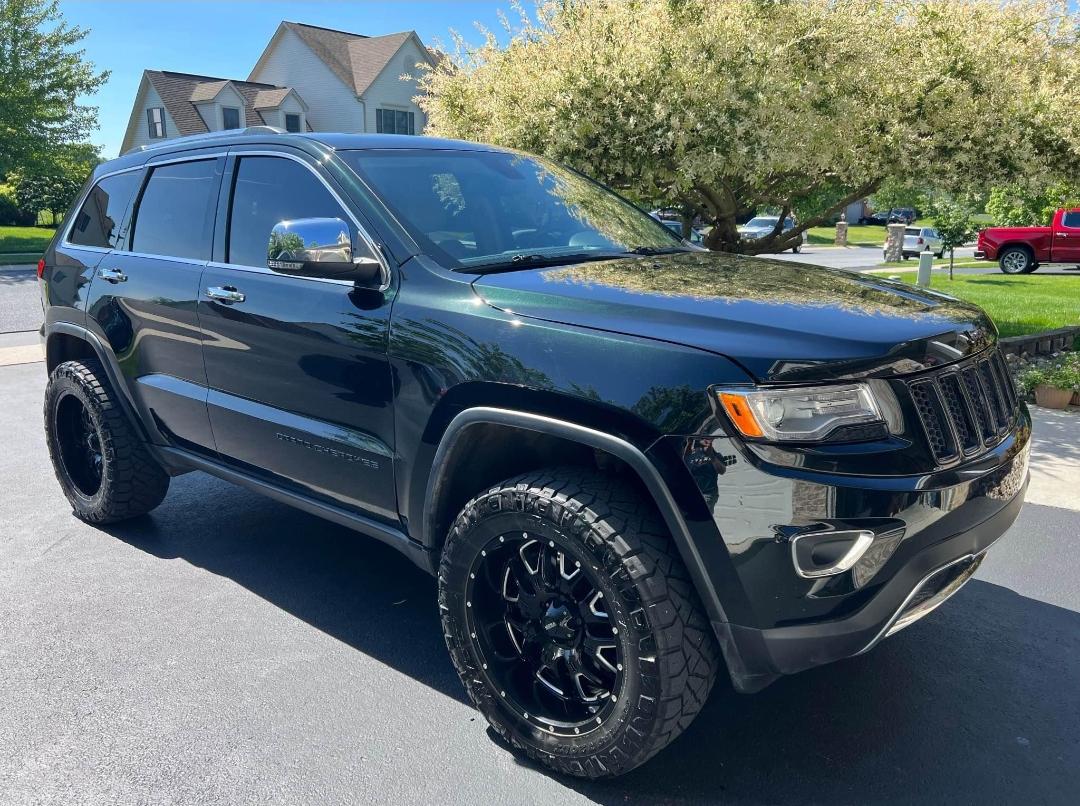
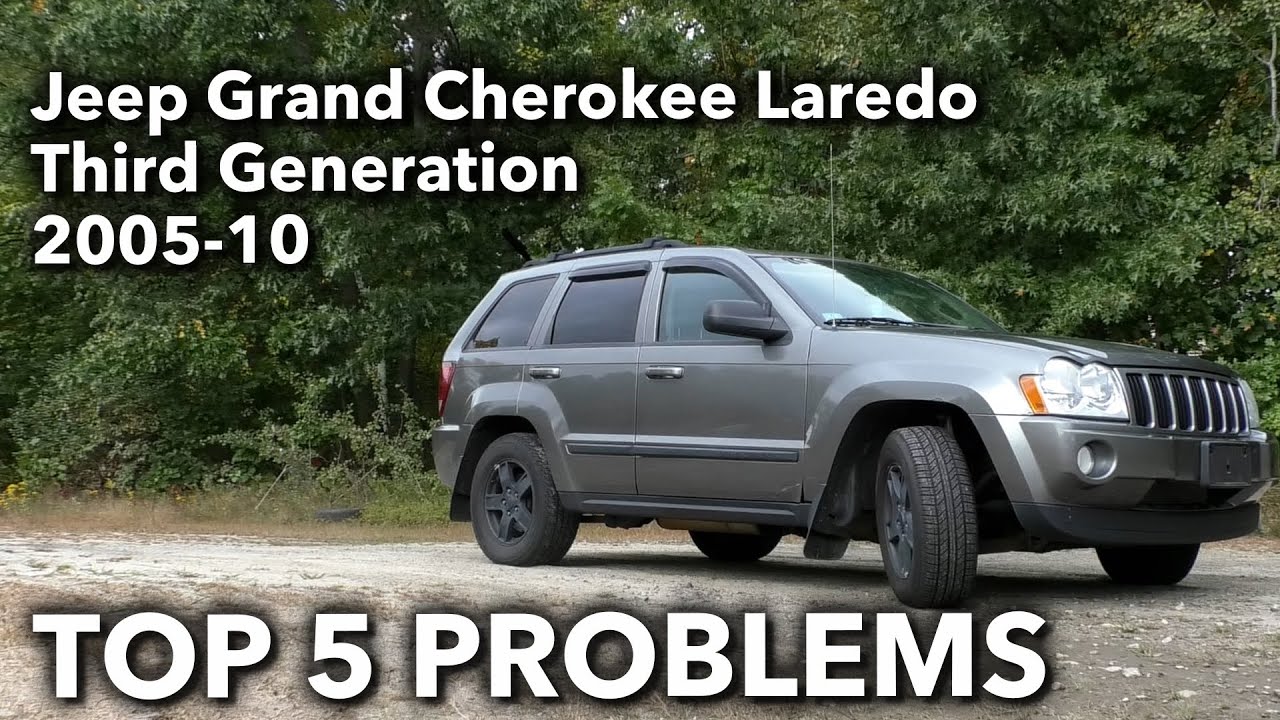
The Jeep Grand Cherokee Ecodiesel was once celebrated for its power and fuel economy. However, many owners have faced frustrating and expensive problems with this SUV.
If you are considering buying a used Ecodiesel or want to understand what current owners experience, this guide explains the most common issues, why they happen, and what you can do about them.
Common Jeep Grand Cherokee Ecodiesel Problems
The Ecodiesel engine offers good torque and lower fuel use, but it brings a unique set of challenges. Here are the main problems owners report.
Engine Failure
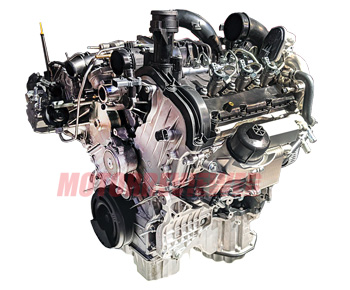
One of the most serious issues is engine failure. This can happen as early as 50,000 miles, though many engines last longer with proper care. Causes include bearing failures, poor oil flow, and sometimes failed turbochargers. When the engine fails, repair costs can reach $8,000 or more.
Exhaust System Issues
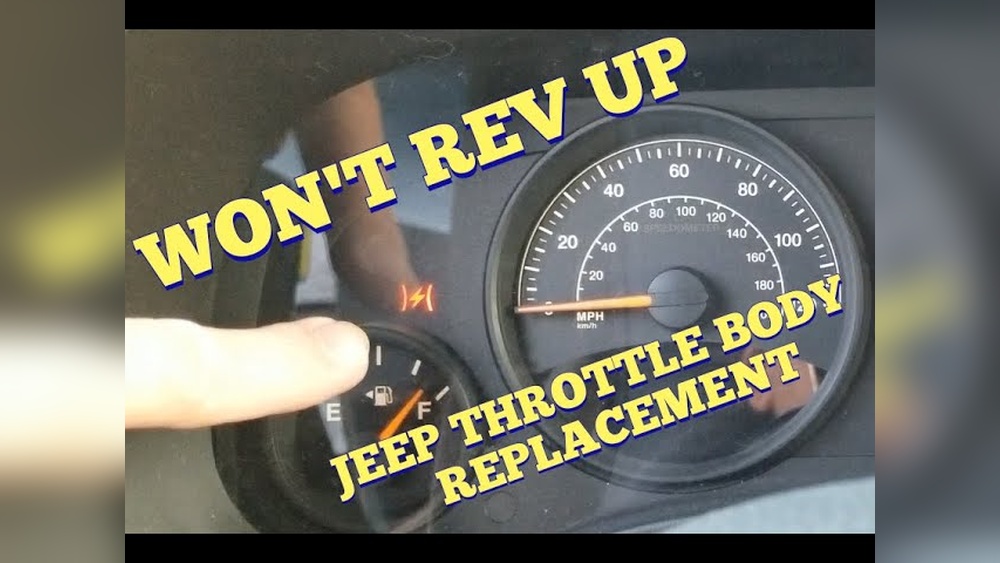
The Diesel Exhaust Fluid (DEF) system and Diesel Particulate Filter (DPF) often create trouble. Owners report warning lights, limp mode, and failed emissions tests. The DPF can become clogged if the vehicle is used mainly for short trips, as it needs highway speeds to burn off soot. DEF system sensors are also known to fail, causing the engine to reduce power.
Leaks And Sensor Failures
Oil and coolant leaks are common, especially from the oil cooler and EGR cooler. These leaks can lead to overheating or low oil pressure. Sensors, such as the NOx sensor and oxygen sensor, may fail and trigger check engine lights. Replacement parts can be expensive.
Transmission Problems
Some owners experience rough shifting or delayed gear changes. While not unique to the Ecodiesel, the ZF 8-speed automatic transmission in these models can develop problems if not properly maintained. Regular transmission fluid changes are essential, even though Jeep suggests long intervals.
Emissions System Recalls
In 2017, Jeep issued major recalls for the Ecodiesel engine due to emissions cheating software. After updates, some owners noticed reduced power, worse fuel economy, and new warning lights. These changes were not always explained clearly, leading to frustration.
How These Problems Affect Owners
Dealing with these issues can be stressful and expensive. Many problems appear after the basic warranty ends.
Repairs often require special tools and knowledge, so independent mechanics may refuse the job.
| Problem | Average Repair Cost | Typical Mileage |
|---|---|---|
| Engine Failure | $7,000 – $10,000 | 50,000 – 120,000 |
| DEF System Faults | $1,000 – $2,500 | 40,000 – 90,000 |
| Oil Cooler Leak | $800 – $1,500 | 60,000 – 100,000 |
A key insight for new owners: Many Ecodiesel issues are not visible during a short test drive. Problems like DPF clogging and sensor failures often appear after weeks of driving, especially if the vehicle is used mostly in the city.
What Causes These Issues?
Understanding the root causes can help owners prevent or reduce problems.
- Complex Emissions Systems: Strict US emissions rules mean the Ecodiesel uses advanced systems not designed for short trips or low-speed driving.
- European Engine Design: The Ecodiesel engine was developed for Europe, where diesel fuel quality and driving styles differ. US fuel can increase soot and DPF problems.
- Maintenance Gaps: Owners sometimes skip maintenance because the diesel engine seems tough. In reality, it needs more frequent oil changes and careful attention to warning lights.
| Engine Feature | Benefit | Potential Problem |
|---|---|---|
| Turbocharging | Increases power, efficiency | Turbo failure, oil leaks |
| DEF System | Reduces emissions | Sensor faults, limp mode |
| DPF | Traps soot particles | Clogs, high repair cost |
A mistake many buyers make is thinking diesel engines are always more reliable. While this was true for older trucks, modern emissions controls make today’s diesels more sensitive.
How To Avoid Or Fix Ecodiesel Problems
If you own or are thinking of buying a Grand Cherokee Ecodiesel, here’s what you can do:
1. Drive Longer Distances
The DPF and DEF systems work best on the highway. Regular long drives keep these parts cleaner and reduce clogging.
2. Change Oil Frequently
Use only the oil type Jeep recommends. Change it every 8,000 miles or less, even if the manual suggests longer intervals.
3. Act Quickly On Warning Lights
Never ignore a check engine light or DEF warning. Early repairs are usually cheaper.
4. Get A Pre-purchase Inspection
Before buying, ask a diesel specialist to check for oil leaks, DPF condition, and any software updates. This can reveal problems hidden from casual buyers.
5. Keep Good Records
Document all maintenance and repairs. This helps with warranty claims and resale value.
6. Research Recalls And Service Bulletins
Check the Jeep or NHTSA website for recall info. Some problems are fixed for free under recall.

Ecodiesel Vs. Gasoline Grand Cherokee
Some buyers wonder if the Ecodiesel is still a good option compared to the gasoline V6 or V8 models.
| Model | Fuel Economy (Combined MPG) | Repair Cost (10 Years) | Common Problems |
|---|---|---|---|
| Ecodiesel | 24 | High | Engine, emissions |
| V6 Gas | 20 | Medium | Cooling, sensors |
| V8 Gas | 17 | Medium | Oil leaks, transmission |
The Ecodiesel offers better fuel economy and towing power, but repairs are often more expensive. For drivers who mainly use the SUV for city trips or short commutes, the gas models may be a better choice.
Frequently Asked Questions