The Jeep Grand Cherokee is known for its strong performance, both on and off the road. One important part of its drivetrain is the differential, which helps the wheels turn at different speeds.
To keep your Grand Cherokee running smoothly, you need to pay attention to the differential fluid. Knowing the right fluid capacity, when to change it, and why it matters can help extend the life of your vehicle.
Many owners overlook this simple maintenance, but it can save you money and trouble.
What Is Differential Fluid And Why Is It Important?
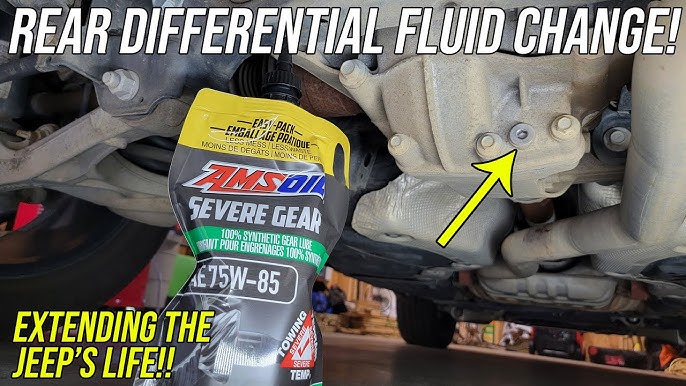
The differential fluid lubricates the gears inside the differential. It reduces friction, cools the moving parts, and helps prevent wear. If the fluid level is too low or old, the differential can overheat and fail. This can lead to expensive repairs and poor performance.
For the Jeep Grand Cherokee, the type and amount of differential fluid depend on the model year, axle type, and whether it has a limited-slip or open differential. Most modern Grand Cherokees use synthetic gear oil, which lasts longer and performs better under tough conditions.
Jeep Grand Cherokee Differential Fluid Capacities
The fluid capacity of a differential is not the same for every Grand Cherokee. It depends on the axle type and the year. Here’s a breakdown of the most common configurations:
| Model Year | Front Differential (qt) | Rear Differential (qt) | Axle Type |
|---|---|---|---|
| 2011–2026 | 1.5–2.0 | 2.0–2.5 | Standard/Quadra-Trac |
| 2005–2010 | 1.3–1.7 | 1.7–2.2 | Standard/Limited Slip |
| 1999–2004 | 1.2–1.5 | 1.5–2.0 | Dana 30/35/44 |
These numbers are approximate. Always check your owner’s manual or the differential cover for exact fluid requirements.
Using too much or too little fluid can cause problems.
Types Of Differential Fluid For Grand Cherokee
Jeep recommends different fluids based on the differential type:
- Open Differential: Usually uses SAE 75W-140 or 80W-90 gear oil.
- Limited-Slip Differential: Needs the same gear oil but with friction modifier added.
- Quadra-Trac/Quadra-Drive: Often requires synthetic gear oil (SAE 75W-140).
Some fluids are made for high performance or towing. If you use your Grand Cherokee for heavy-duty work, consider synthetic gear oil. It lasts longer and protects better.
| Differential Type | Recommended Fluid | Friction Modifier Needed? |
|---|---|---|
| Open | SAE 80W-90 | No |
| Limited-Slip | SAE 75W-140 | Yes |
| Quadra-Trac II | Synthetic 75W-140 | No |
How To Check And Change Differential Fluid
Changing the differential fluid is not difficult, but you need some basic tools and knowledge.
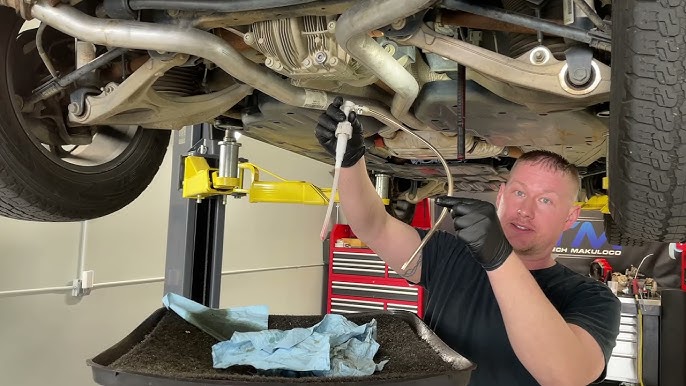
- Check the fluid level: Find the fill plug on the differential case. Remove it and use your finger or a dipstick to check the fluid level. It should be just below the fill hole.
- Drain the old fluid: Put a drain pan under the differential. Remove the drain plug or cover bolts and let the fluid drain out completely.
- Clean the surface: Wipe the mating surfaces clean before putting the cover or plug back.
- Refill with new fluid: Use a pump to add the correct amount and type of fluid. Do not overfill.
- Add friction modifier: For limited-slip differentials, pour in the right amount of friction modifier.
Most Jeep Grand Cherokee owners change the differential fluid every 30,000 to 60,000 miles, or sooner if driving in harsh conditions.
| Step | Tool Needed | Tip |
|---|---|---|
| Check fluid | Socket wrench | Always check on a level surface |
| Drain fluid | Drain pan | Wear gloves for safety |
| Refill | Pump | Use a funnel to avoid spills |
| Add modifier | Measuring cup | Follow exact quantity |

Common Mistakes And How To Avoid Them
Many Jeep Grand Cherokee owners make mistakes when servicing the differential:
- Using the wrong fluid: Always check Jeep’s recommendations. The wrong fluid can damage the gears.
- Missing friction modifier: Skipping this step in limited-slip differentials causes noise and poor performance.
- Overfilling or underfilling: Too much fluid can cause leaks; too little leads to overheating.
- Not cleaning the cover: Dirt and old gasket material can cause leaks.
A non-obvious tip is to inspect the magnet inside the differential cover. This magnet collects metal shavings. Too many shavings mean excessive wear and may need attention.
Another insider’s trick is to replace the gasket every time you open the cover. Old gaskets don’t seal well and can cause leaks.
Frequently Asked Questions