Owning a Jeep Grand Cherokee is all about adventure and reliability. But to keep your SUV running smoothly, knowing the right coolant capacity is essential. Whether you’re changing coolant yourself or just curious about how much your Jeep needs, understanding these details can prevent overheating and expensive repairs. Many people overlook the importance of getting coolant levels right, but even a small mistake can lead to big problems.
Jeep Grand Cherokee Coolant Capacity Explained
Every engine needs the right amount of coolant—not too little, not too much. The Jeep Grand Cherokee comes in several models, each with its own coolant capacity. Here’s why knowing your specific model’s requirements is important:
- Too little coolant: Can cause overheating, engine damage, and reduced performance.
- Too much coolant: May overflow and create mess or lead to pressure issues.
Most Grand Cherokees use a mixture of water and antifreeze. This blend regulates temperature and protects against corrosion.
Typical Coolant Capacities By Model Year
Let’s look at the most common Grand Cherokee models and their recommended coolant capacities:
| Model Year | Engine Type | Coolant Capacity (quarts) |
|---|---|---|
| 2011–2017 | 3.6L V6 | 7.2 |
| 2011–2017 | 5.7L V8 | 14.0 |
| 2018–2026 | 3.6L V6 | 7.2 |
| 2018–2026 | 5.7L V8 | 14.0 |
| 2018–2026 | 6.2L SRT | 14.0 |
| 2026 | 3.6L V6 | 7.2 |
As you can see, the 3.6L V6 engine uses less coolant than the 5.7L V8 or 6.2L SRT versions. Always check your owner’s manual for exact numbers, since even small differences can affect engine health.
How To Check And Fill Coolant In Jeep Grand Cherokee
Keeping your coolant at the correct level isn’t hard, but it’s easy to make mistakes. Here’s a simple step-by-step guide:
- Park and cool down: Never check coolant when the engine is hot. Wait at least 30 minutes after driving.
- Locate the reservoir: It’s usually a translucent plastic tank near the engine.
- Check the level: Look for “Max” and “Min” lines. The coolant should sit between them.
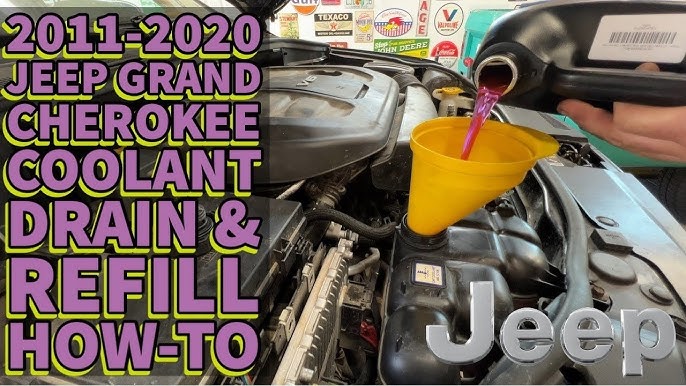
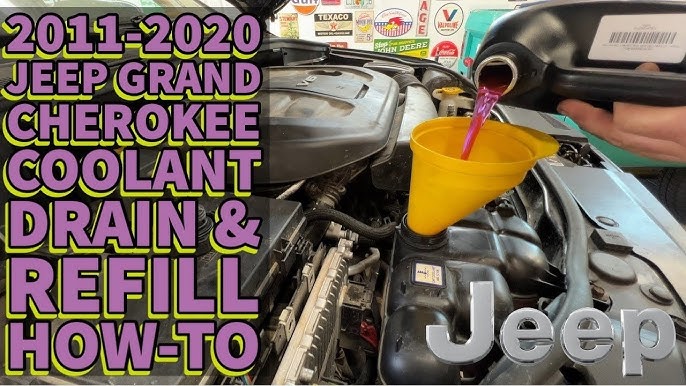
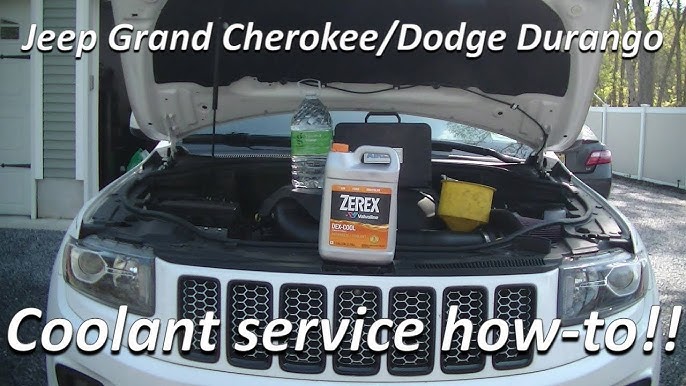
- Add coolant: If needed, use a 50/50 mix of water and antifreeze. Pour slowly to avoid spills.
Common Mistakes
- Using the wrong type of coolant. Always use HOAT or OAT coolant as recommended by Jeep.
- Overfilling the reservoir. Extra coolant can spill and harm engine parts.
- Forgetting to check for leaks. If coolant levels drop quickly, inspect hoses and the radiator.
Why Coolant Capacity Matters
Many drivers think coolant is just about preventing overheating. Actually, it does much more:
- Protects engine parts: Stops rust and corrosion.
- Maintains fuel efficiency: Keeps engine temperature stable.
- Improves longevity: Reduces wear and tear.
A low coolant level can lead to head gasket failure, which is expensive to fix. Overfilling can burst hoses or damage the radiator. Proper coolant capacity keeps your Grand Cherokee ready for long trips and tough conditions.
Real-world Example
A 2020 Jeep Grand Cherokee owner noticed their engine temperature rising during summer. After checking, they found the coolant level was below the minimum mark.
They added the right amount, and the temperature returned to normal. This simple fix prevented a possible breakdown.
Coolant Types For Jeep Grand Cherokee
Jeep recommends specific coolant types depending on the model year. Choosing the right one is vital:
| Coolant Type | Recommended Years | Features |
|---|---|---|
| HOAT (Hybrid Organic Acid Technology) | 2011–2018 | Long-life, anti-corrosion |
| OAT (Organic Acid Technology) | 2019–2026 | Extended protection, less maintenance |
Using the wrong coolant can cause engine problems and void warranties. If you’re not sure which to use, ask your dealer or check the manual.
Tips For Maintaining Jeep Grand Cherokee Cooling System
Keeping your cooling system in top condition means fewer worries on the road. Here are some practical tips:
- Change coolant every 5 years or 100,000 miles (whichever comes first).
- Inspect hoses and clamps for cracks or leaks.
- Flush the system when you change coolant to remove old deposits.
- Use distilled water in the mix to prevent mineral buildup.
- Check the coolant reservoir monthly, especially before long drives.
Many beginners forget to replace coolant because it looks clean. But coolant loses its protective ability over time, so regular changes are vital.
Comparison: Jeep Grand Cherokee Vs. Other Suvs
How does the Grand Cherokee’s coolant capacity compare with similar SUVs?
| Model | Engine | Coolant Capacity (quarts) |
|---|---|---|
| Jeep Grand Cherokee | 3.6L V6 | 7.2 |
| Toyota 4Runner | 4.0L V6 | 7.8 |
| Ford Explorer | 2.3L EcoBoost | 8.5 |
| Honda Pilot | 3.5L V6 | 7.6 |
The Grand Cherokee’s coolant capacity is similar to other midsize SUVs. But its larger engines need more coolant, especially V8 and SRT models.