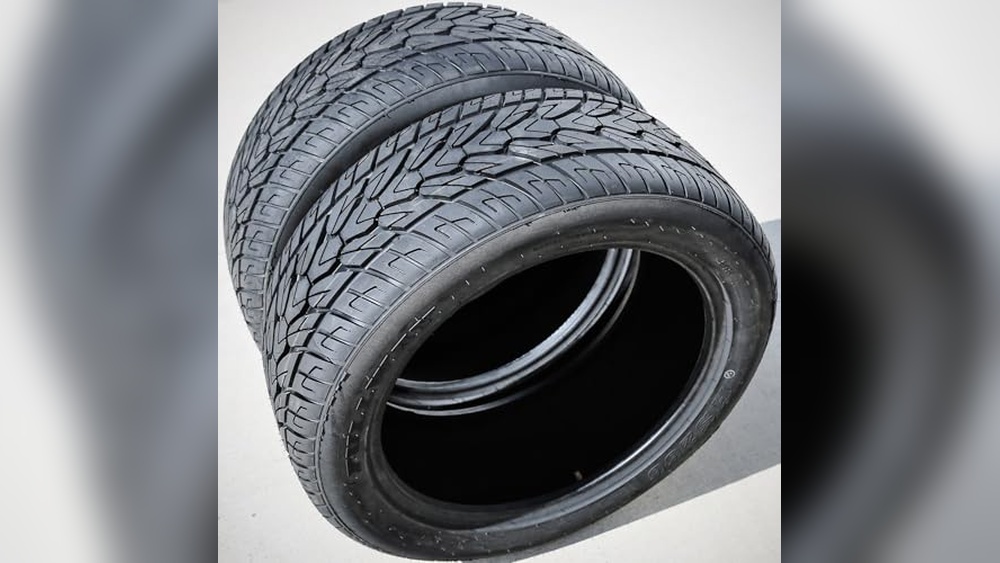
The Jeep Grand Cherokee is a popular SUV known for its power and comfort. But many owners face brake problems, which affect both safety and driving experience. Understanding these issues helps you solve them faster and avoid expensive repairs. This article explores common brake issues, their causes, and practical solutions. If you drive a Grand Cherokee or plan to buy one, this guide will help you stay informed and confident on the road.
Common Brake Issues In Jeep Grand Cherokee
Brake problems are more than just annoying—they can be dangerous. Here are some of the most reported issues:
1. Brake Pedal Feels Soft Or Spongy
A soft brake pedal means the pedal sinks easily and lacks firmness. This is often caused by air in the brake lines, worn brake pads, or a failing master cylinder.
2. Brake Noise (squealing, Grinding)
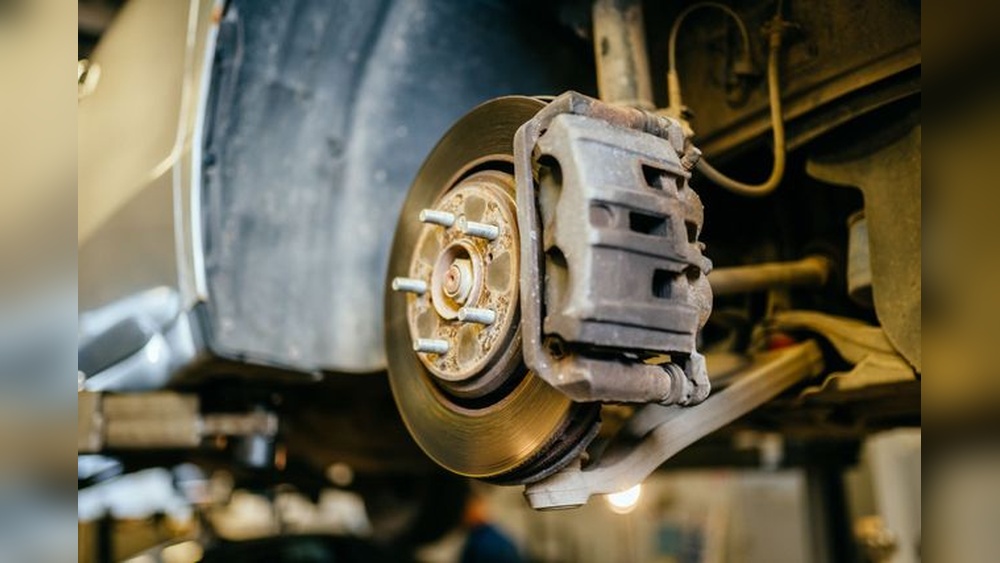
Many owners complain about loud noises when braking. Squealing usually comes from worn brake pads, while grinding means metal parts are touching—often a sign the pads are completely worn out.
3. Vibration Or Pulsation
If you feel shaking when you press the brakes, it may be due to warped brake rotors. This happens from repeated hard braking or overheating.
4. Brake Warning Light On
The brake warning light signals issues like low brake fluid, worn pads, or sensor malfunctions. Ignoring it can lead to more serious problems.
5. Reduced Braking Power
Sometimes, the brakes feel weaker and take longer to stop the vehicle. This can be caused by contaminated brake fluid, worn pads, or malfunctioning brake boosters.
Causes Of Brake Issues
Knowing the root causes helps prevent future problems. Here are the main reasons for brake issues in the Grand Cherokee:
| Issue | Primary Cause | Typical Repair Cost |
|---|---|---|
| Soft Pedal | Air in brake lines | $150 – $300 |
| Squealing Noise | Worn brake pads | $200 – $350 |
| Vibration | Warped rotors | $250 – $400 |
| Warning Light | Low fluid / sensor | $100 – $250 |
| Reduced Power | Contaminated fluid | $120 – $180 |
- Worn Brake Pads: Pads wear out over time, especially with heavy use.
- Brake Fluid Leaks: Leaks lower fluid levels and make braking less effective.
- Rotor Damage: Rotors can warp or crack if overheated.
- Faulty Brake Calipers: Calipers press pads against the rotor. If they fail, braking power drops.
- Electrical Issues: Sensors and electronics sometimes malfunction, causing warning lights or loss of ABS.

Signs You Should Not Ignore
Some symptoms need immediate attention to avoid accidents and bigger repair bills:
- Brakes take longer to stop
- Brake pedal sinks or feels loose
- Burning smell after braking
- Visible fluid leaks near wheels
- ABS warning light stays on
If you notice any of these, get your brakes checked right away.
Solutions And Preventive Tips
You can avoid most problems by following simple steps:
1. Regular Inspections
Check brakes every 12,000 miles or once a year. Look for pad thickness, rotor condition, and fluid level.
2. Replace Pads Early
Don’t wait until pads are thin. Early replacement protects rotors and keeps braking smooth.
3. Brake Fluid Maintenance
Flush brake fluid every 2 years. Old fluid can cause corrosion and reduce braking efficiency.
4. Avoid Hard Braking
Frequent hard stops overheat brakes and warp rotors. Drive smoothly to extend brake life.
5. Choose Quality Parts
Use original or high-quality aftermarket parts. Cheap pads and rotors wear faster and can cause more issues.
6. Monitor Warning Lights
Never ignore the brake or ABS light. It’s a sign something needs attention.
Comparison Of Brake Pad Brands For Grand Cherokee
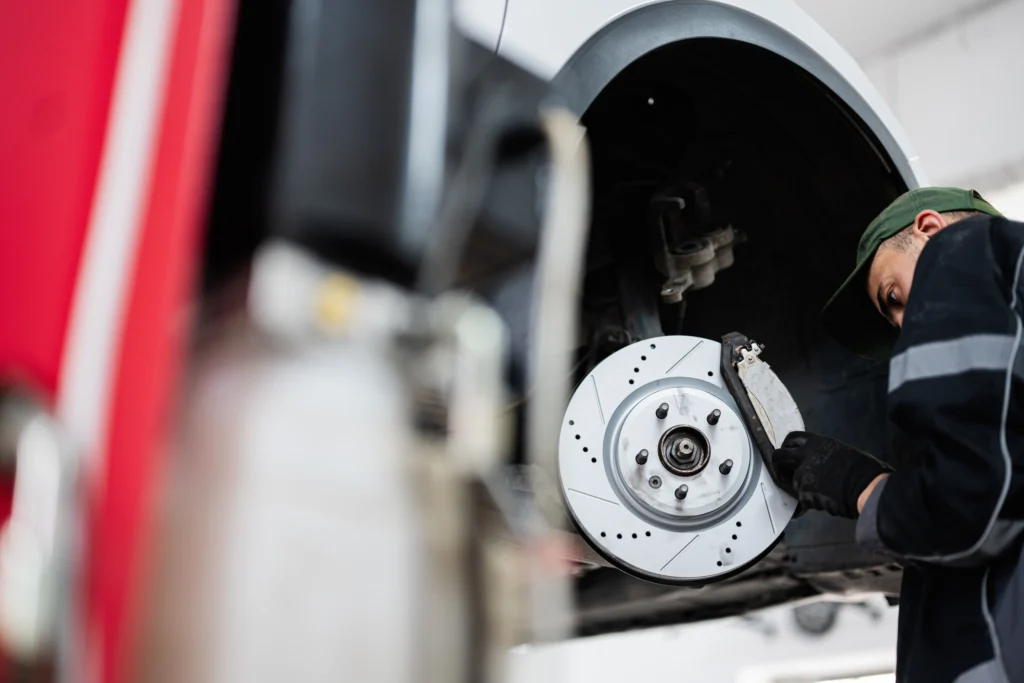
Choosing the right brake pads is important. Here’s a comparison of three popular brands:
| Brand | Type | Average Lifespan | Cost (Set) |
|---|---|---|---|
| OEM Mopar | Ceramic | 40,000 miles | $220 |
| PowerStop | Semi-Metallic | 30,000 miles | $160 |
| Bosch | Ceramic | 35,000 miles | $180 |
OEM Mopar pads offer the best fit and longest life but cost more. PowerStop is good for performance but wears out faster. Bosch balances cost and durability.
Real Owner Experiences
Many drivers share their stories online. For example, a 2017 Grand Cherokee owner reported a soft pedal and found air in the brake lines after a recent pad change. Another 2019 owner experienced grinding and discovered the rear pads had worn down faster than expected—a reminder to check all pads, not just the front.
Some owners also notice the brakes feel weaker after driving through deep water. Water can temporarily reduce friction, so be careful in wet conditions.
A less obvious tip: If your Grand Cherokee has automatic emergency braking, brake wear may be uneven. The system sometimes applies brakes without your knowledge, so inspect pads regularly.
When To Seek Professional Help
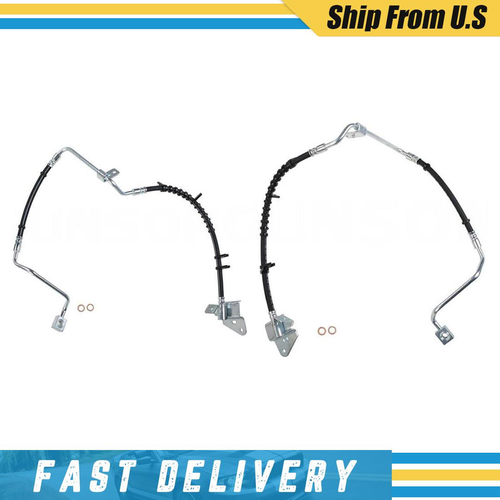
Not all brake issues can be solved at home. Call a qualified mechanic if:
- The brake pedal feels dangerously soft
- Braking power is much weaker than normal
- You see fluid leaks
- The ABS warning light stays on
- You hear persistent grinding or squealing
Mechanics have tools to diagnose complex problems—like faulty ABS sensors or master cylinder failure—that most people cannot fix themselves.
Frequently Asked Questions
Why Do My Grand Cherokee Brakes Squeal?
Squealing brakes usually mean the pads are worn or dirty. Sometimes, cheap pads or missing shims cause noise. Clean the pads and replace them if needed.
How Often Should I Replace Brake Pads?
Most pads last 30,000–40,000 miles, but this depends on driving style and conditions. Check pads yearly and replace them when they are 3mm thick or less.
Is It Safe To Drive With The Brake Warning Light On?
No. The brake warning light signals a problem with fluid, pads, or sensors. Driving with it can be dangerous and may cause further damage.
What Causes Brake Pedal Vibration?
Brake pedal vibration is usually from warped rotors. It can also come from loose wheel bearings or uneven pad wear.
Can I Use Aftermarket Brake Parts?
Yes, but choose high-quality brands that match your Grand Cherokee’s specs. Poor-quality parts wear out faster and may affect safety.
If you want more technical details, visit the Jeep Grand Cherokee Wikipedia page for in-depth information.
Maintaining your Grand Cherokee’s brakes keeps you safe and saves money in the long run. Understanding the warning signs and acting fast means fewer repairs and more peace of mind. Stay alert, inspect regularly, and use quality parts—your brakes are one of the most important systems in your SUV.