When your Jeep Grand Cherokee starts having battery issues, daily life can get stressful fast. Maybe the engine won’t turn over, or the electronics flicker.
Understanding how to charge, maintain, and troubleshoot your Grand Cherokee’s battery can save time, money, and frustration. Whether you drive a newer hybrid model or a classic V6, knowing battery basics helps keep your SUV reliable.
Understanding Your Jeep Grand Cherokee Battery
The Grand Cherokee uses different battery types depending on the model year and engine. Most traditional models have a 12-volt lead-acid battery, while newer hybrids and plug-in versions include high-voltage lithium-ion batteries. Lead-acid batteries power the starter, lights, and electronics. Lithium-ion batteries in hybrid models also drive electric motors.
Here’s a quick comparison:
| Battery Type | Common Models | Voltage | Lifespan |
|---|---|---|---|
| Lead-acid | Most 2010–2026 | 12V | 3–5 years |
| Lithium-ion | 4xe Hybrid | High Voltage (400V+) | 8–10 years |
Many drivers overlook battery size and type. Using the wrong battery can damage your SUV’s electrical system. Always check your owner’s manual for the exact battery specifications.
How To Safely Charge Your Grand Cherokee Battery
Charging your battery isn’t difficult, but safety matters. Here’s how to do it the right way:
- Turn off the vehicle and remove the key.
- Locate the battery. In some models, it’s under the hood; in others, it’s under the passenger seat.
- If using a charger, connect the positive cable (red) to the battery’s positive terminal (+).
- Connect the negative cable (black) to the negative terminal (–), or a grounded metal part.
- Set your charger to the correct voltage and amperage. Most Grand Cherokees require 12 volts and a slow charge (2–10 amps).
- Plug in and turn on the charger. Charging time depends on battery size and condition—usually 4–12 hours for a full charge.
- When charging finishes, turn off the charger before disconnecting cables.
Never try to charge a damaged or leaking battery. For hybrid models, only use manufacturer-approved charging equipment. Attempting to charge a high-voltage battery without proper tools is dangerous.
Common Charging Mistakes
- Skipping safety steps: Not wearing gloves or eye protection.
- Wrong charger settings: Using too high amperage can overheat and destroy the battery.
- Incorrect cable order: Connecting cables in reverse can cause sparks or damage.
Signs Your Battery Needs Charging Or Replacement
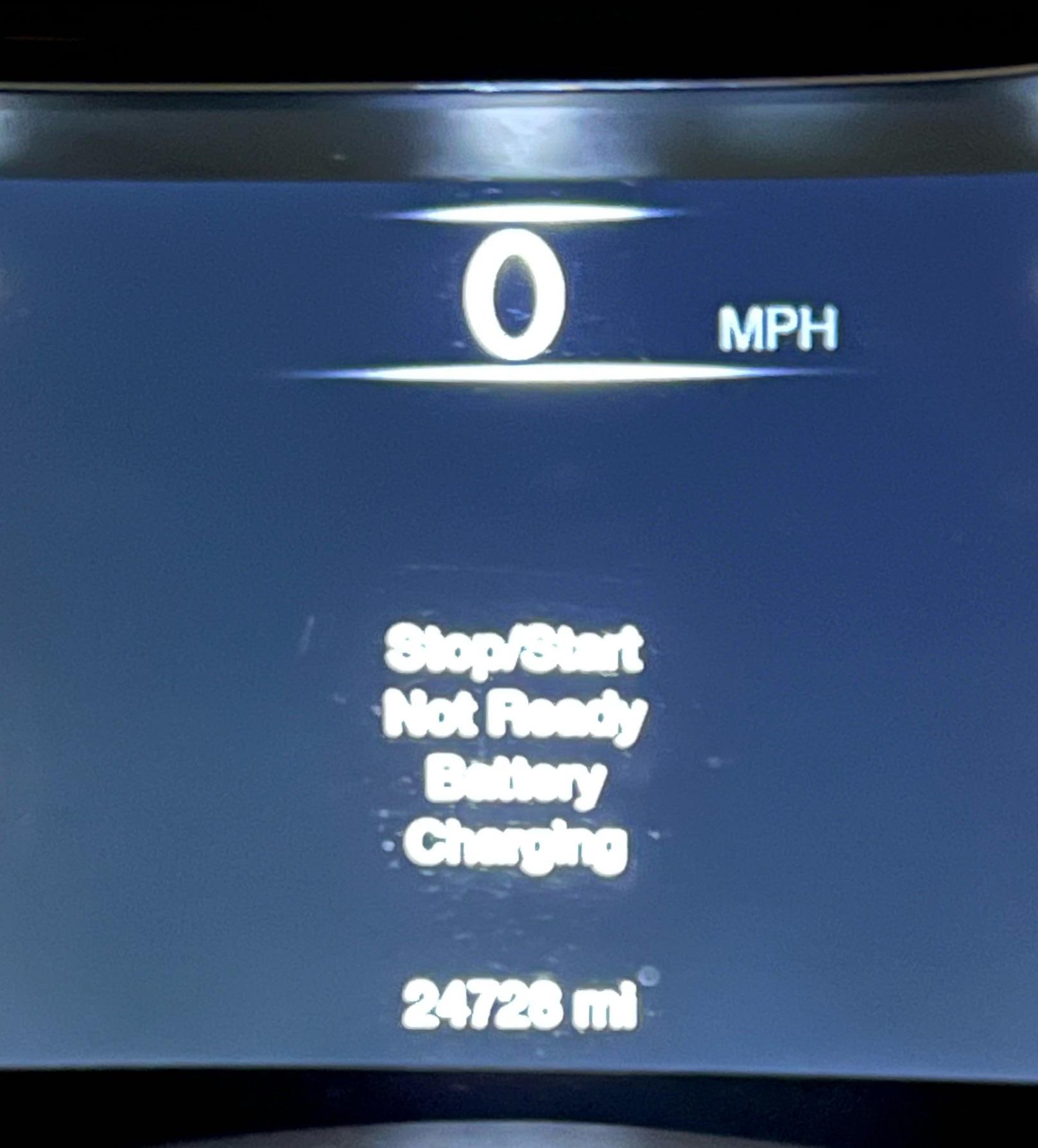
Sometimes, battery problems are obvious. Other times, they hide until you’re stranded. Watch for these signs:
- Slow engine start: The engine hesitates or cranks slowly.
- Dim headlights: Lights lose brightness, especially when idling.
- Electrical issues: Radio, windows, or dashboard flicker or fail.
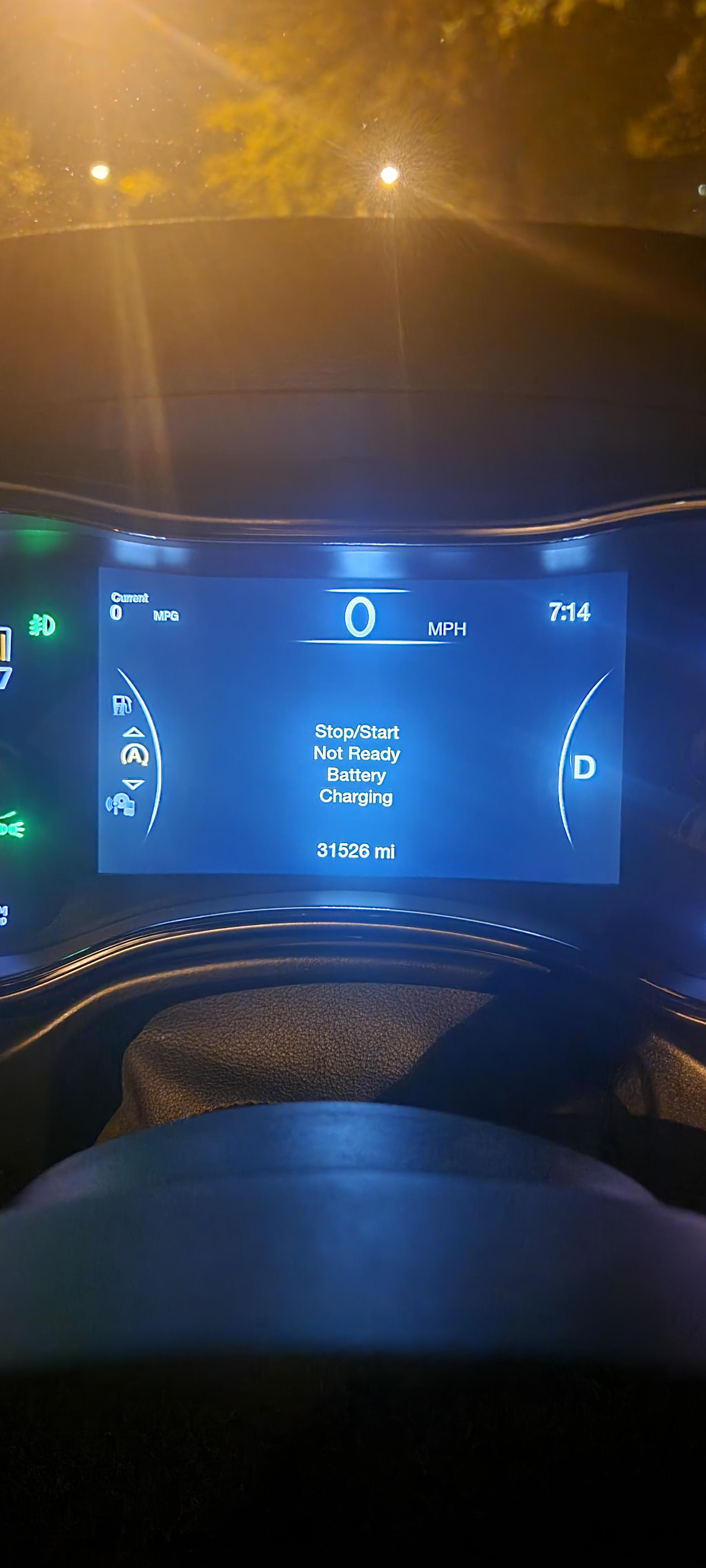
- Warning light: Battery or charging system icon lights up.
Here’s a helpful comparison of symptoms:
| Symptom | Possible Cause | Action |
|---|---|---|
| Slow start | Low charge | Recharge battery |
| Dim lights | Old battery | Test and replace |
| Warning light | Charging system fault | Check alternator |
Many drivers think a dead battery is always the problem, but sometimes it’s the alternator or wiring. If charging doesn’t help, have the battery and charging system tested by a mechanic.
Maintenance Tips For Longer Battery Life
Proper care helps your Jeep Grand Cherokee battery last longer and perform better. Here are easy steps:
- Clean the terminals: Dirt and corrosion block power flow. Use a wire brush and baking soda solution.
- Check fluid levels: Some batteries need distilled water. Low levels cause damage.
- Secure the battery: Loose batteries vibrate and wear out faster.
- Drive regularly: Short trips drain batteries. Longer drives recharge them fully.
- Avoid deep discharging: Letting the battery go completely dead reduces its lifespan.
Most owners overlook cleaning and securing the battery. These simple habits prevent many common failures.
https://www.youtube.com/watch?v=hlpRsSxICl4
How To Choose The Right Replacement Battery
When your battery won’t hold a charge, it’s time for a new one. Picking the right battery matters:
- Size and fit: Jeep Grand Cherokees use Group 94R or Group 48 batteries, but always check your manual.
- Cold Cranking Amps (CCA): Higher CCA means better performance in cold weather.
- Warranty: Quality batteries offer warranties of 3 years or more.
- Brand reputation: Trusted brands like Optima, DieHard, and Interstate last longer.
Many buyers focus only on price. Cheaper batteries often fail sooner, costing more in the long run. If you live in cold climates, prioritize high CCA.
Here’s a quick comparison of popular Grand Cherokee battery brands:
| Brand | CCA | Warranty |
|---|---|---|
| Optima | 800 | 3 years |
| DieHard | 750 | 3 years |
| Interstate | 700 | 2 years |
Professional Help Vs. Diy Charging
Most owners can safely charge a standard battery at home. For hybrid Grand Cherokees, professional service is best. High-voltage systems require special tools and training. Even for standard models, a technician can test for deeper issues, like alternator failure or parasitic drain.
If you’re unsure, it’s smart to consult your dealership or certified mechanic. For more technical details, visit the official Jeep website.
Frequently Asked Questions
<!– wp:rank-math/faq-block {"questions":[{"id":"faq-question-d0a836833d76","title":"How Long Does It Take To Charge A Jeep Grand Cherokee Battery?","content":"Charging a standard 12-volt battery takes about 4–12 hours using a slow charger. Fast chargers can do it in 1–2 hours but may reduce battery life.
“,”visible”:true},{“id”:”faq-question-c9faaf8559ae”,”title”:”Can I Jump-start My Grand Cherokee If The Battery Is Dead?”,”content”:”Yes, you can jump-start using another vehicle or a jump pack. Always follow the correct cable order to avoid damage. Hybrid models require special procedures.
“,”visible”:true},{“id”:”faq-question-4a9fe89f6d26″,”title”:”What Battery Type Does A 2026 Grand Cherokee 4xe Use?”,”content”:”The 2026 Grand Cherokee 4xe uses a high-voltage lithium-ion battery plus a 12-volt lead-acid battery for accessories. Only charge the high-voltage battery with manufacturer-approved equipment.
“,”visible”:true},{“id”:”faq-question-b0800de86a1b”,”title”:”How Often Should I Replace My Grand Cherokee Battery?”,”content”:”Most batteries last 3–5 years. If you notice weak starts or electrical issues, test your battery. Replace it sooner in extreme climates.
“,”visible”:true},{“id”:”faq-question-be312101a0df”,”title”:”Why Does My Battery Keep Dying Even After Charging?”,”content”:”Frequent battery failure can mean a bad alternator, faulty wiring, or parasitic drain. If charging doesn’t help, get your system checked by a professional.
Keeping your Jeep Grand Cherokee battery healthy makes every drive smoother and safer. With the right knowledge, you can prevent breakdowns and enjoy more worry-free miles. A little attention today saves a lot of trouble tomorrow.
“,”visible”:true}]} –>How Long Does It Take To Charge A Jeep Grand Cherokee Battery?
Charging a standard 12-volt battery takes about 4–12 hours using a slow charger. Fast chargers can do it in 1–2 hours but may reduce battery life.
Can I Jump-start My Grand Cherokee If The Battery Is Dead?
Yes, you can jump-start using another vehicle or a jump pack. Always follow the correct cable order to avoid damage. Hybrid models require special procedures.
What Battery Type Does A 2026 Grand Cherokee 4xe Use?
The 2026 Grand Cherokee 4xe uses a high-voltage lithium-ion battery plus a 12-volt lead-acid battery for accessories. Only charge the high-voltage battery with manufacturer-approved equipment.
How Often Should I Replace My Grand Cherokee Battery?
Most batteries last 3–5 years. If you notice weak starts or electrical issues, test your battery. Replace it sooner in extreme climates.
Why Does My Battery Keep Dying Even After Charging?
Frequent battery failure can mean a bad alternator, faulty wiring, or parasitic drain. If charging doesn’t help, get your system checked by a professional.
Keeping your Jeep Grand Cherokee battery healthy makes every drive smoother and safer. With the right knowledge, you can prevent breakdowns and enjoy more worry-free miles. A little attention today saves a lot of trouble tomorrow.