If you own a Jeep Grand Cherokee 5. 7L, understanding the belt system is important for basic maintenance and longer engine life.
Many owners get confused when looking under the hood—there are several pulleys and belts, and it’s easy to mix them up. Knowing how the belt diagram works can help you save money, avoid mistakes, and fix minor problems yourself.
This guide breaks down the belt layout for the 5. 7L V8 engine, explains each part, and offers practical tips for DIY repairs.
Why The Belt Diagram Matters
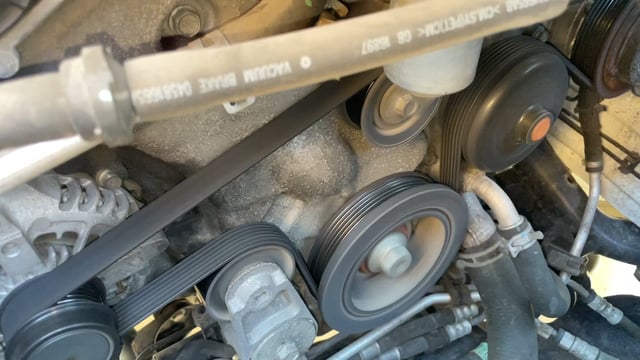
The serpentine belt powers many key accessories, including the alternator, power steering pump, and air conditioning compressor. If you install it incorrectly, your Jeep may not run or could be damaged. The belt diagram is a simple map showing how the belt moves over each pulley. With the right diagram, you can replace the belt quickly and safely.
Jeep Grand Cherokee 5.7l Belt System Overview
Your 5.7L V8 uses a single serpentine belt. This belt snakes around various pulleys, connecting the crankshaft to other engine components. Here’s a quick look at the five main items the belt touches:
- Crankshaft Pulley
- Alternator
- Power Steering Pump
- Air Conditioning Compressor
- Idler/Tensioner Pulley
Let’s look at each part and its role in the belt routing.
1. Crankshaft Pulley
The crankshaft pulley is the main drive source. It sits at the bottom front of the engine and spins every time the engine runs. The serpentine belt wraps tightly around it, using the crankshaft’s rotation to move all other accessories.
A common mistake is routing the belt without enough contact on this pulley. If the belt doesn’t grip well, it can slip or squeal, especially during startup.
Always check that the belt covers most of the crankshaft pulley’s surface.
2. Alternator
The alternator sits at the upper front of the engine. Its job is to charge the battery and power electrical systems. If the belt is not routed correctly around the alternator, you may see a battery warning light or lose power to lights and accessories.
For the Grand Cherokee 5. 7L, the belt usually passes over the alternator pulley after leaving the crankshaft pulley.
If you replace the alternator, make sure the new pulley matches the old one in size and alignment.

3. Power Steering Pump
The power steering pump makes turning the steering wheel easy. It’s often placed near the top or side of the engine. The belt must wrap around this pulley firmly—if it slips, the steering will feel heavy or jerky.
Many owners forget to check the power steering pulley during belt replacement. A bent or misaligned pulley can cause premature belt wear.
Compare your pulley alignment with the diagram before installing a new belt.
4. Air Conditioning Compressor
The A/C compressor lets you enjoy cool air inside your Jeep. This pulley is often larger and sits lower on the engine, usually on the passenger side. The belt wraps around it tightly to drive the compressor.
If your air conditioning isn’t working after a belt change, check if the belt is routed correctly around the compressor. An incorrectly installed belt can cause the compressor clutch to fail.
5. Idler/tensioner Pulley
The idler pulley and tensioner pulley keep the belt tight and guide its path. The tensioner uses a spring to maintain the right pressure, so the belt doesn’t slip. The idler pulley is a free-spinning wheel that changes the belt’s direction.
On the 5. 7L engine, the tensioner is usually easy to spot—it has a large bolt head for a wrench.
Always rotate the tensioner to remove or install the belt. If the tensioner is weak, your belt will squeal or fall off.
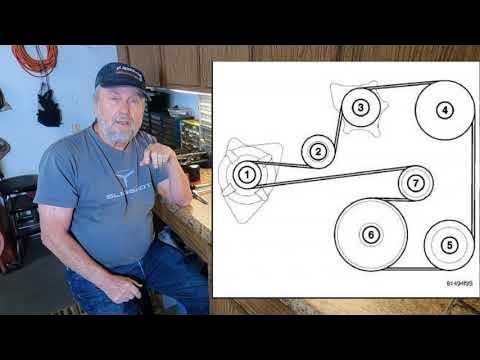
Typical Belt Diagram For Jeep Grand Cherokee 5.7l
The diagram for this engine looks like a long loop with several turns. The belt starts at the crankshaft pulley, goes up and around the alternator, loops down to the A/C compressor, then wraps around the power steering pump and finally around the idler/tensioner pulleys.
Always double-check the diagram under your Jeep’s hood, as small differences exist between model years.
Here’s a simple comparison of how the serpentine belt interacts with the five main pulleys:
| Pulley | Function | Common Issues |
|---|---|---|
| Crankshaft | Drives all accessories | Belt slipping, noise |
| Alternator | Charges battery | Warning lights, poor charging |
| Power Steering | Easy steering | Heavy wheel, fluid leaks |
| A/C Compressor | Cools cabin | No cold air, squealing belt |
| Idler/Tensioner | Keeps belt tight | Belt noise, poor tension |
Steps To Replace The Serpentine Belt
Replacing the belt is a straightforward job if you follow the diagram. Here’s how you can do it:
- Locate the belt diagram under the hood or use a trusted manual.
- Use a wrench to rotate the tensioner pulley and release belt tension.
- Slide the old belt off each pulley, noting the path.
- Match the new belt length and width to your old one.
- Route the new belt around the pulleys, following the diagram exactly.
- Release the tensioner to tighten the new belt.
- Check that the belt sits in the grooves of all pulleys.
This job usually takes about 30–45 minutes. If you’re a beginner, take photos before removing the old belt to avoid confusion.
Common Mistakes To Avoid
Many DIYers make small errors that lead to bigger problems. Here are two common mistakes:
- Not checking pulley alignment: Misaligned pulleys cause the belt to wear out quickly. Use a straightedge or check by eye before finishing the job.
- Forgetting to inspect old pulleys: Worn or noisy pulleys can destroy a new belt fast. Spin each pulley by hand—they should turn smoothly and quietly.
Here’s a quick look at the cost and time for a typical belt replacement versus a repair shop:
| Method | Average Cost | Time Required |
|---|---|---|
| DIY | $30–$60 (belt only) | 30–45 minutes |
| Shop | $100–$200 | 1–2 hours |
When To Replace Your Serpentine Belt
It’s smart to check your belt every 40,000–60,000 miles, or sooner if you hear noise or see cracks. A worn belt can break suddenly, leaving you stranded. Replacing it before it fails is always cheaper and safer.
Where To Find Reliable Belt Diagrams
If your Jeep’s under-hood sticker is missing, use official sources like the Jeep service manual or trusted online repair guides. For more diagrams and support, check NHTSA.gov for recall information or technical updates.
Frequently Asked Questions
How Do I Know If My Jeep’s Serpentine Belt Is Bad?
Look for cracks, fraying, or shiny spots on the belt. You might also hear squealing or see warning lights.
Can I Drive With A Broken Serpentine Belt?
No. Your Jeep will lose power steering, charging, and cooling. This can damage the engine quickly.
What Tools Do I Need To Change The Belt?
Usually, a wrench or socket set to turn the tensioner. Some models need a belt removal tool.
How Tight Should The New Belt Be?
It should feel firm but not too tight. The automatic tensioner sets the right pressure.
Where Is The Best Place To Get A New Belt Diagram?
Check under your hood, the Jeep owner’s manual, or trusted websites. Avoid low-quality online images.
A good understanding of your Jeep Grand Cherokee 5.7L’s belt diagram can save you time, money, and stress. With the right diagram and a bit of patience, you can keep your SUV running smoothly for many years.