If your Jeep Grand Cherokee starts making odd suspension noises or feels loose on rough roads, the upper control arm might be the culprit. This component is essential for handling, stability, and tire wear.
Replacing a worn or damaged upper control arm can restore safe driving and smooth performance. If you’re considering this repair—either yourself or at a shop—this guide will help you understand the process, costs, and common mistakes to avoid.
What Is The Upper Control Arm?
The upper control arm is a key part of your Jeep’s front suspension. It connects the vehicle’s frame to the front wheels, allowing them to move up and down while keeping the wheels aligned. Most Grand Cherokees use an independent front suspension with upper and lower control arms.
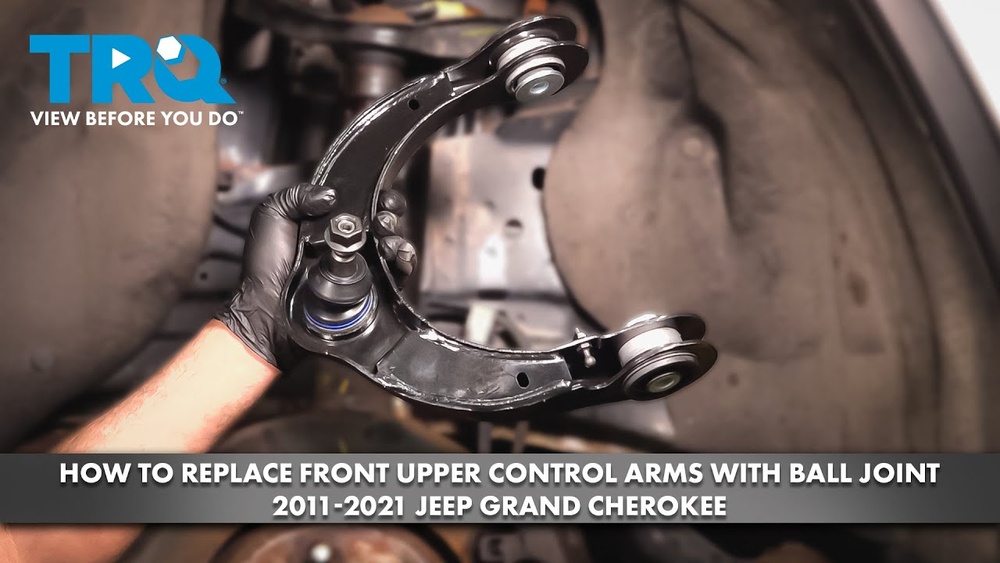
A failed upper control arm can cause:
- Clunking or rattling when driving over bumps
- Uneven or rapid tire wear
- Poor steering response or “wandering”
- Alignment problems
Ignoring these signs can lead to bigger, more expensive repairs.
When Should You Replace The Upper Control Arm?
Most Jeep Grand Cherokee owners replace the upper control arm between 80,000 and 120,000 miles. However, frequent off-road driving, harsh winters, or heavy towing can cause earlier wear. Always inspect the bushings and ball joint—if they’re cracked, torn, or loose, replacement is needed.
A quick comparison of symptoms:
| Symptom | Likely Cause | Action Needed |
|---|---|---|
| Clunking Noise | Worn Bushings | Replace Control Arm |
| Uneven Tire Wear | Ball Joint Failure | Replace Control Arm |
| Poor Handling | Loose Components | Inspect and Replace |
Tools And Parts Needed
Before starting, gather the necessary tools:
- Socket set (metric and SAE)
- Wrenches (box end and open end)
- Ball joint separator
- Pry bar
- Jack and jack stands
- Torque wrench
- Safety glasses and gloves
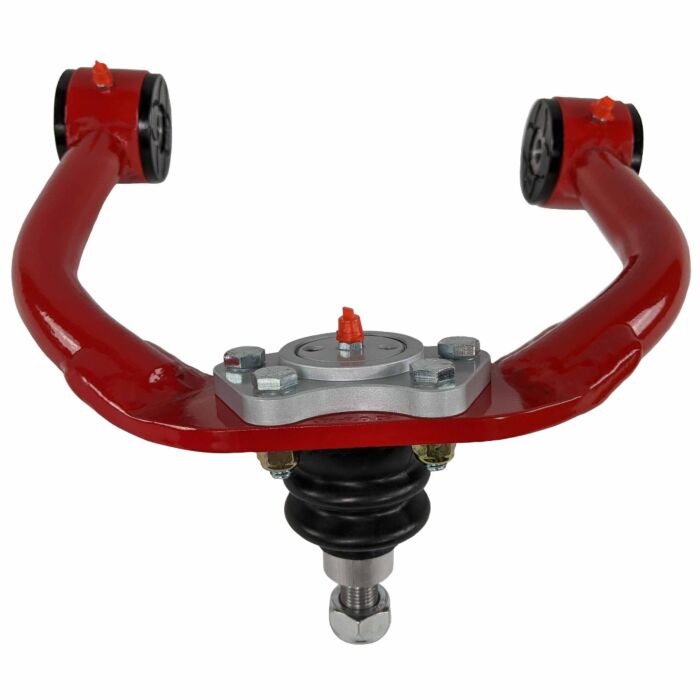
You’ll need a replacement upper control arm assembly (includes new bushings and ball joint). For most Jeep Grand Cherokees, expect to pay $80–$200 per side for quality parts.
Step-by-step Replacement Guide
Replacing the upper control arm is a moderate-level DIY job. Allow 2–3 hours per side if you have basic mechanical skills.
- Safety First: Park on a flat surface. Set the parking brake. Loosen lug nuts on the front wheel, jack up the vehicle, and support it securely with jack stands.
- Remove the Wheel: Take off the lug nuts and wheel to access the suspension.
- Locate the Upper Control Arm: Identify the arm connecting the wheel hub to the frame.
- Disconnect the Ball Joint: Use a ball joint separator to remove the upper ball joint from the steering knuckle.
- Remove Mounting Bolts: Undo the bolts securing the control arm to the frame. You might need to pry the arm loose if it’s stuck.
- Install New Control Arm: Position the new arm and loosely thread in the frame bolts. Connect the ball joint to the steering knuckle.
- Torque All Fasteners: Use a torque wrench to tighten all bolts to factory specifications (usually 65–90 ft-lb, check your manual).
- Reinstall the Wheel: Mount the wheel and snug the lug nuts.
- Lower the Vehicle: Carefully remove the jack stands and lower the Jeep.
- Final Torque: Tighten the lug nuts to spec.
Pro tip: Always replace both left and right upper control arms together to maintain even handling.
Cost Breakdown And Shop Vs. Diy
Here’s a quick comparison of replacement costs:
| Replacement Type | Parts Cost (per side) | Labor Cost | Total (per side) |
|---|---|---|---|
| DIY | $80–$200 | $0 | $80–$200 |
| Professional Shop | $80–$200 | $120–$250 | $200–$450 |
Going DIY saves you the labor fee, but only try this if you’re comfortable with suspension work. Otherwise, a trusted mechanic is a safer bet.
Common Mistakes To Avoid
Even experienced DIYers can make mistakes. Watch out for these:
- Not torquing bolts properly: Loose bolts can cause new problems, while overtightened ones may strip threads.
- Skipping alignment: After replacing control arms, a wheel alignment is essential. Skipping this step leads to rapid tire wear and unsafe handling.
- Reusing old hardware: Always use new cotter pins and consider new bolts if the old ones are corroded.
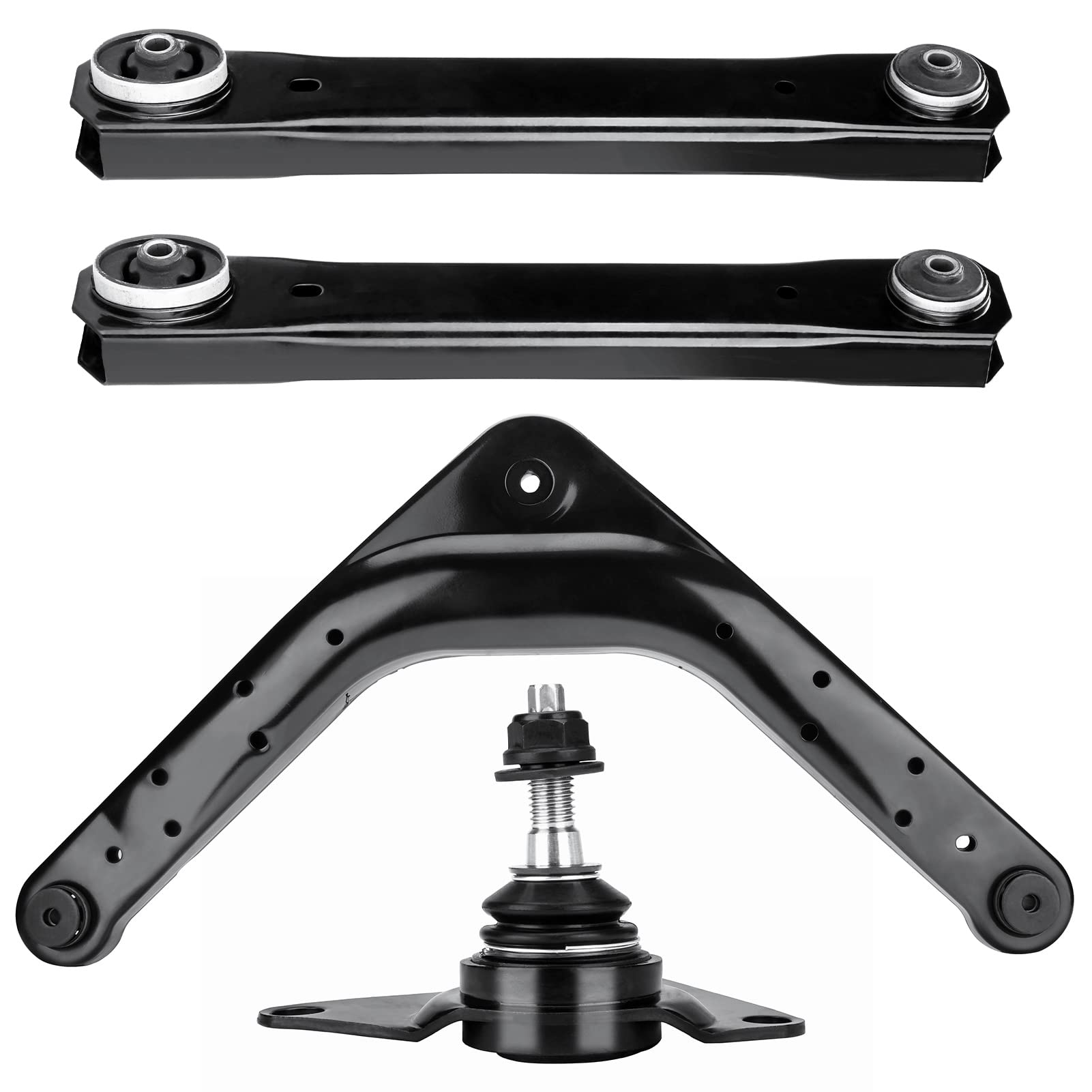
Less obvious, but important: Check for other worn parts while you’re in there. Often, lower control arms or sway bar links may also need attention.
After Replacement: What’s Next?
Once the new upper control arm is installed, take your Jeep Grand Cherokee for a short, careful test drive. Listen for any unusual noises and check that steering feels tight and responsive. Schedule a four-wheel alignment immediately. This ensures your tires wear evenly and the vehicle tracks straight.
If you notice vibrations or clunking after replacement, double-check all fasteners and inspect other suspension parts. Sometimes, a worn lower control arm or tie rod can mimic upper control arm problems.
For more technical details, you can review the official Mopar Jeep Service Manuals.
Frequently Asked Questions
<!– wp:rank-math/faq-block {"questions":[{"id":"faq-question-60f347590f47","title":"How Do I Know If My Jeep Grand Cherokee's Upper Control Arm Is Bad?","content":"Watch for clunking sounds over bumps, uneven tire wear, or steering that feels “loose.” A mechanic can confirm by inspecting the bushings and ball joint for play or damage.
“,”visible”:true},{“id”:”faq-question-12e7ab37be6f”,”title”:”Do I Need An Alignment After Replacing The Upper Control Arm?”,”content”:”Yes. Wheel alignment is essential after this repair. The new arm changes suspension geometry, so skipping alignment will cause tire and handling issues.
“,”visible”:true},{“id”:”faq-question-bab7158f0f6b”,”title”:”Can I Drive With A Bad Upper Control Arm?”,”content”:”It’s not safe. A failing control arm can lead to loss of steering control, especially if the ball joint fails. Replace it as soon as possible to avoid accidents.
“,”visible”:true},{“id”:”faq-question-3937c37b08fc”,”title”:”Is Replacing The Upper Control Arm A Diy-friendly Job?”,”content”:”It’s doable for someone with mechanical experience and the right tools. However, suspension work is safety-critical. If unsure, hire a pro.
“,”visible”:true},{“id”:”faq-question-d30235ddfc55″,”title”:”How Long Does A Jeep Grand Cherokee Upper Control Arm Last?”,”content”:”Most last 80,000–120,000 miles. Off-road use or rough roads can shorten their life. Inspect them regularly, especially if you notice handling changes.
Replacing the upper control arm on your Jeep Grand Cherokee is a smart way to restore safe, confident handling. Whether you tackle it yourself or trust a shop, understanding the process helps you avoid mistakes and unnecessary costs.
With new parts and a proper alignment, your Jeep will handle the road—or trail—like new.
“,”visible”:true}]} –>How Do I Know If My Jeep Grand Cherokee's Upper Control Arm Is Bad?
Watch for clunking sounds over bumps, uneven tire wear, or steering that feels “loose.” A mechanic can confirm by inspecting the bushings and ball joint for play or damage.
Do I Need An Alignment After Replacing The Upper Control Arm?
Yes. Wheel alignment is essential after this repair. The new arm changes suspension geometry, so skipping alignment will cause tire and handling issues.
Can I Drive With A Bad Upper Control Arm?
It’s not safe. A failing control arm can lead to loss of steering control, especially if the ball joint fails. Replace it as soon as possible to avoid accidents.
Is Replacing The Upper Control Arm A Diy-friendly Job?
It’s doable for someone with mechanical experience and the right tools. However, suspension work is safety-critical. If unsure, hire a pro.
How Long Does A Jeep Grand Cherokee Upper Control Arm Last?
Most last 80,000–120,000 miles. Off-road use or rough roads can shorten their life. Inspect them regularly, especially if you notice handling changes.
Replacing the upper control arm on your Jeep Grand Cherokee is a smart way to restore safe, confident handling. Whether you tackle it yourself or trust a shop, understanding the process helps you avoid mistakes and unnecessary costs.
With new parts and a proper alignment, your Jeep will handle the road—or trail—like new.