The Jeep Grand Cherokee is a popular SUV known for its off-road capabilities and comfortable ride. Among its many engine options, the 3.
0L CRD (Common Rail Diesel) engine, often found in models from the WK2 generation (roughly 2007-2010, and later in some markets), has gained attention for its power and fuel efficiency.
However, like any engine, it's not without its potential issues. Understanding these common Jeep Grand Cherokee 3.
0 CRD problems can help owners prepare for maintenance, troubleshoot issues, and make informed decisions.
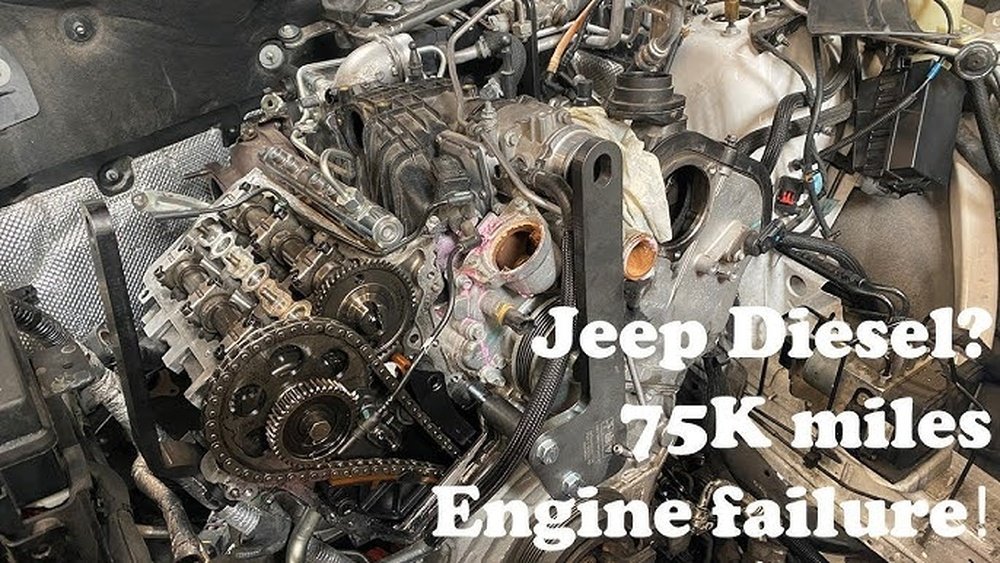
This article dives deep into the most frequently reported problems with the Jeep Grand Cherokee 3. 0 CRD engine.
We'll cover engine-specific issues, transmission concerns that often appear alongside diesel powertrains, and other common areas where owners might encounter trouble.
Our goal is to provide clear, actionable information for owners and prospective buyers, helping them keep their diesel Grand Cherokees running smoothly.
Common Jeep Grand Cherokee 3.0 Crd Engine Problems
The 3. 0L CRD engine, often a Mercedes-Benz sourced unit (OM642), is generally robust.
However, several components are known to cause headaches if not properly maintained or if they reach a certain mileage.
Glow Plug Issues
Glow plugs are essential for diesel engines, especially in colder climates. They heat the combustion chamber to help ignite the fuel. When glow plugs fail, the engine can be difficult to start, especially when cold. Symptoms include:
- Hard starting: The engine cranks for a long time before firing up.
- Rough idling: The engine shakes or runs unevenly after starting.
- Check Engine light: This warning light may illuminate on the dashboard.
- Reduced power: In some cases, a failing glow plug system can lead to a noticeable loss of engine power.
Diagnosing glow plug problems often involves checking for resistance in the individual glow plugs and testing the glow plug module. Replacing them is a common maintenance item, and it’s usually recommended to replace them in sets.
Egr System Malfunctions
The Exhaust Gas Recirculation (EGR) system helps reduce NOx emissions by recirculating some exhaust gas back into the engine's intake. In diesel engines like the 3.
0 CRD, this system can be prone to clogging with carbon deposits.
Symptoms of EGR problems include:
- Rough idling and hesitation: The engine may stumble or hesitate during acceleration.
- Reduced engine power: The vehicle may feel sluggish.
- Check Engine light: A clogged EGR valve or passages will often trigger this light.
- Black smoke from the exhaust: This can indicate inefficient combustion due to EGR issues.
Cleaning the EGR valve and associated passages is a common fix. However, if the EGR cooler fails, it can lead to coolant leaks into the exhaust system, which is a more serious repair.
Some owners opt to delete the EGR system, but this is often illegal in many regions due to emissions regulations and can cause other issues if not done correctly.
Turbocharger Problems
The turbocharger significantly boosts the engine’s power and efficiency. However, it’s a complex component that can fail over time, especially with high mileage or poor maintenance.
Signs of turbocharger failure:
- Whining or whistling noises: These sounds often indicate a problem with the turbo’s bearings or seals.
- Loss of power: A failing turbo won’t be able to provide adequate boost, leading to a noticeable drop in performance.
- Excessive smoke: Blue or black smoke can indicate oil leaks into the exhaust or incomplete combustion.
- Oil consumption: If the turbo seals are bad, oil can be burned in the engine.
Regular oil changes with the correct type of oil are crucial for turbo longevity. Clogged air filters can also put strain on the turbo.
If the turbo fails, it can be an expensive repair.
Injector Issues
The common rail direct injection system relies on precise fuel delivery. The fuel injectors are critical for this.
Over time, they can become clogged or fail.
Symptoms of failing injectors:
- Rough running or misfires: The engine may sound uneven.
- Difficulty starting: Especially when cold.
- Increased fuel consumption: Inefficient injection leads to wasted fuel.
- Engine knocking: This can be a sign of improper fuel spray patterns.
- Check Engine light: Codes related to injector circuit faults or fuel pressure anomalies are common.
Using high-quality diesel fuel and occasional fuel system cleaners can help prevent injector issues. If injectors fail, they need to be replaced, which can be costly.
Dpf (diesel Particulate Filter) Clogging
Modern diesel engines are equipped with a Diesel Particulate Filter (DPF) to trap soot. The DPF needs to periodically "regenerate" itself by burning off the collected soot.
If the regeneration process is interrupted too often (e. g.
, by frequent short trips), the DPF can become clogged.
Symptoms of a clogged DPF:
- Reduced engine power: The engine management system will often limit power to prevent damage.
- Check Engine light or DPF warning light: These indicators are usually prominent.
- Increased fuel consumption: The engine may run richer to try and force a regeneration.
- Engine may run hotter: Due to restricted exhaust flow.
Driving the vehicle at highway speeds for a sustained period can often trigger a successful regeneration cycle. If the DPF is severely clogged, it may require professional cleaning or replacement, which is a significant expense.
Oil Cooler Leaks
A less common but potentially serious issue with the 3. 0 CRD is oil cooler leaks.
The cooler is often integrated into the engine's oil filter housing. Leaks can occur internally, mixing oil and coolant, or externally.
Signs of oil cooler leaks:
- Coolant in the oil: The oil may appear milky or foamy.
- Oil in the coolant: The coolant reservoir may show signs of oil contamination.
- Overheating: If the oil cooler fails internally, it can affect the cooling system’s efficiency.
This issue requires prompt attention to prevent severe engine damage. The oil cooler assembly usually needs to be replaced.
Transmission Problems In The Jeep Grand Cherokee 3.0 Crd
While not directly an engine problem, transmission issues are frequently reported with the Grand Cherokee, especially when paired with the powerful diesel engine. The 5-speed automatic transmission (W5A580) used in many 3.
0 CRD models can develop issues over time.
Torque Converter Issues
The torque converter is a fluid coupling that connects the engine to the transmission. Problems can arise from worn seals, stator issues, or fluid leaks.
Symptoms of torque converter problems:
- Shuddering or slipping: Especially at low speeds or when accelerating.
- Hesitation when shifting: The transmission may feel jerky.
- Whining noise: Particularly when the vehicle is in gear.
- Overheating transmission fluid: This can be a symptom of a failing torque converter.
Regular transmission fluid changes are vital for its health. Using the correct type of fluid is also critical.
Transmission Fluid Leaks
Leaks can occur from seals, gaskets, or the transmission cooler lines. Leaking fluid can lead to low transmission fluid levels, causing shifting problems, overheating, and eventual transmission damage.
Signs of transmission fluid leaks:
- Puddles under the vehicle: Reddish or brown fluid is typically transmission fluid.
- Slipping gears: Low fluid levels mean the transmission can’t engage gears properly.
- Hesitation or hard shifts: The transmission may feel rough.
- Overheating warning: The transmission fluid temperature sensor may trigger a warning.
If you notice leaks, it’s important to have them repaired immediately and the transmission fluid topped up or replaced.
Valve Body Issues
The valve body is the “brain” of the automatic transmission, directing fluid pressure to engage different gears. It can become clogged with debris or suffer from electrical component failure.
Symptoms of valve body problems:
- Erratic shifting: Gears may shift at the wrong times or not at all.
- Harsh shifting: The transmission may clunk or jerk when shifting.
- Transmission slipping out of gear: Especially under load.
- Check Engine light: Codes related to transmission solenoid performance are common.
Repairing a valve body can be complex and expensive, often requiring specialized knowledge.
Other Common Jeep Grand Cherokee 3.0 Crd Concerns
Beyond the engine and transmission, other areas can present problems for Grand Cherokee owners.
Suspension And Steering Components
The Grand Cherokee, especially with higher mileage, can experience wear in its suspension and steering components. This includes ball joints, tie rods, control arm bushings, and air suspension components (if equipped).
Symptoms of worn suspension/steering:
- Clunking or rattling noises: Especially over bumps or when turning.
- Uneven tire wear: Indicates alignment issues.
- Vague steering feel: The steering may feel loose or imprecise.
- Vehicle pulling to one side: Even when the road is level.
Regular inspections of these components are recommended. Worn parts can affect handling and safety.
Electrical Gremlins
Like many modern vehicles with complex electronic systems, the Grand Cherokee can sometimes suffer from electrical issues. These can range from minor annoyances to more significant problems.
Common electrical issues:
- Malfunctioning sensors: Leading to incorrect readings and warning lights.
- Issues with power windows, locks, or mirrors: These can be caused by faulty switches, motors, or wiring.
- Infotainment system glitches: Freezing screens or non-responsive controls.
- Battery drain: Sometimes caused by parasitic draws from modules that don’t shut down properly.
Diagnosing electrical problems can be challenging and often requires specialized diagnostic tools.
Rust And Corrosion
Jeep vehicles, particularly those used in areas with snow, salt, or high humidity, can be susceptible to rust and corrosion. Key areas to inspect include the frame rails, wheel wells, rocker panels, and tailgate.
Signs of rust:
- Bubbling paint: Indicates rust forming under the surface.
- Perforations: Holes in the metal.
- Corroded brake lines or fuel lines: These are safety concerns.
Regular washing, waxing, and undercarriage cleaning can help prevent rust. If rust is found, it should be addressed promptly to prevent it from spreading.
Maintenance Is Key For Longevity
The best way to avoid many of these common Jeep Grand Cherokee 3.0 CRD problems is through diligent maintenance. Following the manufacturer’s recommended service schedule is crucial. This includes:
- Regular oil and filter changes: Use the correct diesel-specific oil.
- Fuel filter replacement: Essential for protecting the sensitive injection system.
- Air filter replacement: Prevents dirt from entering the engine and turbo.
- Coolant flushes: Maintains the cooling system’s efficiency.
- Transmission fluid and filter changes: Vital for transmission health.
- Checking all fluid levels regularly.
Pro Tip: When servicing the 3.0 CRD, ensure your mechanic is experienced with diesel engines and specifically with this Mercedes-Benz sourced unit. They will be more familiar with its specific needs and potential pitfalls.

Understanding The 3.0 Crd’s Strengths And Weaknesses
The 3. 0L CRD engine offers a compelling blend of power and fuel economy, making it an attractive option for those who tow or travel long distances.
Its torque output is impressive, providing a strong pull for acceleration and hauling.
However, its complexity means that repairs can be more expensive than for a gasoline engine. The reliance on emissions control systems like the DPF and EGR means that these components are potential failure points, especially if the vehicle is not driven in a way that allows them to function correctly.
When considering a used 3. 0 CRD Grand Cherokee, it’s wise to get a pre-purchase inspection from a mechanic familiar with these vehicles.
Ask for service records to understand its maintenance history.
Frequently Asked Questions

What Are The Most Common Warning Lights On A 3.0 Crd Grand Cherokee?
The most frequent warning lights are the Check Engine light, which can indicate a wide range of issues from minor sensor faults to serious engine problems, and the DPF warning light, signaling a clogged Diesel Particulate Filter that requires attention. You might also see glow plug lights or specific transmission error indicators.
Is The 3.0 Crd Engine Reliable?
The 3.0 CRD engine is generally considered reliable and robust when properly maintained. Its Mercedes-Benz origins contribute to its solid build quality. However, like any complex diesel engine, it has specific components that can fail if neglected or if they reach high mileage, such as glow plugs, the EGR system, and the DPF.
How Often Should The 3.0 Crd Engine Oil Be Changed?
The recommended oil change interval for the 3.0 CRD engine is typically every 10,000 miles or annually, whichever comes first, though it’s always best to consult your owner’s manual for the exact specification. It’s crucial to use a high-quality diesel-specific synthetic oil that meets the required specifications (often MB 229.51 or similar) to ensure proper lubrication and protection.
Can I Improve The Fuel Economy Of My 3.0 Crd Grand Cherokee?
Yes, you can improve fuel economy by ensuring regular maintenance, keeping tires properly inflated, driving smoothly without aggressive acceleration or braking, and minimizing unnecessary weight in the vehicle. Avoiding excessive idling and ensuring the DPF system is functioning correctly also plays a role. Using high-quality diesel fuel can also contribute to better efficiency.
What Is The Cost Of Fixing Common 3.0 Crd Problems?
The cost of repairs can vary significantly. Minor issues like replacing glow plugs might cost a few hundred dollars. However, major repairs such as replacing a turbocharger, DPF, or transmission can easily run into thousands of dollars. For example, a new DPF can cost upwards of $1,500 to $3,000, while a transmission rebuild can exceed $4,000. This highlights the importance of preventive maintenance to avoid these costly failures.
In summary, the Jeep Grand Cherokee 3. 0 CRD offers a compelling package for diesel enthusiasts.
While it shares some common diesel engine issues, particularly related to emissions systems and the complexity of modern diesel technology, its core engine and drivetrain are capable when treated with care.
By understanding these potential problems and committing to a rigorous maintenance schedule, owners can maximize the lifespan and enjoyment of their 3. 0 CRD Grand Cherokee, ensuring it continues to provide power and capability for many miles to come.