The 1996 Jeep Grand Cherokee is known for its rugged design and strong performance, but many owners and buyers focus closely on its transmission system. The transmission is a key part of how the SUV drives, affecting both reliability and the overall experience behind the wheel.
Understanding the details of the 1996 Grand Cherokee’s transmission can help you make better decisions—whether you’re maintaining an old favorite or considering buying one.
Here’s a practical look at what makes the 1996 model’s transmission unique, common issues, maintenance tips, and what to check before purchase.
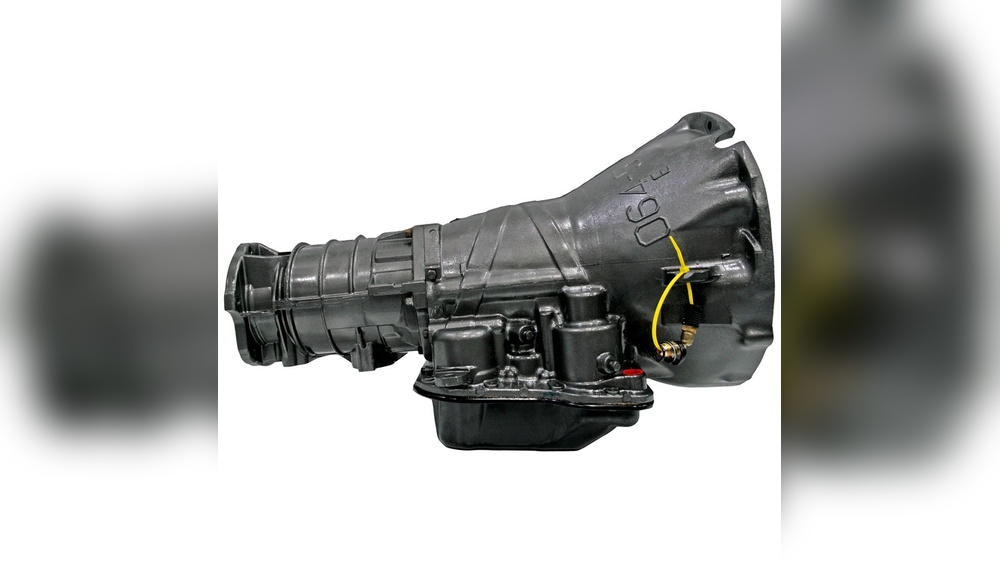
Transmission Types In The 1996 Jeep Grand Cherokee
The 1996 Grand Cherokee came with two main transmission options:
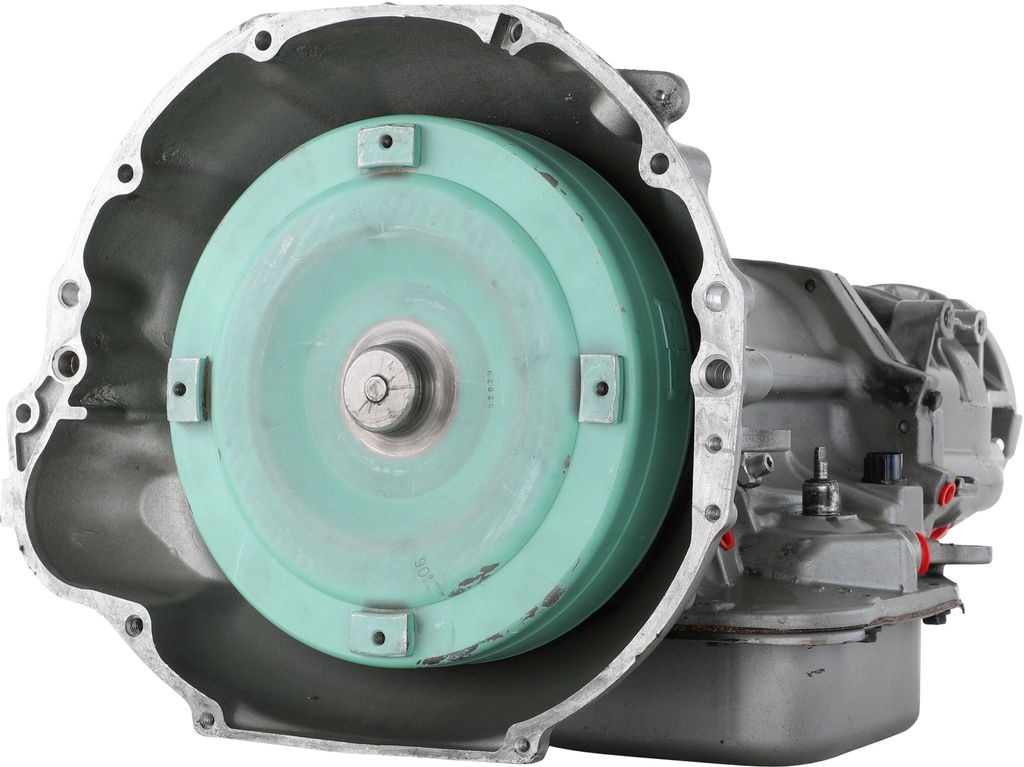
1. 42re 4-speed Automatic
This was the most common transmission paired with the 4. 0L inline-six engine.
Known for smooth shifts but sometimes facing issues with solenoids and sensors.
2. 44re 4-speed Automatic
Used mostly with the 5. 2L V8 engine.
Built for more torque, but heavier and more complex, leading to different wear patterns.
No manual transmission was offered in the US market for this year. Both automatics are part of Chrysler’s family of transmissions, designed to balance comfort and off-road ability.
Key Specs And Features
Understanding the specs helps you know what to expect from performance and maintenance:
| Transmission Model | Number of Gears | Engine Pairing | Fluid Type |
|---|---|---|---|
| 42RE | 4-speed | 4.0L Inline-6 | ATF+3 |
| 44RE | 4-speed | 5.2L V8 | ATF+3 |
- Overdrive Gear: Both transmissions have an overdrive for better fuel economy on highways.
- Shift Logic: Computer-controlled, which was advanced for the mid-90s, but makes electronic issues more common than pure mechanical ones.
- Towing Capacity: Up to 5,000 lbs with the right setup, but transmission cooling is critical.
Common Problems And How To Spot Them
Even a tough SUV like the Grand Cherokee faces wear after decades of use. Here are the top transmission issues for the 1996 model:
- Delayed shifting or hard shifts: Often caused by worn fluid, dirty filters, or failing solenoids.
- Transmission slipping: The engine revs, but the Jeep doesn’t move as it should. This can point to worn clutches or bands.
- Leaking transmission fluid: Look for red fluid under the vehicle. Leaks can come from the pan gasket, seals, or cooler lines.
- Check Engine Light: Transmission codes are stored in the vehicle’s computer. A scan tool can help you find specific problems.
- No overdrive: Sometimes the transmission won’t shift into the highest gear, often due to sensor or solenoid failure.
Non-obvious insight: Many shifting issues in these Jeeps can be traced to weak or corroded electrical connections in the transmission harness, not just worn-out parts.
Maintenance And Longevity Tips
Keeping the 1996 Grand Cherokee’s transmission healthy is possible with regular attention:
- Change fluid and filter every 30,000 miles or 2 years. Use only recommended ATF+3 (or compatible ATF+4).
- Inspect for leaks regularly, especially around the pan and cooler lines.
- Flush the transmission cooler if you’ve had a failure. Old debris can damage a new or rebuilt transmission.
- Adjust the TV cable (throttle valve cable) if shifts feel late or harsh, as it controls pressure inside the transmission.
- Don’t ignore small symptoms. A slight delay today can become a major repair tomorrow.
Another tip: Aftermarket coolers can greatly extend transmission life, especially if you tow or drive in hot climates.
Comparing 42re Vs. 44re
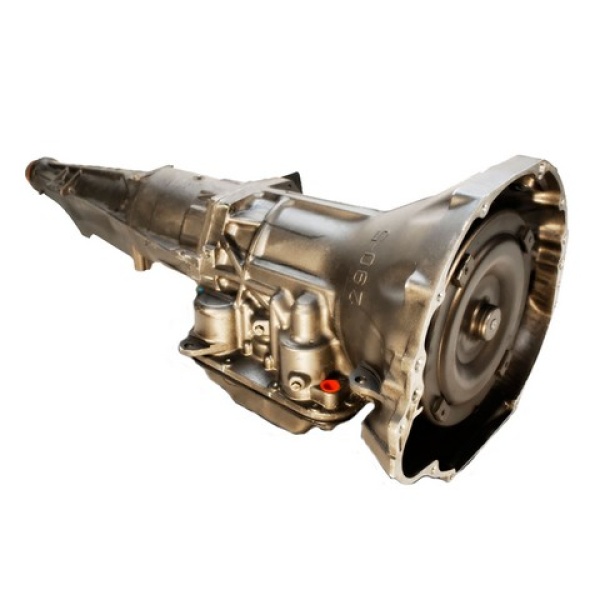
How do the two automatics compare for daily use and repairs?
| Feature | 42RE | 44RE |
|---|---|---|
| Main Engine | 4.0L I6 | 5.2L V8 |
| Torque Handling | Lower | Higher |
| Repair Cost | Lower | Higher |
| Reliability | Good | Fair |
- The 42RE is simpler and usually cheaper to fix.
- The 44RE is stronger but more expensive, often needed for V8 models.
What To Check Before Buying
If you’re shopping for a used 1996 Grand Cherokee, here’s what matters:
- Test drive: Make sure all gears shift smoothly, including overdrive.
- Check fluid color: Healthy fluid is red and clear, not brown or burnt.
- Listen for noises: No grinding, whining, or clunks during shifting.
- Ask for service records: Regular fluid changes are a good sign.
- Scan for codes: Even if the Check Engine Light is off, stored codes can reveal hidden issues.
It’s smart to budget for possible transmission work when buying any older SUV, especially one with over 150,000 miles.
Cost Of Repair And Replacement
Transmission repairs for the 1996 Grand Cherokee vary:
- Fluid and filter change: $120–$250 at a shop.
- Solenoid or sensor replacement: $200–$500 depending on labor.
- Full rebuild: $1,200–$2,500, depending on the shop and parts.
- Used or rebuilt transmission: $1,000–$2,500 installed.
DIY owners can save money, but these are complex automatics; specialized tools and knowledge are needed for major repairs.
Upgrades And Modifications
Many owners seek ways to improve their Jeep’s transmission:
- Shift kits can firm up shifts and reduce wear.
- Cooler upgrades help if you tow or drive in hot areas.
- Synthetic ATF can offer better protection, but always check compatibility.
Not all upgrades suit daily drivers some may make shifts rougher. Always research and match upgrades to your driving needs.
Real-world Performance
The 1996 Grand Cherokee’s transmission is praised for a mix of smoothness and toughness. It’s not as quick-shifting as modern automatics, but it stands up well to off-road use and towing if maintained properly. Many owners report over 200,000 miles with regular service. However, neglect or overheating can ruin these transmissions quickly.
Frequently Asked Questions
What Transmission Fluid Does The 1996 Grand Cherokee Use?
The recommended fluid is ATF+3, but ATF+4 is also compatible and often easier to find. Never use Dexron or Mercon fluids.
How Do I Check The Transmission Fluid Level?
With the engine warmed up and running in Park, pull the transmission dipstick, wipe it, reinsert, and check the level. The fluid should be between the “Add” and “Full” marks.
Can I Swap A Manual Transmission Into My 1996 Grand Cherokee?
It’s possible but not simple. The 1996 model was not offered with a manual in the US, so a swap requires custom parts, wiring changes, and ECU tuning.
Is The 1996 Grand Cherokee Transmission Good For Towing?
Yes, with proper cooling and maintenance. The factory rating is up to 5,000 lbs, but add an auxiliary cooler if towing often.
Where Can I Find More Technical Information?
More details and technical specifications are available on the Jeep Grand Cherokee Wikipedia page.
The 1996 Jeep Grand Cherokee’s transmission is a classic example of 90s engineering robust, fixable, and well-suited for adventure if you keep up with care.
Whether you’re maintaining yours or considering a purchase, understanding its strengths and weaknesses helps you get the most out of this iconic SUV.