Owning a Jeep Gladiator means you enjoy adventure and rugged performance. But even tough vehicles need proper care, and small details matter.
One overlooked detail is the lug nut size—important for safety, tire changes, and customizing wheels. Many Jeep Gladiator owners ask about lug nuts but get confused by mixed information online.
Let’s clear up the facts and give practical advice for anyone who wants to maintain or upgrade their Gladiator.
What Is The Standard Jeep Gladiator Lug Nut Size?
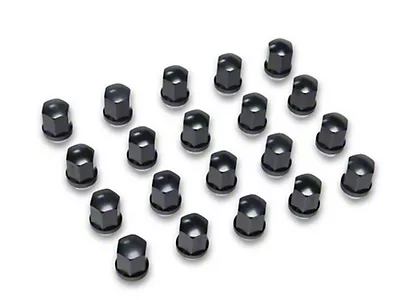
The Jeep Gladiator, launched in 2019, uses a specific lug nut size for all trim levels. Most models, including Sport, Overland, and Rubicon, have:
- Thread size: M14 x 1.5
- Hex size: 21mm (some aftermarket nuts may use 22mm)
- Seat type: Conical (60° taper)
This means the lug nut has a metric thread diameter of 14mm, a thread pitch of 1. 5mm, and fits a 21mm hex socket.
The conical seat helps keep the wheel centered and secure.
Why Lug Nut Size Matters
If you use the wrong size, you risk damaging the wheel studs or the wheels themselves. Tightening the wrong nut can strip threads, cause vibrations, or even lead to a wheel coming loose.
Always double-check the size before replacing or upgrading.
Comparing Jeep Gladiator Lug Nut Sizes To Other Models
Some people think all Jeep vehicles use the same lug nuts. In reality, sizes differ between models and years. Here’s a quick comparison to help you avoid mistakes:
| Model | Year | Lug Nut Size | Hex Size |
|---|---|---|---|
| Jeep Gladiator | 2019–2026 | M14 x 1.5 | 21mm |
| Jeep Wrangler JL | 2018–2026 | M14 x 1.5 | 21mm |
| Jeep Grand Cherokee | 2011–2026 | M14 x 1.5 | 21mm/22mm |
| Jeep Cherokee | 2014–2026 | M12 x 1.5 | 19mm |
As shown, the Gladiator shares its lug nut size with some other models, but not all. Always check your manual or consult a dealer for confirmation.
How To Check And Replace Jeep Gladiator Lug Nuts
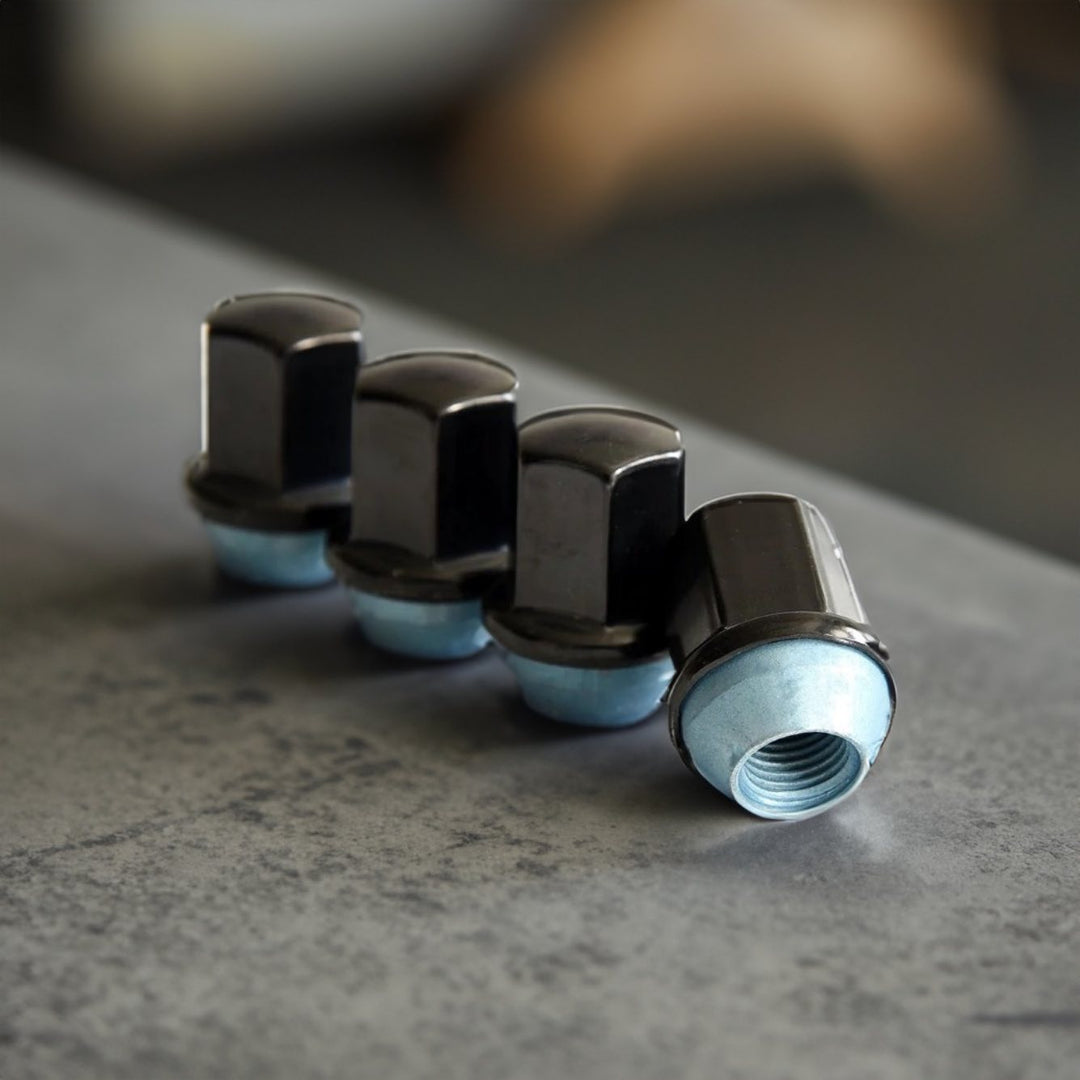
Checking and replacing lug nuts is simple but important. Here are the steps:
- Park safely: Make sure the vehicle is on level ground.
- Inspect nuts: Look for rust, wear, or stripped threads.
- Use the right socket: For Gladiator, use a 21mm socket.
- Torque properly: Tighten to 130 ft-lbs (factory spec).
- Replace damaged nuts: If you see any damage, use new M14 x 1.5 conical nuts.
If you upgrade wheels or tires, confirm that aftermarket wheels use the same seat type and thread pitch. Mixing types can cause problems.
Common Mistakes
- Using a wrong seat type (flat vs conical)
- Over-tightening with impact guns
- Mixing old and new lug nuts
These mistakes can lead to vibration, wheel damage, or unsafe driving.
Upgrading Lug Nuts: What Should You Know?
Many Gladiator owners want to upgrade lug nuts for style or security. Here’s what to consider:
- Material: Choose hardened steel for durability. Chrome or black finishes are common but don’t affect strength.
- Locking nuts: Add one per wheel for theft protection.
- Aftermarket wheels: Some wheels need different seat types or hex sizes.
Below is a comparison of popular lug nut types for Jeep Gladiator:
| Type | Material | Hex Size | Seat Type | Purpose |
|---|---|---|---|---|
| OEM | Steel | 21mm | Conical | Standard |
| Locking | Steel | 21mm | Conical | Anti-theft |
| Aftermarket | Steel/Aluminum | 21mm/22mm | Conical/Flat | Custom wheels |
You can see that locking nuts offer more security, and aftermarket nuts may require different seat types. Always match the seat type to your wheels.
Jeep Gladiator Lug Nut Torque Specs And Maintenance
Proper torque is key to safety. For the Jeep Gladiator, the recommended torque is 130 ft-lbs. Under-tightening may let wheels loosen, while over-tightening can damage threads.
Maintenance Tips
- Check torque: Every 5,000 miles or after tire changes.
- Inspect regularly: Look for signs of rust or cracking.
- Replace all at once: If one nut fails, replace the full set to avoid uneven wear.
Here’s a summary of torque specs for Jeep Gladiator and related models:
| Model | Torque Spec |
|---|---|
| Jeep Gladiator | 130 ft-lbs |
| Jeep Wrangler JL | 130 ft-lbs |
| Jeep Grand Cherokee | 110–130 ft-lbs |
| Jeep Cherokee | 100 ft-lbs |
Non-obvious tip: Always re-check torque after driving 50–100 miles on new wheels. Nuts can settle and loosen slightly.
Where To Buy The Right Lug Nuts
You can find Jeep Gladiator lug nuts at dealerships, auto parts stores, or online. Always check seller reviews and avoid cheap, soft metal nuts—they can fail under stress.
Genuine Mopar parts are best for OEM replacements. For aftermarket upgrades, brands like Gorilla or McGard are trusted.
For more technical details, visit the official Jeep Gladiator site: Jeep Gladiator Official.
Frequently Asked Questions
What Is The Correct Lug Nut Size For Jeep Gladiator?
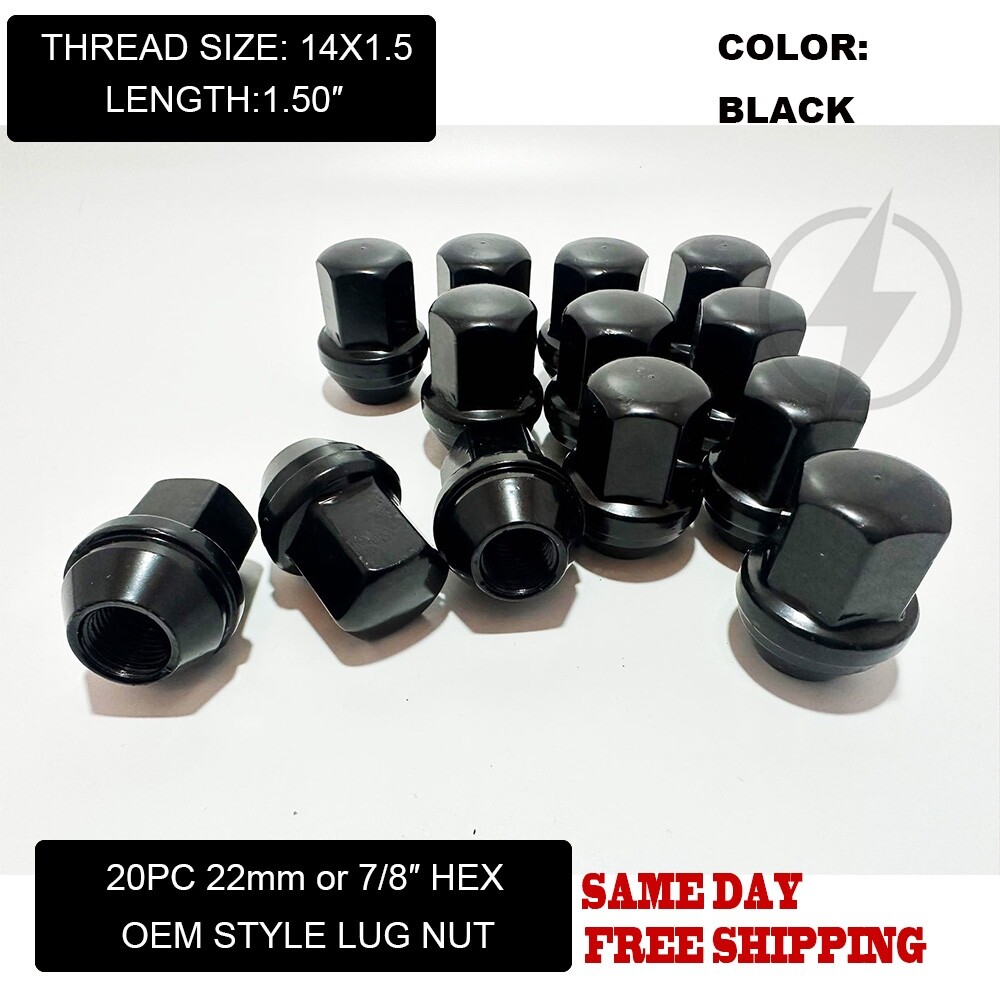
The standard size is M14 x 1.5 thread with a 21mm hex and a conical seat.
Can I Use Wrangler Lug Nuts On My Gladiator?
Yes, as long as they are M14 x 1.5 with a 21mm hex. Some older Wranglers use different sizes, so check before swapping.
How Many Lug Nuts Does A Jeep Gladiator Wheel Have?
Each wheel uses 5 lug nuts. Always replace all five if you change the set.
What Torque Should I Use On Gladiator Lug Nuts?
The recommended torque is 130 ft-lbs. Use a torque wrench, not an impact gun, for accuracy.
Can I Use Aftermarket Lug Nuts For Custom Wheels?
Yes, but make sure the thread size, hex size, and seat type match your wheel and Gladiator specs. Mixing types can cause problems.
Taking care of your Jeep Gladiator means paying attention to details like lug nut size. With the right knowledge, you can avoid mistakes, ensure safety, and even upgrade your wheels confidently. Remember, using the correct lug nut size isn’t just about fit—it’s about keeping your adventure safe and smooth.