The Jeep Gladiator stands out as a true off-road pickup, blending rugged capability with a comfortable ride. One important reason for its performance is the front suspension system.
Understanding the Jeep Gladiator front suspension diagram helps owners, mechanics, and enthusiasts maintain and upgrade their vehicles confidently. Whether you're tackling rocky trails or cruising the highway, knowing how your front suspension works gives you a big advantage.
Key Parts Of The Jeep Gladiator Front Suspension
The front suspension connects the wheels to the frame, absorbs road shocks, and keeps the tires in contact with the ground. The Gladiator uses a solid axle, coil spring, and link suspension design, which is both strong and flexible for off-road use.
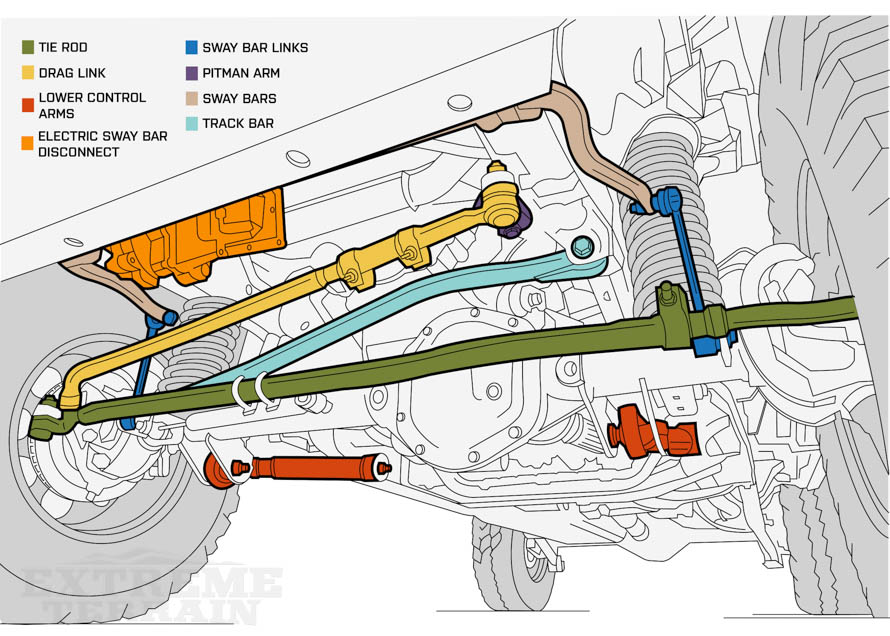
Here are the main parts you’ll find in a Jeep Gladiator front suspension diagram:
- Axle Housing – The main beam that holds the wheels and differential.
- Control Arms – These connect the axle to the frame and control movement.
- Coil Springs – Support the vehicle’s weight and absorb bumps.
- Shock Absorbers – Dampen vibrations and provide a smooth ride.
- Track Bar (Panhard Rod) – Keeps the axle centered under the vehicle.
- Sway Bar (Stabilizer Bar) – Reduces body roll during cornering.
- Steering Linkage (Tie Rod, Drag Link) – Connects the steering box to the wheels.
- Ball Joints – Allow the axle to pivot as the wheels turn.
- Bump Stops – Prevent metal-on-metal contact at full suspension compression.
Each of these parts works together to give the Gladiator its trademark ride quality and handling.
How The Suspension System Works
The solid front axle design of the Gladiator is different from independent front suspension found in many trucks. Here’s how the system works together:
- Control arms locate the axle front-to-back and allow it to move up and down.
- Coil springs compress and extend as the wheels hit bumps or dips.
- Shock absorbers slow down movement, so the ride doesn’t feel bouncy.
- Track bar keeps the axle from sliding side to side.
- Sway bar helps control lean when turning sharply.
This system is simple, strong, and ideal for off-roading. The solid axle provides consistent ground clearance, and the coil springs give a comfortable ride on and off the road.
Jeep Gladiator Front Suspension Diagram Explained
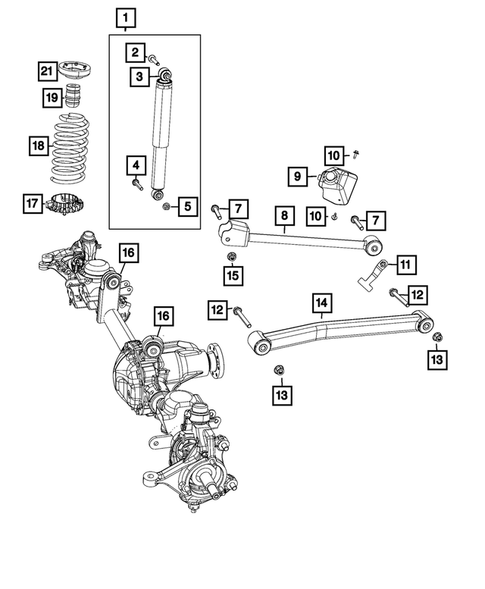
A visual diagram is the best way to understand how these parts connect. While you should check your owner’s manual for the official image, here’s a simple way to picture the layout:
| Component | Location | Function |
|---|---|---|
| Coil Spring | Above axle, both sides | Supports weight, absorbs bumps |
| Shock Absorber | Near coil spring | Dampens movement |
| Track Bar | Front axle to frame, driver’s side | Centers axle |
| Control Arms | Front and rear of axle | Locates axle |
| Sway Bar | Front of axle | Reduces roll |
Comparing The Gladiator’s Suspension To Other Trucks
The Gladiator’s solid front axle is rare in modern pickups. Most competitors use independent front suspension (IFS) for a softer ride but less off-road strength.
Here’s a simple comparison:
| Feature | Jeep Gladiator | Ford Ranger | Toyota Tacoma |
|---|---|---|---|
| Front Suspension | Solid axle, coil spring | Independent, coilover | Independent, coilover |
| Best for Off-road | Yes | Moderate | Moderate |
| On-road Comfort | Good | Better | Better |
| Ground Clearance | Consistent | Varies (wheel travel) | Varies (wheel travel) |
Common Issues And Maintenance Tips
Like any mechanical system, the front suspension needs regular checks. The most common problems are:
- Worn ball joints – Can cause loose steering or clunking sounds.
- Damaged control arm bushings – Lead to poor handling.
- Leaking shock absorbers – Make the ride bouncy or harsh.
- Loose track bar – Causes steering to wander.
To keep your Gladiator in top shape:
- Inspect suspension parts every oil change.
- Listen for unusual noises on rough roads.
- Grease moving joints if your model allows.
- Replace worn bushings and shocks promptly.
A smart tip: After off-roading, always check for bent or damaged suspension parts. Rocks and deep ruts can put stress on control arms and the track bar.
Upgrades And Modifications
Many Jeep owners like to upgrade the suspension for better off-road performance. The most popular changes include:
- Lift kits – Raise the vehicle for larger tires and more clearance.
- Heavy-duty shocks – Improve ride comfort and control.
- Adjustable track bars – Allow fine-tuning after a lift.
- Sway bar disconnects – Improve wheel travel off-road.
However, upgrading the front suspension can change the vehicle’s handling. Always get an alignment after making changes.
Use quality parts and, if unsure, ask a professional for help.
When To Consult A Professional
Some jobs are best left to experts, especially if you notice:
- Strong vibrations or shaking at speed.
- Uneven tire wear.
- Steering that feels loose or pulls to one side.
A skilled mechanic can use the front suspension diagram to quickly diagnose and fix issues. For DIY work, always use factory torque specs and double-check your work.
Real-world Example
A Jeep Gladiator owner who regularly drives rocky trails noticed a slight pull to the right. Inspection showed a bent track bar.
Replacing it with a heavy-duty, adjustable track bar solved the problem and improved steering feel. This shows the importance of knowing your suspension layout and checking parts after tough trips.

Why The Diagram Matters
A clear front suspension diagram helps in many situations:
- Repairs: Quickly find and replace damaged parts.
- Upgrades: Plan modifications and see what fits.
- Learning: Understand how changes affect ride and handling.
For detailed diagrams, the official Jeep service manual or trusted sources like Jeep’s official site offer clear illustrations and specs.
Frequently Asked Questions
What Type Of Front Suspension Does The Jeep Gladiator Use?
The Jeep Gladiator uses a solid front axle with coil springs and control arms, making it strong and flexible for off-road driving.
How Often Should I Inspect My Front Suspension?
Check the suspension every oil change or after any serious off-road trip. Early checks can prevent bigger problems and save money.
Can I Install A Lift Kit Myself?
Many experienced owners install lift kits at home, but it requires special tools and alignment afterward. If you’re not confident, ask a professional.
What Are The Signs Of Worn Suspension Parts?
Common signs include clunking noises, uneven tire wear, loose steering, and bouncy rides. Fix these issues quickly to stay safe.
Does Upgrading The Front Suspension Affect My Warranty?
Major upgrades, like lifts or non-OEM parts, can affect your factory warranty. Always check with your dealer before making big changes.
Understanding the Jeep Gladiator front suspension diagram empowers you to maintain, repair, and upgrade your vehicle with confidence. With the right knowledge, your Gladiator will stay ready for any adventure.