The Jeep Gladiator is a rugged, capable truck that’s built for adventure. Whether you're navigating dusty trails, conquering rocky terrain, or simply heading out for a night drive, your fog lights play a crucial role.
They help you see better in poor visibility conditions like fog, heavy rain, or snow. But what happens when those fog lights aren't as bright as they used to be, or if one burns out?
You need to know about Jeep Gladiator fog light bulbs. This guide will walk you through everything you need to know, from understanding bulb types to choosing the best replacements for your Gladiator.
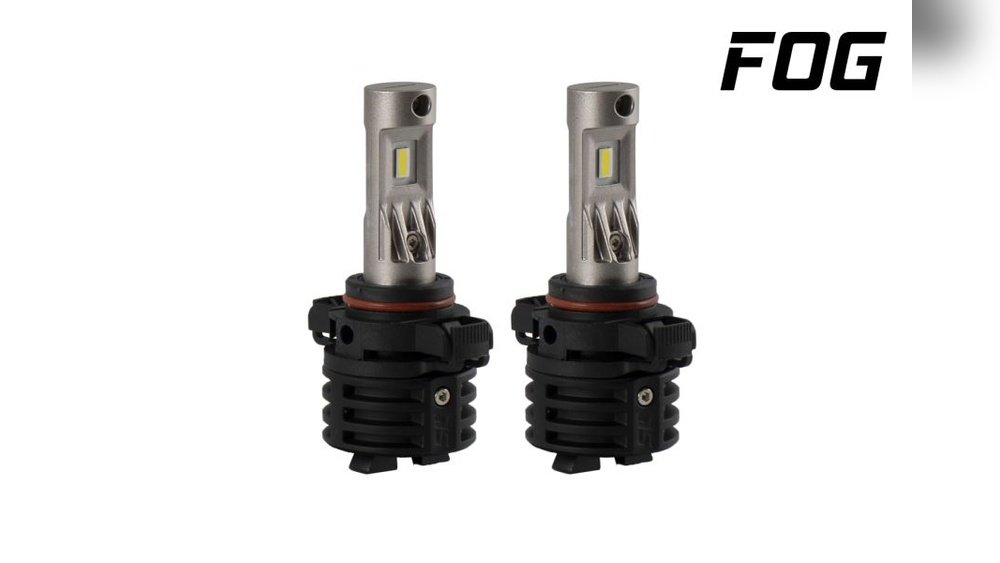
Upgrading your fog lights can make a significant difference in your driving experience, especially if you often find yourself in challenging weather. The right bulbs can improve visibility, enhance your truck's appearance, and even boost safety.
We’ll cover the common bulb types, how to identify the correct bulb for your specific Gladiator model, and the pros and cons of different lighting technologies.
We’ll also discuss installation tips and factors to consider when making your choice. Let’s get your Gladiator’s fog lights shining bright.
Understanding Jeep Gladiator Fog Light Bulb Types
When it comes to replacing or upgrading your Jeep Gladiator’s fog light bulbs, understanding the different types available is the first step. The original equipment manufacturer (OEM) bulbs might be functional, but there are often better, brighter, and more durable options on the market.
Knowing the common bulb bases and technologies will help you make an informed decision.
Halogen Bulbs: The Standard Option
Halogen bulbs are the most common type of bulb found in vehicles, including many Jeep Gladiators from the factory. They work by passing an electric current through a tungsten filament, which heats up and emits light. Inside the bulb, a mixture of inert gas and halogen gas (like iodine or bromine) surrounds the filament. This gas helps to prevent the filament from evaporating too quickly, allowing the bulb to burn brighter and last longer than older incandescent bulbs.
Pros of Halogen Bulbs:
- Affordability: Halogen bulbs are typically the least expensive option.
- Easy Availability: They are widely available at auto parts stores and online.
- Simple Installation: Replacing a halogen bulb is usually a straightforward process.
- Direct Replacement: They often use the same socket as your original bulbs, making them a plug-and-play solution.
Cons of Halogen Bulbs:
- Lower Brightness: Compared to newer technologies like LED, halogen bulbs are less bright.
- Shorter Lifespan: They tend to burn out faster than LED bulbs.
- Higher Heat Output: Halogen bulbs generate a significant amount of heat, which can sometimes affect surrounding components.
- Less Efficient: They consume more power for the amount of light produced.
For many Gladiator owners, replacing a burnt-out halogen bulb with another halogen bulb is the simplest and most cost-effective solution. However, if you’re looking for improved performance, especially in low-visibility conditions, you might want to consider other options.
Led Bulbs: The Modern Upgrade
LED (Light Emitting Diode) bulbs are a popular choice for upgrading vehicle lighting. Unlike halogen bulbs that rely on a filament, LEDs produce light when an electric current passes through a semiconductor material. This process is much more efficient and produces a brighter, whiter light.
Pros of LED Bulbs:
- Superior Brightness: LEDs offer significantly higher brightness levels than halogen bulbs, improving visibility.
- Long Lifespan: They can last much longer, often tens of thousands of hours, meaning you might never need to replace them again.
- Energy Efficiency: LEDs consume less power, which can slightly reduce strain on your vehicle’s electrical system.
- Instant On/Off: LEDs illuminate instantly, with no warm-up time.
- Durable: They are solid-state devices with no filament to break, making them more resistant to vibrations and shock.
- Cooler Operation: While they do produce some heat, it’s managed by heat sinks and fans, and they don’t radiate as much heat as halogens.
Cons of LED Bulbs:
- Higher Cost: LED bulbs are generally more expensive upfront than halogen bulbs.
- Potential Compatibility Issues: Some vehicles may require a CAN bus decoder or resistor to prevent error messages on the dashboard, although this is less common with fog lights than headlights.
- Heat Management: While more efficient, LEDs still generate heat that needs to be dissipated. Poorly designed LEDs with inadequate heat sinks can overheat and fail prematurely.
- Beam Pattern: The quality of the beam pattern can vary. Cheaper LEDs might scatter light, causing glare for oncoming drivers. It’s crucial to choose LEDs designed to replicate the OEM beam pattern.
When upgrading to LEDs, ensure you select bulbs specifically designed for fog light applications and that they have a compatible base.
Hid Bulbs: High-intensity Discharge
HID (High-Intensity Discharge) bulbs, also known as Xenon bulbs, were a popular upgrade before LEDs became mainstream. They produce light by creating an electric arc between two electrodes within a sealed glass bulb filled with xenon gas and metal halide salts.
Pros of HID Bulbs:
- Very Bright: HIDs produce a very intense, bright light, often perceived as whiter than halogen.
- Efficient: More efficient than halogens in terms of light output per watt.
Cons of HID Bulbs:
- Complexity: HIDs require a ballast to ignite the arc and regulate the voltage, making installation more complex.
- Warm-up Time: They take a few seconds to reach full brightness.
- Cost: Generally more expensive than halogens and often LEDs.
- Potential for Glare: If not properly aimed or if the beam pattern is not correct for fog lights, HIDs can cause significant glare.
- Legality: In some regions, using HID bulbs in housings designed for halogen or fog lights might be illegal due to beam pattern and brightness concerns.
- Durability: The glass bulbs can be fragile.
While HIDs offer brightness, their complexity, warm-up time, and potential for glare make them a less common choice for Gladiator fog lights compared to LEDs today.
Identifying The Correct Bulb For Your Jeep Gladiator
Choosing the right fog light bulb for your Jeep Gladiator isn’t just about picking a type; it’s about ensuring it fits your specific vehicle model and year. Using the wrong bulb can lead to poor performance, damage to your electrical system, or simply not fitting at all.
Finding Your Gladiator’s Bulb Type
The easiest way to identify the correct bulb type is to consult your Jeep Gladiator owner’s manual. This document is the definitive source for your vehicle’s specifications. It will list the exact bulb designations for your fog lights, headlights, and other exterior lights.
If you don’t have your owner’s manual handy, you can also:
- Check the Existing Bulb: Carefully remove the old fog light bulb (we’ll cover how to do this later). The bulb itself will often have the type designation printed on its base or glass. Look for codes like “H10,” “PSX24W,” “9145,” or similar.
- Online Parts Catalogs: Many auto parts websites and online retailers have a vehicle lookup tool. Enter your Jeep Gladiator’s year, make, and model, and they will show you compatible fog light bulbs.
- Consult a Dealership or Auto Parts Store: Staff at a Jeep dealership or a reputable auto parts store can look up the correct bulb information for you based on your vehicle’s VIN (Vehicle Identification Number) or model details.
Common Bulb Designations For Jeep Gladiators
While the exact bulb type can vary slightly by trim level and year, some common designations are frequently used for Jeep Gladiator fog lights:
- H10 (9145): This is a very common bulb type for many Jeep models, including some Gladiators. It’s a single-filament bulb often used for fog lights.
- PSX24W (5202/2504): Another frequent candidate, this is a smaller bulb often used in projector-style fog light housings. It’s a dual-filament bulb, but typically only one filament is used for fog lights.
- H16 (5201/5202): Similar to the PSX24W, the H16 is also a popular choice for fog lights, often featuring a unique base that looks similar to other types but may not be directly compatible.
Crucially, always double-check. An H10 bulb has a different base and pin configuration than a PSX24W or H16. Forcing the wrong bulb can damage the socket and wiring.
Understanding Bulb Bases And Connectors
Bulbs connect to your vehicle’s wiring harness via a specific base. The base is the part of the bulb that inserts into the socket. For fog lights, you’ll commonly encounter:
- Keyed Bases: These bases have specific shapes or notches that only allow them to be inserted into the socket in one orientation. This prevents incorrect installation.
- Pin Connectors: The base will have metal pins or contacts that connect to the vehicle’s wiring harness.
The connector on your Gladiator’s wiring harness must match the base of the new bulb. If you’re upgrading from halogen to LED, the LED bulb will often be designed with a base that matches the original halogen bulb (e. g.
, an H10-based LED bulb will have the same base as an H10 halogen bulb). However, always verify this.
Trim Level And Year Variations
It’s important to remember that different trim levels (like Sport, Rubicon, Overland) or specific package options might come with different fog light housings or even different bulb types from the factory. Similarly, a model year change could introduce different lighting components. Always confirm the bulb type for *your specific* Gladiator configuration.
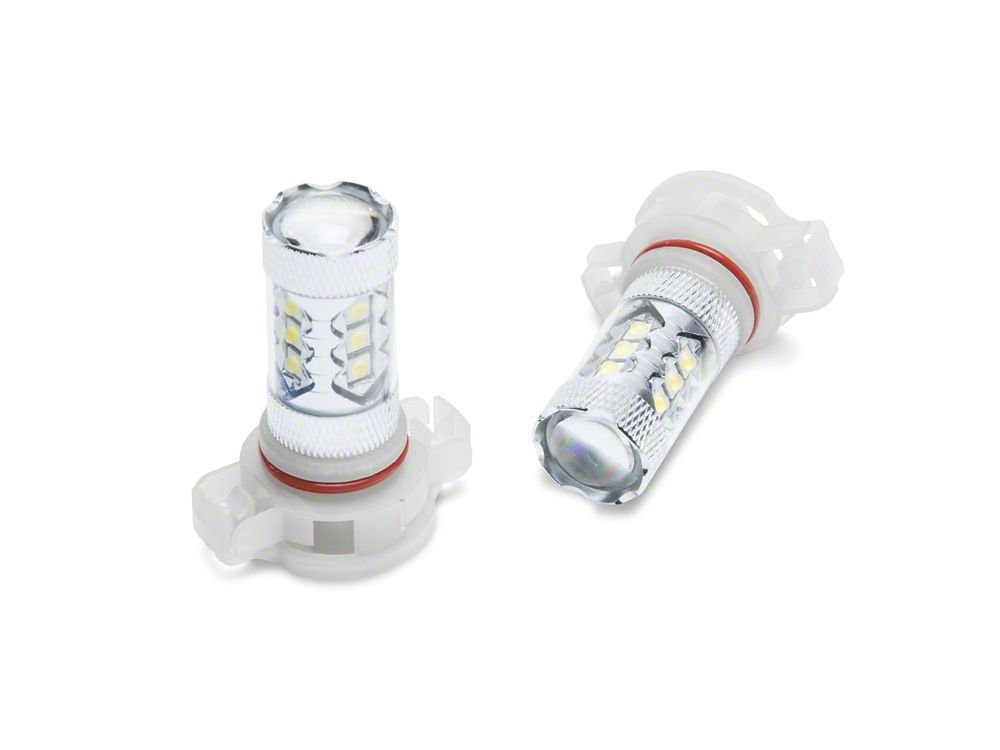
Choosing The Best Jeep Gladiator Fog Light Bulbs
Once you know the correct bulb type for your Jeep Gladiator, the next step is choosing the best replacement or upgrade. This involves considering factors beyond just brightness, such as beam pattern, color temperature, durability, and brand reputation.
Key Factors To Consider
- Brightness (Lumens): Lumens measure the total amount of light output. Higher lumens generally mean a brighter bulb. However, for fog lights, extremely high brightness isn’t always best, as it can reflect off fog particles and reduce visibility. Look for bulbs with a good balance.
- Beam Pattern: This is perhaps the most critical factor for fog lights. Fog lights are designed to cast a wide, low beam that hugs the road. This pattern illuminates the area directly in front of your vehicle and to the sides, without shining up into the fog and creating glare. Upgraded bulbs, especially LEDs, must replicate this specific beam pattern to be effective and safe. Poorly designed LEDs can scatter light, blinding other drivers.
- Color Temperature (Kelvin): This refers to the color of the light produced, measured in Kelvin (K).
- Halogen bulbs typically have a warm, yellowish light (around 2700K-3000K).
- LED bulbs often come in cooler, whiter temperatures (4000K, 5000K, or even 6000K).
- For fog lights, a lower Kelvin temperature (closer to 3000K) is generally preferred. This yellowish light penetrates fog better than pure white or blueish light, which can reflect and cause glare. Some high-quality LEDs are specifically designed to mimic this warm fog light color.
- Durability and Build Quality: Look for bulbs made with high-quality materials. For LEDs, check for robust heat sinks (often aluminum) and reliable internal components. A good warranty can also be an indicator of a manufacturer’s confidence in their product’s durability.
- Brand Reputation: Stick with reputable brands known for automotive lighting. Companies that specialize in lighting often have better quality control, superior engineering, and more reliable products. Avoid generic, unbranded bulbs, as their performance and lifespan can be unpredictable.
- Waterproof Rating (IP Rating): Fog lights are exposed to the elements. Ensure your chosen bulbs, especially LEDs, have a good IP rating (e.g., IP65 or higher) indicating they are protected against dust and water ingress.
Comparing Led Vs. Halogen For Your Gladiator
| Feature | Halogen Bulbs | LED Bulbs |
|---|---|---|
| **Brightness** | Moderate | High (can be too high if not designed for fog lights) |
| **Lifespan** | Shorter (e.g., 500-1000 hours) | Much longer (e.g., 25,000+ hours) |
| **Energy Use** | Higher | Lower |
| **Color Temp** | Warm Yellow (2700K-3000K) | White to Cool White (4000K-6000K+), some mimic yellow |
| **Beam Pattern** | Generally good OEM pattern | Varies; crucial to choose one designed for fog lights |
| **Heat Output** | High | Lower, but requires effective heat dissipation |
| **Cost** | Low | Medium to High |
| **Installation** | Simple plug-and-play | Usually plug-and-play, may need decoders (rare for fogs) |
| **Durability** | Filament can break | Solid-state, very durable |
| **Best For** | Cost-effective replacement | Longevity, brighter light, modern look |
| **Fog Performance** | Good, especially with warmer color | Excellent if designed correctly for beam and color |
Pro Tip: Consider “fog Light Specific” Leds
When buying LED bulbs for fog lights, look for products explicitly marketed as “fog light LEDs”. These are typically designed with a specific color temperature (often around 3000K) and a beam pattern engineered to perform optimally in foggy conditions, minimizing glare and maximizing usable light on the road.
Popular Brands And What To Look For
While specific product recommendations can change rapidly, some well-regarded brands in the automotive lighting space include:
- Philips: Known for quality and performance across their halogen and LED lines.
- Sylvania: A major player with a wide range of lighting options.
- Auxito: A popular online brand offering good value LED bulbs.
- Alla Lighting: Another brand frequently cited for