Owning a Jeep is often about adventure, freedom, and off-road capability. But even the most iconic vehicles have their weaknesses.
If you’re considering buying a Jeep or already have one, it’s smart to understand the most common Jeep faults. This knowledge can help you avoid problems, plan maintenance, and get the most out of your vehicle.
Common Mechanical Faults In Jeeps
Many Jeep owners love the rugged feel, but some mechanical issues show up more often than you’d expect. Here are the most frequent ones:
1. Death Wobble
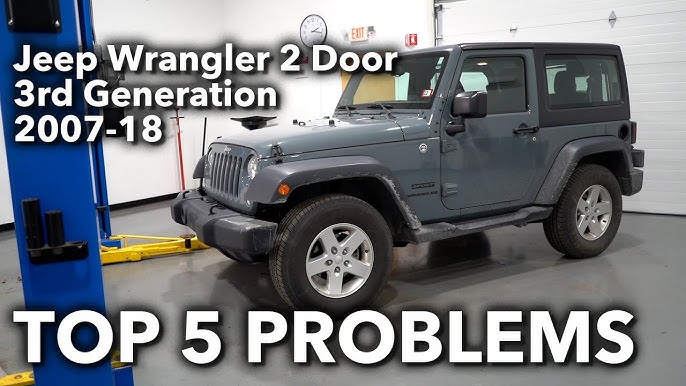
The infamous death wobble is a strong vibration in the steering wheel, often after hitting a bump at highway speeds. It’s most common in Jeep Wranglers with solid front axles. Worn-out track bar bushings, loose bolts, or unbalanced tires are typical causes. Ignoring this problem can make the Jeep unsafe to drive.
2. Transmission Problems
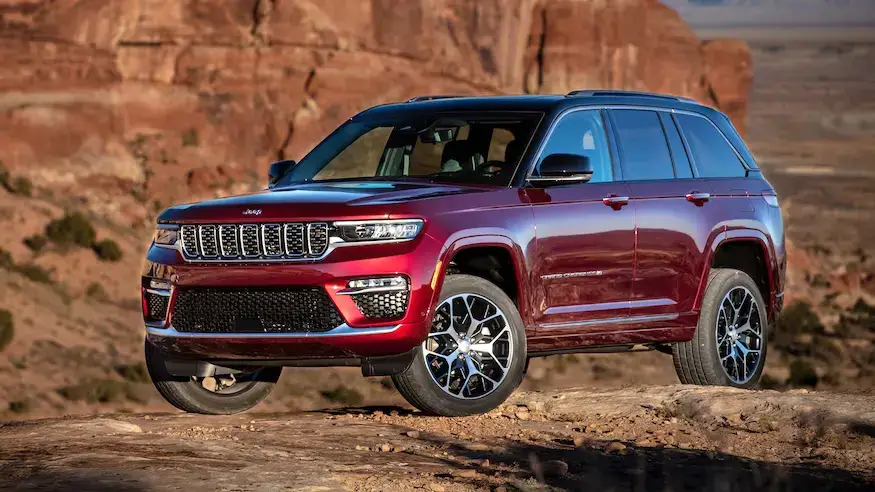
Older Jeep models, especially the Jeep Grand Cherokee (early 2000s), sometimes experience rough shifting, slipping gears, or delayed engagement. These issues often come from a faulty transmission control module or worn-out solenoids.
3. Electrical Gremlins
Many Jeep owners report strange electrical faults—from random warning lights to windows that won’t roll up. The Totally Integrated Power Module (TIPM) is often the culprit, especially in 2011-2014 models. Replacing or resetting the TIPM can be costly.
4. Leaking Oil Pans And Seals
Jeeps with higher mileage often develop oil leaks. Look for oil spots under the engine or transmission. Leaks typically come from the rear main seal or oil pan gasket. While not always urgent, neglecting leaks can lead to bigger engine problems.
5. Cooling System Failures
Overheating is a risk for some Jeep models, especially in hot climates or when towing. Common causes include a failing radiator, water pump, or thermostat. Regular checks can prevent breakdowns far from home.
Reliability Data And Model Comparison
Not all Jeeps are the same when it comes to reliability. Let’s compare some popular models based on major faults and owner reports.
| Model | Years Prone to Faults | Most Common Issues |
|---|---|---|
| Wrangler (JK) | 2007-2017 | Death wobble, oil leaks |
| Grand Cherokee | 2011-2014 | TIPM faults, transmission issues |
| Cherokee | 2014-2016 | Transmission problems, electrical issues |
| Renegade | 2015-2017 | Transmission, sensor faults |
It’s clear that some model years are riskier than others. Always research the specific Jeep year before buying.

Cost Of Repairs: What To Expect
Jeeps are not the cheapest vehicles to maintain. Here’s a look at average repair costs for common faults:
| Fault | Average Repair Cost (USD) | Frequency |
|---|---|---|
| Death Wobble Fix | $300–$1,000 | Moderate |
| Transmission Repair | $1,200–$3,500 | Low to Moderate |
| TIPM Replacement | $700–$1,200 | Low |
| Oil Leak Repair | $250–$900 | High (older models) |
| Radiator/Water Pump | $350–$900 | Moderate |
Non-obvious insight: Some repairs, like fixing the death wobble, often require replacing several parts at once (track bar, tie rod ends, bushings) to prevent the problem from returning.
Preventing Jeep Faults: Practical Tips
While some faults are hard to avoid, regular care can reduce the risk:
- Check the suspension every oil change, especially if you drive off-road.
- Balance your tires and align the wheels after hitting big bumps or replacing suspension parts.
- Inspect for oil leaks monthly. Early detection saves money.
- Flush the cooling system every 2 years, especially in hot or dusty areas.
- Update the software on newer Jeep models to fix bugs causing electrical glitches.
Owners sometimes miss that aftermarket modifications (lift kits, larger tires) can make some faults worse, especially the death wobble. Stick to Jeep-approved parts or have a specialist check your setup.
When A Fault Means It’s Time To Sell
If your Jeep needs expensive repairs, it can be hard to decide whether to fix or sell. Consider selling if:
- The repair cost is over 50% of the vehicle’s market value.
- Multiple major faults appear in a short time.
- You rely on your Jeep as a daily driver and breakdowns affect your work.
Example: If your 2012 Wrangler is worth $10,000 and needs a $4,000 transmission plus $1,000 in suspension work, selling and buying a newer Jeep may be smarter.
How Jeeps Compare To Other Suvs
Are Jeeps less reliable than other SUVs? Here’s a quick comparison of repair frequency and cost.
| Brand | Major Fault Frequency | Average Repair Cost |
|---|---|---|
| Jeep | Moderate | $500–$1,200 |
| Toyota | Low | $350–$900 |
| Ford | Moderate | $450–$1,100 |
| Chevrolet | Moderate | $400–$1,000 |
Jeeps are not the most reliable, but they’re not the worst either. Toyota stands out for low fault rates and repair costs.