Meta Description:
Discover smart Jeep door and top storage options, compatibility tips, and essential buying advice for JK, JL, TJ, and other Jeep models.
Jeep owners love the freedom of removing their doors and tops for open-air driving. But what happens when you need to store these parts safely? Poor storage can lead to scratches, dents, or even expensive repairs. Whether you drive a Jeep Wrangler JK, JL, TJ, XJ, WK, or WL, understanding the best storage methods protects your investment and keeps your gear ready for adventure.
Why Door And Top Storage Matters
Jeep doors and tops are heavy, awkward, and easy to damage if not stored correctly. Many new owners underestimate the risk. Proper storage prevents paint chips, broken seals, or warped panels. It also makes reinstalling easier—especially if you swap doors and tops often.
Some Jeep models, like the Wrangler JL, have lighter aluminum doors, but older models like the TJ use heavier steel. The hardtop is especially vulnerable to cracks if dropped or bumped. Keeping these parts safe means fewer headaches and lower repair costs.
Choosing The Right Storage Solution
Compatibility By Model
Storage needs change by Jeep platform:
- JK (2007–2018): Steel doors, heavy hardtop; needs sturdy racks.
- JL (2018–present): Aluminum doors, lighter hardtop; more storage options.
- TJ (1997–2006): Smaller, heavier doors; compact racks work well.
- XJ, WK, WL: Mostly fixed doors and tops; less need for removal.
Check your model year and trim before buying racks or covers. Some accessories fit multiple generations, while others are model-specific.
Types Of Storage Systems
Jeep owners often choose between these main storage methods:
1. Wall-mounted Racks:
Save floor space; ideal for garages.
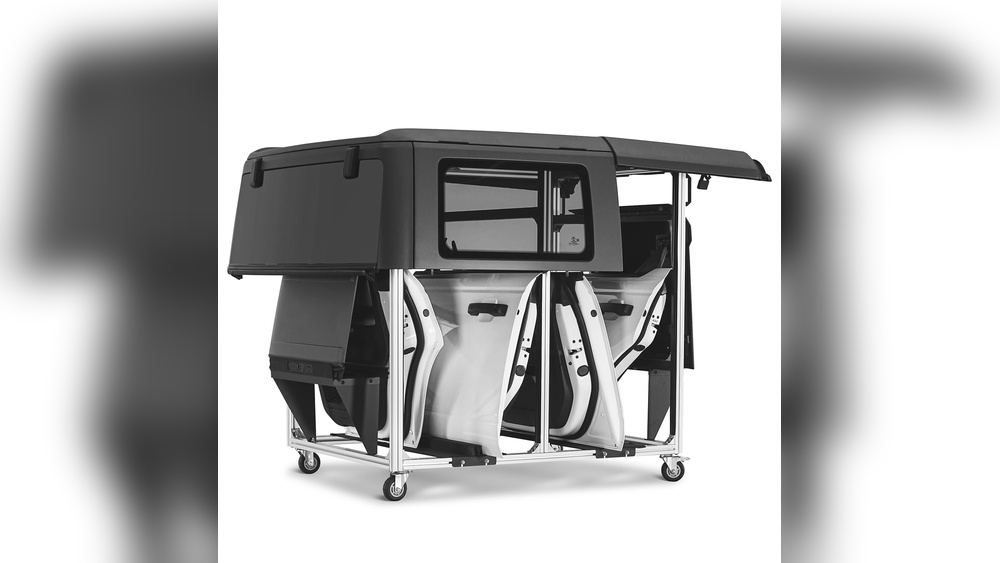
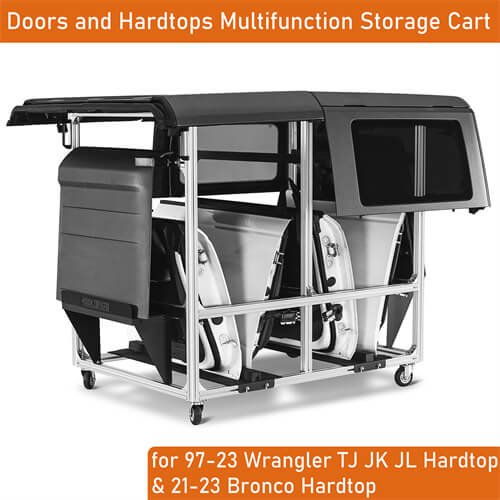
2. Rolling Carts:
Move parts easily; good for frequent swaps.
3. Hoist Systems:
Perfect for hardtops; lifts top overhead.
Each has pros and cons, which you can compare in the table below:
| Storage Type | Best For | Price Range | Space Needed |
|---|---|---|---|
| Wall Rack | Doors, Hardtops | $100–$250 | Medium |
| Rolling Cart | Doors | $150–$350 | Large |
| Hoist | Hardtop | $200–$500 | Ceiling |

Practical Storage Tips
Preparing Doors And Tops
- Clean thoroughly before removing to avoid trapped dirt.
- Label wiring and hinges if your Jeep has power locks or mirrors.
- Use protective covers to prevent scratches.
- Store on a flat surface or in a dedicated rack—never lean against walls.
Beginners often miss:
- Removing mirrors before storing doors prevents breakage.
- Hardtop bolts should be kept in a labeled bag.
Storing Hardtops
Hardtops are bulky and fragile. For the Wrangler JL, the lighter design helps, but both JL and JK tops can crack if mishandled.
- Use a hoist system if you have high ceilings.
- Rolling carts make moving tops easier, but need garage space.
- Never stack items on a hardtop; weight causes cracks.
Estimated repair cost for a cracked hardtop: $800–$1,500.
Storing Soft Tops
Soft tops are easier to handle but need careful folding:
- Fold loosely; tight folding can damage windows.
- Store in a dry area; moisture causes mold.
- Use a storage bag for extra protection.
Most soft tops fit all Wrangler trims, but check your model year for zipper compatibility.
Buying Advice For Storage Accessories
Key Factors To Consider
- Model compatibility: Check product labels for JK, JL, TJ, etc.
- Weight capacity: Hardtop racks should support at least 120 lbs.
- Build quality: Powder-coated steel prevents rust.
- Ease of use: Quick-release clamps save time.
Many cheap racks look universal but won’t fit every Jeep. Always check reviews and specs.
Common Mistakes
- Buying racks too small for four-door models.
- Ignoring weight ratings.
- Storing doors on bare concrete—risking paint damage.
Example Compatibility Table
Here’s how popular racks fit different Jeep models:
| Accessory | JK | JL | TJ | Four-Door |
|---|---|---|---|---|
| Rolling Door Cart | Yes | Yes | No | Yes |
| Wall-Mount Rack | Yes | Yes | Yes | Yes |
| Hardtop Hoist | Yes | Yes | No | Yes |
Safety And Towing Considerations
Removing doors and tops changes the towing weight and can affect safety features:
- Most Wranglers tow up to 3,500 lbs (JK, JL), but doors/top removal doesn’t affect towing directly.
- Some trims have sensors in doors; disconnect carefully.
- Always check local laws—some states require mirrors when doors are off.
Newer models (JL, JL Rubicon) have more electronic wiring; be careful not to damage connectors.
Storage Costs And Diy Options
Professional storage solutions cost between $100–$500. DIY racks can be built for under $75 with wood and foam padding.
Symptoms of bad storage:
- Scratches, dings, or broken hinges.
- Water leaks after reinstalling.
If you see these signs, invest in better storage or visit a Jeep specialist.
Frequently Asked Questions
How Do I Store Jeep Doors Safely?
Use a door rack or rolling cart. Cover doors with padded sheets. Never stack them or leave on concrete. Label wiring for easier reinstallation.
Can I Store My Hardtop Outdoors?
It’s possible, but not recommended. UV rays cause fading and cracks.
Use a heavy-duty cover, and avoid placing anything on top.
Are Storage Racks Universal For All Jeep Models?
No. Check compatibility for JK, JL, TJ, and four-door versions. Some racks fit all Wranglers; others are model-specific.
What’s The Best Way To Lift A Hardtop Alone?
A hoist system is safest for solo lifts. Look for quick-release systems with at least 120 lbs capacity. Avoid lifting without help to prevent injury.
Will Storing Doors And Tops Affect My Jeep Warranty?
Not if done correctly. Damage from improper storage scratches or broken seals may void coverage. Follow your owner’s manual for best practices.
Storing your Jeep doors and tops is more than just convenience—it protects your ride and keeps adventures worry-free. Invest in the right storage, check compatibility, and follow careful handling steps. For more details and official specs, visit Jeep.com.
Suggested internal-link anchor texts:
- Jeep Wrangler maintenance tips
- Best Jeep accessories for off-roading
- How to remove Jeep doors safely