The term “Jeep Death Wobble” has become a major concern for many Jeep owners. If you’ve ever experienced your steering wheel shaking violently while driving, you know how alarming it feels.
This problem is not just uncomfortable—it can also be dangerous, especially at highway speeds.
But what exactly causes this issue, and which Jeep model years are most at risk? Understanding the facts will help you drive safely and make smart choices when buying or maintaining a Jeep.
What Is The Jeep Death Wobble?
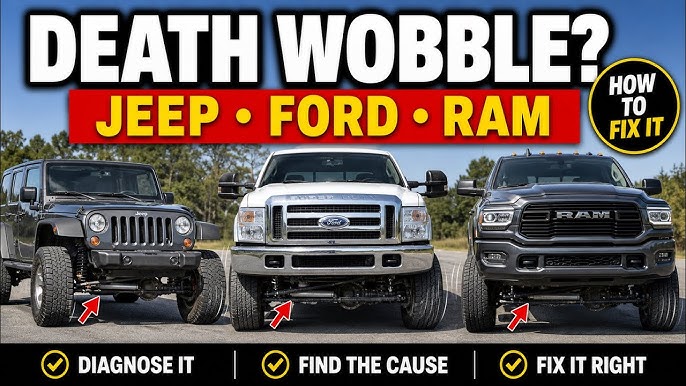
The Death Wobble is a sudden, intense shaking of the front suspension and steering wheel in certain Jeep vehicles. It usually happens after hitting a bump or pothole at speeds above 45 mph. The shaking can be so strong that you may feel you’re losing control. While it rarely causes direct accidents, it can be frightening enough to make drivers stop immediately.
Which Jeep Models And Years Are Most Affected?
Some Jeep models and years are more prone to Death Wobble than others. The problem is common in vehicles with solid front axles, especially after suspension modifications or as parts wear out.
Here’s a look at which Jeeps are most often affected:
| Model | Years at High Risk | Notes |
|---|---|---|
| Jeep Wrangler TJ | 1997–2006 | Common after lift kits or aging components |
| Jeep Wrangler JK | 2007–2018 | High reports, especially 2007–2012 |
| Jeep Wrangler JL | 2018–present | Reported, but less often than JK |
| Jeep Grand Cherokee WJ | 1999–2004 | Solid front axle design |
| Jeep Cherokee XJ | 1984–2001 | Older models with worn parts |
Key Insight: The Wrangler JK (2007–2018) is the most reported model for Death Wobble. According to the NHTSA, complaints peaked for 2007–2012 models. The problem also appears in other Jeeps with a similar front suspension design.
Why Does Death Wobble Happen?
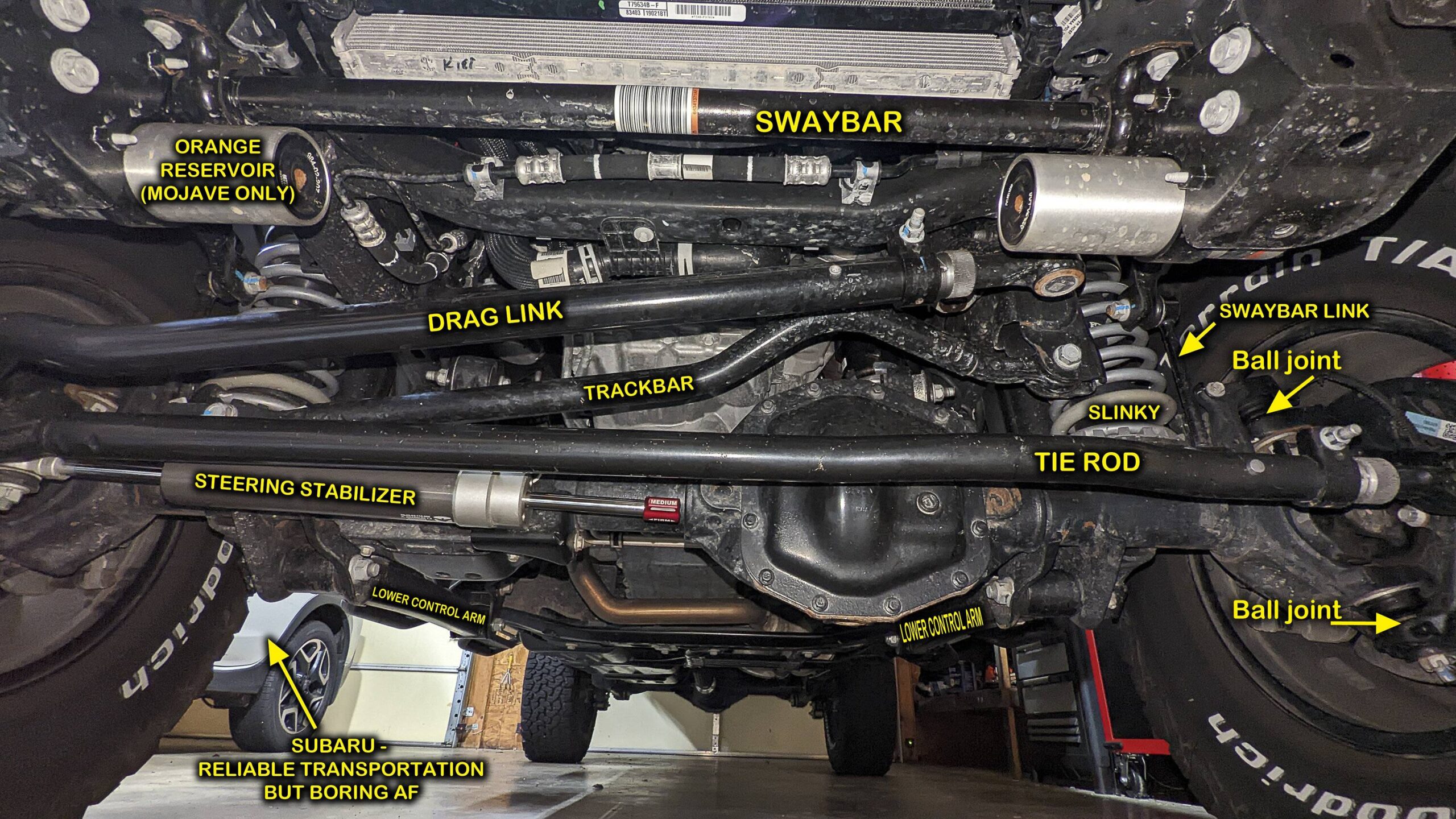
Death Wobble is not caused by one single problem. Instead, it’s usually a combination of worn or loose parts in the front suspension and steering.
Common causes include:
- Worn track bar bushings or bolts
- Loose tie rod ends
- Damaged ball joints
- Improper wheel alignment
- Unbalanced tires
- Lift kits or aftermarket parts installed incorrectly
Even brand-new Jeeps can sometimes develop Death Wobble, especially if parts become loose over time. The solid front axle design—great for off-roading—makes Jeeps more prone to this issue compared to vehicles with independent front suspension.
Model Year Trends And Data
Looking at owner reports and recall data can help you understand which Jeep years are most at risk.
| Model Year | Death Wobble Reports | Manufacturer Actions |
|---|---|---|
| 2007–2012 Wrangler JK | High | Steering damper TSB, but no recall |
| 2013–2018 Wrangler JK | Moderate | Improved suspension parts |
| 2018–2026 Wrangler JL | Some reports | Steering damper replaced on some units |
| Older XJ/TJ | Low to moderate | No official fix; age-related wear |
Non-obvious Insight: Many owners think only older Jeeps are at risk, but even newer Wranglers with less than 10,000 miles have reported Death Wobble, often due to loose bolts from the factory.

How To Prevent And Fix Death Wobble
If you own a Jeep or are thinking of buying one, you can take steps to avoid this issue.
Prevention tips:
- Inspect suspension and steering parts every 10,000 miles.
- Check track bar bolts for tightness, especially after off-roading.
- Balance and rotate tires regularly.
- Avoid cheap lift kits or suspension parts.
- Get a professional alignment after any suspension work.
When Death Wobble happens, don’t panic. Hold the steering wheel firmly, slow down safely, and pull over.
The root cause is almost always a worn or loose part—not just the steering damper (a common misconception). Many dealerships simply replace the steering damper, but this is often only a temporary fix.
Pro tip: Always check the torque on all front suspension bolts after any repair or off-road trip. Even a small amount of looseness can trigger wobble.
Jeep’s Response And Owner Experiences
Jeep has acknowledged customer complaints about Death Wobble, especially for the JK and JL models. In 2019, FCA (Jeep’s parent company) offered a new steering damper to affected Wrangler JL owners. However, many experts agree this does not solve all cases.
Owner forums are full of stories from drivers who spent years and thousands of dollars chasing the problem. The most successful fixes almost always involve replacing several worn components at once and making sure everything is properly tightened.
For more technical details and updates, visit the official NHTSA database.

Frequently Asked Questions
What Is The First Sign Of Death Wobble In A Jeep?
The first sign is usually a sudden shaking of the steering wheel after hitting a bump at highway speeds. The vibration often continues until you slow down or stop.
Are All Jeeps At Risk For Death Wobble?
No, but Jeeps with solid front axles—like the Wrangler TJ, JK, and JL—are most prone. Independent front suspension models rarely experience this issue.
Can Death Wobble Be Fixed Permanently?
Yes, if you find and repair the root cause (usually worn or loose parts). Just replacing the steering damper is not enough in most cases.
Is Death Wobble Dangerous?
It is scary and can be dangerous if you lose control, but most drivers can recover by slowing down safely. However, it should be fixed as soon as possible.
Does Jeep Cover Death Wobble Under Warranty?
Sometimes. If your Jeep is still under warranty and the issue is caused by a defective part, repairs may be covered.
But wear-and-tear parts or aftermarket modifications may not be included.
If you plan to buy a Jeep or already own one, regular inspections and quick repairs are the best way to avoid the fear and danger of Death Wobble. Stay proactive, and your Jeep can provide safe, reliable fun on and off the road.