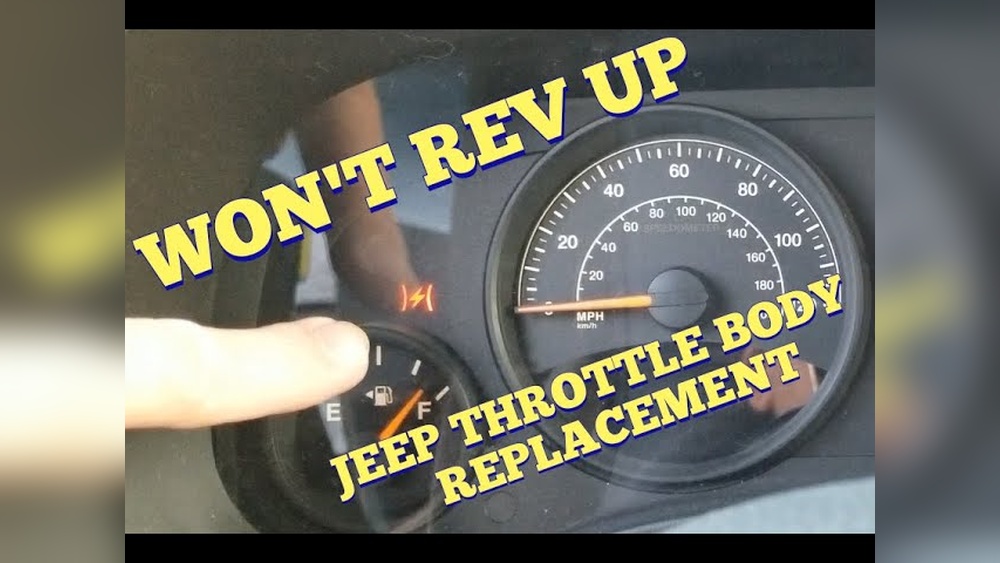
If you’re driving a Jeep and see a mysterious symbol light up on your dashboard, it can be stressful—especially if you’re not sure what it means. One symbol that many drivers notice is the coolant symbol.
This small dashboard icon is easy to overlook, but it’s actually very important. Understanding what this symbol means, why it appears, and how to respond can keep your Jeep running smoothly and help you avoid expensive repairs.
What Is The Jeep Coolant Symbol?
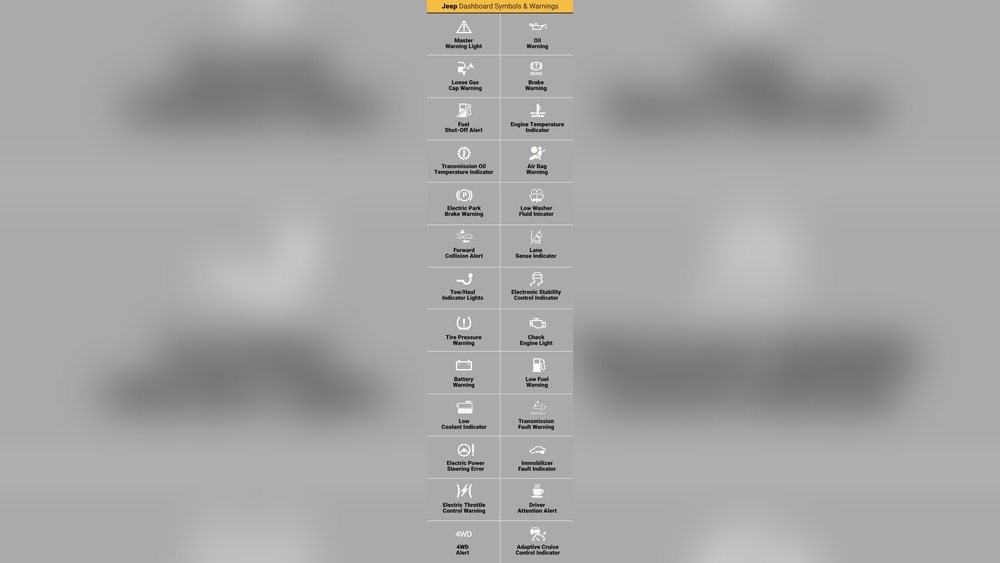
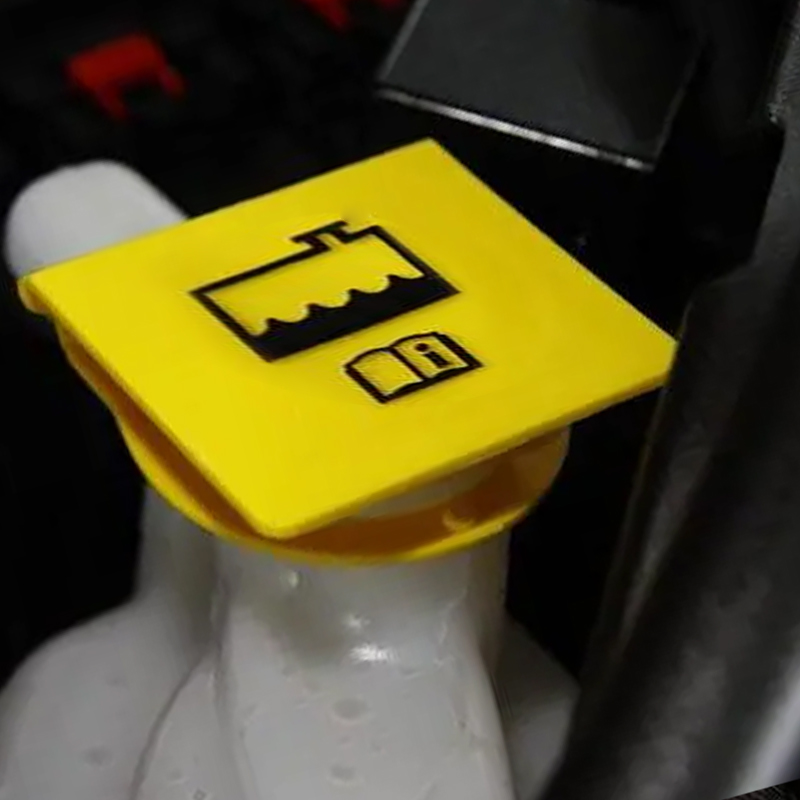
The Jeep coolant symbol usually looks like a thermometer dipped in liquid or a symbol with wavy lines under it. It lights up on your dashboard when there’s a problem with your engine’s coolant system. The purpose of this system is to keep your engine from getting too hot. If the coolant is low or the engine is overheating, your Jeep will warn you with this symbol.
Why is coolant so important? The engine in your Jeep gets very hot when it runs. Coolant (sometimes called antifreeze) helps carry heat away from the engine, keeping the temperature safe. If something goes wrong—like a leak or blockage—the engine could overheat and suffer serious damage.
Common Reasons For The Coolant Symbol
The coolant symbol can turn on for several reasons. Some are simple, while others can be serious.
- Low coolant level: This is the most common reason. The coolant in your Jeep may slowly leak out over time or evaporate.
- Coolant leak: A leak in the radiator, hoses, or water pump can cause coolant to escape.
- Faulty coolant temperature sensor: If the sensor fails, it might send a false warning.
- Overheating engine: If the engine is running too hot, the symbol will light up to warn you.
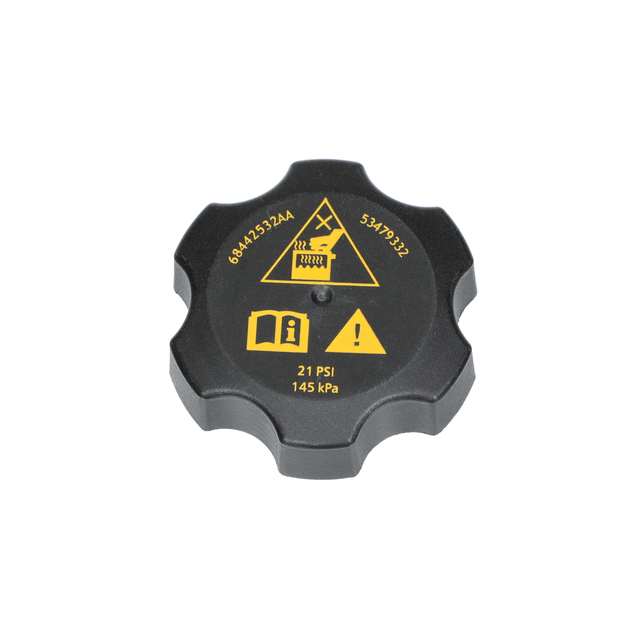
- Broken radiator cap: A bad cap can let coolant escape or lower system pressure.
Here’s a quick comparison of common causes and their warning signs:
| Cause | Warning Signs | Urgency |
|---|---|---|
| Low Coolant Level | Coolant symbol, lower reservoir | Medium |
| Coolant Leak | Puddles under car, sweet smell | High |
| Faulty Sensor | Symbol with normal temperature | Low |
| Overheating Engine | High temp gauge, steam | High |
What To Do When The Coolant Symbol Lights Up
Seeing the coolant symbol can be alarming, but don’t panic. Here’s what you should do:
- Pull over safely as soon as possible. Driving with an overheating engine can cause major damage.
- Turn off the engine and let it cool for at least 15–20 minutes. Don’t open the radiator cap while the engine is hot.
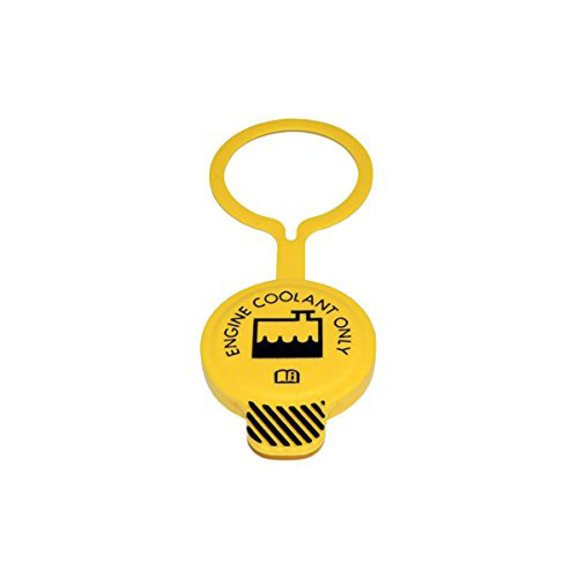
- Check coolant level in the reservoir. If it’s low, add the correct type of coolant (see your owner’s manual). Only open the cap when the engine is cool.
- Look for leaks under your car or around the engine.
- Restart the engine and check if the symbol goes away. If not, or if you see steam, call for roadside assistance.
Here’s a step-by-step summary for quick reference:
| Step | Action | Why It Matters |
|---|---|---|
| 1 | Pull over safely | Prevents engine damage |
| 2 | Let engine cool | Safety, avoid burns |
| 3 | Check coolant level | Identify problem |
| 4 | Inspect for leaks | Find root cause |
| 5 | Restart and observe | See if issue is resolved |
How To Prevent Coolant Problems In Your Jeep
Preventing the coolant symbol from lighting up is easier than you might think. Regular care can save you time and money.
- Check coolant level every month, especially before long trips.
- Inspect hoses and the radiator for cracks or rust.
- Flush and replace coolant every 2–3 years, or as recommended by your Jeep’s manual.
- Watch for warning signs like puddles, a sweet smell, or high temperature readings.
- Use the right coolant type. Mixing different types can harm your engine.
One tip many drivers miss: Even a small coolant leak can become a big problem over time. If you ever add coolant, keep an eye on the level over the next week. Slow leaks are often hard to spot but can damage your engine if ignored.
The Coolant Symbol Vs. Other Dashboard Warnings
Many Jeep owners confuse the coolant symbol with other dashboard lights. It’s important to know the difference so you can respond correctly.
| Symbol | Meaning | Action Needed |
|---|---|---|
| Coolant (thermometer/waves) | Engine overheating or low coolant | Stop, check coolant |
| Oil Can | Low oil pressure | Stop, check oil |
| Battery | Charging issue | Check alternator |
| Check Engine | General engine warning | Diagnose soon |
The key difference: The coolant symbol always relates to temperature or coolant level, while the other symbols alert you to different types of problems.
Non-obvious Insights About The Coolant Symbol
- Coolant level can drop even without visible leaks. Sometimes, coolant escapes as vapor from tiny cracks or through the reservoir cap.
- Coolant sensors can get dirty. If the sensor is covered in grime, it might trigger a false warning. Cleaning or replacing the sensor often solves the problem.
Many drivers ignore the coolant symbol if the engine seems to run fine. However, modern engines can overheat quickly and suffer hidden damage long before you notice any change in performance.