If you drive a Jeep Compass, keeping your transmission healthy isn’t just smart—it’s essential. The transmission fluid is like the lifeblood of your Jeep’s gearbox. It keeps the gears shifting smoothly, prevents overheating, and protects the system from costly damage. Many Jeep Compass owners forget to check their transmission fluid, especially as newer models often hide the dipstick or use “sealed” transmissions. But, whether you do your own car care or just want to understand what your mechanic is doing, knowing how to check your Jeep Compass transmission fluid can save you time, money, and headaches. Let’s break down the process, what to look for, and some crucial tips that even experienced drivers sometimes miss.
Why Transmission Fluid Matters In Your Jeep Compass
Transmission fluid does more than just lubricate moving parts. In your Jeep Compass, it also:
- Cools the transmission as you drive
- Cleans and protects internal parts from wear
- Helps your car shift gears smoothly
If the fluid gets too low, dirty, or old, you might notice hard shifting, strange noises, or even transmission failure. And replacing a transmission is one of the most expensive car repairs. That’s why regular checks make sense.
Types Of Jeep Compass Transmissions And Fluids
Not all Jeep Compass models use the same transmission or fluid. The Compass has used several transmission types since its launch in 2007:
- 6-speed automatic (older models)
- 9-speed automatic (most 2017+ models)
- CVT (Continuously Variable Transmission) (some early models)
- Manual transmission (rare, mainly outside the US)
Each uses a different fluid. Using the wrong fluid can cause serious problems. For example, the 9-speed automatic uses ATF+4 or a specific Mopar fluid, while the CVT uses a special CVT fluid.
Here’s a quick comparison:
| Year/Model | Transmission Type | Recommended Fluid | Dipstick Location |
|---|---|---|---|
| 2007–2016 | CVT / 6-speed auto | Mopar CVT+4 / ATF+4 | Engine bay (CVT: sealed) |
| 2017–present | 9-speed auto | Mopar ZF 8&9 Speed ATF | Sealed (no dipstick) |
| Manual | 5/6-speed manual | Manual gear oil | Check plug underneath |
Tip: Always check your owner’s manual for the exact fluid type. If you use the wrong one, you could void your warranty.
Signs Your Jeep Compass Needs A Transmission Fluid Check
Most people wait until they notice a problem. But your Jeep might show subtle signs that the transmission fluid needs attention:
- Delayed or rough shifting: If the gears hesitate or feel jerky, it’s often a fluid issue.
- Transmission slipping: Engine revs but the car doesn’t accelerate smoothly.
- Noise: Whining, grinding, or buzzing from under the car.
- Fluid spots: Red or brown puddles under your Jeep.
- Warning lights: Check Engine or Transmission warning on the dash.
Ignoring these signs can turn a small issue into a big repair. Some problems mimic engine trouble, so always rule out the transmission fluid first.
How To Check Jeep Compass Transmission Fluid
For Traditional Dipstick Transmissions
If your Jeep Compass has a transmission dipstick (common in older models), checking is easy:
- Park on a level surface and set the parking brake.
- Warm up the engine. The fluid expands when hot, so check after a short drive.
- Keep the engine running and shift through every gear, ending in Park.
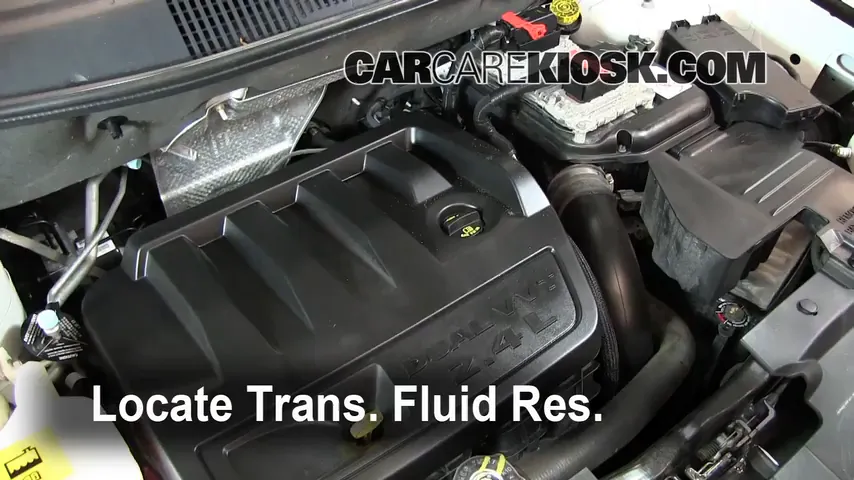
- Open the hood and locate the transmission dipstick (usually labeled or colored).
- Pull out the dipstick, wipe it clean, reinsert, and pull out again.
- Check the fluid level: It should be between the “Full” and “Add” marks.
- Inspect the fluid color: Healthy fluid is pink or red, not brown or burnt.
- Smell the fluid: Burnt odor means it’s time to change.
For Sealed Or “no Dipstick” Transmissions
Most new Jeep Compass models use a sealed transmission. There’s no dipstick, but you can still check the fluid, though it’s more involved:
- Raise the vehicle safely (ramps or a lift are best).
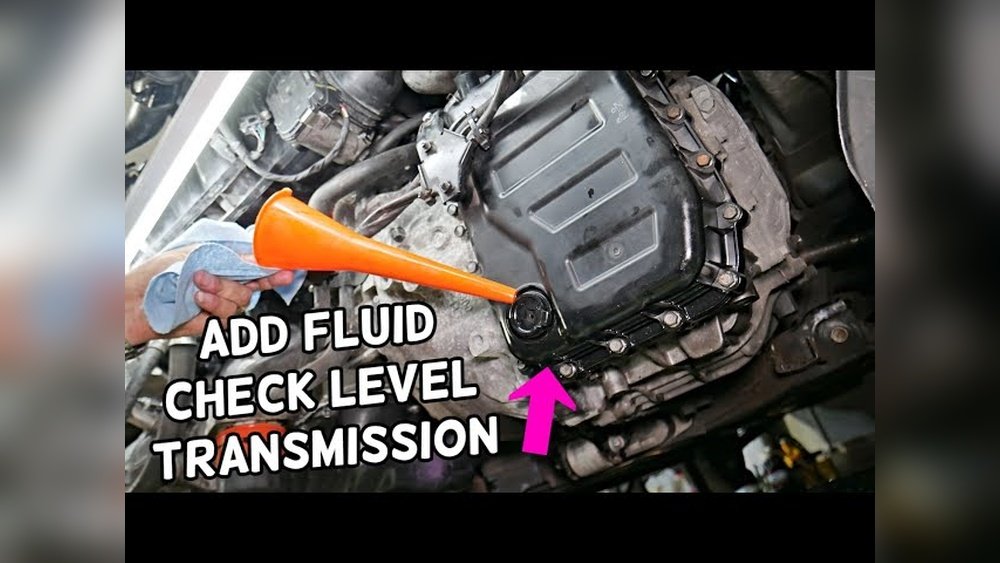
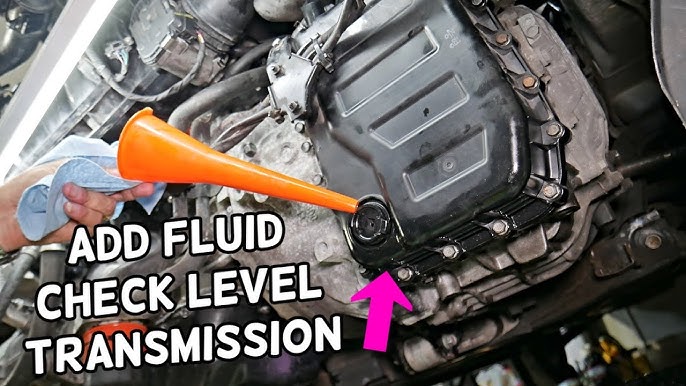
- The transmission has a check/fill plug on the side or bottom.
- Start the engine and let it reach normal temperature.
- With the car level, remove the check plug. Fluid should trickle out if the level is correct.
- If nothing comes out, add fluid until it does.
Note: Sealed transmissions are harder to check and fill. Many owners prefer a mechanic do this, but knowing the process helps you avoid being overcharged.
For Manual Transmissions
Manual Jeep Compass transmissions have a fill/check plug on the side of the gearbox:
- Let the car cool and raise it level.
- Find the plug and remove it.
- Fluid should be just below the hole. If not, top up with the correct gear oil.
What Healthy Transmission Fluid Looks And Smells Like
A big part of checking your transmission fluid is knowing what’s normal. Here’s a quick reference:
| Condition | Color | Smell | Action Needed |
|---|---|---|---|
| Healthy | Pink/red | Sweet or neutral | None |
| Old/Dirty | Brown/dark red | Faint burnt | Replace soon |
| Burnt | Black | Strong burnt | Change immediately, check for problems |
| Milky | Pink/white foam | Sweet or odd | Coolant leak—get service now |
Non-obvious tip: If you see bubbles or foam, it can mean overfilled fluid or contamination. This can damage your transmission quickly.
How Often Should You Check Or Change Jeep Compass Transmission Fluid?
Your Jeep Compass owner’s manual gives the best answer for your specific year and model. But as a rule of thumb:
- Check fluid: Every 20,000–30,000 miles, or yearly
- Change fluid: Every 60,000 miles (some manuals say 100,000, but sooner is safer)
- Severe use (towing, hot weather, city driving): Check and change more often
Some newer Compass transmissions are “lifetime fill,” but no fluid lasts forever. Dirty or low fluid reduces transmission life, even if the car seems fine.
Insider tip: If you do a lot of short trips or often drive in traffic, your fluid breaks down faster. Set a reminder to check between regular service intervals.
Can You Change Jeep Compass Transmission Fluid Yourself?
Changing transmission fluid in a traditional automatic is a DIY job for many owners. You’ll need:
- The right fluid (see your manual)
- A new filter and pan gasket (if needed)
- Basic tools and a drain pan
For sealed transmissions (no dipstick), the process is harder, as you need to access the underside, measure fluid temperature, and use a scan tool to get it exactly right. Many owners find it worth paying a pro for this.
Common mistake: Overfilling or underfilling sealed transmissions is risky. Too much fluid can foam and cause slipping; too little can burn up the gears.
What To Do If You Find A Transmission Fluid Leak
Finding a leak under your Jeep Compass can be worrying. Transmission fluid is usually red or brown, and leaks often come from:
- Pan gasket (where the transmission pan bolts on)
- Axle seals
- Cooler lines
If you see a small spot, check the fluid level soon. For large puddles or rapid loss, don’t drive—get your Jeep towed to a mechanic. Transmission damage from low fluid can happen in minutes.
What Happens If You Ignore Low Or Bad Transmission Fluid?
Skipping fluid checks is risky. Here’s what can happen:
- Hard shifting: The transmission may jerk or clunk.
- Slipping gears: Your Jeep might lose power suddenly.
- Overheating: Low fluid can’t cool the system, leading to burned clutches and bands.
- Total failure: Severe damage can destroy the transmission, costing $3,000–$5,000 or more to fix.
A few minutes of checking fluid can prevent all these problems.
Diy Vs. Professional Transmission Fluid Service
Here’s how DIY compares to professional service for your Jeep Compass:
| Aspect | DIY | Professional |
|---|---|---|
| Cost | Low (fluid + filter) | Medium to high (labor + fluid) |
| Tools Needed | Basic hand tools | Specialty tools, scan tools |
| Risk | Easy to spill/overfill | Correct level and procedure |
| Time | 1–2 hours | 30–60 minutes |
| Warranty | Possible void if done wrong | Usually protected |
Pro tip: For sealed transmissions, it’s usually better to let a certified mechanic do the job. But for older models, a careful DIYer can save money and learn more about their vehicle.
What Most Jeep Compass Owners Overlook
Even experienced Jeep Compass drivers sometimes miss these points:
- Transmission fluid isn’t “set and forget.” Even lifetime fluids break down, especially in hot climates or with towing.
- Leaks can be slow and hard to spot. Check under your Jeep after parking overnight, especially after long trips.
- Software updates matter. Sometimes, rough shifting is due to outdated transmission software, not just fluid. Ask your dealer to check for updates if shifting feels odd.
When To See A Mechanic
If you check your transmission fluid and notice any of these, see a professional soon:
- Fluid is dark, gritty, or smells burnt
- Fluid level drops quickly after you top up
- Your Jeep Compass won’t shift or drives oddly
- Warning lights appear on your dash
Mechanics have tools to measure fluid temperature, check for hidden leaks, and reset the transmission computer after a fluid change.
Final Thoughts
Checking your Jeep Compass transmission fluid is one of the best ways to protect your car and your wallet. Even with sealed transmissions, being informed helps you catch problems early, avoid scams, and keep your Jeep running smoothly. Make it a part of your regular maintenance, just like checking oil or tire pressure. A few minutes now can mean years of worry-free driving.
If you want more technical details, you can find official Jeep maintenance guides at Jeep Maintenance.
Frequently Asked Questions
How Do I Know If My Jeep Compass Has A Sealed Transmission?
Most Jeep Compass models from 2017 onwards use a sealed transmission (no dipstick). Check your owner’s manual or look for the absence of a transmission dipstick under the hood. If you aren’t sure, ask a dealer or certified mechanic.
What Color Should Jeep Compass Transmission Fluid Be?
Healthy transmission fluid is usually pink or red. If it turns brown, black, or has a burnt smell, it’s time to change it. Milky fluid can mean a coolant leak, which is a serious problem.
Can I Use Any Transmission Fluid In My Jeep Compass?
No. You must use the specific fluid recommended for your transmission type. Using the wrong fluid can cause shifting problems and damage. Always check your manual or ask a professional.
How Much Does It Cost To Change Jeep Compass Transmission Fluid?
DIY fluid changes usually cost between $50–$120 for parts and fluid. Professional service ranges from $150–$300, depending on your model and location. Sealed transmissions may cost more due to extra labor.
Is It Safe To Drive With Low Transmission Fluid?
No. Driving with low or dirty transmission fluid can quickly damage your transmission. If you notice symptoms or see fluid leaks, check and refill (or visit a mechanic) as soon as possible.