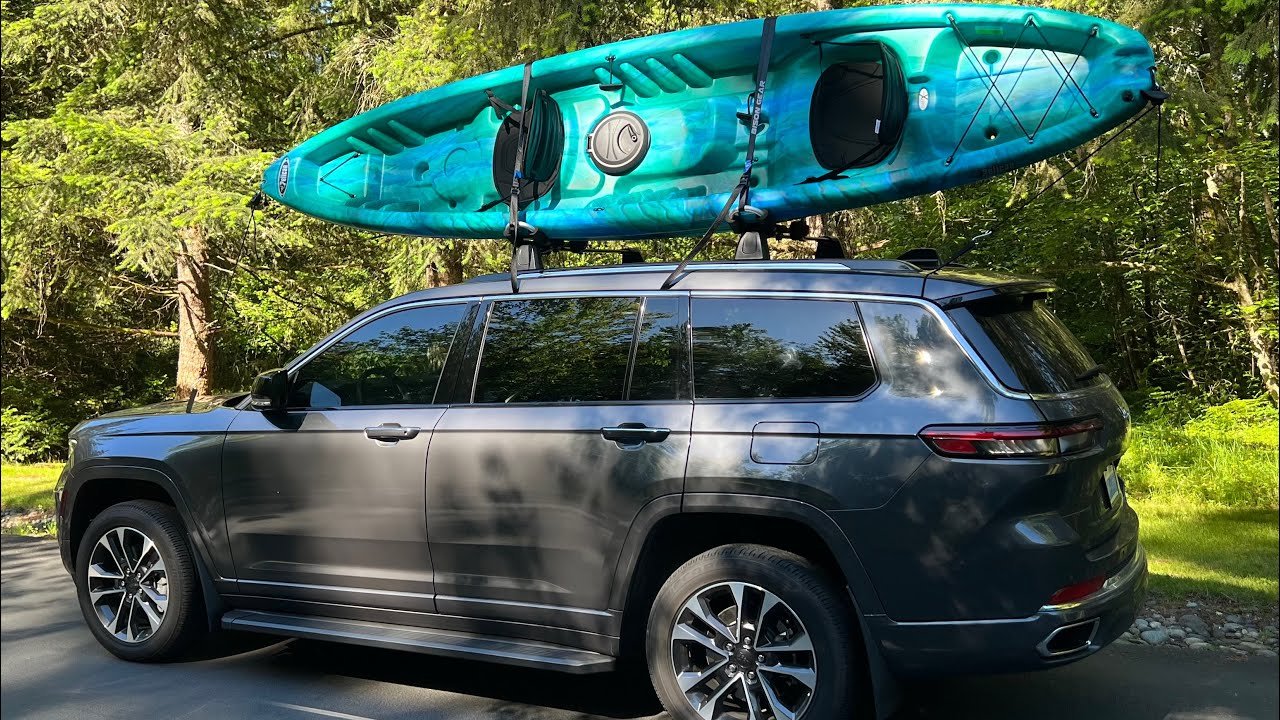
The Jeep Compass is a reliable compact SUV, often chosen for its blend of style and utility. However, one question pops up for many owners and buyers: what about the spare tire? This small detail can mean the difference between a simple roadside fix and a stressful wait for help. If you drive a Jeep Compass or plan to buy one, understanding the spare tire situation is crucial. Let’s break down everything you need to know, from types and locations to replacement tips and common mistakes.
Spare Tire Types In Jeep Compass
The Jeep Compass comes with different spare tire options depending on the model year, trim, and region. It’s important to know what’s in your vehicle before trouble strikes.
- Compact Temporary Spare (Donut): Most recent Compass models have a temporary spare tire. It’s smaller and lighter, intended for short-term use at low speeds.
- Full-Size Spare: Some older models or specific trims may include a full-size spare tire. This matches the other tires and can be used longer.
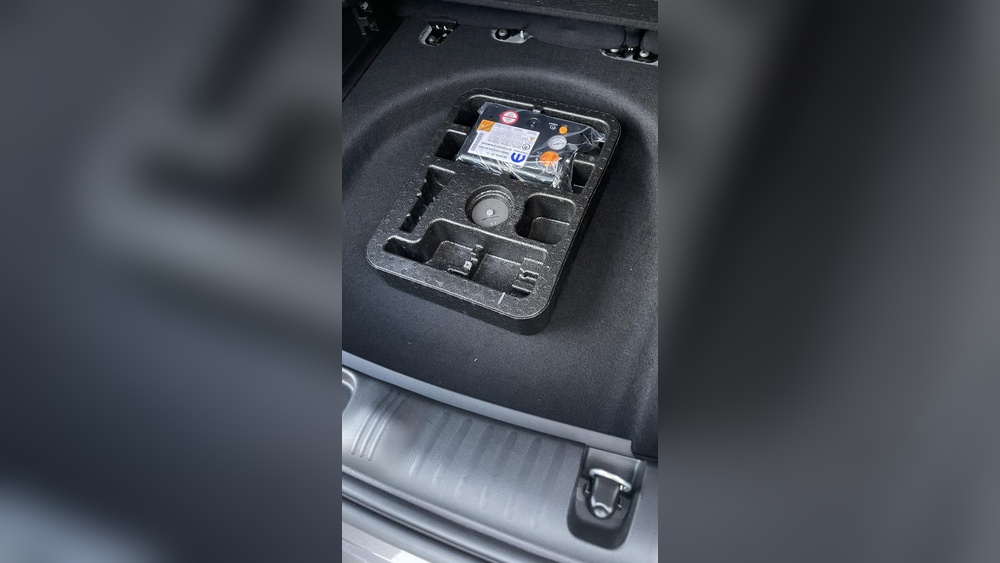
- Tire Repair Kit: A few Compass trims, especially in Europe, offer a tire repair kit instead of a spare. This is a sealant and inflator for minor punctures.
Here’s a quick comparison:
| Spare Type | Size | Usage Limit | Typical Location |
|---|---|---|---|
| Compact Temporary (Donut) | Smaller than regular tire | 50-70 miles at < 50 mph | Under trunk floor |
| Full-Size Spare | Same as regular tire | No strict limit | Under trunk floor |
| Tire Repair Kit | None | Temporary fix only | Trunk side compartment |
Where Is The Spare Tire Located?
Most Jeep Compass models have the spare tire stored in a compartment under the trunk floor. To access it:
- Open the trunk.
- Lift the floor panel.
- Find the tire and the jack/tools nearby.
Some models may have the tire mounted externally, but this is rare. Always check your manual for exact location details.
How To Use The Spare Tire
If you get a flat, knowing how to use your spare can save time and money. Here’s a practical step-by-step guide:
- Park safely, away from traffic.
- Turn on hazard lights.
- Retrieve the spare tire, jack, and tools.
- Loosen lug nuts before lifting the vehicle.
- Use the jack to raise the car.
- Remove the flat tire.
- Install the spare tire.
- Tighten the lug nuts by hand.
- Lower the vehicle and tighten nuts fully.
Tip: If you have a temporary spare, drive slowly and plan to replace it with a regular tire soon.
Choosing A Replacement Spare Tire
If your spare tire is missing, damaged, or too old, it’s time to find a replacement. Here’s what matters:
- Size Match: Check your owner’s manual for the correct size. Using the wrong size can damage your car.
- Type: Decide between a compact spare and full-size. Compact spares are cheaper and lighter; full-size offers better safety.
- Brand Quality: Choose reliable brands. Avoid low-quality tires that may fail in emergencies.
- Age: Tires degrade even if unused. If your spare is older than six years, replace it.
A quick comparison of popular spare tire brands:
| Brand | Durability | Price Range | Availability |
|---|---|---|---|
| Goodyear | High | $80-$140 | Wide |
| Michelin | Very High | $100-$150 | Wide |
| Firestone | Medium | $75-$120 | Moderate |
| Generic | Low | $50-$80 | Varies |

Common Mistakes And Non-obvious Insights
Many Jeep Compass owners make mistakes with their spare tires. Here’s what to avoid:
- Ignoring Tire Age: Even unused spares can become unsafe after six years.
- Assuming All Spares Are Full-Size: Most are temporary. Check before you rely on it for long trips.
- Overloading Temporary Spares: Don’t drive fast or far on a donut. It can overheat and fail.
- Forgetting Tools: Without the jack and lug wrench, the spare is useless.
Non-obvious insight: The spare tire’s air pressure is often neglected. It can slowly leak over time. Check it every few months, not just when you get a flat.
Another tip: If you upgrade your Compass wheels, remember the spare must still fit your new size. Many people overlook this after customizing their wheels.
Maintenance Tips For Your Spare Tire
Keeping your spare tire in good shape is simple but often forgotten. Here are quick tips:
- Check air pressure at least four times a year.
- Inspect for cracks or dry rot.
- Clean the compartment to prevent rust and debris.
- Replace after six years even if unused.
If you use your spare, buy a new one as soon as possible. Don’t drive long distances without a backup.

Jeep Compass: Spare Tire Trends And Statistics
According to industry data, about 60% of new SUVs now come with compact temporary spares, and 25% with only tire repair kits. The Jeep Compass fits this trend, especially in newer models.
A survey found that over 70% of drivers have never checked their spare tire’s pressure. This explains why many spares fail during emergencies.
Another interesting statistic: After using a spare, 30% of owners never replace it, leaving themselves at risk for future flats.
Frequently Asked Questions
Is The Jeep Compass Spare Tire Full-size Or Temporary?
Most recent Compass models have a temporary spare tire. Some older trims or special editions may include a full-size spare. Always check your specific vehicle.
How Long Can I Drive On The Jeep Compass Spare Tire?
Temporary spares are meant for 50-70 miles at speeds below 50 mph. Full-size spares can be used like normal tires, but check for wear and pressure.
Where Is The Spare Tire Located In The Jeep Compass?
The spare tire is usually under the trunk floor. Lift the panel to find it. The jack and tools are stored nearby.
What Should I Do If My Jeep Compass Only Has A Tire Repair Kit?
If your Compass has only a tire repair kit, use it for small punctures. For larger damages, call roadside assistance or get a proper spare tire.
Can I Upgrade To A Full-size Spare In My Jeep Compass?
Yes, but make sure the compartment fits the larger tire. Some models have limited space. Consult your dealer or manual before upgrading.
A well-maintained spare tire gives peace of mind on the road. Don’t wait for a flat to discover problems. Regular checks and smart choices keep your Jeep Compass ready for anything. For more details about tire safety, visit the National Highway Traffic Safety Administration. Remember, your spare is not just a backup—it’s your lifeline in emergencies. Stay prepared, and enjoy your Compass’s journey with confidence.