The Jeep Compass rear wheel hub bearing is a crucial component that keeps your wheels spinning smoothly. It’s a part many drivers don't think about until it starts making noise or causes problems.
When this bearing wears out, it can lead to significant issues, affecting your safety and the overall performance of your Jeep Compass. Understanding what this part does, how to tell if it's failing, and what to do about it is essential for any owner.
This article will guide you through everything you need to know about your Jeep Compass's rear wheel hub bearing. We'll cover its function, common signs of failure, the process of replacement, and important maintenance tips.
By the end, you'll have a clear picture of this vital automotive part and how to keep it in good working order.
Understanding The Rear Wheel Hub Bearing
The wheel hub bearing is a simple yet vital part of your vehicle’s suspension and drivetrain system. Its primary job is to allow the wheel to rotate freely with as little friction as possible. Think of it like the roller skates or bearings in a skateboard; they let the wheels spin effortlessly.
What Does It Do?
In your Jeep Compass, the rear wheel hub bearing is located between the wheel and the axle. It's a set of steel balls or rollers housed within a metal ring.
These balls or rollers are lubricated and sealed to protect them from dirt and water.
The bearing supports the weight of the vehicle and allows the wheel to turn when you steer, accelerate, or brake. It's designed to handle significant loads, both radial (downward force) and axial (sideways force).
A properly functioning hub bearing ensures that your wheels spin smoothly and quietly, contributing to a comfortable ride and accurate steering.
How It Works With Other Components
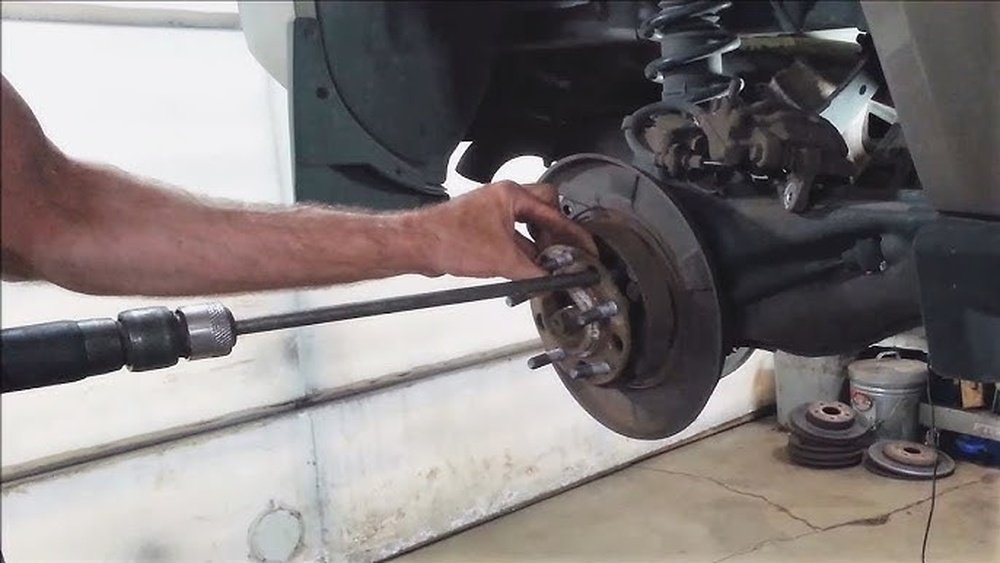
The rear wheel hub assembly is more than just the bearing. It typically includes:
- The Hub: This is the part the wheel bolts directly onto.
- The Bearing: The core component that allows rotation.
- The Seal: Keeps dirt and water out and grease in.
- The ABS Sensor (if equipped): Many modern vehicles, including the Jeep Compass, have an Anti-lock Braking System (ABS). The hub bearing often has a tone ring or integrated sensor that provides wheel speed data to the ABS module. A faulty bearing can disrupt this signal, leading to ABS or traction control warning lights.
When the bearing fails, it creates friction and resistance, impacting the wheel’s ability to spin freely. This can also affect the ABS sensor, causing system malfunctions.
Common Signs Of A Failing Rear Wheel Hub Bearing
Recognizing the symptoms of a bad rear wheel hub bearing is key to preventing further damage and ensuring your safety. These signs often start subtly and become more pronounced over time.
1. Humming Or Grinding Noise
This is the most common and often the first sign of a failing hub bearing. As the bearing wears down, the balls or rollers inside can become loose or damaged. This creates a humming, grinding, or roaring sound.
- How it changes: The noise usually gets louder as you increase speed. You might also notice it changes when you turn. For example, if the left rear wheel hub bearing is bad, the noise might get louder when you turn right, as more weight is shifted to that side. Conversely, it might quiet down when you turn left.
- What it sounds like: It often starts as a faint hum, similar to driving over rough pavement, but it becomes a distinct grinding or roaring as the bearing deteriorates further.
2. Looseness Or Wobble In The Wheel
A worn-out bearing can cause the wheel to become loose on the hub. This is a serious safety concern. You might feel a vibration in the steering wheel or the floor of the vehicle.
- How to check: With the vehicle safely supported on a jack, try to wiggle the wheel. If there’s noticeable play or movement that shouldn’t be there, the hub bearing is likely the culprit.
- Why it happens: The internal components of the bearing have worn away, creating excessive clearance between the hub and the wheel.
3. Abs, Traction Control, Or Service Light Illumination
As mentioned earlier, the rear wheel hub bearing often contains the ABS sensor ring. If this ring is damaged or the bearing is so loose that the sensor can’t read it properly, the ABS warning light on your dashboard will illuminate.
- Related systems: This can also trigger the traction control light or a general service vehicle soon light, as these systems rely on accurate wheel speed data.
- Troubleshooting: While a warning light can indicate many issues, a failing hub bearing is a common cause, especially when accompanied by other symptoms like noise or looseness.
4. Uneven Tire Wear
A compromised hub bearing can cause the wheel to not spin perfectly true. This can lead to uneven wear patterns on your tires, such as cupping or scalloping.
- Visual inspection: Regularly check your tires for unusual wear. If one tire is wearing out much faster than others, or shows an odd pattern, it could be a sign of a bearing problem.
- Consequences: This not only indicates a problem but also leads to premature tire replacement, costing you more money in the long run.
5. Steering Pulling To One Side
While less common, a severely damaged rear wheel bearing can sometimes cause a slight pulling sensation when driving straight. This happens because the drag from the bad bearing can affect the vehicle’s alignment.
- Distinguishing from alignment issues: This is usually felt more as a drag or resistance rather than a constant pull that requires steering correction.
Causes Of Jeep Compass Rear Wheel Hub Bearing Failure
Wheel hub bearings are designed to last for many miles, but several factors can accelerate their wear and lead to premature failure.
1. Wear And Tear Over Time
The most common cause of bearing failure is simply age and mileage. Bearings are mechanical parts with moving components. Over hundreds of thousands of miles, the lubricating grease can degrade, seals can fail, and the metal surfaces can wear down.
- Typical lifespan: While there’s no exact number, many hub bearings are designed to last between 70,000 and 100,000 miles, but this can vary greatly.
2. Road Hazards And Impact
Driving over potholes, curbs, or debris can subject the wheel hub assembly to sudden, severe impacts. These shocks can damage the bearing’s internal components or compromise the seals, allowing contaminants to enter.
- Off-roading: If you frequently take your Jeep Compass off-road, especially on rough terrain, this can put extra stress on the bearings.
3. Water And Dirt Contamination
The seals on a hub bearing are designed to keep out moisture and dirt. However, if these seals are damaged (from impact, age, or corrosion), water and grit can enter the bearing. This contaminates the lubricant and causes abrasive wear, rapidly destroying the bearing.
- Driving in wet conditions: Regularly driving through deep puddles or on unpaved, muddy roads can increase the risk.
4. Corrosion
Exposure to road salt (used in winter climates) or other corrosive elements can lead to rust and corrosion on the bearing components. This can cause the bearing to seize up or become noisy.
5. Improper Installation
If a previous hub bearing was replaced incorrectly, it can lead to premature failure. This could involve issues like:
- Over-tightening or under-tightening the axle nut: This puts incorrect stress on the bearing.
- Damaging the bearing during installation: Forcing it into place or not seating it properly.
Replacing A Jeep Compass Rear Wheel Hub Bearing
Replacing a rear wheel hub bearing on a Jeep Compass is a moderately difficult DIY job. It requires specific tools and a good understanding of automotive repair.
If you're not comfortable with these tasks, it's best to have a professional mechanic do it.
Tools You’ll Likely Need
- Jack and Jack Stands: For safely lifting and supporting the vehicle.
- Lug Wrench: To remove the wheel.
- Socket Set and Ratchet: Various sizes will be needed, especially for caliper bolts and the axle nut.
- Torque Wrench: Crucial for tightening the axle nut and caliper bolts to the correct specifications.
- Breaker Bar: For loosening stubborn bolts, especially the axle nut.
- Pry Bar: To help maneuver suspension components.
- Hammer: For tapping stubborn parts.
- Wire Brush: To clean rust and debris from mounting surfaces.
- Penetrating Oil (like WD-40): To help loosen rusted bolts.
- New Hub Bearing Assembly: Ensure it’s the correct part for your specific Jeep Compass model year.
- New Axle Nut: Often recommended to be replaced.
- Gloves and Safety Glasses: For protection.
Step-by-step Replacement Process (general Guide)
Note: This is a general guide. Always refer to a service manual specific to your Jeep Compass year and model for precise procedures and torque specifications.
- Prepare the Vehicle: Park on a level surface, engage the parking brake, and loosen the lug nuts on the rear wheel you’ll be working on.
- Lift and Support: Safely lift the rear of the Jeep using a jack and support it securely with jack stands.
- Remove the Wheel: Finish removing the lug nuts and take off the wheel.
- Remove the Brake Caliper and Rotor:
- Locate and remove the bolts holding the brake caliper to the bracket. You might need to gently pry the caliper off the rotor.
- Hang the caliper securely out of the way (e.g., with a bungee cord) so it doesn’t strain the brake hose.
- Remove the brake caliper bracket bolts (these are usually larger).
- Slide the brake rotor off the hub. If it’s stuck, you might need to tap it with a hammer or use a rotor puller.
- Remove the Axle Nut: This is typically a large, staked nut in the center of the hub. You’ll need a breaker bar and the correct size socket. You may need to remove a staked section of the nut first or use a punch to break the stake.
- Remove the Hub Bearing Assembly: The hub bearing is usually held in place by several bolts (often 3 or 4) on the back of the knuckle or trailing arm. Remove these bolts. The hub assembly should then be able to be pulled or pressed out. You might need to use a pry bar or hammer to gently persuade it.
- Clean the Mounting Surface: Thoroughly clean the area where the new hub bearing will mount using a wire brush. Ensure it’s free of rust and debris for proper seating.
- Install the New Hub Bearing:
- Position the new hub bearing assembly onto the knuckle.
- Reinstall and tighten the hub mounting bolts. Torque them to the manufacturer’s specifications.
- Install the New Axle Nut: Install the new axle nut. Crucially, tighten this nut to the specified torque using a torque wrench. Many Jeep Compass models require this nut to be staked or secured in a specific way after tightening to prevent it from backing off. Refer to your service manual for this critical step.
- Reinstall Brake Components:
- Slide the brake rotor back onto the hub.
- Reinstall the brake caliper bracket and torque the bolts.
- Reinstall the brake caliper and torque its bolts.
- Reinstall the Wheel: Put the wheel back on, hand-tighten the lug nuts.
- Lower the Vehicle: Remove the jack stands and lower the vehicle.
- Torque Lug Nuts: Tighten the lug nuts in a star pattern to the manufacturer’s specified torque.
- Test Drive: Take a slow, careful test drive. Listen for any unusual noises. Check if the ABS or other warning lights have turned off.
Pro Tip:
Always replace hub bearings in pairs. If one rear bearing is failing, the other is likely not far behind due to similar wear and tear.
Replacing them simultaneously saves you from doing the job again soon.
Maintenance And Prevention Tips
While hub bearings are wear items, you can take steps to prolong their life and prevent premature failure.
1. Avoid Potholes And Obstacles
The simplest way to protect your wheel bearings is to drive carefully. Be aware of your surroundings and try to avoid hitting potholes, curbs, speed bumps at high speeds, or other road debris.
2. Regular Inspections
During routine maintenance, such as tire rotations or oil changes, ask your mechanic to check the wheel bearings for play. This involves lifting the vehicle and checking for looseness in the wheel. Early detection can save you from more extensive damage.
3. Address Warning Lights Promptly
If your ABS, traction control, or service lights come on, don’t ignore them. While it could be an unrelated issue, it might also indicate a problem with a wheel speed sensor or a failing hub bearing. Get it diagnosed promptly.
4. Clean Underneath Your Vehicle
If you live in an area that uses road salt, or if you frequently drive through mud or sand, consider having the underside of your Jeep Compass washed periodically. This can help remove corrosive substances that can affect bearings and seals.
5. Proper Tire Inflation
Maintaining the correct tire pressure ensures even weight distribution across the wheels. Improper inflation can lead to uneven forces on the suspension components, including the wheel bearings.
When To Call A Professional
While some automotive repairs are suitable for DIY enthusiasts, replacing a wheel hub bearing can be challenging. Here’s when you should consider professional help:
- Lack of Tools: If you don’t have the necessary tools, especially a torque wrench and a breaker bar capable of handling the axle nut.
- Unfamiliarity with the Process: If you’re not comfortable with brake system work or suspension components.
- Stubborn Parts: If bolts are rusted solid or the hub assembly is seized and won’t come out easily.
- Lack of Time: The job can take several hours, especially if you encounter difficulties.
- Safety Concerns: If you’re unsure about safely lifting and supporting the vehicle.
A professional mechanic has the experience, specialized tools, and diagnostic equipment to replace the bearing correctly and efficiently. They can also identify any related issues, such as worn brake components or suspension damage.
Understanding Hub Bearing Costs
The cost of replacing a rear wheel hub bearing on a Jeep Compass can vary based on several factors:
- Part Cost: A quality aftermarket hub bearing assembly for a Jeep Compass typically ranges from $80 to $200 per side.