The Jeep Compass 2018 is a popular compact SUV in the US market, known for its rugged looks and reliable performance. While many drivers enjoy its comfort and features, one question often comes up: what about the spare tire? Understanding the spare tire setup is important for both safety and convenience, especially if you travel often or drive in areas with rough roads. This article gives you a clear overview of the spare tire for the Jeep Compass 2018, including where it’s located, its specifications, and how to use it properly.
Spare Tire Location And Access
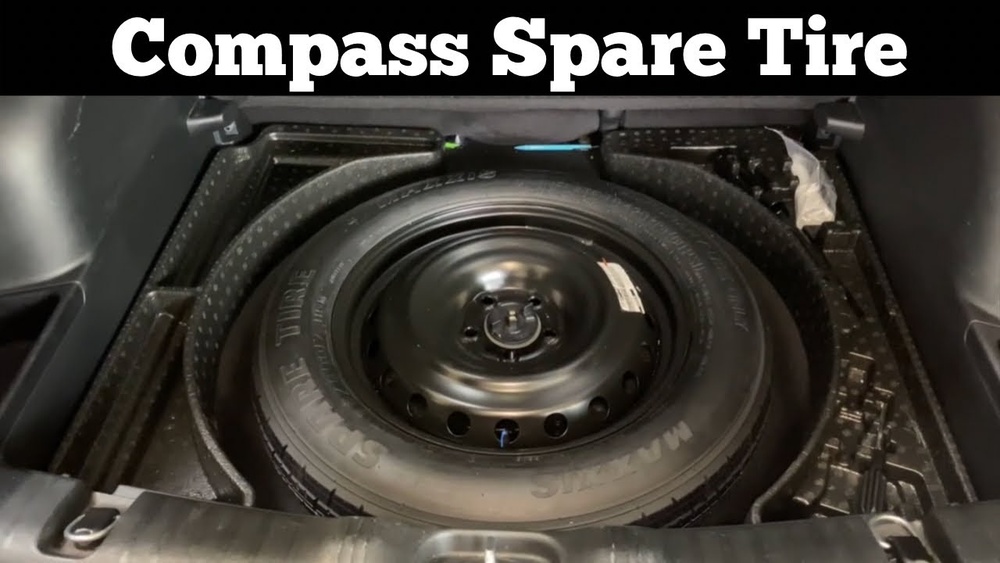
The spare tire in the Jeep Compass 2018 is found under the cargo floor in the rear of the vehicle. To access it:
- Open the rear hatch.
- Lift the cargo floor panel.
- You’ll find the spare tire, jack, and lug wrench stored in a molded compartment.
This design keeps the tools organized and out of the way but still easy to reach. It’s important to check this area before a long trip so you know the condition of your spare and tools.
Spare Tire Specifications
The 2018 Compass comes with a temporary spare tire (also called a “donut” or “space-saver”). The typical specification for this tire is:
- Size: T145/80D18
- Diameter: About 26.1 inches
- Maximum speed: 50 mph (80 km/h)
- Rim: Steel, 18-inch
This spare is smaller and lighter than the regular tires, making it easy to install in emergencies but not suitable for long-term use.
Spare Vs. Full-size Tire
Here’s a comparison showing the main differences:
| Feature | Temporary Spare | Full-Size Tire |
|---|---|---|
| Size | Smaller | Matches regular tires |
| Weight | Lighter | Heavier |
| Speed Limit | 50 mph | No special limit |
| Mileage Limit | ~50-70 miles | No special limit |
| Storage | Under cargo floor | Usually not stored |
Many Compass owners wish for a full-size spare, but the space-saving design is standard in most modern SUVs.

Using The Spare Tire Correctly
If you get a flat tire, follow these steps:
- Park the vehicle safely and turn on hazard lights.
- Open the cargo area and access the tools.
- Use the jack to lift the car and remove the flat tire.
- Install the spare tire and tighten the lug nuts.
- Lower the car and check the tire pressure.
Drive slowly and avoid highways if possible. Replace the spare with a regular tire as soon as you can.
Common Mistakes
- Ignoring the speed limit for the spare.
- Driving more than 70 miles on a temporary tire.
- Forgetting to check the spare tire pressure (should be 60 psi).
How Often Should You Check The Spare?
Experts recommend checking the spare tire every time you check your regular tires, usually once a month. Make sure:
- The pressure is correct (60 psi).
- The tread is not damaged.
- The tools are present and in good condition.
Many drivers overlook this, but a well-maintained spare can save you from trouble during emergencies.
Alternatives And Upgrades
Some owners choose to upgrade to a full-size spare if they travel off-road or drive long distances. However, this may require modifications to the cargo area. Others use tire repair kits, but these are not as reliable as a spare tire for large punctures or sidewall damage.
Here is a quick comparison of alternatives:
| Option | Pros | Cons |
|---|---|---|
| Temporary Spare | Lightweight, easy storage | Limited use, speed/mileage restrictions |
| Full-Size Spare | Same performance as regular tire | Heavy, takes more space |
| Tire Repair Kit | Quick fix, no tire change needed | Not for severe damage, limited effectiveness |
Real-world Example
In 2018, a survey by AAA showed that 28% of new cars came with a temporary spare, while only 16% had a full-size spare. For drivers in rural areas, a temporary spare is usually enough to reach a repair shop, but city drivers often rely on roadside assistance.
One Compass owner shared that after a flat tire on a highway, the temporary spare allowed him to drive 30 miles to the nearest dealer. He stressed the importance of checking the spare’s pressure beforehand—a tip many beginners ignore.

Maintenance Tips
Keeping your spare tire ready is easy if you follow these guidelines:
- Check pressure monthly.
- Rotate the spare if you use it.
- Store the jack and wrench properly.
- Clean the compartment to prevent rust.
A clean, inflated spare can make a big difference in emergencies.
Frequently Asked Questions
What Type Of Spare Tire Comes With The Jeep Compass 2018?
The Jeep Compass 2018 includes a temporary spare tire (T145/80D18), stored under the cargo floor. This tire is designed for short-term use and should not be used for long distances.
How Long Can I Drive On The Temporary Spare?
You should use the spare for no more than 70 miles and keep your speed below 50 mph. Replace it with a regular tire as soon as possible.
Can I Upgrade To A Full-size Spare?
Yes, you can upgrade, but you may need to modify the storage space. Full-size spares take up more room and are heavier, which may affect cargo capacity.
Where Can I Find The Spare Tire Tools?
The jack and lug wrench are stored in the same compartment as the spare tire, beneath the cargo floor in the rear hatch area.
What If My Spare Tire Is Flat?
If the spare is flat, you will need to use a tire repair kit or call for roadside assistance. Check your spare regularly to avoid this problem.
For more detailed information about tires and emergency kits, visit the Consumer Reports Spare Tire Guide.
The Jeep Compass 2018 spare tire is simple but essential. Knowing its location, specs, and proper use can keep you safe and confident on the road. Don’t forget to check your spare regularly and understand its limits. A little preparation can make your next journey much smoother.