The Jeep Cherokee upper radiator hose connector is a small but vital part in your vehicle’s cooling system. If you drive a Cherokee, you know how important it is to keep your engine cool, especially in hot climates or during long drives.
The upper radiator hose connector links the radiator and the hose, helping coolant flow smoothly. When it fails, overheating and leaks can quickly become serious problems.
Many Jeep owners overlook this connector, but learning about its purpose, signs of trouble, and replacement options can save you time and money.
What Is The Upper Radiator Hose Connector?
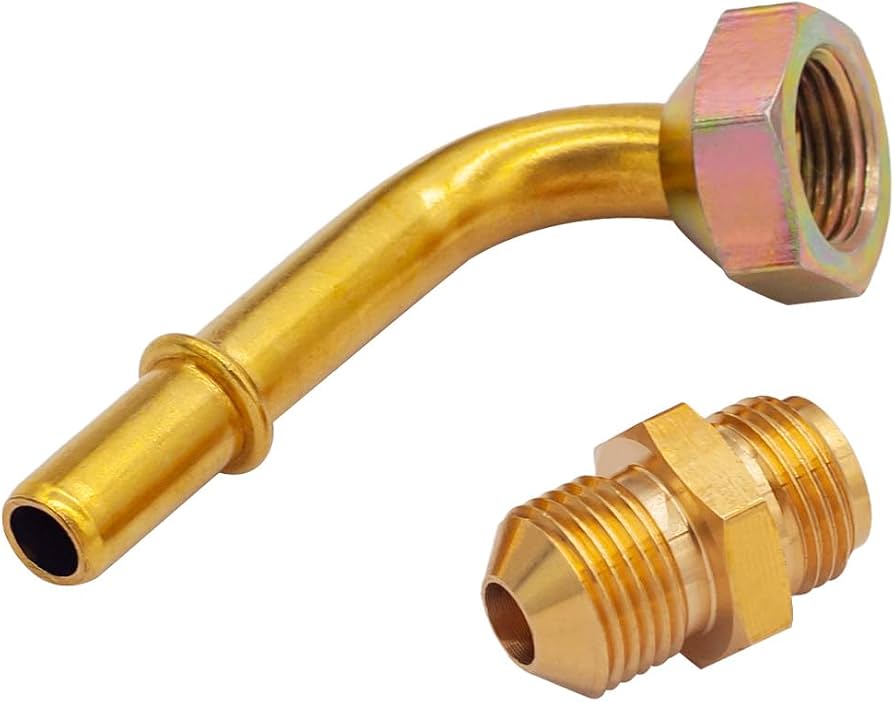
The upper radiator hose connector is a molded plastic or metal piece that attaches the upper radiator hose to the radiator inlet. It acts as a bridge, ensuring a tight seal and steady coolant movement. In most Jeep Cherokees, this connector is made of reinforced plastic, though some aftermarket versions use aluminum or brass for extra durability.
Without this connector, the hose might slip off, or coolant could leak out. The connector is designed to handle high temperatures and pressure, but it can crack or wear out over time.
Why Is It Important For Jeep Cherokee Owners?
A failing connector can cause coolant leaks, which may lead to engine overheating. Overheating is one of the most common reasons for engine damage in the Jeep Cherokee. The connector also affects the overall reliability of the cooling system. If it isn’t secure, your vehicle’s coolant won’t circulate properly.
Here are a few reasons why it matters:
- Prevents leaks: A solid connector keeps coolant inside the system.
- Maintains engine temperature: A tight seal ensures proper cooling.
- Avoids breakdowns: Prevents sudden engine shutdowns caused by overheating.
Many Cherokee models from 1997–2001 are known for connector failures, especially if original parts are used beyond their recommended lifespan.
Common Signs Of Connector Problems
Recognizing issues early can prevent costly repairs. Look for these symptoms:
- Coolant leaks: Puddles under your Jeep, especially near the radiator.
- Overheating: Dashboard temperature gauge rising above normal.
- Low coolant: Needing to refill coolant often.
- Hose detachment: Hose slipping off the radiator.
If you notice any of these, inspect the connector for cracks or corrosion.
Replacing The Upper Radiator Hose Connector
Changing the connector is a straightforward job if you have basic tools. Here’s a step-by-step guide:
- Let the engine cool: Never work on a hot engine.
- Drain coolant: Open the radiator drain valve and collect coolant.
- Remove hose clamp: Use pliers to loosen the upper hose clamp.
- Detach hose: Pull the hose off the connector.
- Remove connector: Unscrew or unclip the connector from the radiator.
- Install new connector: Place the new connector and secure it.
- Reattach hose: Slide the hose onto the connector and tighten the clamp.
- Refill coolant: Replace lost coolant and check for leaks.
Most Jeep Cherokees use connectors that cost $15–$35. Labor at a shop can add $80–$120.
Practical Tips
- Always use a new hose clamp for best results.
- Inspect the hose itself; if it’s brittle, replace it.
- Flush your cooling system if you see debris or old coolant.

Comparing Connector Materials
Different materials offer different benefits. Here’s a quick comparison:
| Material | Durability | Heat Resistance | Cost |
|---|---|---|---|
| Plastic | Moderate | Good | $15–$25 |
| Aluminum | High | Excellent | $25–$40 |
| Brass | Very High | Excellent | $35–$50 |
Plastic connectors are common in factory models, but aluminum and brass are popular upgrades for longevity.
Jeep Cherokee Models And Connector Compatibility
Not every connector fits every Cherokee. Here’s a summary:
| Model Year | Connector Type | Notes |
|---|---|---|
| 1997–2001 | Plastic | Most common failure |
| 2002–2007 | Plastic/Aluminum | Upgrade possible |
| 2008–2014 | Aluminum | Rare failure |
| 2015–present | Aluminum/Brass | Long-lasting |
Always check your vehicle’s manual or OEM part number before buying.
Mistakes To Avoid When Replacing The Connector
Many beginners make errors that cause leaks or overheating after replacement. Avoid these:
- Forgetting to let the engine cool down.
- Using old clamps or hoses.
- Not tightening the connector fully.
- Failing to refill coolant after installation.
Another overlooked tip: Inspect the radiator inlet for cracks. A damaged inlet can cause leaks even with a new connector.
Aftermarket Vs. Oem Parts
Choosing between OEM (original equipment manufacturer) and aftermarket connectors can be confusing. OEM parts are made by Jeep, guaranteeing fit and quality. Aftermarket connectors are often cheaper and offer more material choices.
| Type | Price | Warranty | Material Options |
|---|---|---|---|
| OEM | $20–$35 | 1 year | Plastic |
| Aftermarket | $15–$50 | Varies | Plastic, Aluminum, Brass |
For daily driving, OEM is reliable. For heavy use or off-roading, aftermarket metal connectors are recommended.
Non-obvious Insights
- Connector alignment matters: If the connector isn’t aligned properly, the hose may kink, blocking coolant flow.
- Pressure testing after replacement: Use a pressure tester to check for leaks. Most shops skip this, but it ensures the fix is solid.
For more detailed information on cooling system maintenance, visit Wikipedia.
Frequently Asked Questions
What Causes Upper Radiator Hose Connector Failure?
Most failures are due to heat cycling and age. Plastic connectors get brittle over time. Engine vibrations can also crack the connector.
How Often Should I Check The Connector?
Check the connector every 12 months or after 30,000 miles. It’s best to inspect during routine coolant changes.
Can I Drive With A Leaking Connector?
No. Driving with a leaking connector risks overheating and engine damage. Fix leaks before driving long distances.
Are Aftermarket Connectors Safe?
Yes, if you buy from a trusted brand. Aluminum and brass options are often stronger than original plastic parts.
Is It Easy To Replace The Connector Myself?
With basic tools and careful steps, most Jeep owners can do it. Watch video guides or follow your vehicle’s manual for best results.
Taking care of the Jeep Cherokee upper radiator hose connector keeps your SUV running cool and reliable. Regular inspection and timely replacement prevent breakdowns and costly repairs. Don’t wait until you see leaks—stay ahead with simple maintenance.