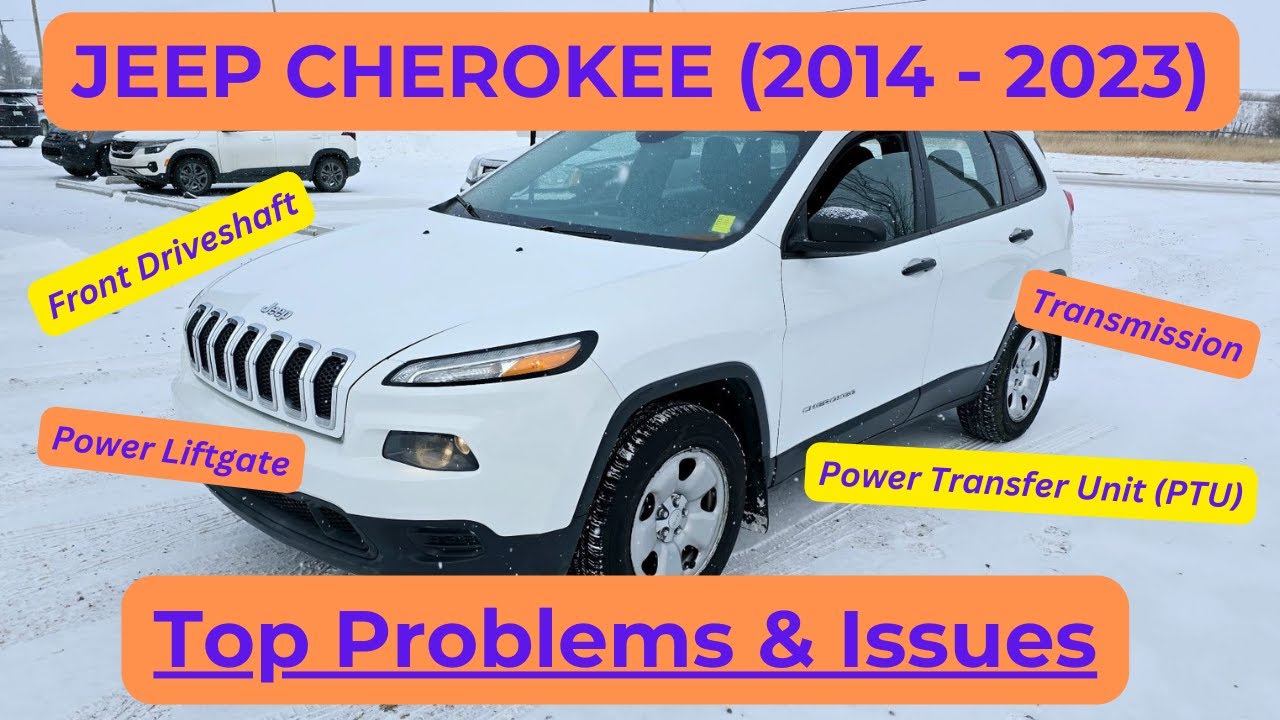
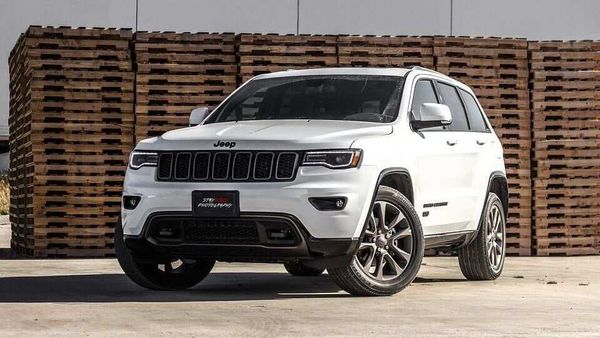
The Jeep Cherokee has been a popular SUV for decades, known for its off-road abilities and comfort. However, many owners have faced issues with its transmission system over the years. If you own a Cherokee or are thinking about buying one, it’s important to understand the common transmission problems, their causes, and what you can do about them. This article explains everything you need to know in clear, simple terms.
Common Jeep Cherokee Transmission Problems
Many drivers experience similar issues with the Jeep Cherokee transmission. Here are the most reported problems:
- Rough or delayed shifting: Drivers often notice their Cherokee shifts gears roughly or with a delay, especially when accelerating or decelerating.
- Transmission slipping: The vehicle may suddenly lose power or change gears without warning.
- Warning lights: The check engine or transmission warning light can appear on the dashboard.
- Grinding or clunking noises: Strange sounds during gear changes or while driving are a common complaint.
- Failure to engage gear: Sometimes, the Cherokee refuses to move into drive or reverse.
Model Years Most Affected
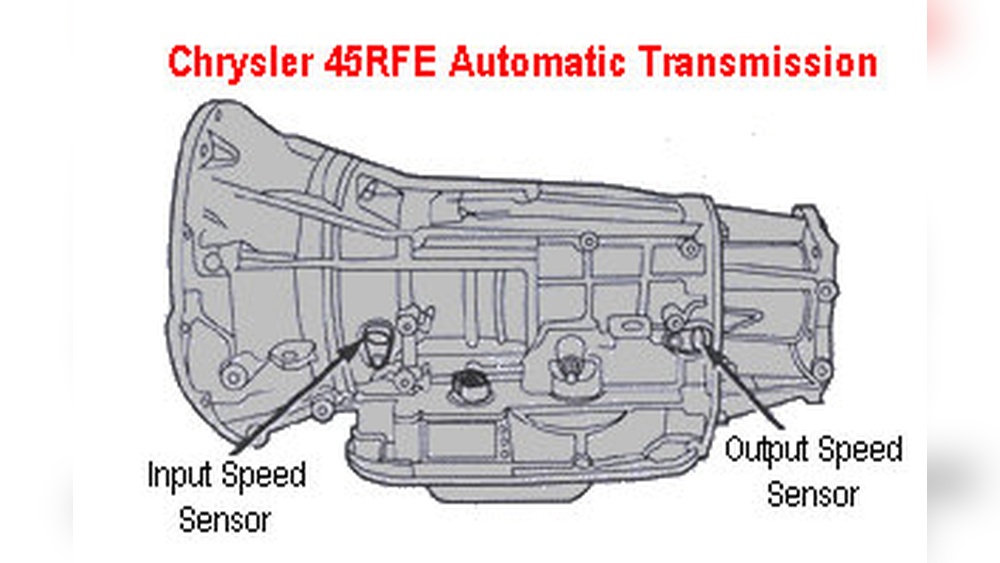
Not all Cherokees are the same. The 2014–2016 Jeep Cherokee models with the 9-speed automatic transmission (ZF 9HP) have the highest number of reported issues. Some problems exist in later years, but these early models stand out for transmission complaints.
| Model Year | Transmission Type | Reported Problems |
|---|---|---|
| 2014 | 9-speed automatic | High |
| 2015 | 9-speed automatic | Very High |
| 2016 | 9-speed automatic | High |
| 2017+ | 9-speed automatic | Moderate |
Causes Of Transmission Problems
Transmission problems in the Jeep Cherokee can result from different causes. Some are design-related, while others come from poor maintenance or software issues.
- Transmission software glitches: The Cherokee’s 9-speed automatic relies on complex software. Early versions had bugs causing rough shifting and delays.
- Low or dirty transmission fluid: Old or low fluid can cause slipping and overheating.
- Faulty transmission control module (TCM): When the TCM malfunctions, it sends wrong signals, leading to erratic shifting.
- Mechanical failures: Parts like solenoids, clutches, and gears can wear out or break.
- Improper maintenance: Skipping fluid changes or using the wrong fluid can shorten the transmission’s life.
One non-obvious insight: Many Cherokee transmission issues are not mechanical but software-related. Sometimes, a simple software update from the dealer can solve shifting problems.
Warning Signs To Watch For
Recognizing early warning signs can help prevent major breakdowns and expensive repairs. Here are symptoms you shouldn’t ignore:
- Jerking or hesitation during acceleration
- Transmission warning light on the dash
- Burning smell (often from overheating fluid)
- Fluid leaks under the vehicle
- Unusual noises when changing gears
If you notice these signs, have your Cherokee checked by a qualified mechanic as soon as possible.
How To Fix And Prevent Transmission Problems
There are steps you can take to fix and avoid transmission issues in your Jeep Cherokee.
Fixing Existing Problems
- Check for software updates: Dealers can update your Cherokee’s transmission software, which often improves performance.
- Replace transmission fluid: Fresh fluid can fix minor issues and prevent further damage.
- Repair or replace faulty parts: If the transmission control module, solenoids, or other parts are broken, they should be replaced.
- Transmission rebuild or replacement: For severe damage, a full rebuild or new transmission may be necessary.
Preventing Future Issues
- Regular maintenance: Change transmission fluid every 50,000–60,000 miles, or as recommended by Jeep.
- Use the right fluid: Always use the fluid type specified in your owner’s manual.
- Drive gently: Avoid aggressive acceleration and shifting from drive to reverse quickly.
- Get software updates: Ask your dealer about any recalls or software patches.
| Action | Impact |
|---|---|
| Regular fluid changes | Prevents overheating and slipping |
| Software updates | Fixes shifting problems |
| Prompt repairs | Reduces risk of total failure |
A second key insight: Some transmission problems may return even after repairs if the root cause—like a faulty control module—is not addressed.
Costs And Warranty Information
Transmission repairs can be expensive. On average, minor fixes (like fluid changes or software updates) may cost $150 $300.
Major repairs, such as a rebuild, can reach $2,000 $4,000. A full replacement may cost over $5,000.
Most Jeep Cherokees came with a 5-year/60,000-mile powertrain warranty. If your vehicle is under warranty, repairs may be covered. Always check with your dealer before paying for repairs.
| Repair Type | Estimated Cost (USD) | Warranty Coverage |
|---|---|---|
| Fluid change | $150–$300 | Not usually covered |
| Software update | $0–$150 | Often covered |
| Full rebuild | $2,000–$4,000 | Covered if under warranty |
| Replacement | $5,000+ | Covered if under warranty |
When To Seek Professional Help
Some minor issues, like low fluid, can be fixed at home. But if you experience repeated shifting problems, warning lights, or loss of power, it’s best to see a certified Jeep mechanic.
Modern transmissions are complex, and DIY repairs can make things worse.
One mistake many owners make is ignoring small symptoms until the transmission fails completely. Early diagnosis can save you thousands of dollars.
Is The Jeep Cherokee Still Worth Buying?
Despite its transmission problems, the Jeep Cherokee offers a unique mix of off-road ability and comfort. Later models (2017 and newer) have fewer complaints, and many issues have been resolved. If you’re considering a used Cherokee, check the service history and have a mechanic inspect the transmission before buying.
For more detailed information on specific recalls and technical updates, visit the official NHTSA website.
Frequently Asked Questions
What Year Jeep Cherokee Has The Most Transmission Problems?
The 2014–2015 model years have the highest number of reported transmission issues, especially those with the 9-speed automatic gearbox.
Can A Software Update Fix My Cherokee’s Transmission Problems?
Yes, in many cases, a software update can solve rough shifting or hesitation. Always check with your dealer for the latest updates.
How Often Should I Change The Transmission Fluid In A Jeep Cherokee?
Jeep recommends changing the transmission fluid every 50,000–60,000 miles. More frequent changes may help if you drive in tough conditions.
Is It Safe To Drive With A Slipping Transmission?
No, driving with a slipping transmission can cause further damage and leave you stranded. Have it inspected as soon as possible.
Does The Jeep Cherokee Transmission Problem Affect The Resale Value?
Yes, known transmission issues can lower the resale value. A full service history and recent repairs can help maintain value.
Transmission problems can be stressful, but knowing the signs and understanding your options makes it easier to keep your Jeep Cherokee running smoothly. Regular maintenance, early action, and staying informed are your best defense against costly repairs.