Keeping your Jeep Cherokee running smoothly depends on many things, but one detail often gets ignored: the transmission fluid level. Transmission fluid is critical.
It cools, lubricates, and powers your transmission. If the fluid level is wrong, you may face poor shifting, overheating, or even transmission failure.
The good news? Checking and maintaining the right level is not complicated once you know what to look for.
This guide explains how to check, top up, and maintain your Jeep Cherokee’s transmission fluid—plus what happens if you get it wrong.
Why Transmission Fluid Level Matters
Every Jeep Cherokee, whether it’s a classic XJ or a newer model, depends on proper fluid levels for smooth shifting and long transmission life. Low fluid causes increased friction, heat, and wear. Too much fluid can lead to foaming, shifting problems, or leaks. For most drivers, transmission problems are expensive and stressful. Taking a few minutes to check your fluid can prevent thousands of dollars in repairs.
A 2026 survey by AAA found that one-third of all car breakdowns are related to poor fluid maintenance. Most of these could be prevented by regular checks.
How To Check Transmission Fluid Level
Not all Jeep Cherokees are the same. Some have a dipstick for easy checks, while others are “sealed” and need special tools. Here’s a basic overview:
Models With A Dipstick
- Park on level ground and set the parking brake.
- Start the engine and let it reach normal temperature.
- Move the gear selector through each gear, pausing in each for a few seconds.
- With the engine running and in Park, open the hood and locate the transmission dipstick (usually marked in red or yellow).
- Pull out the dipstick, wipe it clean, reinsert it fully, and pull it out again to check the level.
Sealed Transmission (no Dipstick)
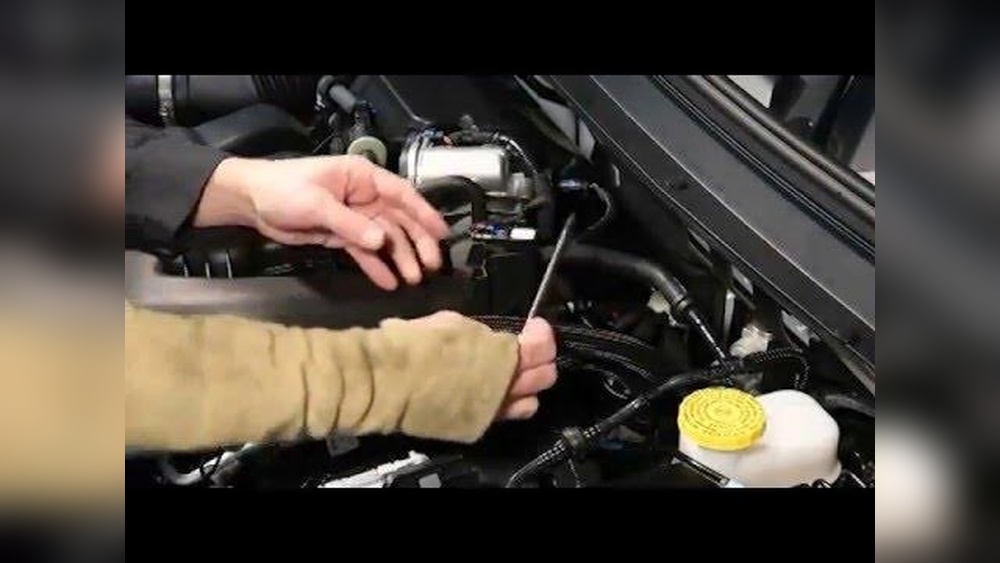
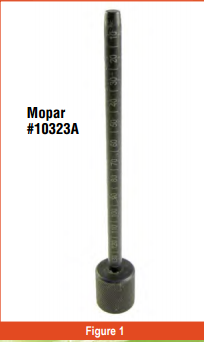
Many modern Cherokees (2014 and newer, especially the 9-speed automatic) do not have a dipstick. Checking the fluid requires lifting the vehicle and removing a check/fill plug on the transmission pan—this is best done at a professional shop.
Reading The Dipstick
- The fluid should be between the “Add” and “Full” marks.
- Check color: Healthy fluid is bright red and clear.
- If it smells burnt or looks dark, a change may be needed.

Transmission Fluid Types And Quantities
Jeep Cherokees use different fluid types depending on model year and transmission. Using the wrong fluid can cause major damage.
| Model Year | Transmission | Fluid Type | Capacity (approx.) |
|---|---|---|---|
| 1997–2001 | AW4 (4-speed auto) | Dexron III/Mercon | 3.5–4 quarts |
| 2014–2026 | 9-speed auto | Mopar ZF 8&9 Speed ATF | 6–8 quarts |
| 2010–2013 | 6-speed auto | ATF+4 | 5.5–6 quarts |
Always double-check your owner’s manual or consult a trusted service source.
Symptoms Of Incorrect Transmission Fluid Level
Your Jeep will often warn you if there’s a problem with the transmission fluid level. Look for these signs:
- Hard or rough shifting
- Delayed gear engagement
- Transmission slipping
- Overheating warning lights
- Fluid spots under the vehicle
If you notice any of these, check your fluid level right away.
How To Add Or Change Transmission Fluid
For Dipstick Models
- Use a funnel to add fluid through the dipstick tube.
- Add small amounts, checking the level each time.
- Never overfill. If you do, remove excess fluid with a suction pump.
For Sealed Units
Special tools and procedures are required. Many owners choose to have a certified mechanic handle this job. Using the wrong procedure can damage the transmission.
Fluid Change Intervals
Most experts recommend changing transmission fluid every 50,000–60,000 miles. However, if you tow, drive in mountains, or face heavy traffic often, do it sooner.
Comparison: Low Vs. Overfilled Fluid
It’s important to know both low and high fluid levels cause problems, but in different ways.
| Condition | What Happens | Common Symptoms |
|---|---|---|
| Low Fluid | Poor lubrication, overheating, possible transmission damage | Slipping, harsh shifts, warning lights |
| Overfilled | Foaming, leaks, loss of hydraulic pressure | Erratic shifting, fluid leaks, overheating |
Practical Tips And Common Mistakes
Many owners forget these points:
- Always use the right fluid. Even fluids that look similar can have different additives.
- Check fluid when hot, unless your manual says otherwise.
- Don’t rely on “lifetime fill” claims. Harsh conditions shorten fluid life.
- Don’t skip the pan gasket or filter when changing fluid (for models with a serviceable filter).
- If you add fluid and symptoms continue, get a diagnostic scan. Sometimes electrical or mechanical problems mimic low fluid symptoms.
A non-obvious insight: Mixing old and new fluid does not restore all properties. For best results, a full fluid exchange is better than just a “drain and fill,” especially for high-mileage vehicles.
When To See A Professional
If your Jeep Cherokee has no dipstick, don’t risk guessing. Modern transmissions are precise machines. The wrong fluid level can harm sensors and clutches quickly. Also, if you notice metal shavings or a burnt smell, get a professional inspection. Early help saves money and hassle.
For further details, Jeep’s official maintenance guide is a trusted source.
Frequently Asked Questions
How Often Should I Check My Jeep Cherokee’s Transmission Fluid?
Check every 6 months or 5,000 miles, whichever comes first. If you drive in tough conditions or notice shifting problems, check more often.
Can I Use Any Automatic Transmission Fluid In My Jeep Cherokee?
No. Always use the specific fluid type listed in your owner’s manual. Using the wrong fluid can damage your transmission or void your warranty.
What Should Transmission Fluid Look And Smell Like?
Healthy fluid is clear and red with a mild, sweet smell. If it’s dark, gritty, or smells burnt, it’s time for a change.
What Happens If I Overfill The Transmission Fluid?
Too much fluid causes foaming and can lead to leaks or shifting problems. If you overfill, remove the excess fluid as soon as possible.
Is It Safe To Drive With Low Transmission Fluid?
No. Driving with low fluid can cause serious transmission damage and expensive repairs. Top up the fluid right away or have your vehicle towed to a mechanic.
Keeping your Jeep Cherokee transmission fluid at the right level is one of the smartest ways to protect your car and avoid costly repairs. A few minutes of attention now can add years of reliable service. If you’re ever unsure, don’t guess—ask a pro and keep your Jeep running strong.