Keep your Jeep Cherokee running smoothly by knowing the right transmission fluid capacity. This guide covers what owners need for different Cherokee models, including fluid specs, change intervals, and common problems.
Whether you own a classic XJ, a modern KL, or another Cherokee, using the correct amount and type of fluid helps protect your transmission and avoid costly repairs.
Meta description:
Find the correct Jeep Cherokee transmission fluid capacity by model, year, and engine. Get specs, tips, and maintenance advice for a reliable transmission.
Why Transmission Fluid Capacity Matters
The transmission fluid in your Jeep Cherokee is vital for cooling, lubrication, and smooth shifting. Too little fluid can cause overheating and wear, while too much may lead to leaks or foaming. Each Cherokee platform—like XJ, WK, or KL—has a different fluid capacity and specification. Using the right amount means better performance and longer transmission life.
Fluid Capacity By Model And Year
Cherokee transmissions have changed a lot over time. Here’s a look at the most common models and their typical fluid capacities:
| Model (Years) | Transmission Type | Fluid Capacity (Quarts) | Notes |
|---|---|---|---|
| XJ (1984–2001) | Aisin AW4 4-speed auto | 4.0 (pan drop), 8.5 (dry fill) | Check for 4.0L I6 engine |
| KJ (2002–2007) | 42RLE 4-speed auto | 4.0–5.0 (pan drop), 10.0 (dry fill) | Liberty in US; similar specs |
| KL (2014–2023) | 948TE 9-speed auto | 5.5 (pan drop), 8.7 (dry fill) | Use ATF+4 or Mopar ZF9 |
| WK2 (2011–2021) | ZF 8HP 8-speed auto | 5.5 (pan drop), 8.7 (dry fill) | Grand Cherokee; check engine |
Important: Always confirm your Cherokee’s engine and transmission code before buying fluid. Some trims, like Trailhawk or Limited, may use a different transmission.

How To Check And Change Transmission Fluid
Proper maintenance starts with regular checks and timely changes. Here’s a step-by-step for most Cherokees:
- Warm up the engine by driving 10–15 minutes.
- Park on a level surface and set the parking brake.
- With the engine running, shift through all gears. Leave in Park or Neutral.
- Locate the transmission dipstick (if equipped).
- Wipe it, reinsert, then check the level. Fluid should be between “ADD” and “FULL” marks.
Changing Fluid And Filter
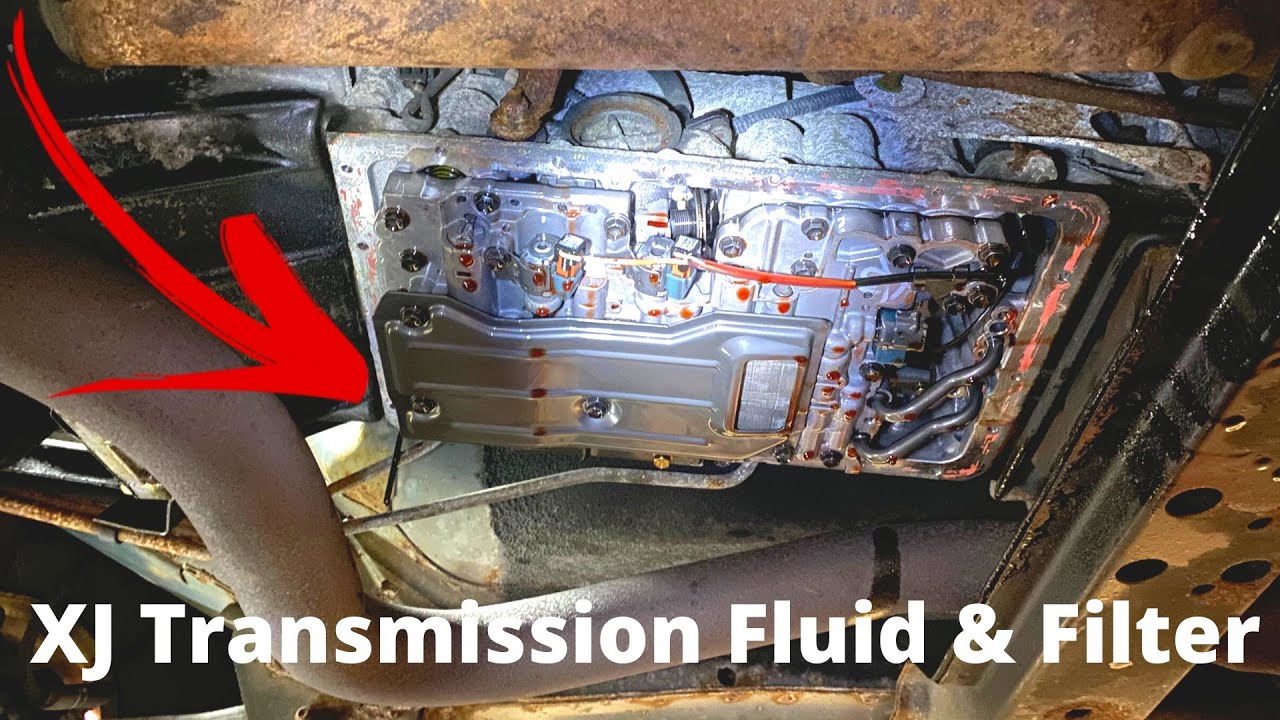
- Drain the fluid by removing the pan bolts.
- Replace the transmission filter and pan gasket.
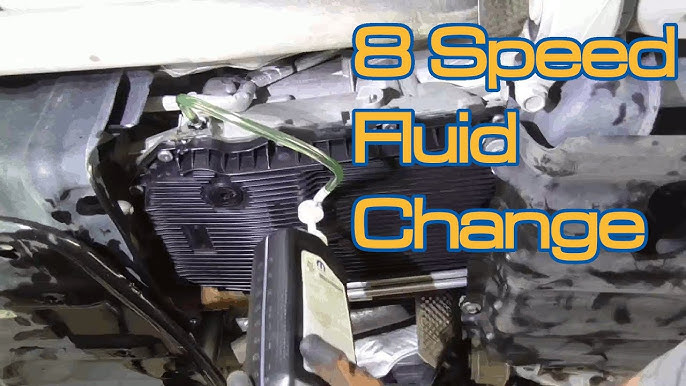
- Reinstall pan and add new fluid (start with pan drop amount).
- Start engine, shift through gears, and recheck fluid level. Add as needed.
Most owners change fluid every 30,000–60,000 miles. Severe driving (towing, off-roading) may need shorter intervals.
Fluid Types And Compatibility
Jeep Cherokees need different fluids depending on the transmission:
- AW4, 42RLE: Use ATF+4 or Dexron III (check owner’s manual).
- 948TE, ZF 8HP: Require Mopar ZF8/ZF9 or equivalent.
- Manual transmissions: Use gear oil, not ATF.
Using the wrong fluid can cause hard shifting, slipping, or damage. Always check your manual or the fluid cap. If unsure, consult a Jeep dealer or trusted mechanic.
Transmission Fluid Capacity: Model Comparison
For a quick reference, here’s how Cherokee transmission fluid capacity compares with other Jeep platforms:
| Model | Years | Transmission | Pan Drop (Quarts) | Dry Fill (Quarts) |
|---|---|---|---|---|
| Cherokee XJ | 1984–2001 | AW4 | 4.0 | 8.5 |
| Cherokee KL | 2014–2023 | 948TE | 5.5 | 8.7 |
| Grand Cherokee WK2 | 2011–2021 | ZF 8HP | 5.5 | 8.7 |
| Wrangler JK | 2007–2018 | 42RLE | 4.0 | 10.0 |
These values are averages. Always verify for your exact year, engine, and trim.
Common Symptoms Of Low Or Wrong Fluid
Transmission trouble often starts with fluid issues. Watch for these signs:
- Delayed or hard shifting
- Transmission slipping or surging
- Burning smell from under the hood
- Leaks under the vehicle
- Warning lights or error codes
Ignoring these can lead to expensive repairs. If symptoms appear, check the fluid right away.
Diagnosis And When To See A Mechanic
If you suspect a problem:
- Check fluid level and condition (color should be red, not brown or burnt).
- Scan for diagnostic codes if you have a code reader.
- Listen for clunks, slips, or grinding.
If the fluid is low but there’s no leak, refill and monitor. If you see metal flakes, or the fluid smells burnt, visit a mechanic.
Modern Cherokees (like KL or WL) often require special tools or procedures for transmission service.
Typical shop costs for a fluid change range from $180–$400, depending on model and region. Full transmission repair can cost over $2,000, so preventive maintenance pays off.
Tips For Buying And Using Transmission Fluid
- Always match the exact fluid type to your transmission (AW4, 948TE, ZF 8HP, etc. ).
- Buy more than the “pan drop” amount if you’re flushing or servicing at home.
- Use only new, unopened fluid containers.
- Avoid universal fluids unless labeled as compatible with your Jeep.
- Dispose of old fluid at a recycling center.
Not all auto parts stores carry Mopar-branded fluids. Order online or visit a Jeep dealer if needed.
How Towing And Driving Style Affect Fluid Needs
Heavy towing, off-roading, or driving in hot climates stresses your transmission. Cherokee models with towing packages or 4×4 systems may need more frequent fluid changes or even a larger pan. Read your manual for severe service intervals.
Never exceed your Cherokee’s towing capacity. Overloading increases transmission heat, which can break down fluid faster.
For more details, see this Jeep Cherokee overview.
Frequently Asked Questions
What Is The Correct Transmission Fluid Capacity For A 2015 Jeep Cherokee?
A 2015 Jeep Cherokee with the 948TE 9-speed automatic usually takes 5.5 quarts for a pan drop, and up to 8.7 quarts for a full dry fill. Always confirm with your owner’s manual.
Can I Use Regular Atf In My Jeep Cherokee?
No. Most modern Cherokees require ATF+4 or a Mopar-specified fluid. Using generic ATF can cause shifting problems or damage.
How Often Should I Change My Cherokee’s Transmission Fluid?
Change every 30,000 to 60,000 miles under normal driving. If you tow, off-road, or drive in extreme heat, change sooner.
What Happens If I Overfill My Transmission?
Overfilling can cause foaming, leaks, or shifting problems. Always fill to the recommended level and check with the dipstick when the transmission is at operating temperature.
Can I Check The Transmission Fluid Myself?
Yes, if your Cherokee has a dipstick. Some newer models have sealed transmissions that need special tools.
In that case, it’s best to visit a mechanic.
Suggested internal-link anchor texts:
- How to change transmission fluid
- Jeep maintenance tips
- Jeep Cherokee towing capacity