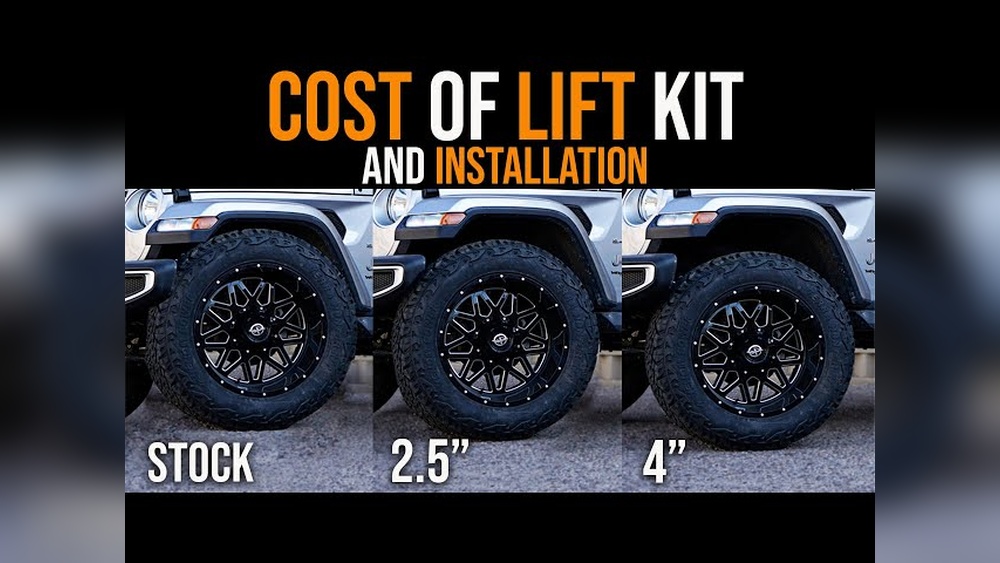
Finding The Perfect Jeep Cherokee Trailhawk Wheels For Sale
Your Jeep Cherokee Trailhawk is more than just a vehicle; it's an off-road capable machine built for adventure. One of the most impactful ways to enhance its look and performance is by upgrading the wheels.
Whether you're looking for a rugged, aggressive stance for tackling tough trails or a stylish new look for city cruising, the right set of wheels can make all the difference.
This guide will walk you through everything you need to consider when searching for Jeep Cherokee Trailhawk wheels for sale, helping you make an informed decision that fits your needs and budget.
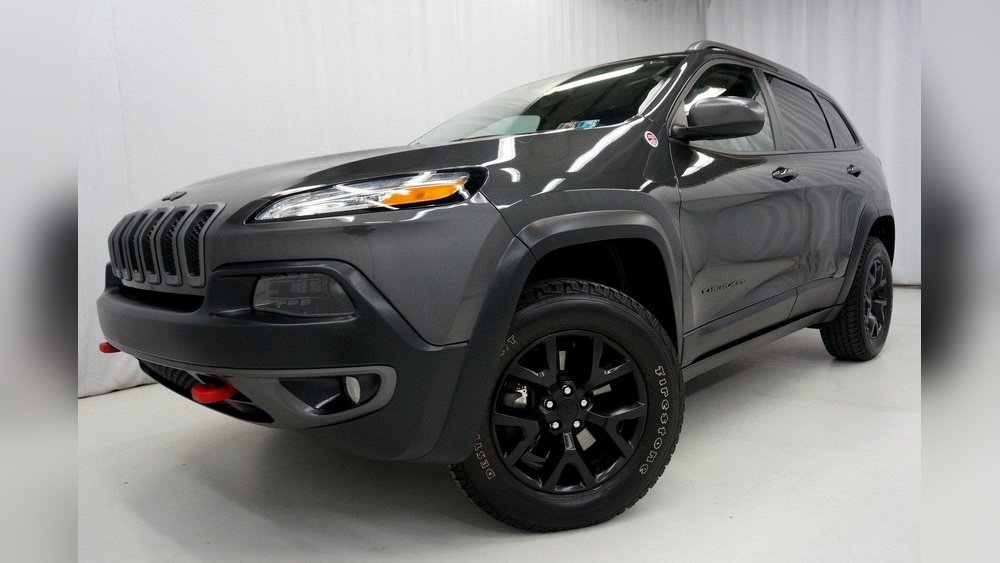
Choosing new wheels might seem straightforward, pick a set you like and bolt them on. However, there are crucial factors beyond aesthetics. The size, offset, bolt pattern, and material of the wheels all play a significant role in how your Trailhawk performs, handles, and even how its suspension wears over time. Getting these details wrong can lead to clearance issues, poor handling, or even damage to your vehicle. We’ll explore the specifications that matter most for your Cherokee Trailhawk and highlight popular options available on the market.
Understanding Trailhawk Wheel Specifications
Before you start browsing, it’s essential to understand the key specifications that define Jeep Cherokee Trailhawk wheels. These numbers dictate compatibility and performance.
Bolt Pattern
The bolt pattern, also known as the lug pattern, refers to the number of lug holes and the diameter of the circle they form. For most Jeep Cherokee models, including the Trailhawk, the common bolt pattern is 5×114.3mm (or 5×4.5 inches). This means there are five lug nuts arranged in a circle with a diameter of 114.3 millimeters. Always double-check your specific model year, as variations can occur. Using a wheel with the incorrect bolt pattern will prevent it from mounting onto your vehicle safely.
Offset
Wheel offset is the distance from the mounting surface of the wheel (where it bolts to the hub) to the centerline of the wheel. It can be positive (+), negative (-), or zero (0).
- Positive Offset: The mounting surface is closer to the wheel’s outer face. This pushes the wheel inward towards the vehicle’s suspension.
- Negative Offset: The mounting surface is further from the wheel’s outer face. This pushes the wheel outward, away from the vehicle.
- Zero Offset: The mounting surface is exactly in the middle of the wheel’s width.
For the Jeep Cherokee Trailhawk, a stock offset typically ranges from +30mm to +40mm. Choosing an offset significantly different from stock can affect steering, suspension geometry, and tire clearance. A lower offset (more negative) will push the wheels out, giving a more aggressive stance but potentially causing rubbing on the fenders or suspension components, especially with larger tires. A higher offset (more positive) pushes the wheels in, which can improve fuel economy slightly but might reduce steering radius or cause inner fender well rubbing.
Center Bore
The center bore is the hole in the middle of the wheel that fits over the vehicle’s hub. If the center bore of the wheel is too small, it won’t fit. If it’s too large, you’ll need hub-centric rings to ensure the wheel is centered properly on the hub, preventing vibrations and stress on the lug nuts. Most aftermarket wheels designed for the Cherokee will have a larger universal bore and come with appropriate rings.
Wheel Diameter And Width
The stock Trailhawk wheels are typically 17 inches in diameter. However, you can opt for larger or smaller diameters.
- Larger Diameter: Can accommodate bigger brake upgrades and potentially offer a wider range of tire choices, but might compromise ride comfort and off-road capability if not paired with appropriate tires.
- Smaller Diameter: Generally preferred for off-roading as they allow for taller sidewalls on tires, which provide better shock absorption and protect the wheel from impacts.
Wheel width is also crucial. A wider wheel can accommodate a wider tire, which can improve traction and stability. However, too wide a wheel can lead to rubbing issues with the fenders or suspension, especially when turning or flexing the suspension off-road. Stock Trailhawk wheels are usually around 7.5 inches wide.
Popular Wheel Types And Materials For Trailhawks
The material and design of your wheels impact not only their appearance but also their durability and weight.
Alloy Wheels
Alloy wheels are the most common choice for modern vehicles, including the Trailhawk. They are made from a mix of metals, primarily aluminum and nickel.
- Pros: Lightweight, offer excellent heat dissipation (good for braking), come in a vast array of designs and finishes, and are generally more resistant to corrosion than steel wheels.
- Cons: Can be more expensive than steel wheels, and while strong, they can crack or bend under severe impact rather than denting like steel.
Many aftermarket manufacturers offer stylish alloy wheels that enhance the rugged look of the Trailhawk. Common finishes include matte black, anthracite, polished aluminum, and machined faces.
Steel Wheels
Steel wheels are the traditional choice, known for their robustness and affordability.
- Pros: Extremely durable, can withstand significant impacts by denting rather than cracking, and are typically the most budget-friendly option.
- Cons: Significantly heavier than alloy wheels, which can negatively impact fuel economy, acceleration, and handling. They are also more prone to rust and offer fewer aesthetic choices.
While less common for aesthetic upgrades on a Trailhawk, some off-road enthusiasts prefer steel wheels for extreme durability on challenging terrain where damage is a high risk.
Forged Wheels
Forged wheels are a premium option, manufactured using a high-pressure forging process.
- Pros: Exceptionally strong and lightweight, offering superior performance and durability. They are highly resistant to bending and cracking.
- Cons: Significantly more expensive than cast alloy or steel wheels.
For most Trailhawk owners, high-quality cast alloy wheels offer the best balance of performance, aesthetics, and cost.
Factors To Consider When Buying Trailhawk Wheels
Beyond the technical specifications, several practical factors should guide your purchase.
Tire Size Compatibility
When you change wheel size, you often need to change tire size as well. The overall diameter of the wheel and tire combination should remain close to the stock size to avoid issues with speedometer accuracy, ABS sensors, and traction control systems. A common upgrade is to move to 265/65R17 tires on 17-inch wheels, which offer a slightly larger diameter and wider contact patch for improved off-road grip. Always ensure the tire fits the wheel width. A 7.5-inch wide wheel typically fits tires ranging from 245mm to 265mm in section width.
Load Rating
Ensure the wheels you choose have a load rating that meets or exceeds your Jeep Cherokee Trailhawk’s Gross Vehicle Weight Rating (GVWR). This rating indicates the maximum weight each wheel can safely support. Off-road driving can put significant stress on wheels, so choosing wheels with a robust load rating is crucial for safety. Most aftermarket wheels designed for SUVs and trucks will have adequate load ratings.
Aesthetics And Style
This is where personal preference comes into play. Do you want your Trailhawk to look more aggressive, more refined, or simply different?
- Black Wheels: A very popular choice, offering a rugged and stealthy look that complements the Trailhawk’s design. Matte black, gloss black, or satin black finishes are common.
- Machined or Polished Wheels: Provide a touch of shine and can make the vehicle look more premium.
- Two-Tone Wheels: Combine different finishes, like black with machined accents, for a unique look.
Consider how the wheel design complements the vehicle’s color and your intended use. For example, intricate designs might be harder to clean after off-roading.
Budget
Wheels can range from a few hundred dollars to several thousand dollars per set. Determine your budget beforehand.
- Budget-friendly: Steel wheels or entry-level alloy wheels from reputable brands.
- Mid-range: Quality cast alloy wheels from well-known aftermarket manufacturers.
- Premium: Forged alloy wheels or high-end, designer wheels.
Remember to factor in the cost of new tires, lug nuts, and potential installation fees.
Popular Trailhawk Wheel Brands And Models
Several reputable brands offer wheels specifically designed or compatible with the Jeep Cherokee Trailhawk.
Method Race Wheels
Method Race Wheels are a favorite among off-road enthusiasts. They are known for their rugged designs and durability. Models like the MR305 NV or MR701 offer a strong, aggressive look that suits the Trailhawk well. These wheels are built to withstand harsh conditions.
Fuel Off-road Wheels
Fuel Off-Road Wheels provide a wide variety of styles, from classic multi-spoke designs to bold, futuristic looks. Their Trophy or Rebel series wheels are popular choices for Jeeps, offering both style and strength.
Kmc Wheels
KMC Wheels offers a diverse range of designs, from performance-oriented to stylish street wheels. The XD Series by KMC is particularly popular for trucks and SUVs, with models like the XD Machete or XD Rock Star providing a distinctive appearance.
Black Rhino Wheels
Black Rhino Wheels specialize in rugged, tough-looking wheels designed for trucks and SUVs. Their designs often feature deep lips and aggressive styling, perfect for giving a Trailhawk an imposing presence. Models such as the Warlord or Arsenal are great options.
Vision Wheel
Vision Wheel offers a broad selection of wheels at various price points. They have many styles that can fit the Trailhawk, from more subtle designs to aggressive off-road looks, making them a versatile choice for different budgets.
Sizing Up Your Options: A Comparison Example
Let’s consider how different wheel and tire combinations might affect your Trailhawk.
| Wheel Diameter | Wheel Width | Offset | Tire Size (Example) | Overall Diameter (Approx.) | Pros | Cons |
|---|---|---|---|---|---|---|
| 17 inches | 7.5 inches | +30mm (Stock) | 245/65R17 | 29.5 inches | Good balance, reliable | Standard look, limited tire choice |
| 17 inches | 8.5 inches | +0mm | 265/65R17 | 30.6 inches | Wider stance, better grip, aggressive look | Potential rubbing, slightly reduced MPG |
| 18 inches | 8.0 inches | +35mm | 265/60R18 | 30.5 inches | More tire options, modern look | Less sidewall protection, firmer ride |
| 17 inches | 9.0 inches | -12mm | 285/70R17 | 32.7 inches | Maximum off-road capability, extreme look | Requires significant modification (lift, trimming) |
*Note: Tire sizes can vary slightly by manufacturer. Overall diameter is approximate.*
This table illustrates how changing wheel width, offset, and diameter, along with tire size, impacts the vehicle’s stance and potential fitment challenges. For most Trailhawk owners looking for an upgrade without extensive modifications, a 17-inch or 18-inch wheel with a width of 8.
0-8. 5 inches and an offset between 0mm and +30mm, paired with a tire like 265/65R17 or 265/60R18, is a common and effective choice.
Installation And Fitment Considerations
Once you’ve selected your wheels, proper installation is key.
Diy Vs. Professional Installation
While some enthusiasts enjoy installing wheels themselves, it’s often best left to professionals, especially if you’re unsure about the process. A professional installer will have the right tools, torque wrenches, and knowledge to ensure the wheels are mounted correctly and safely.
Improper installation can lead to serious safety issues, including wheels coming loose.
Lug Nuts And Center Caps
Ensure you use the correct lug nuts for your new wheels. Aftermarket wheels may require different lug nuts than stock ones. Always use tapered (conical) seat lug nuts unless your wheels specifically require a different type. Some wheels also come with their own center caps, while others may use the stock ones or require separate purchases.
Tpms Sensors
If your Jeep Cherokee Trailhawk is equipped with Tire Pressure Monitoring System (TPMS) sensors, these will need to be transferred from your old wheels to your new ones or new sensors purchased. Most tire shops can handle this transfer during the tire mounting process. Failure to do so will result in a persistent TPMS warning light on your dashboard.
Alignment
After installing new wheels and tires, especially if you’ve changed the size or offset significantly, it’s highly recommended to get a wheel alignment. This ensures your steering wheel is centered, your tires wear evenly, and your vehicle tracks straight.
Where To Buy Jeep Cherokee Trailhawk Wheels For Sale
Finding the right wheels involves knowing where to look.
Online Retailers
Numerous online stores specialize in aftermarket wheels and tires. Websites like Tire Rack, Discount Tire, RealTruck, and ExtremeTerrain offer vast selections, detailed product information, and often customer reviews. Many provide vehicle-specific fitment guides, helping you narrow down compatible options.
Local Tire Shops And Custom Shops
Local businesses can offer personalized service and expert advice. They may have display wheels you can see in person and can provide professional installation services.
Building a relationship with a local shop can be beneficial for ongoing maintenance and future upgrades.
Used Marketplaces
For budget-conscious buyers, platforms like eBay, Facebook Marketplace, or dedicated Jeep forums can be good sources for used wheels. However, exercise caution. Inspect used wheels thoroughly for damage like cracks, bends, or significant curb rash. Always verify the bolt pattern and offset before purchasing.
Maintaining Your New Wheels
Proper care will keep your new wheels looking great and performing well for years.
Cleaning
Regular cleaning is essential, especially after off-roading. Use a mild wheel cleaner and a soft cloth or sponge. Avoid harsh chemicals or abrasive brushes that can damage the finish. For deep cleaning, consider specialized products for alloy or coated wheels.
Inspection
Periodically inspect your wheels for any signs of damage, such as cracks, bends, or unusual wear patterns. Also, check that lug nuts are tight.
A simple visual inspection can prevent potential problems.
Tire Pressure
Always maintain the correct tire pressure as recommended by your vehicle manufacturer and tire supplier. Incorrect tire pressure can put undue stress on wheels and affect vehicle handling