Discovering Jeep Cherokee Suvs From Washington State Surplus
The Jeep Cherokee is a nameplate that evokes adventure, capability, and a touch of rugged individualism. For decades, it has been a popular choice for those seeking a versatile SUV that can handle both daily commutes and off-road excursions.
When you combine the appeal of a Jeep Cherokee with the potential for significant savings, you arrive at the concept of Washington State surplus.
This avenue offers a unique opportunity to acquire vehicles, including the capable Cherokee, that have served their purpose in government service and are now being made available to the public.
For many, the idea of purchasing a surplus vehicle sparks curiosity and perhaps a bit of apprehension. What is the condition of these vehicles?
How does the buying process work? And most importantly, can you really find a reliable Jeep Cherokee through Washington State surplus channels?
This guide aims to answer these questions, providing a comprehensive look at what to expect when exploring this particular market. We’ll cover the types of Cherokees you might find, the advantages and disadvantages of buying surplus, how to navigate the auction process, and essential tips for making a smart purchase.
The Appeal Of A Government Surplus Jeep Cherokee
Government agencies, whether local, state, or federal, often utilize vehicles for a variety of purposes. From law enforcement and utility work to administrative duties, these vehicles are put to the test. When a vehicle reaches the end of its service life or is decommissioned, it enters the surplus market. For a Jeep Cherokee SUV, this can mean a vehicle that has been well-maintained according to fleet standards, but may also show signs of wear and tear from its professional use.
The primary draw for many buyers is the potential for cost savings. Surplus vehicles are typically sold at a fraction of their original market value. This makes them an attractive option for budget-conscious buyers, DIY enthusiasts looking for a project vehicle, or those who need a reliable car without the premium price tag of a new or even a used car from a traditional dealership. Beyond the financial incentive, there’s also a certain allure to owning a vehicle with a history, one that has been part of public service.
Understanding Washington State Surplus Auctions
Washington State utilizes a centralized system for selling surplus property, including vehicles. The Washington State Department of Enterprise Services (DES) manages the state’s surplus program. They handle the collection, auctioning, and sale of a wide range of items, from office furniture and electronics to heavy equipment and, of course, vehicles.
Vehicle auctions are a significant part of the surplus program. These auctions can be conducted online through platforms like the state’s surplus auction website or in person at designated auction yards. The process is generally transparent, with each vehicle typically listed with available information about its condition, mileage, and any known mechanical issues. However, it’s crucial to understand that surplus vehicles are sold “as-is,” meaning there are no warranties or guarantees. This is a key factor that contributes to the lower prices.
Types Of Jeep Cherokee Models You Might Find
The Jeep Cherokee has a long and storied history, with various generations and trims produced over the years. When looking through Washington State surplus, you’re likely to encounter models from different eras.
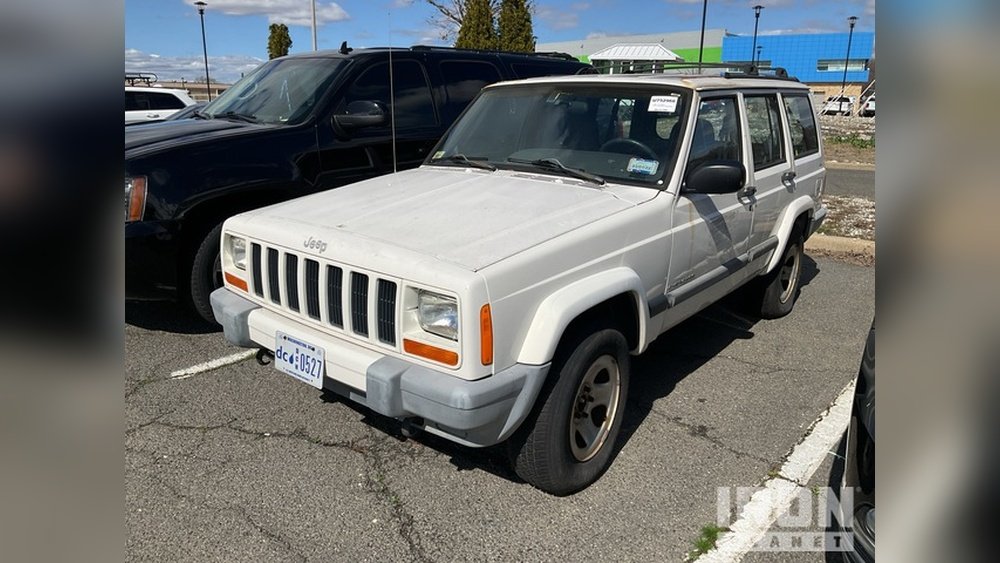
- Early Generations (XJ – 1984-2001): The XJ Cherokee is a beloved classic, known for its compact size, robust construction, and legendary off-road capability. These models are often sought after by enthusiasts for their simplicity and durability. You might find XJs that were used by park rangers, conservation officers, or other agencies that required a capable 4×4.
- Later Generations (KJ/KK Liberty – 2002-2012): While technically named the Liberty in these years, it was often colloquially referred to as a Cherokee successor. These models offered a different styling and platform but retained Jeep’s off-road heritage. They might have been used for general transportation or by departments needing a more modern, yet still capable, vehicle.
- Modern Generations (KL – 2014-2026): The revival of the Cherokee nameplate for the KL generation brought a more contemporary design and features. These vehicles might have been used by agencies for patrol, administrative duties, or specialized tasks. They typically feature more advanced technology and comfort features compared to older models.
The specific model and year you find will depend on what vehicles the state agencies have retired. It’s not uncommon to see a mix of older, well-used models alongside slightly newer ones that have completed their service contracts.
Advantages Of Buying A Washington State Surplus Jeep Cherokee
There are several compelling reasons why buying a surplus Jeep Cherokee can be a smart move.
- Significant Cost Savings: This is the most obvious benefit. Surplus vehicles are sold at auction prices, which are often substantially lower than retail or even wholesale prices at traditional dealerships. This allows you to acquire a capable SUV for a much smaller investment.
- Potential for Well-Maintained Vehicles: Government fleets often adhere to strict maintenance schedules. Vehicles may receive regular oil changes, inspections, and timely repairs, potentially leading to a mechanically sounder vehicle than one purchased privately without a known service history.
- Variety of Models and Conditions: The surplus market offers a wide range of vehicles. You might find a Cherokeethat’s been lightly used for administrative tasks or one that’s been more heavily utilized. This variety allows buyers to choose based on their budget, mechanical skill, and intended use.
- Transparency in Sales: While sold “as-is,” Washington State surplus auctions usually provide detailed descriptions, photos, and sometimes even inspection reports for the vehicles. This allows buyers to make informed decisions based on the available information.
- Environmental Benefit: Purchasing a surplus vehicle gives it a second life, reducing the demand for new vehicle production and diverting vehicles from potential scrap.
Potential Disadvantages And Risks To Consider
While the advantages are attractive, it’s crucial to be aware of the potential downsides.
- “As-Is” Sales: This is the biggest risk. There are no warranties. Any repairs or maintenance needed after purchase are entirely your responsibility and cost. A vehicle that appears functional at auction might develop significant problems shortly after you drive it away.
- Limited Inspection Opportunities: While you can often inspect vehicles before an auction, these inspections are usually brief and may not reveal all potential issues. You won’t have the benefit of a pre-purchase inspection by a trusted mechanic.
- Unknown History: Even with maintenance logs, the precise way a vehicle was driven and treated can be hard to ascertain. A vehicle used for heavy towing, off-roading, or frequent stop-and-go city driving might have more wear than its mileage suggests.
- Competition at Auctions: Popular vehicles, especially capable ones like the Jeep Cherokee, can attract a lot of bidders. Prices can sometimes climb higher than anticipated, especially for well-presented models.
- Paperwork and Title Transfer: The process of obtaining a title and registering a surplus vehicle can sometimes be more complex than a standard private sale, depending on the state’s specific regulations. Washington State DES provides guidance, but it requires attention to detail.
How To Find And Bid On Washington State Surplus Jeep Cherokees
Navigating the Washington State surplus auction process requires a systematic approach.
1. Monitor the Official Surplus Website:
The primary place to find vehicles is the Washington State Department of Enterprise Services (DES) Surplus website. They list upcoming auctions, provide details about the items up for bid, and often include photos and basic condition reports. You’ll need to register an account to participate in online auctions.
2. Understand the Auction Schedule:
Auctions are held regularly, but the inventory changes. Keep checking the website for new listings and auction dates.
Some auctions are online-only, while others may have live, in-person components.
3. Pre-Auction Inspection:
If possible, always attend the pre-auction inspection for any vehicle you’re seriously considering. This is your chance to:
- Check the exterior for rust, dents, and body damage.
- Inspect the interior for wear and tear, stains, or damage to upholstery and controls.
- Look under the hood for obvious leaks, corrosion, or damaged components.
- Check tire condition.
- If allowed, try to start the engine and listen for unusual noises. Check basic functions like lights, wipers, and A/C (if equipped).
4. Research the Specific Model:
Before bidding, research the specific Jeep Cherokee model and year you're interested in. Understand its common issues, typical maintenance costs, and its market value (even in used condition).
This will help you set a realistic bidding limit.
5. Set a Maximum Bid:
Decide beforehand the absolute maximum amount you are willing to pay for the vehicle, including any auction fees or taxes. Stick to this limit, no matter how tempting it is to bid higher during the auction.
Remember, the "as-is" nature means you're responsible for all future costs.
6. Understand Auction Fees and Payment:
Most auctions have buyer's premiums (a percentage added to the winning bid) and other fees. Ensure you understand the total cost involved.
Payment methods and deadlines are also critical; typically, payment is required within a short timeframe after winning the auction.
7. The Bidding Process:
Whether online or in person, follow the auction rules carefully. Online bidding requires placing bids through the platform.
In-person auctions involve raising paddles. Be prepared for the possibility of quick bidding wars.
Essential Tips For Buying A Surplus Jeep Cherokee
To increase your chances of a successful and satisfying purchase, keep these tips in mind:
- Manage Your Expectations: You are buying a used vehicle that has served a government purpose. It will likely have cosmetic flaws and may require immediate or future maintenance. Don’t expect a showroom-quality vehicle.
- Prioritize Mechanical Condition Over Cosmetics: While a clean interior and shiny paint are nice, focus your inspection and bidding strategy on the mechanical soundness of the vehicle. A few scratches are easily fixed; engine or transmission problems are not.
- Bring a Knowledgeable Friend: If you’re not a car expert, bring someone along who is. An extra set of eyes and ears can help identify potential problems you might miss.
- Factor in Repair and Maintenance Costs: Always budget for repairs. Even if the vehicle seems to be in good shape, set aside funds for unexpected issues or routine maintenance like new tires, brakes, or fluid changes.
- Check Vehicle History Reports (If Possible): While not always available for surplus vehicles, if you can get a VIN, running a vehicle history report (like CarFax or AutoCheck) might provide some insights into its past, though it might not cover its entire service life with the government.
- Understand Title and Registration: Familiarize yourself with Washington State’s process for titling and registering a surplus vehicle. The DES website usually provides clear instructions. You’ll typically receive a bill of sale and a certificate of title or similar document from the state.
- Consider Your Skill Level: If you’re buying a project vehicle, be honest about your mechanical abilities and the time you have available for repairs. A vehicle needing significant work can become a costly endeavor if you lack the skills or resources to complete it.
Comparing Surplus Vs. Traditional Used Car Purchases
When considering a Jeep Cherokee, the decision often comes down to choosing between surplus and a traditional used car lot. Here’s a brief comparison:
| Feature | Washington State Surplus Jeep Cherokee | Traditional Used Car Lot Jeep Cherokee |
|---|---|---|
| **Price** | Significantly lower, auction-based | Higher, includes dealer markup and overhead |
| **Condition** | Sold “as-is,” variable, potential for wear and tear | Often detailed, inspected, and sometimes reconditioned |
| **Warranty** | None | May offer limited dealer warranty or extended warranty options |
| **Inspection** | Limited pre-auction inspection | Opportunity for thorough pre-purchase inspection by your mechanic |
| **Selection** | Dependent on what agencies retire; can be hit or miss | Wider variety of models, trims, and conditions |
| **Buying Process** | Auction-based, requires active participation, specific payment terms | Standard dealership negotiation and financing |
| **History Transparency** | Service logs may be available, but usage can be varied | Vehicle history reports usually available; mileage and ownership clear |
| **Best For** | Budget-conscious buyers, DIY mechanics, those seeking a project vehicle | Buyers prioritizing convenience, warranty, and a less risky purchase |
In my experience, buying a surplus vehicle is more akin to a treasure hunt. You might find an absolute gem for a fraction of the cost, or you might end up with a vehicle that requires substantial investment.
It requires more due diligence and risk tolerance.
Real-world Scenarios: What To Expect
Imagine you’re at a Washington State surplus auction, either online or in person. You’ve spotted a 2015 Jeep Cherokee Latitude with 95,000 miles. The description notes it was used by the Department of Natural Resources for administrative purposes and includes basic maintenance records.
- Inspection: You visit the auction yard. The exterior has a few minor scratches and a small ding on the rear bumper. The interior shows normal wear on the driver’s seat but is otherwise clean. Under the hood, everything looks dry, with no obvious leaks. The tires have decent tread. You can’t start the engine, but it doesn’t look obviously damaged.
- Research: You check online used car values for a 2015 Cherokee Latitude with similar mileage. Similar models in fair condition are listed between $10,000 and $13,000.
- Auction: The auction starts. The opening bid is $4,000. Bidding quickly escalates. You’ve decided your maximum is $7,500, factoring in potential repairs. The bidding reaches $7,000, and after a few more tense moments, you win the auction at $7,300.
- Post-Purchase: You pay the $7,300 plus a 10% buyer’s premium ($730) and sales tax. Total cost so far: $8,030 plus tax. You take it to your mechanic. They find that the front brake pads are worn, the serpentine belt needs replacing, and the battery is weak. Total repair estimate: $600.
- Outcome: You’ve acquired a 2015 Jeep Cherokee Latitude for roughly $8,630 plus tax, significantly less than the market value. However, you invested time in inspection and incurred immediate repair costs. This is a successful outcome for a surplus purchase.
Now, consider another scenario: a 2008 Jeep Cherokee (Liberty) with 150,000