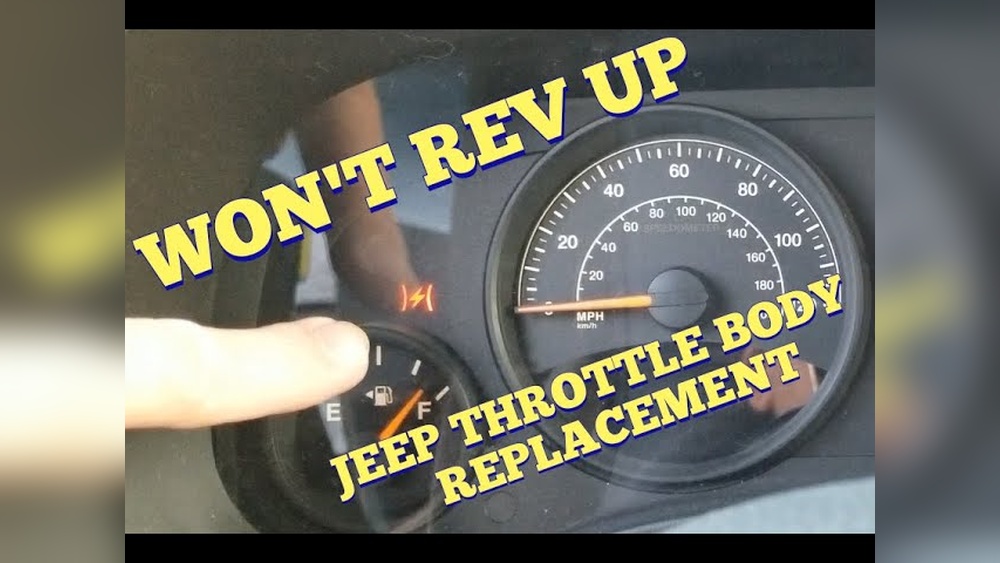
If your Jeep Cherokee is showing a low oil pressure warning or the oil pressure gauge is acting strangely, the oil pressure sensor might be the culprit. This small part plays a big role by telling your car’s computer the real-time oil pressure inside the engine.
A faulty sensor can lead to false alarms or, worse, leave you unaware of a real problem. Replacing it is not as hard as you might think, and doing it yourself can save you money and stress.
This guide will explain everything you need to know about Jeep Cherokee oil pressure sensor replacement.
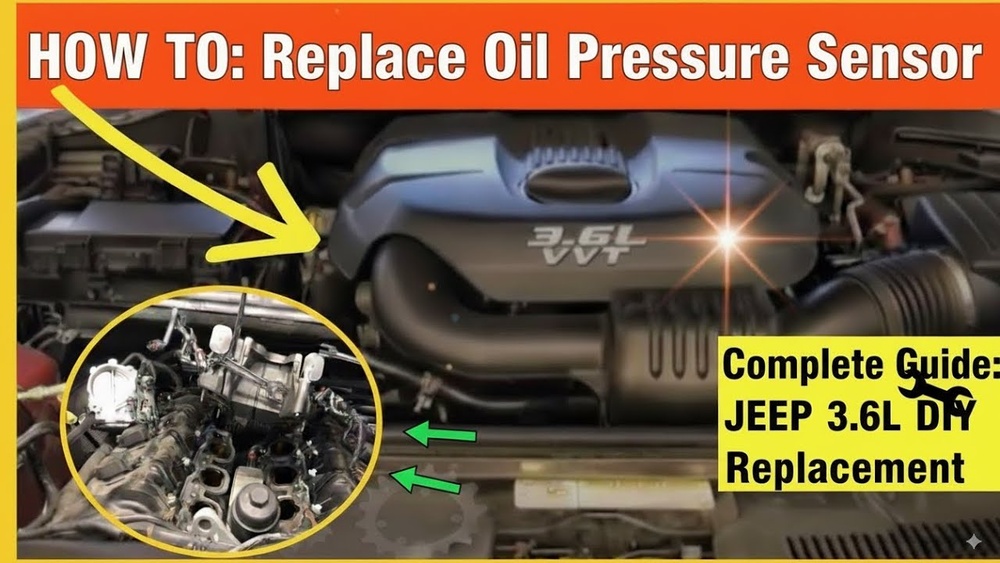
Why Oil Pressure Sensors Matter
The oil pressure sensor keeps track of oil flow inside the engine. If oil pressure drops too low, your engine could suffer major damage. That’s why the warning light or gauge exists—to alert you before things get serious. However, sensors can fail with age or exposure to heat and oil leaks.
Common signs of a bad oil pressure sensor include:
- Flickering or constant oil warning light
- Oil pressure gauge reading high or low all the time
- Odd engine noises (if the real issue is low oil pressure, not just a bad sensor)
- Oil leaks around the sensor
Ignoring sensor problems can be risky. If you assume the warning is “just the sensor,” you might miss a real oil pressure drop. Always check your oil level first.
Tools And Parts Needed
Before starting, gather these tools and supplies:
- New oil pressure sensor (check your Jeep’s year and engine type)
- Ratchet and socket set (usually 1 1/16″ or 27mm deep socket)
- Torque wrench (optional but recommended)
- Thread sealant or Teflon tape (if required by the sensor)
- Shop towels
- Safety gloves
- Flashlight
If you’re not sure which sensor to buy, check your owner’s manual or parts store database. Online forums can also provide part numbers for specific Jeep Cherokee models.

Step-by-step Replacement Guide
1. Locate The Oil Pressure Sensor
On most Jeep Cherokees, the sensor is screwed into the engine block, near the oil filter. Depending on your engine (2.
4L, 3. 2L, etc. ), access may be tight.
2. Prepare Your Vehicle
- Park on a level surface.
- Let the engine cool for at least 30 minutes.
- Disconnect the negative battery cable to avoid electrical shorts.
3. Remove The Old Sensor
- Locate the sensor by following the wires from the oil filter area.
- Unplug the electrical connector carefully. Sometimes, a tab must be pressed or lifted.
- Use the deep socket and ratchet to unscrew the old sensor.
- Watch for any oil drips—use a towel to catch them.
4. Install The New Sensor
- Apply thread sealant or Teflon tape to the new sensor’s threads if recommended.
- Screw in the new sensor by hand to avoid cross-threading.
- Tighten with the socket—don’t over-tighten. If you have a torque wrench, check your manual for the correct setting (usually 18-22 ft-lbs).
- Plug in the electrical connector.
5. Test And Check For Leaks
- Reconnect the battery.
- Start the engine and check for warning lights.
- Inspect the sensor area for oil leaks.
Here’s a quick comparison of common Jeep Cherokee engines and their oil pressure sensor locations:
| Engine Type | Sensor Location | Access Difficulty |
|---|---|---|
| 2.4L Tigershark | Near oil filter, passenger side | Easy |
| 3.2L Pentastar V6 | Behind intake manifold | Moderate |
| 4.0L Inline-6 (older models) | Driver’s side, above oil filter | Easy |
Cost And Time Estimates
Replacing the oil pressure sensor on a Jeep Cherokee is a quick job for most people. Here’s what you can expect:
| Replacement Method | Estimated Cost | Time Needed |
|---|---|---|
| DIY (parts only) | $20–$60 | 30–60 minutes |
| Mechanic (parts + labor) | $100–$250 | 1–2 hours |
Be sure to get the right sensor for your model year. Some sensors look similar but have different thread sizes or electrical connectors.
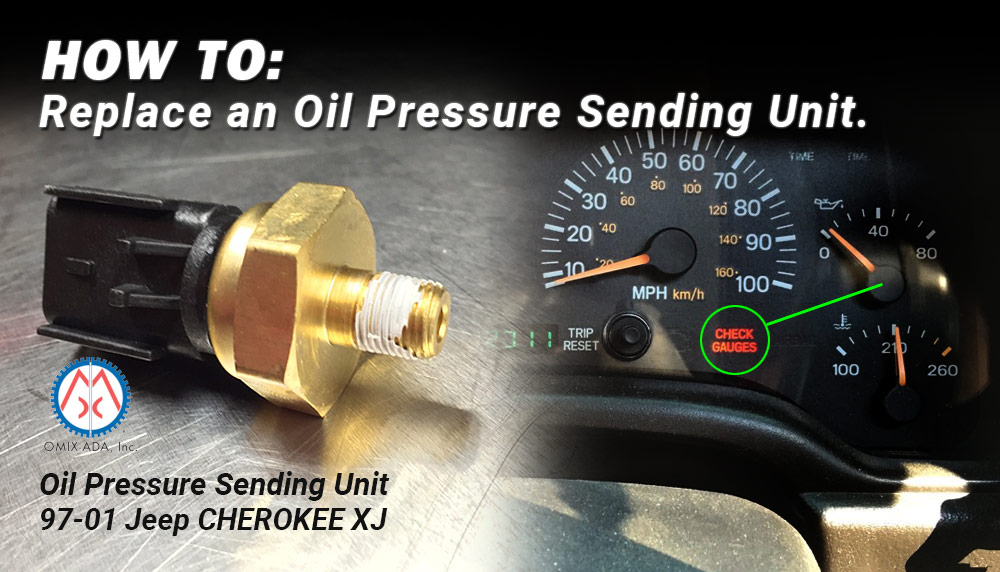
Avoiding Common Mistakes
Two problems often trip up beginners:
- Forgetting to disconnect the battery: This can cause short circuits or warning lights.
- Cross-threading the sensor: If the sensor isn’t straight, it can damage the threads in the engine block, leading to leaks.
Also, don’t ignore the warning light after replacement. If it stays on, double-check your work.
Sometimes, a faulty connector or wiring can also cause oil pressure warnings.
Signs The Issue Was Not The Sensor
After replacement, if you still see a warning light or hear engine noise, the problem might be real low oil pressure. Causes could include:
- Low oil level
- Failing oil pump
- Blocked oil passage
In these cases, it’s best to stop driving and have a mechanic diagnose the issue. Replacing the sensor will not fix actual oil pressure loss.
Extra Tips For Success
- Take a photo before unplugging connectors to help with reassembly.
- Wear gloves to avoid hot surfaces and oil stains.
- If the sensor is hard to reach, use an extension bar with your socket.
Many Jeep owners skip sensor replacement because they fear damaging the engine, but with patience and the right tools, it’s a manageable DIY job for most people.
For more Jeep Cherokee maintenance info, you can visit the official Wikipedia page.
Frequently Asked Questions
What Does The Oil Pressure Sensor Do?
The oil pressure sensor measures how much oil is flowing through your engine. It sends this data to your car’s computer and dashboard gauge. If pressure drops too low, it triggers a warning light.
How Do I Know If My Jeep Cherokee Oil Pressure Sensor Is Bad?
Common signs include a flickering or steady oil warning light, a gauge stuck at high or low, or oil leaks near the sensor. Always check your oil level first, as low oil can cause similar symptoms.
Can I Drive With A Bad Oil Pressure Sensor?
It’s not recommended. If the sensor is faulty, you may not know if your engine really has low oil pressure. This can risk serious engine damage.
Where Is The Oil Pressure Sensor Located On A Jeep Cherokee?
Usually, it’s near the oil filter or at the side of the engine block. The exact spot can vary by engine.
Check your owner’s manual or look for wiring near the oil filter.
Do I Need To Drain The Oil To Replace The Sensor?
In most cases, you do not need to drain the oil. However, a small amount may leak when you remove the sensor, so have towels ready.
Changing the oil pressure sensor is a smart way to keep your Jeep Cherokee running smoothly. With the right tools and careful steps, most owners can do this job at home and avoid costly repair bills.