If you see oil spots under your Jeep Cherokee, you’re not alone. Oil leak problems are a common headache for many Cherokee owners, especially as the vehicle ages.
Ignoring an oil leak may seem easy at first, but it can quickly lead to expensive engine repairs, increased fire risk, and even poor vehicle performance. Understanding why your Cherokee leaks oil, the most common places it happens, and how to fix it can save you time, money, and stress.
Why Oil Leaks Happen In Jeep Cherokees
Every engine needs oil to run smoothly, but it also creates pressure and heat. Over time, gaskets, seals, and hoses wear out. In many Cherokees, especially models from 2014-2019, weak seals and gasket materials are frequent culprits. Chrysler’s 2.4L Tigershark engine, for example, is known for valve cover gasket leaks.

A major insight most owners miss: some leaks happen only when the engine is hot and under pressure, so you might not see oil on the ground after short drives.
Most Common Oil Leak Locations
Not all oil leaks are easy to spot. Here are the top trouble spots on Jeep Cherokees:
| Leak Location | Common Models Affected | Repair Cost Estimate |
|---|---|---|
| Valve Cover Gasket | 2014-2019 | $200-$400 |
| Oil Pan Gasket | All years | $250-$600 |
| Oil Filter Housing | 2014-2026 | $350-$700 |
| Rear Main Seal | Pre-2013, some 2014+ | $600-$1,000+ |
| Oil Pressure Sensor | 2011-2018 | $100-$200 |
Valve Cover Gasket
This gasket seals the top of the engine. If it fails, oil drips down the engine, sometimes burning off and causing a bad smell.
It’s one of the most common and easiest to fix leaks.
Oil Pan Gasket
This gasket is at the bottom of the engine. A failing oil pan gasket can leave a steady oil puddle under the Jeep, especially after parking overnight.
Oil Filter Housing
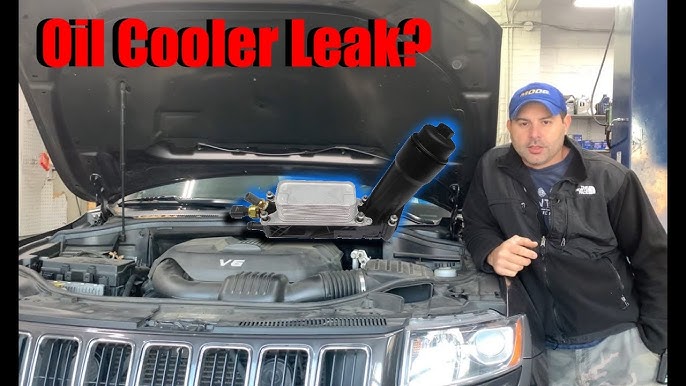
Plastic oil filter housings on recent models often crack, especially during oil changes. This can cause sudden and heavy leaks.
Rear Main Seal
This seal is deep between the engine and the transmission. It’s a rare but serious leak—often seen in older Cherokees.
Repair is costly because it requires removing major parts.
Oil Pressure Sensor
A faulty sensor can leak oil and send incorrect readings, sometimes triggering false warning lights.
Warning Signs Of An Oil Leak
Catching an oil leak early can prevent major damage. Watch for these signs:
- Oil stains under your Jeep
- Burning oil smell inside or outside the car
- Blue smoke from the exhaust
- Low oil level on the dipstick
- Engine warning lights on the dashboard
If you notice any of these, check your oil level immediately. Running with low oil can destroy your engine in minutes.
Diagnosing Oil Leaks: What To Look For
Finding the source of an oil leak isn’t always simple. Here are steps to help:
- Inspect the engine when cold. Look for fresh oil around gaskets, bolts, and seals.
- Check under the vehicle. See where the oil drips are landing.
- Use a UV dye. Mechanics often add a special dye to the oil, then use a UV light to spot the leak.
- Clean and re-check. Wipe down the engine, drive for a short time, then look for new oil spots.
A common mistake: Many owners clean the engine but don’t drive enough before rechecking. Some leaks only appear after longer, hot drives.
Repair Options: Diy Vs. Professional
Some oil leaks, like a valve cover gasket, are fixable for handy owners with basic tools. Others, like a rear main seal, require experience and special equipment. Here’s a quick comparison:
| Repair Type | Difficulty | Estimated Time | Recommended For |
|---|---|---|---|
| Valve Cover Gasket | Easy-Moderate | 1-2 hours | DIY or Shop |
| Oil Pan Gasket | Moderate | 2-4 hours | Shop |
| Rear Main Seal | Difficult | 6+ hours | Shop Only |
| Oil Filter Housing | Moderate | 2-3 hours | Shop |
If you’re unsure, ask a trusted mechanic for a diagnosis. Some leaks can be misdiagnosed, leading to wasted time and money.
Preventing Future Oil Leaks
While some leaks are unavoidable as your Cherokee ages, you can lower the risk:
- Change oil regularly using the right type and grade
- Replace gaskets and seals at signs of aging or during major services
- Avoid overtightening bolts during repairs, which can crush gaskets
- Check oil level monthly to spot leaks early
A non-obvious tip: Use only OEM (original equipment manufacturer) gaskets and parts. Cheap aftermarket gaskets often fail much faster, leading to repeat leaks.

When To Worry: Is Driving Safe?
A small, slow drip may not stop you from driving, but even minor leaks can get worse quickly. If you see a large puddle, smell burning oil, or your engine light comes on, stop driving until you check the oil level and fix the issue.
Severe leaks can cause engine failure or fires. In some cases, insurance companies may deny claims if you ignored a known leak.
Frequently Asked Questions