When your Jeep Cherokee Latitude needs a new battery, choosing the right size is crucial. A battery that’s too small won't fit securely, and one that’s too large simply won’t install.
But beyond just physical dimensions, the battery’s power output and type are equally important for ensuring your Cherokee starts reliably, especially in extreme weather, and that its electrical systems function correctly.
This guide will help you understand the specifics of the Jeep Cherokee Latitude battery size and what factors you need to consider. We'll cover the common battery group sizes, essential performance metrics like Cold Cranking Amps (CCA), and offer practical advice to make your battery replacement a smooth process.
Understanding Battery Group Sizes
Car batteries come in different group sizes, which are standardized by the Battery Council International (BCI). These group sizes refer to the physical dimensions (length, width, height) of the battery, as well as the terminal post configuration and location. Using the correct group size ensures the battery will physically fit into the battery tray in your Jeep Cherokee Latitude and that the terminal clamps will connect properly.
For the Jeep Cherokee Latitude, the most common battery group size you’ll find is Group Size 35. However, it’s always best to verify this for your specific model year. Sometimes, manufacturers might use slightly different specifications across different production runs or trim levels.
What Is Group Size 35?
A Group Size 35 battery typically has dimensions around:
- Length: 9.1 inches
- Width: 6.9 inches
- Height: 8.9 inches
These are approximate measurements, and slight variations exist between manufacturers. The key is that the overall footprint and height are designed to fit the battery tray and compartment of the vehicle. Another critical aspect of the group size is the terminal orientation. Group 35 batteries usually have the positive (+) terminal on the right side when viewed from the front of the battery (the side with the labels). The negative (-) terminal is on the left. This specific layout is important for ensuring your existing battery cables can reach the correct terminals without being stretched or requiring modifications.
Other Potential Group Sizes
While Group 35 is the most prevalent for the Jeep Cherokee Latitude, some sources might list other group sizes as compatible or as alternatives. These could include Group 24F or even Group 65.
- Group Size 24F: These batteries are generally longer and sometimes taller than Group 35. The ‘F’ typically indicates that the positive terminal is on the right, similar to Group 35, but the overall dimensions differ. A Group 24F battery might be around 10.2 inches long, 6.9 inches wide, and 9.0 inches high. While it might offer more power, its larger size could pose an installation challenge.
- Group Size 65: These are usually larger, heavier batteries with different terminal post configurations. They are often found in larger vehicles and trucks. A Group 65 battery can be around 13 inches long, 7.1 inches wide, and 9.4 inches high. It is highly unlikely to fit in a standard Jeep Cherokee Latitude battery tray.
Pro Tip: Always double-check your owner’s manual or consult a reliable auto parts database using your Jeep’s specific year, make, and model. This is the most accurate way to confirm the recommended group size.
Key Battery Performance Metrics
Beyond just the physical fit, a battery’s performance is defined by its ability to deliver power. The two most critical metrics are Cold Cranking Amps (CCA) and Reserve Capacity (RC).
Cold Cranking Amps (cca)
Cold Cranking Amps (CCA) is a measure of how much current a battery can deliver at 0°F (-18°C) for 30 seconds while maintaining a voltage above 7.2 volts. This is extremely important for starting your engine, especially in cold weather. When the engine is cold, the oil becomes thicker, making it harder for the starter motor to turn the engine over. A battery with a higher CCA rating can provide the necessary power to overcome this resistance and start the engine.
For a Jeep Cherokee Latitude, especially if you live in a region with cold winters, look for a battery with a CCA rating that meets or exceeds the manufacturer’s recommendation. While the exact recommendation can vary, a good target range is typically between 450 to 600 CCA. Going significantly above the recommended CCA is usually not harmful, but it might not offer a noticeable benefit and could come at a higher cost. Conversely, choosing a battery with a CCA rating significantly *below* the recommendation can lead to starting problems, particularly in the cold.
Reserve Capacity (rc)
Reserve Capacity (RC) indicates how long a fully charged battery can deliver 25 amps of current at 80°F (27°C) before its voltage drops below 10.5 volts. This metric is essentially a measure of endurance. A higher RC means the battery can power your vehicle’s electrical accessories (like lights, radio, and air conditioning) for a longer period if the alternator fails or if the engine is off.
While CCA is paramount for starting, a decent RC is also valuable. For a Jeep Cherokee Latitude, a Reserve Capacity of around 90 to 120 minutes is generally considered adequate. This ensures that even if you have a lot of accessories running or experience a minor issue with the charging system, you’ll have enough power to keep things going for a reasonable amount of time.
Ampere-hour (ah) Rating
Sometimes, you might see batteries rated in Ampere-hours (Ah). This rating indicates how much current a battery can deliver over a specific period.
For example, a 100Ah battery could theoretically deliver 5 amps for 20 hours (5A * 20h = 100Ah) or 10 amps for 10 hours (10A * 10h = 100Ah).
While useful, the CCA and RC ratings are generally more relevant for automotive starting applications.

Types Of Car Batteries
Not all car batteries are created equal. The two main types you’ll encounter for modern vehicles like the Jeep Cherokee Latitude are Flooded Lead-Acid (FLA) batteries and Absorbent Glass Mat (AGM) batteries.
Flooded Lead-acid (fla) Batteries
These are the traditional type of car battery that most people are familiar with. They contain lead plates submerged in an electrolyte solution of sulfuric acid and water.
- Pros:
- Generally less expensive than AGM batteries.
- Widely available and come in many sizes and power ratings.
- Can be easily topped up with distilled water if the electrolyte level drops (though this is less common with modern, low-maintenance designs).
- Cons:
- More susceptible to vibration damage.
- Can leak acid if tipped or damaged.
- Produce flammable hydrogen gas during charging, requiring proper ventilation.
- Generally have a shorter lifespan compared to AGM batteries, especially under demanding conditions.
- Performance can degrade more quickly in extreme temperatures.
For a standard Jeep Cherokee Latitude without advanced start-stop technology or heavy electrical loads, a good quality FLA battery is often a perfectly suitable and cost-effective choice.
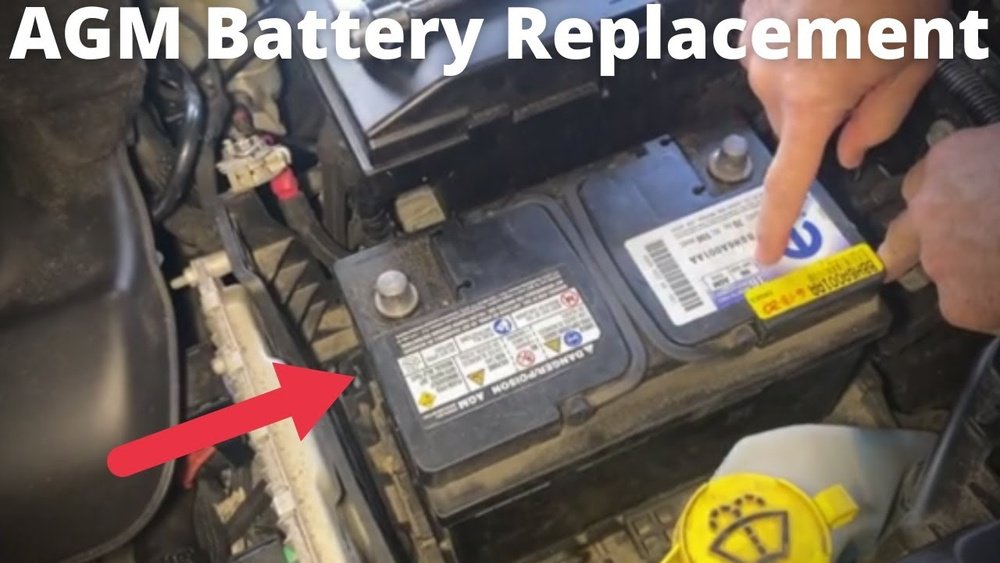
Absorbent Glass Mat (agm) Batteries
AGM batteries are a type of sealed lead-acid battery. Instead of liquid electrolyte, they use a special mat made of absorbent glass fibers to soak up the electrolyte. This design offers several advantages.
- Pros:
- More durable and resistant to vibration.
- Spill-proof and leak-proof, making them safer and allowing for mounting in more positions.
- Can handle deeper discharge cycles better than FLA batteries, making them ideal for vehicles with start-stop systems or high electrical demands (like lots of accessories, powerful sound systems, etc. ).
- Offer superior performance in extreme temperatures.
- Typically have a longer lifespan.
- Recharge faster than FLA batteries.
- Cons:
- Significantly more expensive than FLA batteries.
- Require a specific charging profile; using an incorrect charger can damage them. Most modern vehicles’ charging systems are designed to handle AGM batteries.
If your Jeep Cherokee Latitude came equipped with an AGM battery from the factory, or if you have significant aftermarket electrical additions, upgrading to another AGM battery is often the best course of action. If your original battery was FLA, you *can* often upgrade to an AGM, but ensure your vehicle’s charging system is compatible.
Factors Beyond Battery Size
When selecting a replacement battery for your Jeep Cherokee Latitude, consider these additional factors:
Vehicle’s Electrical Demands
Think about how you use your Jeep. Do you:
- Live in an area with extreme temperatures (very hot or very cold)?
- Frequently use accessories like powerful stereos, extra lighting, or inverters?
- Have a vehicle with start-stop technology (though Latitude trims typically don’t)?
- Spend a lot of time with the engine off but accessories running (e.g., camping)?
If you answered yes to any of these, you might benefit from a battery with higher CCA and RC ratings, or an AGM battery, even if a standard FLA battery technically fits.
Maintenance Requirements
Most modern car batteries are low-maintenance or maintenance-free. This means you don’t typically need to check or add water. However, some older or more basic FLA batteries might have removable caps for this purpose. If you prefer a truly hands-off experience, look for batteries explicitly labeled “maintenance-free.”
Warranty
Battery warranties vary significantly between brands and types. Most standard warranties range from 1 to 3 years, often with a “free replacement” period (e.g., the first year) and then a “prorated” period afterward (where you pay a portion of the cost for a replacement). Premium batteries, especially AGM types, might offer warranties of 3 to 5 years. A longer warranty can provide peace of mind, but always read the fine print regarding terms and conditions.
Brand Reputation And Reviews
Some battery brands have built a strong reputation for reliability and performance. Doing a quick search for reviews of specific battery models or brands can be helpful. Look for feedback from owners of similar vehicles or those who use their vehicles in conditions similar to yours.
Replacing Your Jeep Cherokee Latitude Battery
Replacing a car battery is a task that many DIY enthusiasts can handle. However, it’s essential to follow safety precautions.
Safety First!
- Wear safety glasses and gloves: Battery acid is corrosive and can cause severe burns.
- Work in a well-ventilated area: Batteries release hydrogen gas, which is flammable.
- Remove jewelry and metal objects: Accidental contact with battery terminals can cause sparks and severe burns.
- Ensure the engine is off and the key is out of the ignition.
- Identify the positive (+) and negative (-) terminals: These are usually marked clearly on the battery.
The Replacement Process
- Locate the Battery: In most Jeep Cherokee Latitude models, the battery is located under the hood, typically on the passenger side.
- Disconnect the Terminals: Always disconnect the negative (-) terminal first. This prevents accidental short circuits. Use a wrench (often 10mm or 13mm) to loosen the nut on the negative terminal clamp and carefully remove the cable from the post. Then, disconnect the positive (+) terminal.
- Remove the Hold-Down Clamp: The battery is usually secured by a bracket or clamp at its base. Locate and remove the bolts holding this clamp in place.
- Lift Out the Old Battery: Batteries are heavy! Use a battery carrier strap or get help if needed. Be careful not to strain your back.
- Clean the Tray and Cables: Inspect the battery tray for corrosion and clean it. Also, clean the terminal clamps on your vehicle’s cables with a wire brush or terminal cleaner to ensure a good connection.
- Install the New Battery: Carefully place the new battery into the tray, ensuring it’s oriented correctly with the positive and negative terminals in the right positions.
- Secure the Hold-Down Clamp: Reinstall and tighten the hold-down clamp to secure the new battery.
- Connect the Terminals: Connect the positive (+) terminal first, then the negative (-) terminal. Tighten the clamp nuts securely.
- Test: Start your Jeep to ensure the new battery is working correctly. Check that all electrical components function as expected.
Warning: If you are uncomfortable performing this task or unsure about any step, it’s best to have a qualified mechanic or a professional at an auto parts store handle the battery replacement. Many auto parts stores offer free battery installation with purchase.
Common Mistakes To Avoid
- Buying the Wrong Size: As discussed, always confirm the correct group size. A battery that’s too big won’t fit, and one that’s too small might not be secure.
- Ignoring CCA and RC: Don’t just pick the cheapest battery. Ensure it has adequate power for your climate and driving habits.
- Using the Wrong Terminal Order: Always disconnect negative first, and reconnect positive first. This minimizes the risk of short circuits.
- Not Securing the Battery Properly: A loose battery can be damaged by vibration and can cause electrical issues.
- Forgetting to Clean Terminals: Dirty or corroded terminals lead to poor electrical connections, reducing charging efficiency and potentially causing starting problems.
- Ignoring Battery Age: Car batteries typically last 3-5 years. If your battery is approaching this age and showing signs of weakness, it’s often better to replace it proactively before it leaves you stranded.
Battery Specifications Comparison (hypothetical Example)
Here’s a look at how different batteries might compare. Remember to always check the exact specifications for the batteries you are considering.
| Feature | Battery Brand A (Standard FLA) | Battery Brand B (Premium FLA) | Battery Brand C (AGM) |
|---|---|---|---|
| **Group Size** | 35 | 35 | 35 |
| **CCA Rating** | 500 | 550 | 600 |
| **RC (min)** | 95 | 110 | 120 |
| **Voltage** | 12V | 12V | 12V |
| **Terminal Type** | SAE Post | SAE Post | SAE Post |