If you drive a Jeep Cherokee, you expect reliability and smooth driving. But for many owners, gearbox problems can quickly change that experience.
Transmission issues can turn a daily commute into a headache, with symptoms like delayed shifting, slipping gears, or even total failure. Understanding what causes these problems and how to address them can save you time, money, and stress.
Common Gearbox Problems In Jeep Cherokee
The Jeep Cherokee has a reputation for ruggedness, but its gearbox is a known weak point, especially in certain model years. Here are some of the most frequent transmission issues reported by owners:
- Rough or Delayed Shifting: Drivers often notice the gearbox hesitating between gears, especially during acceleration. This is common in the 2014–2016 models with the nine-speed automatic transmission.
- Transmission Slipping: Some Cherokees lose power as if the car is in neutral, even when in gear. This can be dangerous if it happens in traffic.
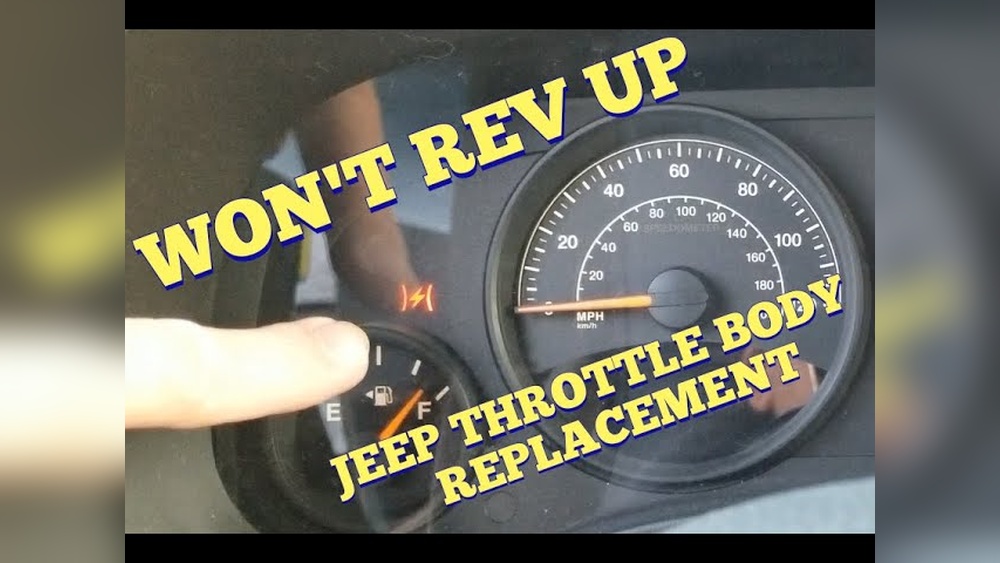
- Warning Lights: The “Check Engine” or “Transmission” warning lights may turn on. Sometimes, a message appears on the dashboard about servicing the transmission.
- Jerking or Shuddering: Many drivers report a jerking feeling when shifting at low speeds or when coming to a stop. This is often linked to software glitches in the transmission control module.
- Complete Failure: In rare cases, the gearbox may fail completely, leaving the vehicle undrivable.
Not every Jeep Cherokee will experience these problems, but they are frequent enough to be a concern, especially for certain years and transmissions.
Which Jeep Cherokees Are Most Affected?
Not all Cherokees have the same risk of gearbox trouble. The ZF 9HP nine-speed automatic transmission, used in models from 2014 onward, is the main source of complaints. Earlier Cherokees with traditional six-speed automatics or manuals have fewer reported problems.
Here’s a quick comparison of affected years and gearbox types:
| Model Year | Gearbox Type | Problem Frequency |
|---|---|---|
| 2014–2016 | 9-Speed Automatic (ZF 9HP) | High |
| 2017–2018 | 9-Speed Automatic | Medium |
| 2013 and earlier | 6-Speed Automatic/Manual | Low |
Non-obvious insight: Even updated 2017–2018 models saw improvements, but some underlying software and hardware issues remained.

What Causes Gearbox Problems In The Jeep Cherokee?
Several factors lead to gearbox trouble in the Cherokee:
- Software Glitches: The nine-speed gearbox relies heavily on software to control shifting. Early versions had poor calibration, causing erratic behavior.
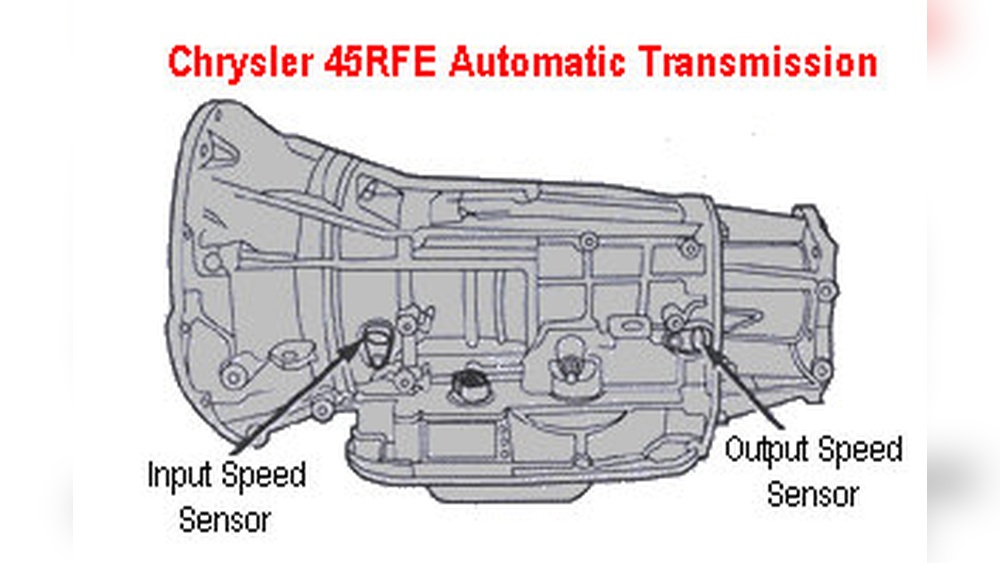
- Component Wear: Clutch packs, solenoids, and sensors can wear out or fail, especially with aggressive driving.
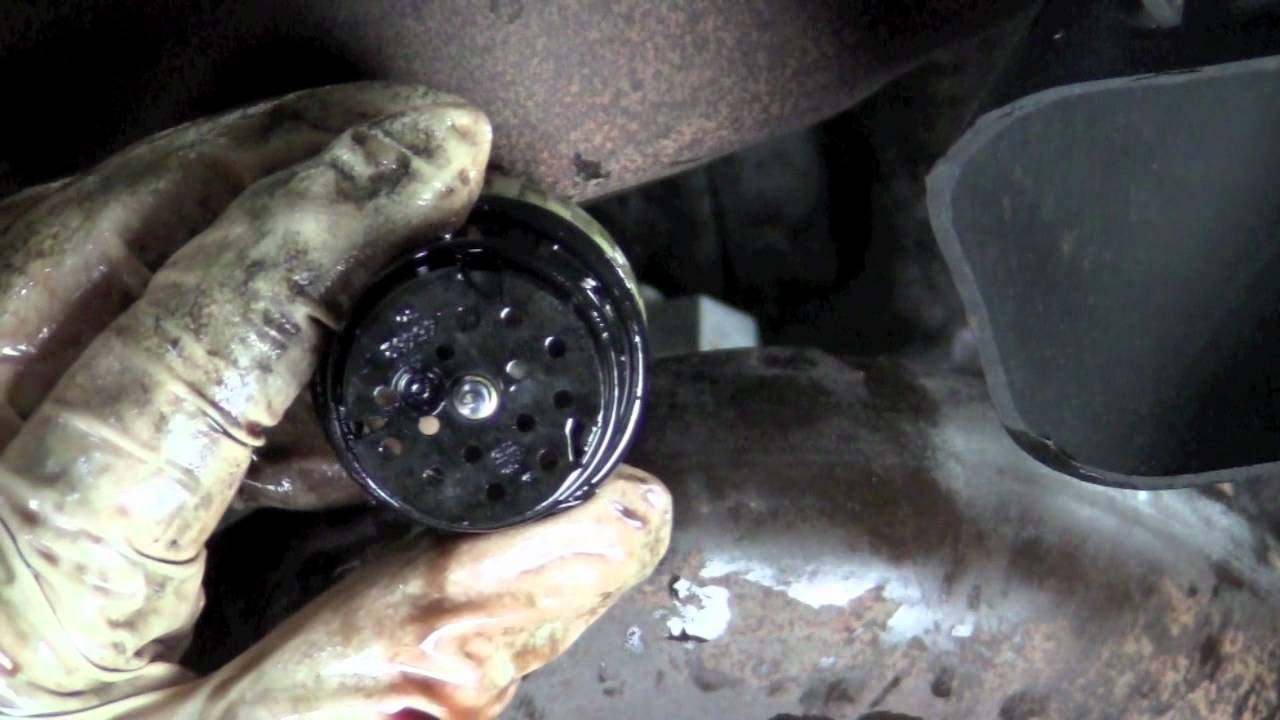
- Fluid Issues: Low, dirty, or incorrect transmission fluid can increase friction and heat, leading to faster wear and poor shifting.
- Manufacturing Defects: Some batches of transmissions had faulty components from the factory, leading to early failures.
A less obvious cause is that frequent short trips—where the gearbox never fully warms up—can increase condensation and degrade the transmission fluid faster than expected.
Signs Your Jeep Cherokee Gearbox Needs Attention
Catching transmission problems early can prevent breakdowns and expensive repairs. Watch for these warning signs:
- Unusual noises (clunking, whining, or grinding)
- Hesitation or delay when shifting gears
- Leaking red or brown fluid underneath your Jeep
- Burning smell from under the hood
- Transmission warning lights
If you notice any of these symptoms, it’s important to have your Jeep inspected by a professional as soon as possible.
Fixing And Preventing Gearbox Issues
If your Cherokee shows gearbox trouble, don’t ignore it. Here’s what you can do:
Dealer Software Updates
Jeep has issued multiple software updates to improve transmission performance. These updates often fix rough or delayed shifting.
Check with your dealer to see if your vehicle is eligible for a free update.
Regular Fluid Checks
Transmission fluid should be checked every 30,000–60,000 miles. Low or dirty fluid can cause many shifting problems.
Always use the fluid type recommended by Jeep.
Professional Diagnosis
If warning lights are on, or shifting is harsh, a professional scan can read trouble codes from the gearbox computer. This helps pinpoint the exact problem.
Repairs And Replacements
For serious issues like failed solenoids or internal damage, parts may need to be repaired or replaced. In some cases, the entire gearbox must be rebuilt or swapped out.
Here’s a look at estimated repair costs:
| Repair Type | Estimated Cost (USD) | Time Required |
|---|---|---|
| Software Update | $0–$150 | 1–2 hours |
| Fluid Change | $150–$300 | 2–3 hours |
| Solenoid Replacement | $400–$800 | 4–6 hours |
| Full Rebuild/Replacement | $3,000–$5,000+ | 1–3 days |
Pro tip: If your vehicle is still under warranty, most transmission repairs may be covered. Always check with your dealer before paying out of pocket.
Is It Worth Repairing Or Upgrading?
For many owners, the high cost of a new gearbox raises a tough question: repair or replace the vehicle? If your Cherokee is in good shape and the rest of the car is reliable, a transmission repair can extend its life for years. But if other major repairs are likely soon, selling or trading in may make more sense.
Some owners choose to upgrade the software or even swap in a rebuilt transmission with updated parts to reduce future risks.
How Jeep Has Responded
Jeep and FCA (now Stellantis) have recognized the gearbox issues. Over the years, they have:
- Issued recalls for software updates and hardware fixes
- Extended warranties on some transmissions
- Released technical service bulletins (TSBs) with repair instructions for dealerships
Despite these efforts, not every gearbox problem is solved by a recall. Staying informed and proactive is the best way to protect your investment.
Frequently Asked Questions