The Jeep Cherokee fuse box under hood is a small but vital part of your SUV. When something electrical fails—like headlights, wipers, or the radio—this box is often the first place to check.
But for many owners, it can be a mystery. Where exactly is it?
What do the fuses control? How do you replace one safely?
If you’ve ever been stuck on the roadside or puzzled in your garage, this guide will clear things up.
Location And Access
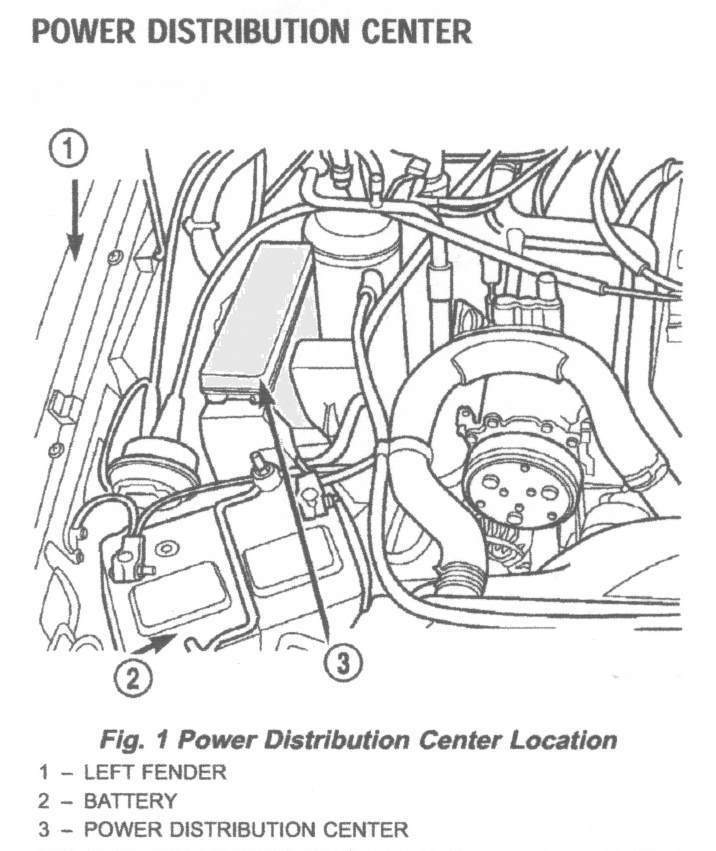
You’ll find the under-hood fuse box in the engine compartment, typically on the driver’s side near the battery. It’s a black rectangular box with a snap-on lid. Most models from 2014 onward use a similar layout, but always check your owner’s manual for your exact year.
To open it:
- Turn off your Jeep and remove the key.
- Release the two clips or tabs on the sides of the fuse box cover.
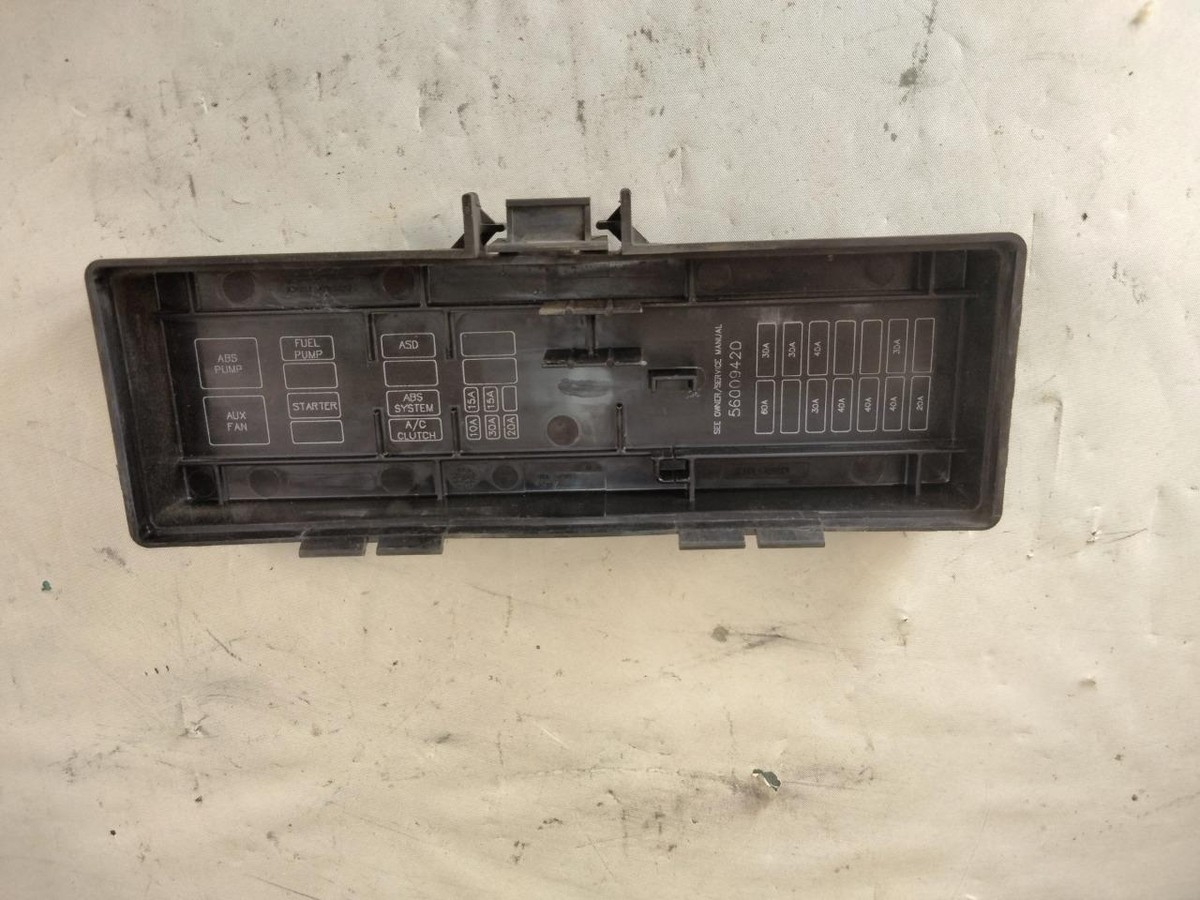
- Gently lift the lid. You’ll see a diagram on the underside showing what each fuse controls.
Closing the box is just as simple. Align the lid and press down until it clicks. Always make sure it’s sealed—moisture inside can cause problems.
Fuse Box Layout And Functions
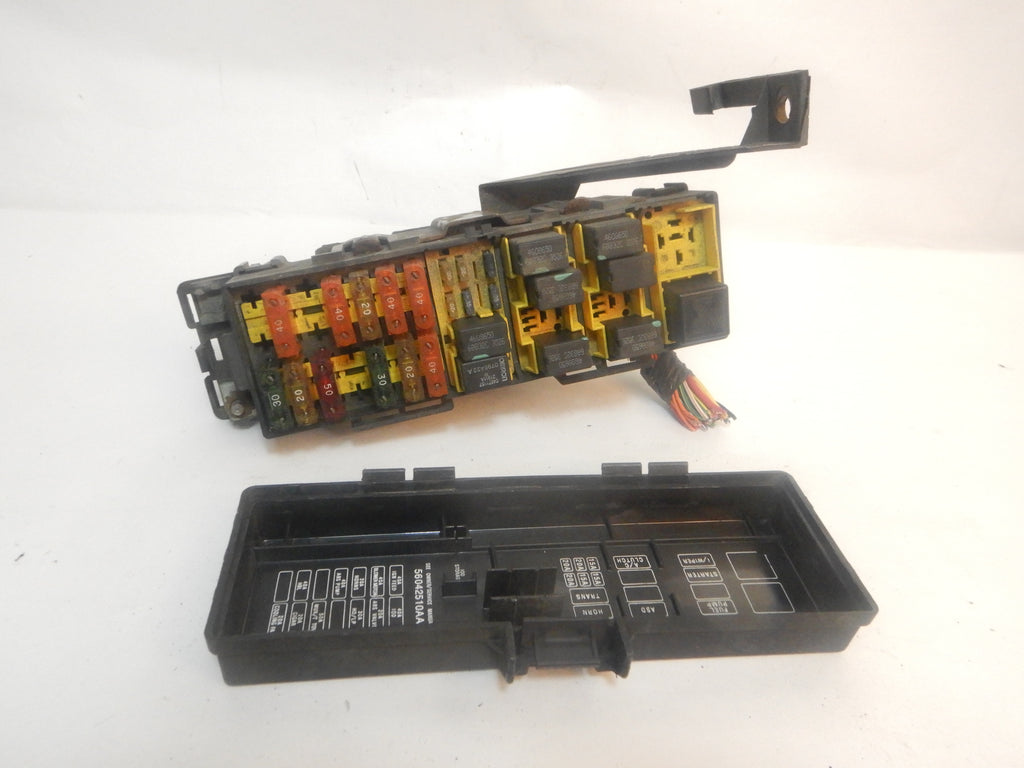
Inside, you’ll see rows of colored fuses and some larger black or gray relays. Each fuse protects a specific electrical circuit from short circuits or overloads.
Here’s a basic comparison of fuse types you’ll find:
| Fuse Type | Color | Amperage | Common Use |
|---|---|---|---|
| Mini | Red, Blue, Yellow | 10A, 15A, 20A | Lights, horn, radio |
| J-Case | Black, Green | 30A, 40A | Cooling fan, fuel pump |
| Relay | Black, Gray | N/A | Starter, A/C |
The diagram inside your fuse box cover is your map. Each symbol or number shows what the fuse protects. For example, “F03” might be the horn, while “F20” is the radio. If you lose the cover, the same diagram is in your owner’s manual.
Common Fuse Locations And Their Uses
Different years and trims may change the layout, but most Jeep Cherokee models use the under-hood fuse box for high-power systems. Here’s a quick look at what you’ll usually find:
| Fuse Number | System Protected | Amperage |
|---|---|---|
| F03 | Horn | 15A |
| F20 | Radio/Infotainment | 20A |
| F30 | Power Windows | 25A |
| F50 | Engine Control Module | 10A |
| F60 | Starter Motor | 30A |
Always confirm fuse numbers in your exact model, as locations may change.
How To Check And Replace A Fuse
If a system stops working—like the headlights—it’s smart to check the fuse first. Here’s a step-by-step method:
- Find the right fuse using the cover diagram.
- Use the fuse puller (usually clipped inside the fuse box) or needle-nose pliers.
- Gently pull the fuse straight out.
- Hold the fuse up to the light. If the metal strip inside is broken, the fuse is blown.
- Replace it with a new fuse of the same amperage. Never use a higher amp fuse; it can damage wiring or start a fire.
If the new fuse blows again, there’s a deeper problem—like a short circuit or bad wiring. In this case, it’s wise to see a mechanic.
Extra Tip: Keep Spares Handy
Most Cherokee fuse boxes include spare fuses and sometimes a small puller tool. Store a couple of extra fuses of common sizes (10A, 15A, 20A) in your glove box for emergencies.
When To Check The Under Hood Fuse Box
Many owners only think about the fuse box after something fails. But regular checks can prevent bigger issues. Here are moments when you should inspect the fuse box:
- After driving through deep water or heavy rain (moisture can get inside)
- If a system (like power windows or radio) stops working suddenly
- Before long road trips, especially if your Jeep is older
Look for corroded terminals, loose fuses, or melted plastic. These are signs of trouble.
Common Problems And How To Prevent Them
Even tough vehicles like the Jeep Cherokee face electrical issues. Here are problems that often involve the under-hood fuse box:
- Corrosion: Caused by water entry. Prevention: Always seal the box tightly and keep the engine bay clean.
- Overloaded Circuits: Plugging in high-power accessories (like big amplifiers) can blow fuses. Prevention: Use proper relays and wiring for add-ons.
- Vibration Damage: Off-roading can loosen fuses. Prevention: Check fuse tightness after rough trails.
One thing many beginners miss: using the wrong fuse type. Only buy fuses that match the Jeep’s requirements—generic fuses from gas stations aren’t always reliable.
Reading The Fuse Box Cover Diagram
Understanding the diagram is key to quick troubleshooting. Here’s what you’ll usually see:
| Symbol | Meaning |
|---|---|
| ☀️ | Headlights |
| 🔊 | Horn |
| ⏻ | Ignition/Start |
| ⚡ | Power Outlet |
| ❄️ | Air Conditioning |
If your diagram uses codes (like “F03” or “J19”), cross-check with your manual or search online forums.
Resources For Deeper Troubleshooting
If you’re still stuck, Jeep’s official website has downloadable manuals. Forums like Jeep Garage and Mopar’s resources can help with rare problems. For specific wiring diagrams, consider a subscription to the official Jeep service site or check this Wikipedia article for more background.
Frequently Asked Questions
<!– wp:rank-math/faq-block {"questions":[{"id":"faq-question-dedd6718fe3a","title":"Where Is The Jeep Cherokee Fuse Box Under The Hood?","content":"It is on the driver’s side of the engine compartment, near the battery. Look for a black plastic box with a snap-on lid.
“,”visible”:true},{“id”:”faq-question-a1044607fc5d”,”title”:”What Does The Under-hood Fuse Box Control?”,”content”:”It manages high-power systems like the starter, cooling fan, headlights, radio, and engine controls. Lower power items (like interior lights) are often in a second fuse box inside.
“,”visible”:true},{“id”:”faq-question-65fb5218dc84″,”title”:”How Do I Know If A Fuse Is Blown?”,”content”:”Remove the suspect fuse and look through it. If the thin metal strip inside is broken or burned, the fuse is blown and must be replaced.
“,”visible”:true},{“id”:”faq-question-8a47a606e23f”,”title”:”Can I Use A Fuse With A Higher Amperage If The Correct One Is Not Available?”,”content”:”No. Always use the exact same amperage. Higher-rated fuses can cause wiring or component damage and may start a fire.
“,”visible”:true},{“id”:”faq-question-f6d1eb64e5d0″,”title”:”What Should I Do If Replacing A Fuse Does Not Fix The Problem?”,”content”:”If the new fuse blows again or the system still doesn’t work, there may be a short circuit, faulty wiring, or a bad relay. Visit a qualified mechanic to avoid further damage.
A working fuse box under hood keeps your Jeep Cherokee reliable, especially on adventures far from home. With regular checks and the right knowledge, you’ll spend less time worrying and more time enjoying your drive.
“,”visible”:true}]} –>Where Is The Jeep Cherokee Fuse Box Under The Hood?
It is on the driver’s side of the engine compartment, near the battery. Look for a black plastic box with a snap-on lid.
What Does The Under-hood Fuse Box Control?
It manages high-power systems like the starter, cooling fan, headlights, radio, and engine controls. Lower power items (like interior lights) are often in a second fuse box inside.
How Do I Know If A Fuse Is Blown?
Remove the suspect fuse and look through it. If the thin metal strip inside is broken or burned, the fuse is blown and must be replaced.
Can I Use A Fuse With A Higher Amperage If The Correct One Is Not Available?
No. Always use the exact same amperage. Higher-rated fuses can cause wiring or component damage and may start a fire.
What Should I Do If Replacing A Fuse Does Not Fix The Problem?
If the new fuse blows again or the system still doesn’t work, there may be a short circuit, faulty wiring, or a bad relay. Visit a qualified mechanic to avoid further damage.
A working fuse box under hood keeps your Jeep Cherokee reliable, especially on adventures far from home. With regular checks and the right knowledge, you’ll spend less time worrying and more time enjoying your drive.