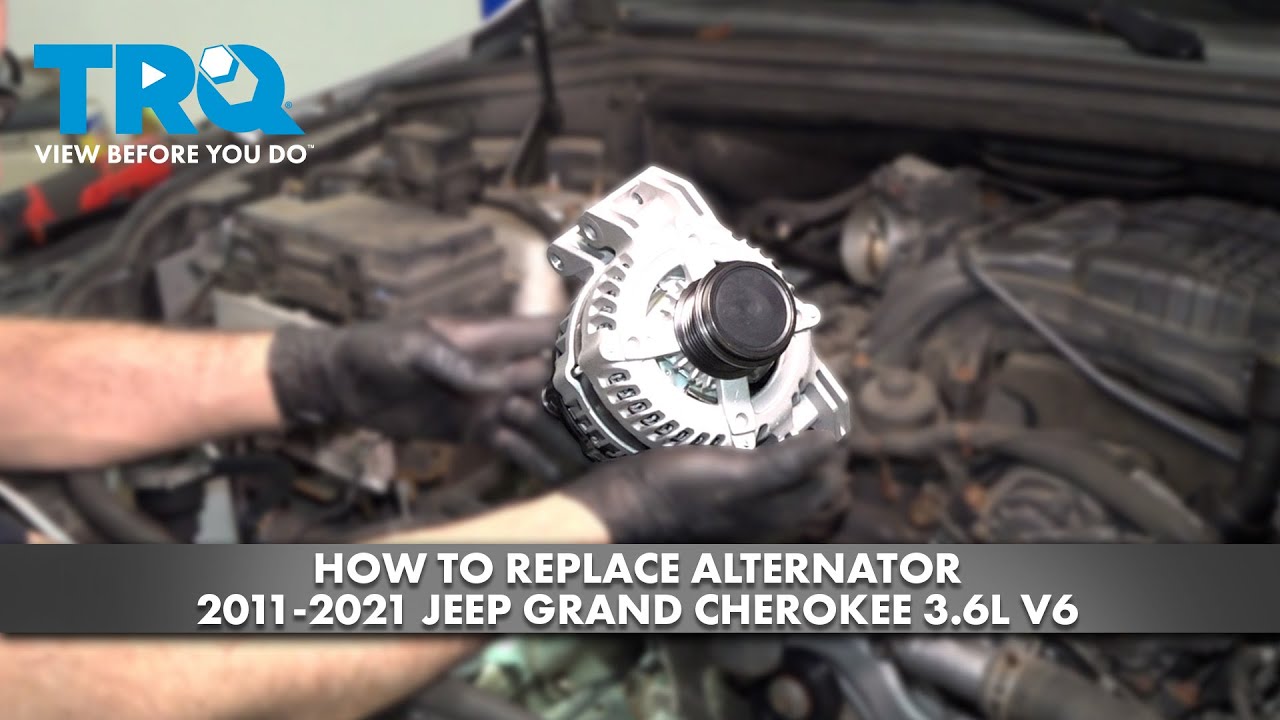
A failing alternator can turn a reliable Jeep Cherokee into a frustrating problem. Without a working alternator, your battery drains quickly, electrical systems fail, and eventually, your engine stops running.
Many drivers ignore early warning signs and end up stranded. If you want to avoid expensive towing bills and keep your Cherokee running smooth, understanding alternator replacement is important.
What Does The Alternator Do?
The alternator is a key part of your Jeep’s charging system. It turns the engine’s mechanical energy into electricity. This power charges the battery and runs electrical items like headlights, radio, and climate control.
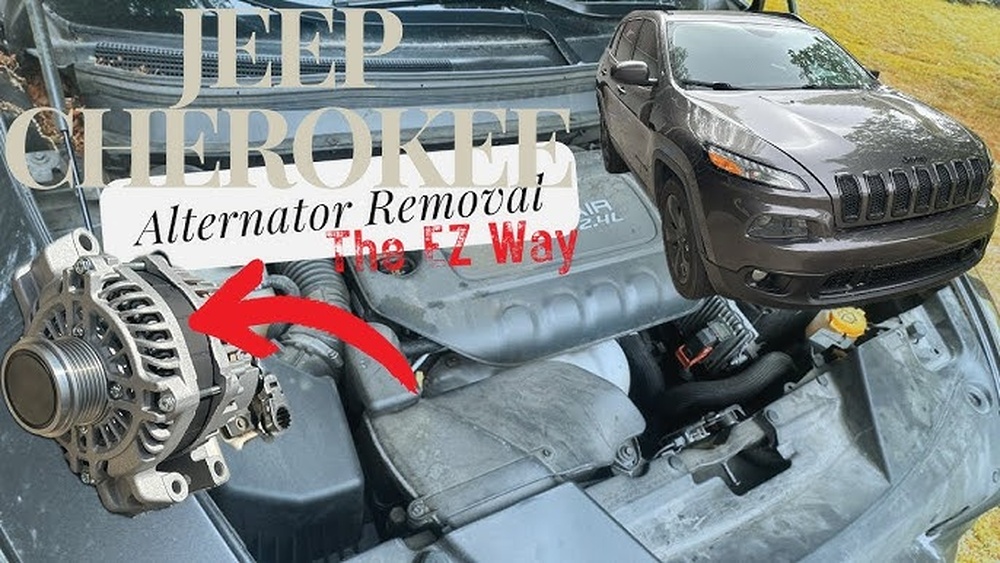
When the alternator fails, the battery cannot recharge. Soon, the car runs out of power.
Unlike some other problems, a dead alternator means your Jeep will not run until you fix it.
Signs Your Jeep Cherokee Alternator Is Failing
Most alternators give warning before they completely fail. Look for these signs:
- Dim or flickering headlights
- Battery warning light on the dashboard
- Strange noises (whining or grinding)
- Electrical problems: Power windows, radio, or AC stop working
- Dead battery soon after charging or jump-starting
If you notice these symptoms, test your alternator as soon as possible.
Jeep Cherokee Alternator Replacement: Step-by-step Guide
Replacing the alternator is a doable job for many Jeep owners. Here’s a practical guide for most 2014–2026 Jeep Cherokee models with a V6 or 4-cylinder engine.
Tools And Parts Needed
- New alternator (compatible with your Cherokee’s engine)
- Basic socket set and wrenches
- Screwdrivers
- Serpentine belt tool or long-handled ratchet
- Torque wrench
- Safety gloves
Steps To Replace The Alternator
1. Disconnect The Battery
Always remove the negative (-) battery cable to avoid electric shock.
2. Locate The Alternator
On most Cherokees, it’s near the top front of the engine, held by bolts and attached to the serpentine belt.
3. Remove The Serpentine Belt
Use a serpentine belt tool or ratchet to release tension. Slide the belt off the alternator pulley.
4. Disconnect Electrical Connectors
Unplug the wiring harness and remove the main power cable from the alternator.
5. Remove Mounting Bolts
There are usually 2 or 3 bolts holding the alternator. Remove them and carefully lift the alternator out.
6. Install The New Alternator
Position the new unit, line up the bolts, and tighten them to the manufacturer’s torque specs.
7. Reconnect Electrical Connectors
Attach the wiring harness and main power cable.
8. Reinstall The Serpentine Belt
Make sure the belt is routed correctly and has proper tension.
9. Reconnect The Battery
Attach the negative cable and start the engine. Check that the battery light is off and all systems work.
Estimated Time And Difficulty
Most DIYers can finish in 1–2 hours. If you are new to car repairs, give yourself extra time.
The hardest part is often removing the serpentine belt.
Cost Of Replacing A Jeep Cherokee Alternator
Alternator replacement costs vary by location, model year, and if you do it yourself or use a shop.
| Replacement Method | Estimated Cost |
|---|---|
| DIY (parts only) | $180 – $350 |
| Repair Shop | $400 – $650 |
| Dealership | $500 – $850 |
Buying a quality alternator matters. Cheaper, rebuilt units may not last as long as new OEM or trusted aftermarket brands.

Choosing The Right Alternator For Your Cherokee
Not all alternators are the same. Pick one that matches your Jeep’s engine and electrical needs.
| Model Year | Engine Type | Amperage Rating |
|---|---|---|
| 2014–2018 | 2.4L I4 | 160A |
| 2014–2026 | 3.2L V6 | 180A |
| 2019–2026 | 2.0L Turbo | 220A |
Check your owner’s manual or the old alternator’s sticker for the correct amperage. Installing the wrong type can cause charging problems.
Mistakes To Avoid When Replacing An Alternator
Many DIYers make simple errors that lead to bigger problems:
- Forgetting to disconnect the battery – This can cause a dangerous short circuit.
- Not checking the serpentine belt – If your belt is cracked or worn, replace it now to avoid doing the job twice.
- Loose or dirty electrical connections – Bad connections cause charging issues even with a new alternator.
- Skipping voltage tests – After installation, always test the battery and alternator output with a voltmeter.
One insight many beginners miss: sometimes, a bad battery can damage a new alternator. Always check battery health before and after replacing the alternator.
When To Get Professional Help
If your Jeep’s electrical system has major problems or you are not comfortable working under the hood, a repair shop is a smart choice. Modern Cherokees have complex electronics.
Sometimes, alternator failure is related to other issues like a faulty voltage regulator or damaged wiring.
A professional will have the tools and knowledge to diagnose these problems. For those with a warranty or extended service plan, dealership service may be required to keep coverage.
Real-world Example
A 2017 Jeep Cherokee owner noticed the battery warning light and dimming headlights. After a quick alternator test at an auto parts store, the alternator was confirmed as the problem. They found a new OEM alternator online for $230 and spent two hours replacing it at home. The job saved around $400 compared to a dealership. The owner also replaced the serpentine belt for $35, avoiding future breakdowns.

Maintenance Tips To Extend Alternator Life
- Keep battery terminals clean and tight.
- Replace the serpentine belt every 60,000–100,000 miles.
- Don’t ignore warning lights or electrical problems.
- Avoid jump-starting your Jeep too often, as power surges can damage the alternator.
Many alternator failures are caused by old batteries, worn belts, or poor connections, not the alternator itself.
Frequently Asked Questions