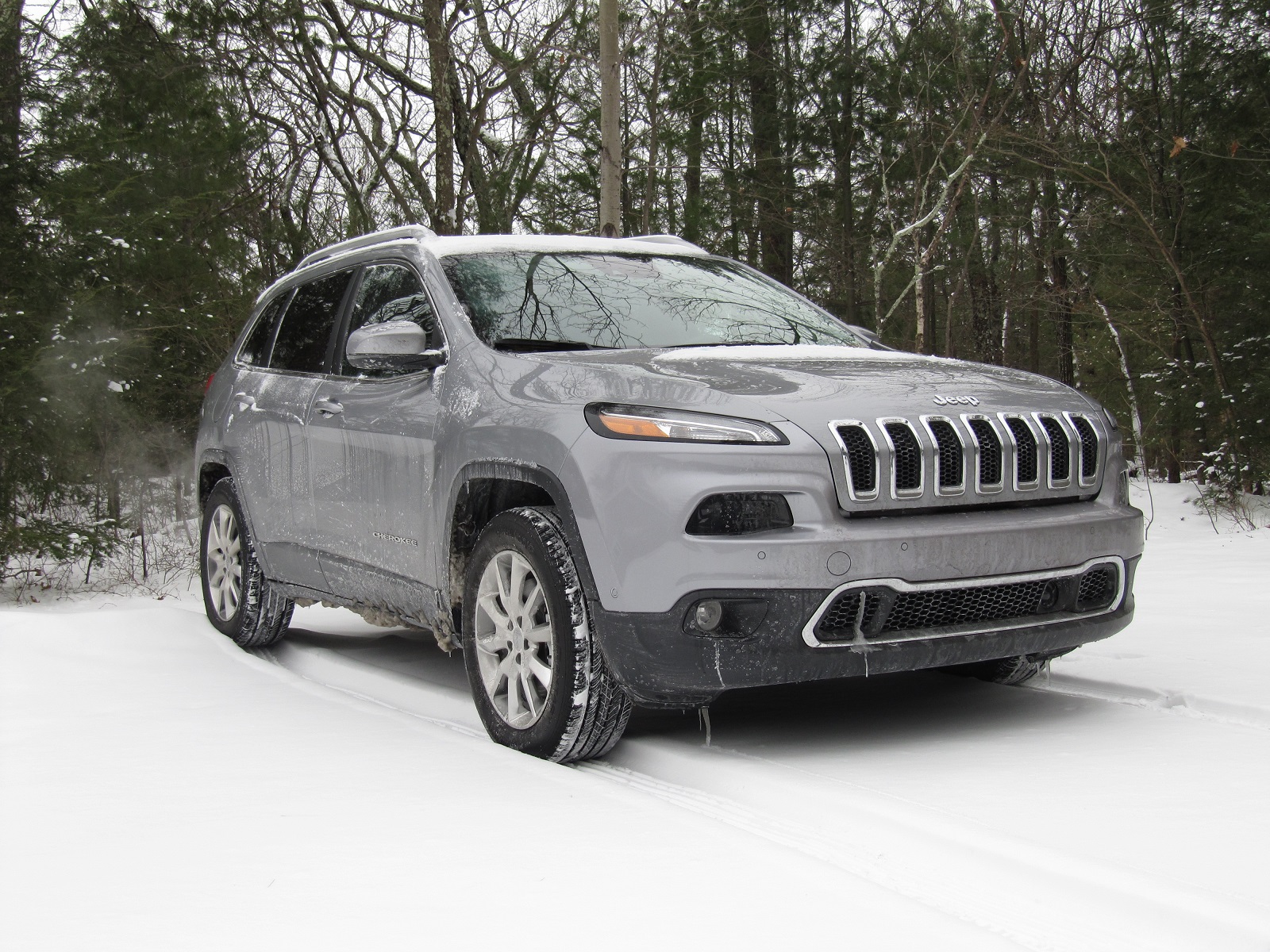
The Jeep Cherokee is a familiar name in the world of SUVs. Known for its rugged look and reliable performance, the Cherokee stands out for its 4 wheel drive systems. These systems make it possible to handle tough roads, bad weather, and off-road adventures. But not all 4WD systems are the same. The Jeep Cherokee offers four distinct types, each with unique features and advantages. If you’re thinking about buying a Cherokee or want to understand more about its driving technology, this guide will help you make sense of each system.
Jeep Cherokee 4 Wheel Drive Systems
The Cherokee lineup includes four main 4WD systems: Active Drive I, Active Drive II, Active Drive Lock, and the Trailhawk-exclusive system. Here’s what you need to know about each one.
Active Drive I
Active Drive I is the most common 4WD system in the Cherokee. It’s fully automatic, meaning you don’t need to switch anything when driving. The system senses when extra traction is needed—like on wet or icy roads—and sends power to all four wheels.

Key features:
- No driver input required
- Automatic engagement for better grip
- Fuel-efficient because it only uses 4WD when needed
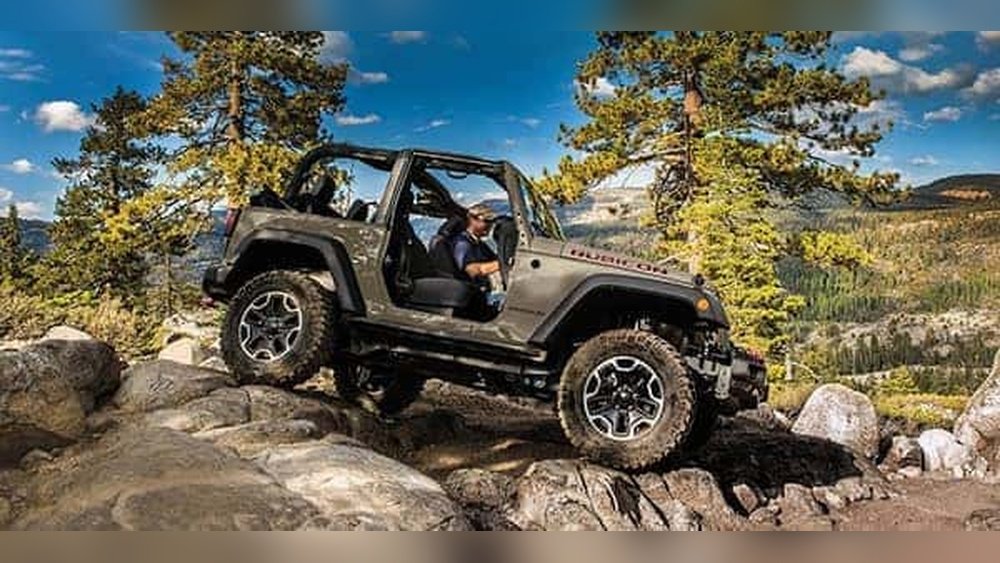
Active Drive I is best for daily driving and light off-roading. It’s also good for people who want extra safety during rain or snow but don’t want to manage controls. According to Jeep, vehicles with this system can handle mild off-road trails and slippery city streets with ease.
Active Drive Ii
Active Drive II is a step up. It adds a low-range mode, which helps when climbing hills or driving on rocky surfaces. This system also includes a neutral mode, allowing the Cherokee to be flat-towed behind another vehicle—a feature RV owners will appreciate.
Key features:
- Low-range gear for steep or rough terrain
- Neutral mode for towing
- Hill descent control for safer downhill driving
Active Drive II is ideal for those who plan to use their Cherokee for camping, towing, or more serious off-road trips. The low-range gear gives you extra torque, making it easier to climb or crawl over obstacles.
Active Drive Lock
Active Drive Lock is only found on the Cherokee Trailhawk. It includes all the features of Active Drive II, plus a locking rear differential. This lock ensures both rear wheels turn at the same speed, which is critical for deep mud, sand, or rocks.
Key features:
- Locking rear axle for maximum traction
- Rugged off-road capability
- Trail Rated badge (proven performance in five off-road categories)
If you need to conquer tough trails or want the full off-road experience, Active Drive Lock is the best choice. Jeep’s testing shows this system performs in extreme conditions where other SUVs struggle.
Trailhawk 4wd System
The Trailhawk 4WD system is built specifically for the Cherokee Trailhawk. It combines Active Drive Lock with special off-road tuning and extra features.
Key features:
- Rock mode for challenging surfaces
- Extra ground clearance
- Skid plates to protect the underbody
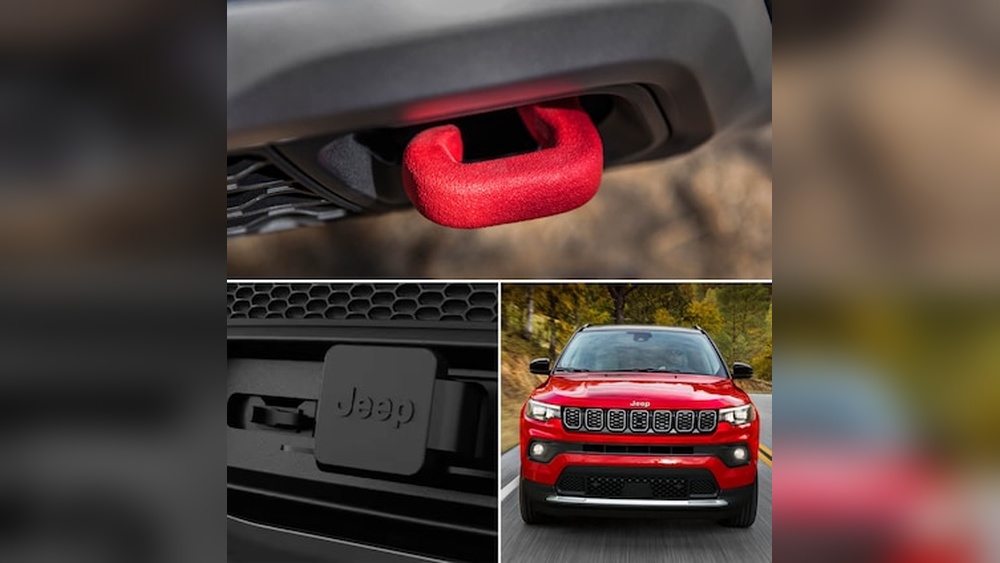
- Tow hooks for recovery
The Trailhawk is designed for drivers who want true adventure. Its 4WD system, paired with off-road hardware, lets you tackle almost any trail. Real-world tests show the Trailhawk can drive through water up to 19 inches deep and climb steep slopes without losing traction.
Comparing The 4 Wheel Drive Systems
Understanding the differences helps you choose the right Cherokee. Here’s a simple comparison:
| System | Best For | Unique Feature |
|---|---|---|
| Active Drive I | Daily driving | Automatic 4WD |
| Active Drive II | Light off-road/towing | Low-range gear |
| Active Drive Lock | Serious off-road | Locking rear axle |
| Trailhawk 4WD | Extreme off-road | Rock mode, skid plates |
Real-world Performance And Data
Jeep Cherokee’s 4WD systems are tested for performance. Here are some numbers that show their capability:
- Trailhawk ground clearance: 8.7 inches (higher than most rivals)
- Water fording depth: Up to 19 inches
- Towing capacity: Up to 4,500 lbs with Active Drive II
This makes the Cherokee a practical option for both city and adventure. It’s also one of the few SUVs that offer flat towing, which is a big benefit for RV enthusiasts.
Maintenance And Common Mistakes
4WD systems are reliable, but proper care is important. Here are common mistakes to avoid:
- Ignoring regular checks: Many drivers forget to check fluids and inspect the system. This leads to early wear.
- Using the wrong tires: All four tires must be the same size and type. Otherwise, the 4WD system can get damaged.
- Misusing low-range: Only use low-range for tough terrain. Using it on regular roads can harm the system.
For best results, follow Jeep’s maintenance schedule and use quality parts. Many owners also miss the need for tire rotation; uneven tires reduce system performance.
.jpg?t=162691659185)
Choosing The Right Jeep Cherokee 4wd
Picking the right system depends on your needs. Ask yourself:
- Do you need extra safety in bad weather? Active Drive I is enough.
- Planning to tow or camp? Active Drive II is better.
- Want to explore rough trails? Active Drive Lock or Trailhawk is the right pick.
Here’s a quick guide to help decide:
| Your Usage | Recommended System |
|---|---|
| City driving, rain/snow | Active Drive I |
| Towing, camping | Active Drive II |
| Off-road adventure | Active Drive Lock/Trailhawk |
Practical Tips For 4wd Owners
- Test 4WD regularly: Even if you don’t go off-road, use it once a month.
- Keep tires matched: Same brand, size, and tread.
- Check for leaks: Drivetrain leaks can cause big problems.
- Read your manual: Jeep’s guide explains how to use each feature.
One insight many new owners miss: using 4WD on dry pavement can cause unnecessary wear. Only use it when you need extra traction.

Frequently Asked Questions
Is Jeep Cherokee 4wd Good For Snow?
Yes, the Cherokee’s Active Drive I system is automatic and provides extra grip in snow. Many owners report feeling safer and more confident during winter.
Can I Tow My Jeep Cherokee Behind An Rv?
You can flat-tow Cherokees with Active Drive II and Active Drive Lock systems, thanks to the neutral mode. Check your owner’s manual for exact steps.
What’s The Difference Between 4wd And Awd In The Cherokee?
4WD systems are designed for tougher terrain and can be locked for max traction. AWD is more for regular roads. Cherokee’s 4WD is more advanced for off-road use.
How Often Should I Service The 4wd System?
Jeep recommends checking the system every 12,000 miles or once a year. Regular service keeps it working well and prevents costly repairs.
Where Can I Find More Details On Jeep Cherokee Specifications?
For full specs and technical details, visit the official Jeep website or see Wikipedia.
Jeep Cherokee’s 4 wheel drive systems offer both safety and adventure. Whether you drive in the city or on rough trails, there’s a system for you. Make sure you choose the right one for your needs, keep up with maintenance, and enjoy the freedom these vehicles provide.