If you own a Jeep Cherokee 4. 0 or plan to work on one, understanding the belt diagram is essential.
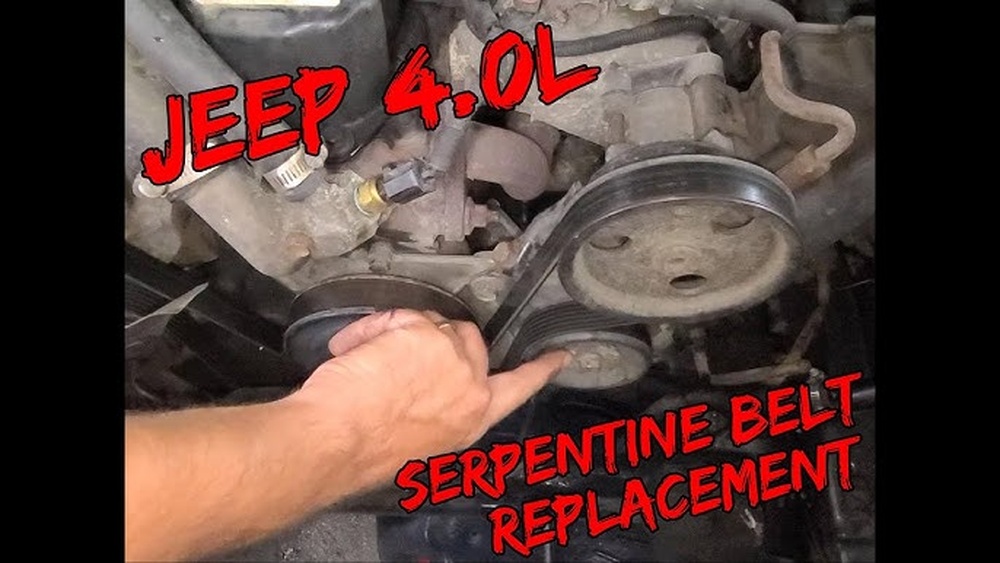
The serpentine belt in the 4. 0-liter engine connects several key components.
A correct belt routing keeps your engine running smoothly and prevents breakdowns. Many owners struggle to find clear diagrams or explanations, especially for specific parts.
This guide breaks down the Jeep Cherokee 4. 0 belt diagram, explains each item, and offers practical advice so you can maintain your vehicle confidently.
The Importance Of The Jeep Cherokee 4.0 Belt Diagram
The serpentine belt drives multiple engine accessories. If the belt is misrouted or worn, you risk losing power steering, overheating, or battery failure. The 4.0 engine has a unique layout compared to other Jeep models. Knowing the exact diagram and each part’s role can save time and money.
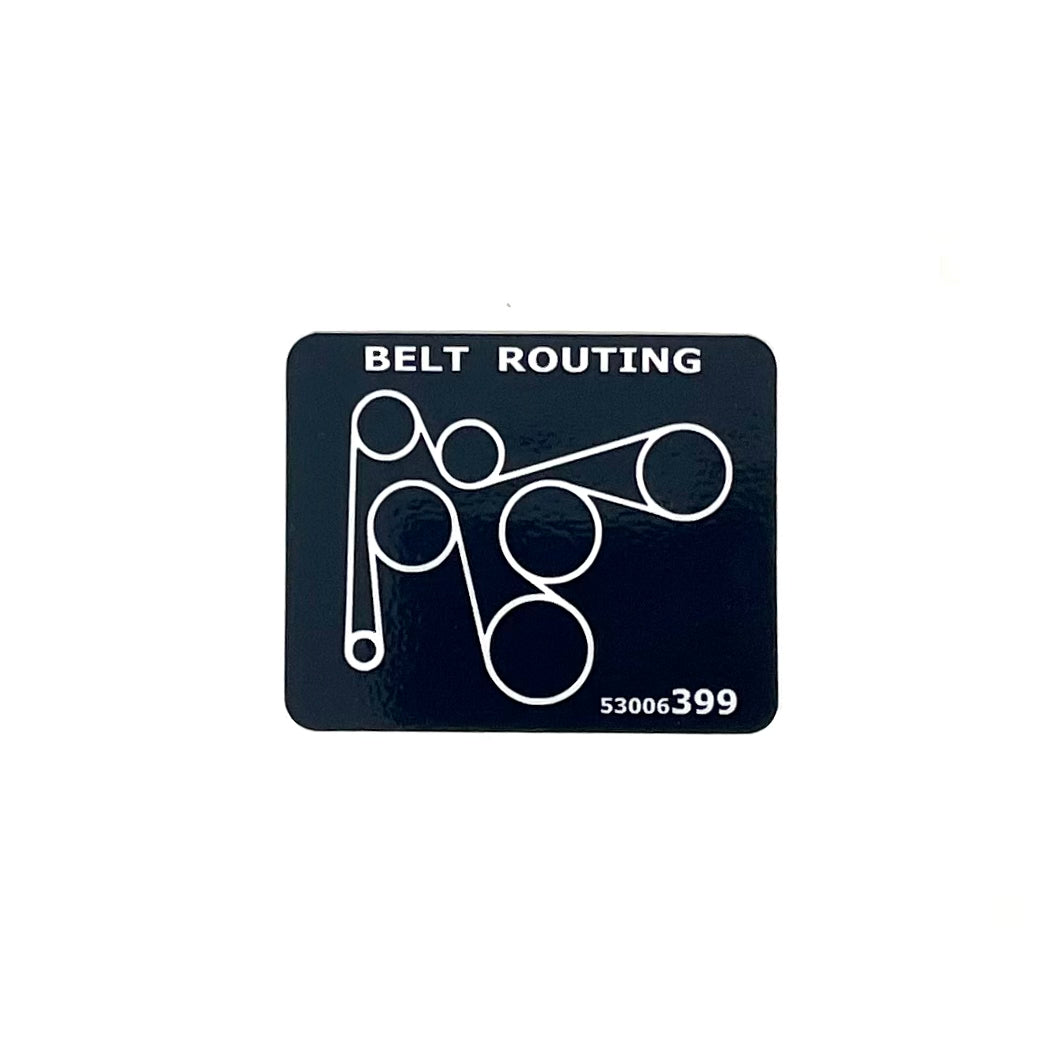
Here’s a typical layout for the Jeep Cherokee 4.0 serpentine belt:
- Crankshaft Pulley
- Alternator
- Power Steering Pump
- Air Conditioning Compressor
Each item plays a specific role in keeping your vehicle running efficiently.
Crankshaft Pulley
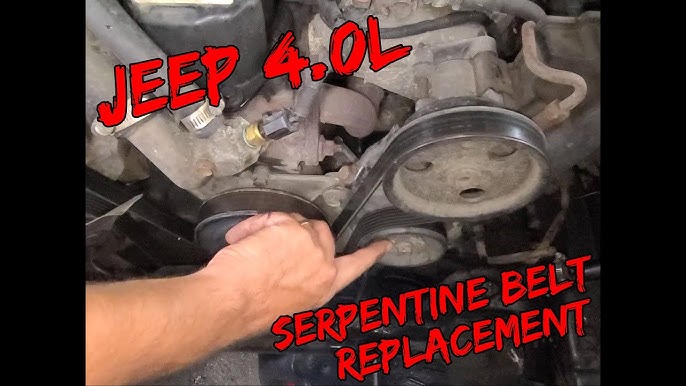
The crankshaft pulley is the starting point for the belt. It sits at the bottom front of the engine and is driven directly by engine rotation. The pulley powers all other accessories through the belt.
- It provides the main drive force.
- If the pulley is damaged or the belt slips, none of the accessories will work.
- For the Cherokee 4.0, a common sign of crankshaft pulley issues is engine vibration or unusual noises.
Data: Pulley Sizes And Specs
| Pulley | Diameter (inches) | Material |
|---|---|---|
| Crankshaft | 6.5 | Steel |
| Alternator | 2.2 | Aluminum |
A worn crankshaft pulley can cause belt misalignment, leading to premature belt wear.
Alternator
The alternator is located above the crankshaft pulley on the passenger side. The belt turns the alternator, which charges the battery and powers electrical systems.
- If the belt slips here, your battery may die quickly.
- Alternator failure often shows as dim headlights or electrical issues.
Comparison: Alternator Vs Power Steering Pump
| Accessory | Main Function | Failure Symptom |
|---|---|---|
| Alternator | Charge battery | Dim lights, dead battery |
| Power Steering Pump | Assist steering | Hard steering, whining noise |
A common mistake is installing the belt without checking alternator alignment. Always double-check before tightening.
Power Steering Pump
The power steering pump sits on the driver’s side, near the top. The belt supplies power so you can turn the steering wheel easily.
- Without the belt, steering becomes very hard, especially at low speeds.
- Watch for leaks or squealing sounds, which can signal pump or belt problems.
Example: Troubleshooting Power Steering Issues
If your steering feels heavy, check the belt tension at the pump. A loose belt can slip, making steering difficult. Also, inspect the pump’s mounting bolts—they sometimes loosen over time, affecting belt routing.
Air Conditioning Compressor
The air conditioning compressor is found below the alternator. The belt powers the compressor for cool air inside the cabin.
- If this part fails or the belt is misrouted, the AC won’t work.
- AC compressor problems often cause the belt to squeal or snap.
Data: Belt Routing Differences
| Model Year | Belt Routing | Notes |
|---|---|---|
| 1997 | Standard | Single serpentine belt |
| 2001 | Standard | Same as 1997, minor tensioner change |
Many beginners forget to check the AC compressor clutch. If it’s stuck, it can shred the belt.
Practical Tips For Changing The Serpentine Belt
Changing the belt on a Jeep Cherokee 4. 0 is not very difficult, but attention to detail matters.
- Always draw the belt diagram before removing the old belt. This avoids confusion later.
- Inspect all pulleys for wear or damage before installing the new belt.
- Use a belt tensioner tool to set proper tension. Too tight can damage bearings; too loose can cause slipping.
- After installation, start the engine and observe the belt. Look for wobble or noise.
- Replace the belt every 40,000–60,000 miles or sooner if you notice cracks or fraying.
Common Mistakes Beginners Make
- Incorrect routing: Many people route the belt wrong, especially around the AC compressor.
- Ignoring pulley alignment: Misaligned pulleys will destroy the belt quickly.
- Reusing old tensioner: A worn tensioner can cause belt slip and noise.
- Not checking for leaks: Oil leaks on pulleys will shorten belt life.
A useful resource for diagrams and belt routing is the official Jeep service manual. You can also find diagrams online, such as at Wikipedia.
Frequently Asked Questions
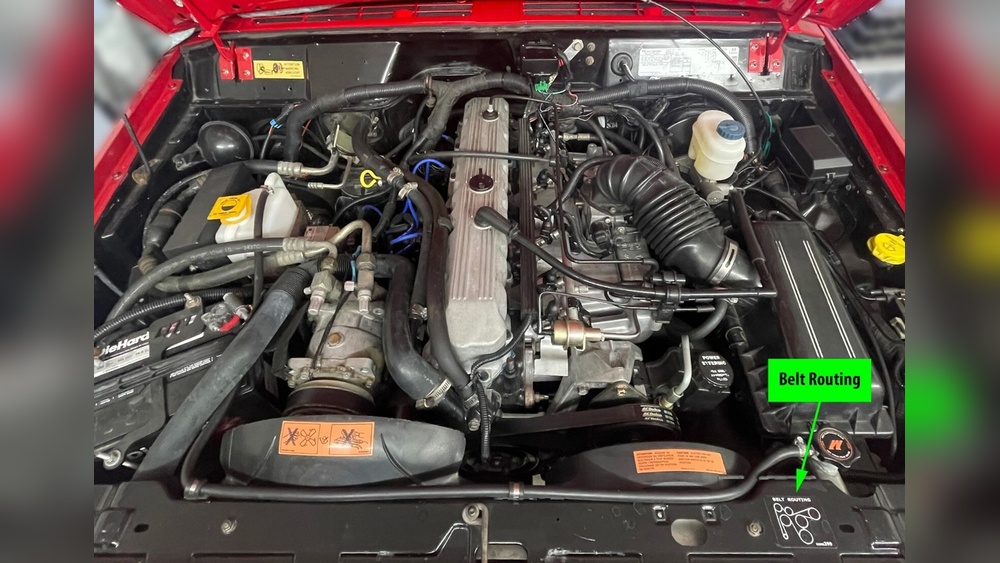
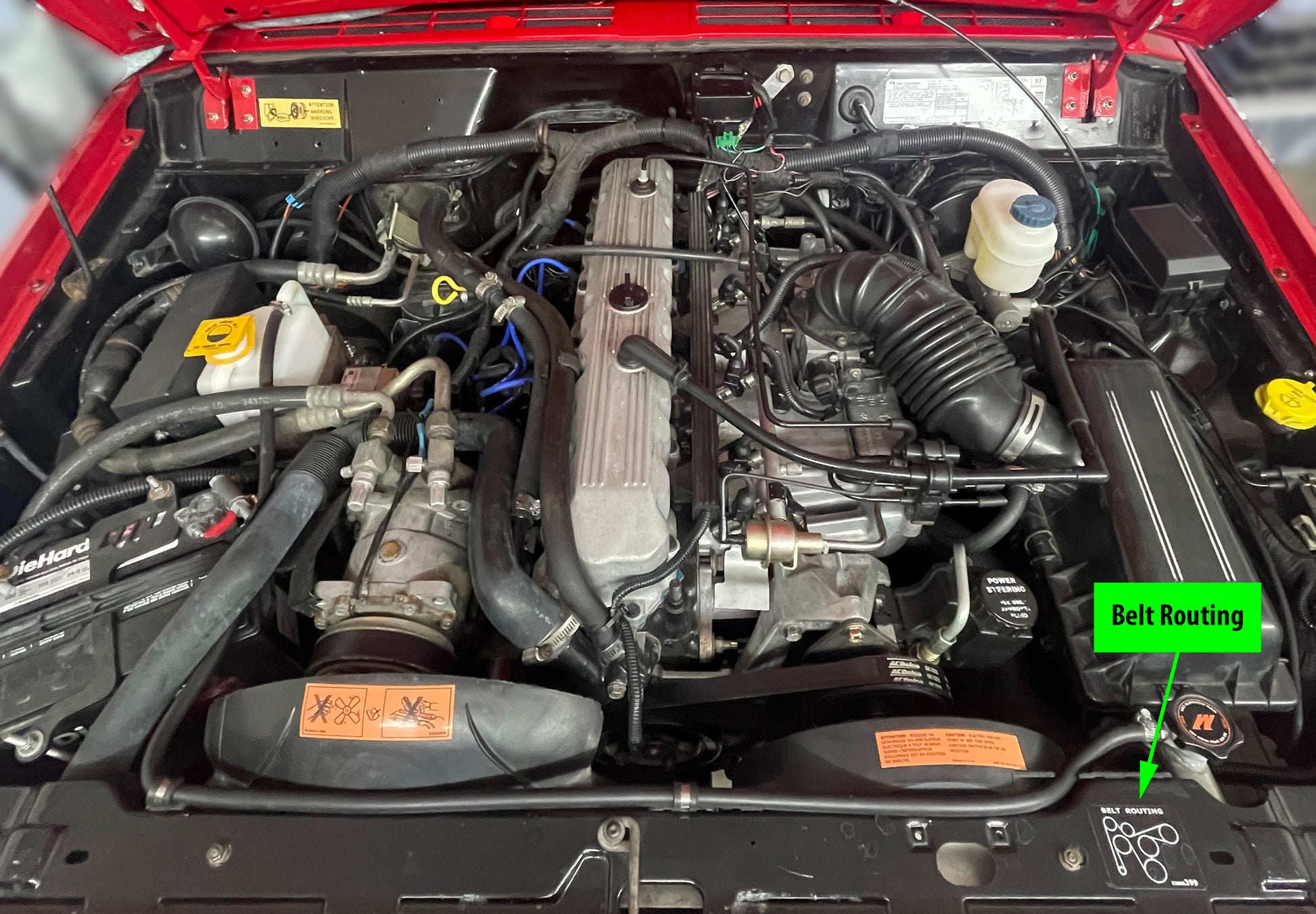
<!– wp:rank-math/faq-block {"questions":[{"id":"faq-question-1110a31911c6","title":"How Do I Identify The Correct Belt Routing For My Jeep Cherokee 4.0?","content":"Most models have a sticker under the hood showing the belt diagram. If yours is missing, search for your model year’s diagram online or check the service manual.
“,”visible”:true},{“id”:”faq-question-f9bb2a4f4a9f”,”title”:”What Are The Signs Of A Failing Serpentine Belt?”,”content”:”Look for cracks, fraying, squealing noises, and accessory failures like loss of power steering or battery charging.
“,”visible”:true},{“id”:”faq-question-1cac7f88fd53″,”title”:”Can I Use A Universal Belt, Or Does It Need To Be Specific For The Cherokee 4.0?”,”content”:”Always use the exact belt size for your engine. Universal belts can cause misalignment and damage to components.
“,”visible”:true},{“id”:”faq-question-611d192f3fc4″,”title”:”How Often Should I Replace The Serpentine Belt?”,”content”:”Replace the belt every 40,000–60,000 miles, or sooner if you see wear or hear unusual noises.
“,”visible”:true},{“id”:”faq-question-8afac1aa0c11″,”title”:”Is It Possible To Drive Without The Ac Compressor Connected?”,”content”:”Yes, but the belt routing must be changed. Some kits let you bypass the AC compressor, but always follow the correct diagram for your setup.
Understanding the Jeep Cherokee 4. 0 belt diagram helps you avoid costly mistakes and keeps your engine reliable. With the right diagram and careful installation, your Cherokee will stay ready for adventure.
“,”visible”:true}]} –>How Do I Identify The Correct Belt Routing For My Jeep Cherokee 4.0?
Most models have a sticker under the hood showing the belt diagram. If yours is missing, search for your model year’s diagram online or check the service manual.
What Are The Signs Of A Failing Serpentine Belt?
Look for cracks, fraying, squealing noises, and accessory failures like loss of power steering or battery charging.
Can I Use A Universal Belt, Or Does It Need To Be Specific For The Cherokee 4.0?
Always use the exact belt size for your engine. Universal belts can cause misalignment and damage to components.
How Often Should I Replace The Serpentine Belt?
Replace the belt every 40,000–60,000 miles, or sooner if you see wear or hear unusual noises.
Is It Possible To Drive Without The Ac Compressor Connected?
Yes, but the belt routing must be changed. Some kits let you bypass the AC compressor, but always follow the correct diagram for your setup.
Understanding the Jeep Cherokee 4. 0 belt diagram helps you avoid costly mistakes and keeps your engine reliable. With the right diagram and careful installation, your Cherokee will stay ready for adventure.