Winter driving presents unique challenges for any vehicle, but Jeeps, with their renowned off-road capabilities, often have a distinct advantage. However, owning a Jeep does not automatically make you immune to winter hazards.
Proper preparation, understanding your vehicle’s systems, and adopting safe driving techniques are crucial for navigating snowy roads, icy conditions, and freezing temperatures with confidence. This guide will help you prepare your Jeep and yourself for winter, ensuring you can tackle the cold season safely and effectively.
Understanding Your Jeep’s 4×4 System For Winter
Jeeps are famous for their four-wheel drive (4WD) or all-wheel drive (AWD) systems, which are invaluable in winter. However, knowing *when* and *how* to use them is key. Most modern Jeeps offer different 4WD modes, typically controlled by a lever or a dial.
Types Of 4wd Systems And Their Use
Jeep’s 4×4 systems can vary, but commonly you’ll find modes like:
- 2WD (Two-Wheel Drive): This is usually the rear-wheel drive mode. It’s best for dry, clear roads when you don’t need extra traction. Using 2WD improves fuel efficiency.
- 4WD Auto (Automatic Four-Wheel Drive): In this mode, the vehicle automatically engages the front wheels when it detects slip. It’s a good “set it and forget it” option for mixed conditions, offering enhanced traction without constant driver input. Many drivers find this the most convenient setting for general winter driving on paved roads that might have patches of snow or ice.
- 4WD High (4H): This mode locks the front and rear driveshafts together, sending power to all four wheels. It’s ideal for snowy roads, moderate off-roading in snow, or when you need consistent traction. You can use 4H on slippery surfaces at speeds up to around 50 mph (80 km/h), depending on the specific Jeep model.
- 4WD Low (4L): This setting provides maximum torque at very low speeds. It’s designed for extreme off-road situations, steep inclines covered in snow or ice, or when you need to crawl over obstacles. Never use 4L on dry pavement, as it can damage your drivetrain. It’s strictly for slippery surfaces or off-road use.
When To Switch Modes
The decision of when to switch modes depends on the conditions. If you’re driving on clear highways, 2WD is sufficient. As soon as you encounter snow or ice, or anticipate slippery conditions, switch to 4WD Auto if available. For deeper snow or more challenging icy stretches, 4H is the better choice. Remember to switch back to 2WD once you are on clear, dry roads to save fuel and reduce wear on your drivetrain components.
Pro Tip: Always consult your Jeep’s owner’s manual for specific instructions on your vehicle’s 4×4 system. Different models may have unique features or recommended operating procedures.
Essential Jeep Winter Maintenance
Before winter truly sets in, a thorough maintenance check is non-negotiable. Your Jeep needs to be in top condition to handle the demands of cold weather.
Tires: Your First Line Of Defense
Tires are arguably the most critical component for winter driving. All-season tires can handle light snow, but for serious winter conditions, winter tires are highly recommended.
- Winter Tires: These tires are made with a special rubber compound that stays flexible in cold temperatures, providing better grip. Their tread patterns have more biting edges and deeper grooves to evacuate snow and slush. Look for the three-peak mountain snowflake (3PMSF) symbol on the sidewall, indicating they meet severe snow service standards.
- Tire Pressure: Cold weather causes tire pressure to drop. Check your tire pressure regularly, at least once a month, and inflate them to the recommended PSI found on the sticker inside your driver’s side doorjamb. Properly inflated tires ensure optimal contact with the road and prevent premature wear.
- Tread Depth: Ensure your tires have adequate tread depth. Worn tires, even winter tires, will not provide the necessary traction on snow and ice. A common test is the penny test: insert a penny into the deepest tread groove with Lincoln’s head facing down. If you can see the top of Lincoln’s head, your tread is too low and it’s time for new tires.
Fluids And Battery Check
- Antifreeze: Ensure your coolant is at the correct level and mixture for your climate. A 50/50 mix of antifreeze and water typically protects down to -34°F (-37°C). If you live in an area with extreme cold, you might need a stronger concentration. Low or diluted coolant can lead to engine freezing and overheating.
- Wiper Fluid: Use a winter-specific wiper fluid that won’t freeze. You’ll be using your wipers frequently to clear snow and salt spray, so having a clear view is essential.
- Battery: Cold weather significantly reduces a battery’s cranking power. Have your battery tested before winter. If it’s more than three years old or showing signs of weakness, consider replacing it. A dead battery in freezing temperatures can leave you stranded.
- Brake Fluid and Power Steering Fluid: Check the levels and condition of these fluids. Ensure they are topped up and free of contaminants.
Other Vital Checks
- Wiper Blades: Replace worn wiper blades. They need to effectively clear snow and ice without streaking. Consider winter wiper blades designed to resist freezing.
- Lights: Ensure all your lights, headlights, taillights, brake lights, and turn signals, are clean and functioning. Visibility is significantly reduced in winter, making it crucial for others to see you and for you to see the road.
- Heater and Defroster: Test your heating system and defroster to ensure they are working at full capacity. Clearing ice and condensation from your windshield is vital for safety.
Safe Driving Techniques For Winter Conditions
Even with a capable Jeep and proper maintenance, safe driving techniques are paramount in winter. Reduced traction, lower visibility, and longer stopping distances demand a more cautious approach.
Adjusting Your Driving Style
- Slow Down: This is the most important rule. Speed limits are set for ideal conditions. In snow and ice, reduce your speed significantly. The faster you go, the less time you have to react to hazards, and the further you will slide if you lose traction.
- Increase Following Distance: You need much more stopping distance on slippery surfaces. Double or even triple the normal following distance between your Jeep and the vehicle ahead. Aim for at least 5-10 seconds.
- Smooth Inputs: All your driving inputs, steering, accelerating, and braking, should be smooth and gradual. Abrupt movements can easily cause your tires to lose grip.
- Accelerate Gently: Apply the gas pedal slowly and steadily to avoid spinning your wheels. If you feel the wheels spinning, ease off the accelerator slightly.
- Brake Early and Gently: Anticipate stops well in advance. Apply the brakes gradually to avoid skidding. If your Jeep has ABS (Anti-lock Braking System), you’ll feel a pulsing sensation when braking hard; maintain steady pressure and don’t pump the brakes.
- Steer Smoothly: Turn the steering wheel smoothly. If you start to skid, steer in the direction you want the front of the vehicle to go (counter-steer).
Dealing With Skids
Skids happen when your tires lose traction. Knowing how to react can help you regain control.
- Front-Wheel Skid: If your Jeep is sliding straight ahead (understeer) and not turning, ease off the accelerator and gently apply the brakes. You may need to slightly turn the steering wheel away from the direction of the skid to help the front wheels regain grip.
- Rear-Wheel Skid: If the rear of your Jeep starts to slide sideways (oversteer), take your foot off the accelerator and steer gently in the direction the rear of the vehicle is sliding. For example, if the rear is sliding to the left, steer left. Once the vehicle straightens out, gently steer back to your original direction.
- ABS and Skids: Remember that ABS is designed to prevent wheel lock-up during braking, allowing you to maintain steering control. If you need to brake hard on a slippery surface and your Jeep has ABS, press the brake pedal firmly and hold it down. Do not pump the brakes.
Visibility And Awareness
- Clear All Windows: Before driving, clear all snow and ice from your windshield, windows, and mirrors. Don’t forget the roof and hood, as snow can blow off and obscure your vision or that of other drivers.
- Use Headlights: Turn on your low-beam headlights whenever visibility is reduced, even during daylight hours. This helps you see better and makes your vehicle more visible to others.
- Watch for Black Ice: Black ice is a thin, transparent layer of ice that forms on roads. It’s extremely slippery and often difficult to see. Bridges and overpasses are particularly prone to black ice because they freeze faster than the surrounding road.
Preparing Your Jeep For Extreme Cold
Beyond routine maintenance, specific preparations can make a significant difference when temperatures plummet.
Engine Block Heater
If you live in an area with consistently very cold temperatures, an engine block heater is a worthwhile investment. This device heats the engine’s oil and coolant, making it easier to start and reducing engine wear during cold starts. You plug it into a standard electrical outlet, usually overnight.
Emergency Kit Essentials
A well-stocked emergency kit is crucial for any winter travel, especially in remote areas where help might be far away.
- Warmth: Blankets, extra warm clothing (hats, gloves, scarves, waterproof boots), hand warmers.
- Sustenance: Non-perishable food (energy bars, nuts), water (consider a thermos to keep it from freezing).
- Tools & Safety: First-aid kit, flashlight with extra batteries, jumper cables, tow strap, basic toolkit, shovel (collapsible is best), sand or kitty litter for traction, reflective triangles or flares, a portable phone charger or power bank.
- Communication: Fully charged cell phone. Consider a satellite communication device if traveling in areas with no cell service.
- Vehicle Specifics: Extra windshield washer fluid, a small bag of salt or sand for traction.
Fuel Level
Always keep your fuel tank at least half full. This prevents moisture from freezing in the fuel lines and ensures you have enough fuel for heating if you get stranded.
Keeping Your Jeep Tidy
- Cleanliness: Regularly wash your Jeep to remove salt and grime. Salt can accelerate rust and corrosion, especially on the undercarriage. Use an undercarriage wash if possible.
- Interior: Keep your interior tidy and free of unnecessary items that could become projectiles in an accident or impede your ability to move around if you need to take shelter.
Specific Scenarios And How To Handle Them
Winter driving presents various challenging scenarios. Knowing how to react can prevent accidents.
Driving In Deep Snow
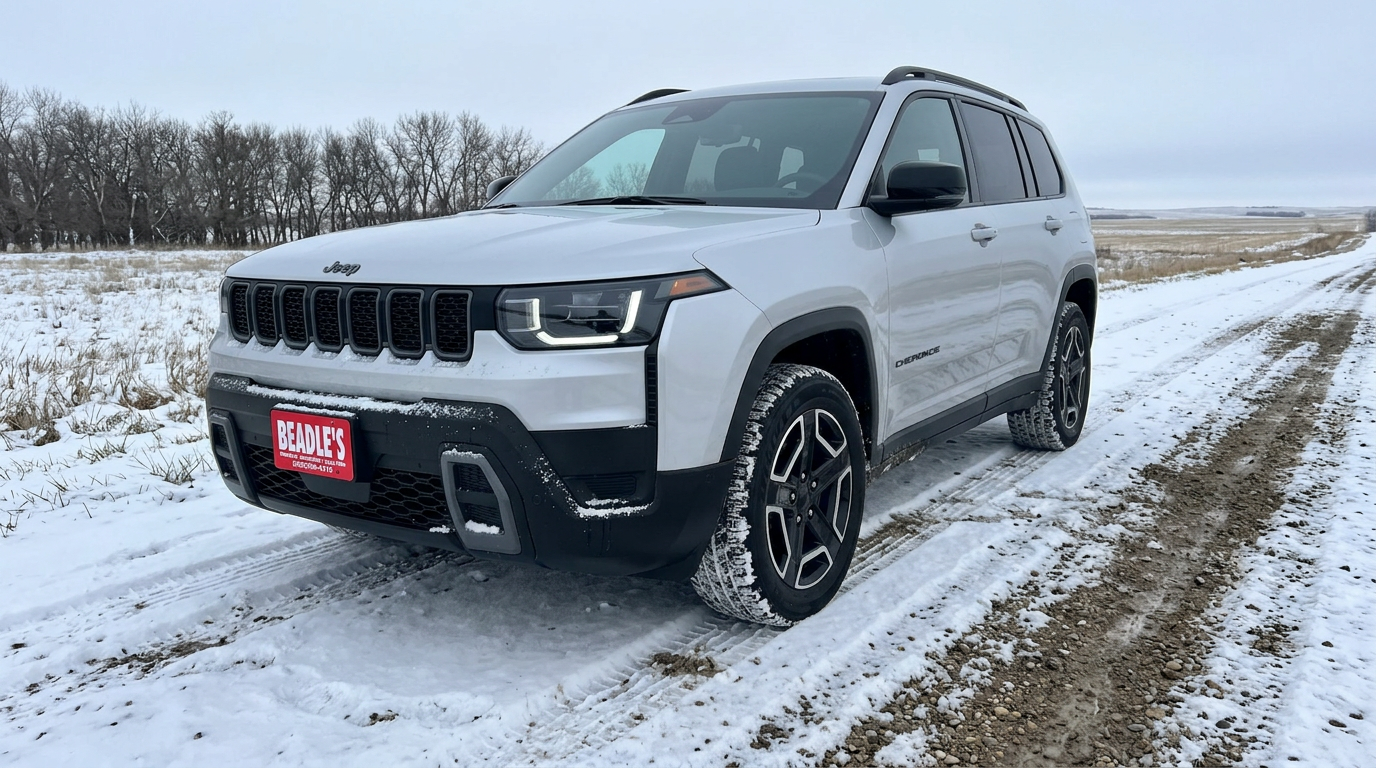
When driving in deep snow, your Jeep’s 4×4 system is your best friend.
- Engage 4H: For snow deeper than a few inches, switch to 4WD High.
- Maintain Momentum: Once you’re moving, try to maintain a steady, slow speed. Stopping in deep snow can mean getting stuck.
- Avoid Spinning Wheels: If you feel your wheels spinning, ease off the accelerator. Spinning can dig you deeper.
- Clear Snow from Around Tires: If you do get stuck, try to clear snow away from the tires with a shovel.
- Use Traction Aids: If you have sand, kitty litter, or traction mats, place them under the drive wheels.
- Rocking the Vehicle: If you’re stuck, you can try rocking the vehicle. Gently shift between Drive and Reverse, applying minimal throttle in each direction to build momentum. This can sometimes free you from a snowdrift.
Ice is one of the most dangerous winter road conditions.
- Assume the Worst: Treat any wet-looking patch of road as potentially icy, especially on bridges, overpasses, shaded areas, and at intersections.
- Slow Down Dramatically: Reduce your speed well before you reach an icy patch.
- Avoid Braking or Steering on Ice: If you hit ice, do not brake suddenly or make any sharp steering movements. Try to maintain a straight line and ease off the accelerator.
- Gentle Corrections: If you need to steer, do so very gradually.
Mountain Driving In Winter
Mountainous terrain adds elevation changes and often more severe weather.
- Check Road Conditions: Before heading into the mountains, check local road reports for closures or advisories. Many areas have chain requirements during winter storms.
- Use Lower Gears: When descending steep hills, shift into a lower gear (like 4L if conditions are extremely slippery, or a lower gear in the automatic transmission) to help control your speed without relying solely on brakes, which can overheat and fail.
- Be Aware of Avalanches: If traveling in avalanche-prone areas, be aware of conditions and warnings. Stick to designated, maintained roads.
Beyond The Basics: Advanced Winter Jeep Tips
For those who push their Jeeps further, or simply want to be exceptionally prepared, a few extra considerations can enhance winter capability.
Tire Chains And Snow Tires
While winter tires offer excellent grip, tire chains provide an extra layer of security for extreme conditions, especially in mountainous areas or when required by law. Ensure you purchase chains that fit your specific tire size and Jeep model. Practicing putting them on before you need them is highly recommended. Many jurisdictions require snow tires or chains beyond a certain elevation or during specific storm conditions.
Winch And Recovery Gear
If you plan on venturing off-road or into areas where getting stuck is a real possibility, carrying a winch and proper recovery gear (shackles, tree saver strap, snatch block) can be a lifesaver. Knowing how to use this equipment safely is crucial. Always have a plan and a spotter when winching.
Cold Weather Engine Starting
Even with a healthy battery, extreme cold can make starting difficult.
- Use Block Heater: As mentioned, an engine block heater is the best solution.
- Wait for Glow Plugs (Diesel): If you have a diesel Jeep, wait for the glow plug indicator to turn off before attempting