Jeep Car Suspension: Balancing Off-road Prowess And On-road Comfort
Jeep. The name itself conjures images of rugged capability, of conquering trails, and of adventures far from paved roads.
For decades, Jeep vehicles have been synonymous with off-road dominance. However, a common perception, and often a reality, has been that this capability comes at the expense of on-road comfort.
The suspension systems designed to articulate over rocks and mud can sometimes feel jarring and stiff when driving on smooth asphalt. This article explores the evolution of Jeep’s suspension systems, the factors influencing their comfort, and what drivers can expect and do to enhance their Jeep’s ride quality.
The core of a Jeep's identity lies in its ability to go anywhere. This requires suspension components that allow wheels to move independently and absorb significant impacts without compromising traction.
Traditional Jeep suspensions often relied on solid axles, which are excellent for articulation and durability but can transmit more road imperfections into the cabin.
As automotive technology has advanced, and consumer expectations have shifted, Jeep has progressively incorporated more sophisticated suspension designs and tuning to strike a better balance between its legendary off-road heritage and the everyday comfort demanded by modern drivers.
Understanding Jeep Suspension Basics
At its heart, a vehicle’s suspension system connects the wheels to the chassis. Its primary jobs are to support the vehicle’s weight, absorb shocks from the road, and keep the tires in contact with the ground for optimal traction and control.
For a Jeep, these functions are amplified by the need to handle extreme terrain.
The two main types of suspension systems found in vehicles are solid axles and independent suspension.
- Solid Axles: These are heavy, robust beams that connect opposite wheels. When one wheel hits a bump, the entire axle tilts, affecting the other wheel. This design offers excellent wheel articulation, meaning the wheels can move up and down over large obstacles, which is crucial for off-roading. However, it also means that road imperfections on one side can be directly felt on the other, leading to a less refined ride on paved surfaces.
- Independent Suspension: In this setup, each wheel is connected to the chassis separately. This allows one wheel to move up and down without significantly affecting the wheel on the opposite side. This generally leads to a more comfortable and controlled ride on paved roads, as it isolates the cabin better from road imperfections.
Historically, Jeeps, especially models like the Wrangler, have heavily favored solid axles for their off-road benefits. Newer Jeep models, and even some variants of traditional ones, have increasingly adopted independent suspension elements or refined solid axle designs to improve comfort.
Key Components Affecting Ride Comfort
Several parts within a Jeep’s suspension system play a crucial role in how comfortable the ride feels:
- Springs: These absorb the initial impact of bumps. They can be coil springs (common in modern Jeeps) or leaf springs (found in older or heavy-duty applications). The spring rate, how stiff the spring is, is a major factor in ride comfort. Stiffer springs are better for handling heavy loads and off-road control but can make the ride harsh. Softer springs absorb bumps more easily but can lead to more body roll in corners.
- Shock Absorbers (Dampers): Springs absorb energy, but without shocks, the vehicle would continue to bounce. Shocks dissipate this energy, controlling the spring’s oscillations. The damping force of the shocks determines how quickly the suspension settles after hitting a bump. Too little damping leads to a bouncy ride, while too much makes the ride stiff and jarring.
- Bushings: These are rubber or polyurethane components that isolate metal-on-metal contact between suspension parts. Worn or stiff bushings can transmit more vibration and noise into the cabin.
- Tires and Wheels: While not strictly part of the suspension, tires and wheels significantly impact ride comfort. Taller tires with more sidewall can act as an additional cushion. Lower tire pressure (within safe limits) also softens the ride. Larger, heavier wheels can sometimes contribute to a harsher ride, especially when paired with low-profile tires.
Evolution Of Jeep Suspension For Comfort
Jeep has not stood still. Over the years, engineers have worked to improve the comfort of their vehicles without sacrificing their legendary off-road capabilities.
The Wrangler’s Journey
The Jeep Wrangler is perhaps the most iconic example. Its lineage is deeply rooted in solid axles.
- Early Wranglers (YJ, TJ): These models were known for their ruggedness and off-road prowess. Their suspension, while effective off-road, was often criticized for its stiffness and tendency to transmit bumps directly into the cabin. The TJ generation, with its coil spring suspension (a significant upgrade from the YJ’s leaf springs), offered a noticeable improvement in ride quality over its predecessor, but still prioritized off-road articulation.
- JK Generation (2007-2018): The JK Wrangler continued with solid axles but saw further refinement. Engineers focused on tuning the springs and shocks to offer a more compliant ride on pavement. Larger tires and longer wheelbases also contributed to a smoother experience. However, it was still a Jeep, and its off-road bias meant comfort was a secondary consideration.
- JL Generation (2018-Present): The current JL Wrangler represents a significant leap forward in balancing comfort and capability. While still utilizing Dana solid axles front and rear, Jeep engineers have made substantial improvements. The suspension geometry has been optimized, and the springs and shocks are tuned for a more comfortable on-road experience. For instance, the Rubicon models feature electronic disconnecting sway bars, which enhance articulation off-road but also allow for a softer ride on pavement when the bar is disconnected. Furthermore, the introduction of the Wrangler EcoDiesel and 4xe (plug-in hybrid) models brought different weight distributions and engine characteristics that subtly influence ride feel.
Other Jeep Models: Independent Suspension Advantages
Beyond the Wrangler, other Jeep models showcase a more comfort-oriented approach, primarily through the use of independent suspension systems.
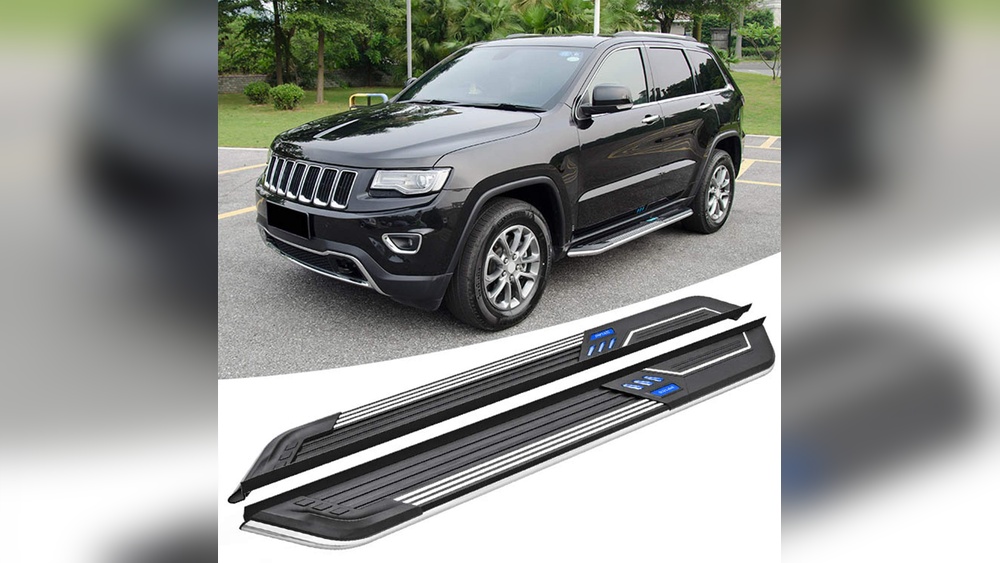
- Jeep Grand Cherokee: This has always been Jeep’s flagship for blending luxury and capability. It features independent front and rear suspension, often with advanced systems like the Quadra-Lift air suspension. This system allows drivers to adjust the vehicle’s ride height and stiffness, providing a plush ride on the highway and the ability to raise the vehicle for off-road clearance. The air suspension can actively adjust to road conditions, offering a significantly more comfortable experience than traditional coil springs and shocks.
- Jeep Cherokee (KL generation): The Cherokee utilizes a MacPherson strut independent front suspension and a multi-link independent rear suspension. This setup is designed to provide a good balance of on-road handling and comfort, moving it further away from the rugged, utilitarian feel of the Wrangler.
- Jeep Compass and Renegade: These smaller SUVs also employ independent suspension systems designed for urban driving and light off-roading. Their tuning leans heavily towards a comfortable, car-like ride, making them more appealing to buyers who prioritize daily drivability.
Factors Influencing Jeep Suspension Comfort
Several factors, beyond the core suspension design, can influence how comfortable your Jeep feels:
1. Tire Choice And Pressure
The tires are the first line of defense against road imperfections.
- Tire Sidewall: Taller tire sidewalls provide more cushioning. A tire with a 60 aspect ratio (e.g., 265/60R18) has a taller sidewall than a tire with a 45 aspect ratio (e.g., 265/45R18) for the same rim diameter. For off-road oriented Jeeps like the Wrangler, larger tires (e.g., 33-inch or 35-inch) with more sidewall can significantly improve comfort.
- Tire Tread: Aggressive, knobby off-road tires can be noisier and transmit more vibration on pavement compared to all-terrain or highway tires.
- Tire Pressure: This is a critical, often overlooked factor. Running tires at the recommended pressure listed on the driver’s side doorjamb is essential for safety and performance. However, slight adjustments (within safe limits) can influence comfort. Lowering pressure slightly can soften the ride, but too low pressure compromises handling, fuel economy, and can lead to tire damage. Always consult your owner’s manual and be mindful of load ratings.
2. Aftermarket Suspension Modifications
Many Jeep owners modify their suspensions to enhance off-road capability. While lifts and stiffer components improve off-road performance, they can negatively impact on-road comfort if not chosen or installed carefully.
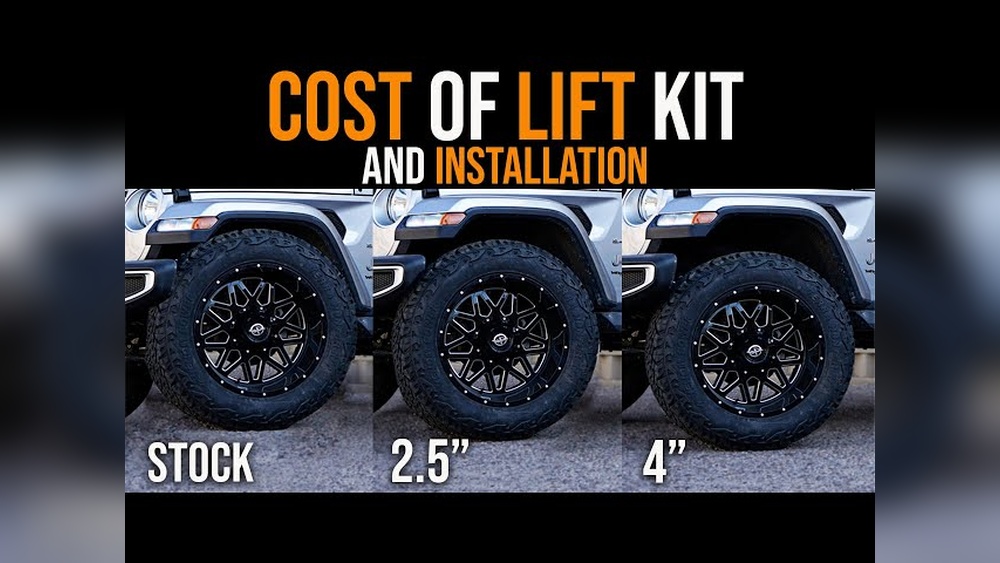
- Lift Kits: These kits raise the vehicle’s height, often using longer springs, taller shocks, and sometimes new control arms. If the lift kit uses springs with excessively high spring rates or shocks that are too stiff for the vehicle’s weight, the ride will become much harsher.
- Aftermarket Shocks: Performance shocks designed for extreme off-roading may have valving that is too aggressive for daily driving, leading to a stiff ride. Conversely, some shocks are specifically tuned for better on-road manners even on off-road focused vehicles.
- Control Arms and Bushings: Upgrading to stiffer, less compliant bushings (like polyurethane) in control arms can improve suspension responsiveness off-road but transmit more road noise and vibration.
3. Vehicle Weight And Load
The weight of the vehicle and anything it’s carrying affects how the suspension performs. A heavier vehicle will compress springs more, and the shocks need to be properly valved to control this extra mass. An overloaded Jeep will ride much rougher.
4. Maintenance And Wear
Like any mechanical system, suspension components wear out over time.
- Worn Shocks: Leaking or worn-out shock absorbers lose their ability to control spring movement, leading to a bouncy or uncontrolled ride.
- Damaged Springs: Springs can sag or break over time, altering the vehicle’s stance and ride quality.
- Worn Bushings: Degraded rubber bushings allow for more play and noise transmission.
Tuning For Comfort: Options For Jeep Owners
If you find your Jeep’s ride comfort lacking, there are several avenues to explore, ranging from simple adjustments to more involved modifications.
1. Tire Pressure Optimization
This is the easiest and often most effective first step. Experiment with slightly lower tire pressures, especially if you have taller sidewalls. A common recommendation for improving ride comfort on Wranglers, for example, is to drop pressure by 2-4 PSI from the recommended level. However, never go below the manufacturer’s minimum recommended pressure for load-carrying capacity and always check your tire sidewall for maximum pressure limits.
2. Selecting The Right Tires
When it’s time for new tires, consider your priorities. If on-road comfort is high on your list, opt for:
- All-Terrain (A/T) Tires: These offer a good compromise between off-road traction and on-road manners. They are generally quieter and provide a smoother ride than dedicated mud-terrain tires.
- Highway Tires: If your Jeep rarely ventures off-road, highway tires will offer the best comfort and quietest ride, but at the expense of off-road capability.
- Tire Size: Stick to the factory tire sizes or slightly larger sizes with taller sidewalls if possible. Avoid extremely low-profile tires on any Jeep model if comfort is a priority.
3. Upgrading Shocks And Springs
This is a more significant modification but can yield substantial improvements.
- Comfort-Tuned Shocks: Many manufacturers offer aftermarket shocks specifically designed for a more comfortable ride, even on off-road vehicles. These shocks feature different valving to absorb impacts more smoothly. Companies like Bilstein and Fox offer various shock options for Jeeps, some prioritizing comfort and others extreme performance.
- Progressive Rate Springs: Unlike linear rate springs (which have a constant stiffness), progressive rate springs become stiffer as they are compressed. This allows for a softer initial response to small bumps while still providing support for larger impacts or heavier loads.
- Air Suspension Systems: For models like the Grand Cherokee, upgrading to or ensuring the proper function of the factory air suspension is key. Aftermarket air suspension kits are also available for some Jeep models, offering adjustable ride height and firmness.
4. Re-evaluating Aftermarket Lift Kits
If you have an aftermarket lift kit and are unhappy with the ride:
- Check Component Quality: Lower-quality lift kits often use generic, stiff springs and shocks. Upgrading to higher-quality components from reputable brands can make a big difference.
- Consider Suspension Geometry: Some lift kits can negatively affect suspension geometry, leading to poor handling and a harsh ride. Ensure the kit is designed to maintain proper alignment and geometry.
- Adjustable Control Arms: These can help restore proper suspension geometry after a lift, improving ride quality and handling.
5. Sound Deadening And Insulation
While not a suspension component, improving cabin insulation can make a harsh ride feel more tolerable. Adding sound-deadening material to the floor, doors, and firewall can reduce road noise and vibrations that are often amplified by a stiffer suspension.
Real-world Examples And Considerations
When modifying a Jeep for comfort, it’s crucial to understand the trade-offs. For instance, a common modification for a Jeep Wrangler JK or JL is a 2.
5-inch lift kit. A kit that includes shocks tuned for on-road comfort and springs with a moderate rate will provide better ride quality than a kit designed purely for extreme off-roading with very stiff components.
For a Jeep Grand Cherokee owner seeking maximum comfort, ensuring the Quadra-Lift air suspension is functioning correctly is paramount. If it's malfunctioning, the ride can become stiff and uneven.
Repairing or replacing faulty air springs or shocks will restore the intended plushness.
In my experience, upgrading from the stock shocks on a Jeep Wrangler JL Rubicon to a set of Fox 2.0 Performance Series IFP shocks provided a noticeable improvement in on-road comfort. The initial bump absorption was smoother, and the jarring effect from sharper impacts was reduced, while still maintaining excellent off-road control. This was achieved without altering the spring rate, highlighting the impact of shock tuning.
The Future Of Jeep Suspension Comfort
Jeep continues to evolve its suspension technology. The increasing integration of electronic control systems, adaptive dampers, and advanced materials points towards a future where the distinction between off-road capability and on-road comfort becomes even more blurred.
We might see more Jeeps equipped with adaptive suspension systems that automatically adjust damping rates based on road conditions and driving mode selected.
The push for electrification also plays a role. Electric vehicles often have a lower center of gravity due to battery placement, which can improve handling.
However, the added weight of batteries can necessitate stronger suspension components. Manufacturers are working to tune these systems for optimal comfort and performance.
Frequently Asked Questions
What Is The Most Comfortable Jeep Model For Daily Driving?
For overall daily driving comfort, models like the Jeep Grand Cherokee and **Jeep Wagone